
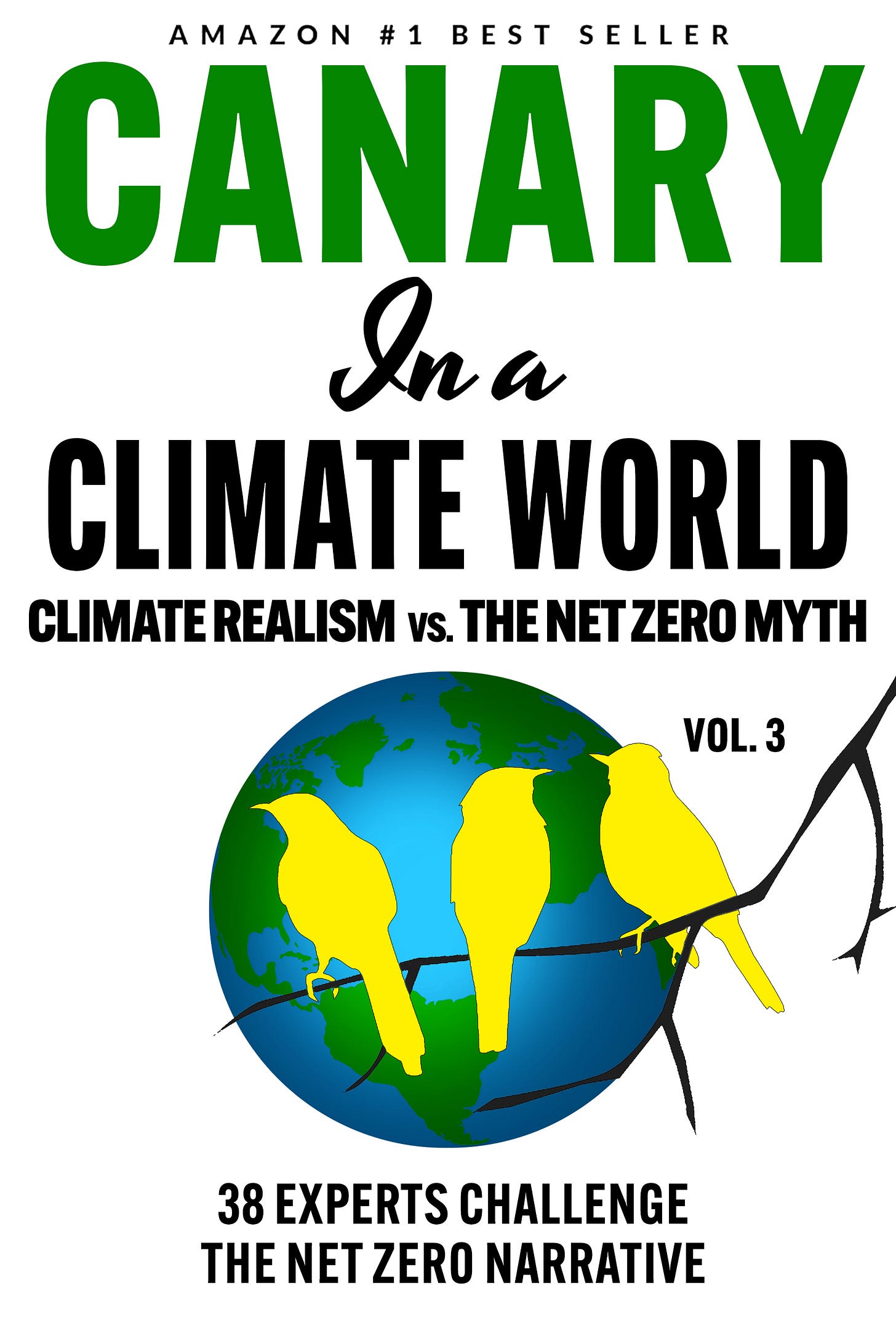
Did Mark Carney read Canary in a Climate World: Climate Realism vs The Net Zero Myth?
Probably not (Yet.) But as the Canary Network continues to grow and increasingly reaches into the halls of power around the world, perhaps it’s only a matter of time.
Readers of Canary in a Climate World, however, may find Carney’s latest comments surprisingly familiar.
The Canadian Prime Minister has made a remarkable pivot, backing a C$44bn oil pipeline, expanding LNG exports, and acknowledging that Canada cannot afford to restrain the growth of its oil and gas industry simply to meet short-term Net Zero targets.
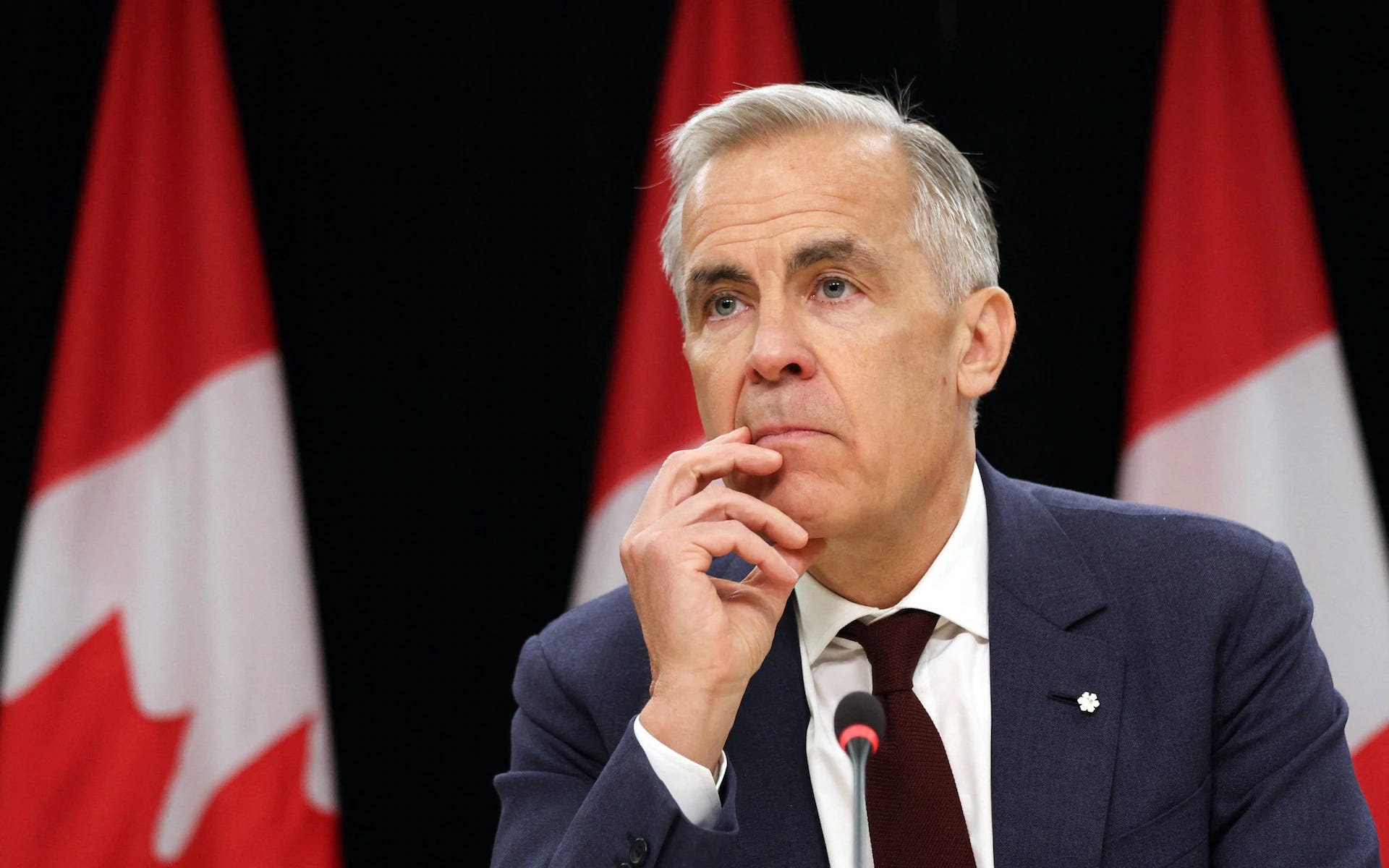
To be clear, Carney has unfortunatley not abandoned Net Zero. Far from it. He continues to champion Canada’s climate ambitions while arguing that the country can become an energy superpower through the responsible development and export of its abundant oil and gas resources.
That is a significant shift.
It is made even more noteworthy because Carney served as Governor of the Bank of England from 2013 to 2020 before becoming the United Nations Special Envoy on Climate Action and Finance. Few public figures have done more to champion the global Net Zero agenda. His change in emphasis will undoubtedly be watched closely in Britain, where the debate over energy security, affordability, and Net Zero is becoming increasingly difficult to ignore.
Interestingly, around two-thirds of all sales of Canary in a Climate World have come from the United Kingdom. That suggests a growing appetite for a broader discussion about climate science, energy policy, and the practical realities of achieving emissions targets.
Many of the 38 experts contributing to Canary in a Climate World argue that affordable, reliable energy remains fundamental to economic prosperity and that climate policy must be grounded in scientific evidence, technological reality, and practical outcomes, not simply political aspirations.
Whether Mark Carney has become “another Climate Canary” is unlikely at this time, but as more governments begin confronting the practical realities of affordability, energy security, and economic competitiveness, many of the themes explored in Canary in a Climate World are becoming part of the mainstream conversation. For COVID Canaries, Carney is still tainted by suspicions that, in his role as Trudeau’s financial adviser, he may have had a hand in the Trudeau government’s decision to freeze the bank accounts of Freedom Convoy protesters. Whether those suspicions are true remains unknown. Regardless, Carney’s move is an important step in the right direction for Canada’s prosperity and for climate realism.
The excellent article below, originally published by The Telegraph on July 3rd, explores this remarkable shift and why it matters, not only for Canada, but also for Britain and every nation wrestling with the realities of energy policy.
***********
Mark Carney has backed a major new oil pipeline project, as the former net zero champion pivots his country back towards oil and gas.
The Canadian prime minister said the 620-mile pipeline, costing up to C$44bn (£23bn), would connect the oil sands of Alberta with a West Coast port near Vancouver, allowing Canada to ramp up energy exports to Asia.
The project marks a significant departure for Mr Carney, who leads a Left-leaning government. As governor of the Bank of England from 2013 to 2020, he was a major figure in driving the financial sector towards net zero.
He used a video address this week to announce a relaxation of his predecessor Justin Trudeau’s ambitious net zero targets.
“We can’t afford to restrain the growth of an important part of our energy mix – oil and gas – to meet a short-term goal,” he said.
Mr Trudeau’s plan was to cut greenhouse gas emissions by up to 45pc below 2005 levels by 2030, and to hit net zero emissions by 2050.
Mr Carney described the plan as expensive and divisive. “It would have been too expensive for Canadians, who are already struggling with affordability,” he said.
Canada now plans to more than triple its liquefied natural gas production in the next decade, building five new terminals. Mr Carney’s government will also pump C$10bn into upgrading the Vancouver port.
He acknowledged that Canada’s greenhouse gas emissions would now rise, but said its oil and gas industry’s environmental standards would help minimise the increase.
“Addressing energy security means we are going to produce our conventional oil and gas in the most environmentally sustainable ways and export them to where they will make the biggest difference,” he said.
Mr Carney’s move will only add to the pressure on Britain’s government to temper Ed Miliband’s trenchant net zero commitments.
Canada’s government is a close ideological ally and partner of Sir Keir Starmer’s administration.
Mr Carney has a track record as a leading climate advocate, having previously served as the UN special envoy on climate action and finance.
In 2021, he created the Glasgow Financial Alliance for Net Zero, a vehicle for corralling banks and fund managers into setting climate goals.
Andy Burnham, who is expected to take over from Sir Keir as Britain’s prime minister this month, has said he had an “open mind” about whether to allow more oil-and-gas exploration in the North Sea.
Advocates for North Sea drilling say that even if it doesn’t lower energy costs in Britain, it will make the country more energy independent and secure.
Mr Carney made the same argument this week, saying exporting more energy to Asia would help Canada reduce its economic dependence on the US.
Donald Trump has been hostile towards Canada, and Mr Carney in particular. He has imposed tariffs, and has held meetings with campaigners pushing for the province of Alberta to secede.
No posts
Comments
Nothing yet. Say the first thing.
Sign in to join the conversation.