
It’s being called one of the world’s most important collections of Mexican art. And its provenance is unraveling before our eyes, in real time.
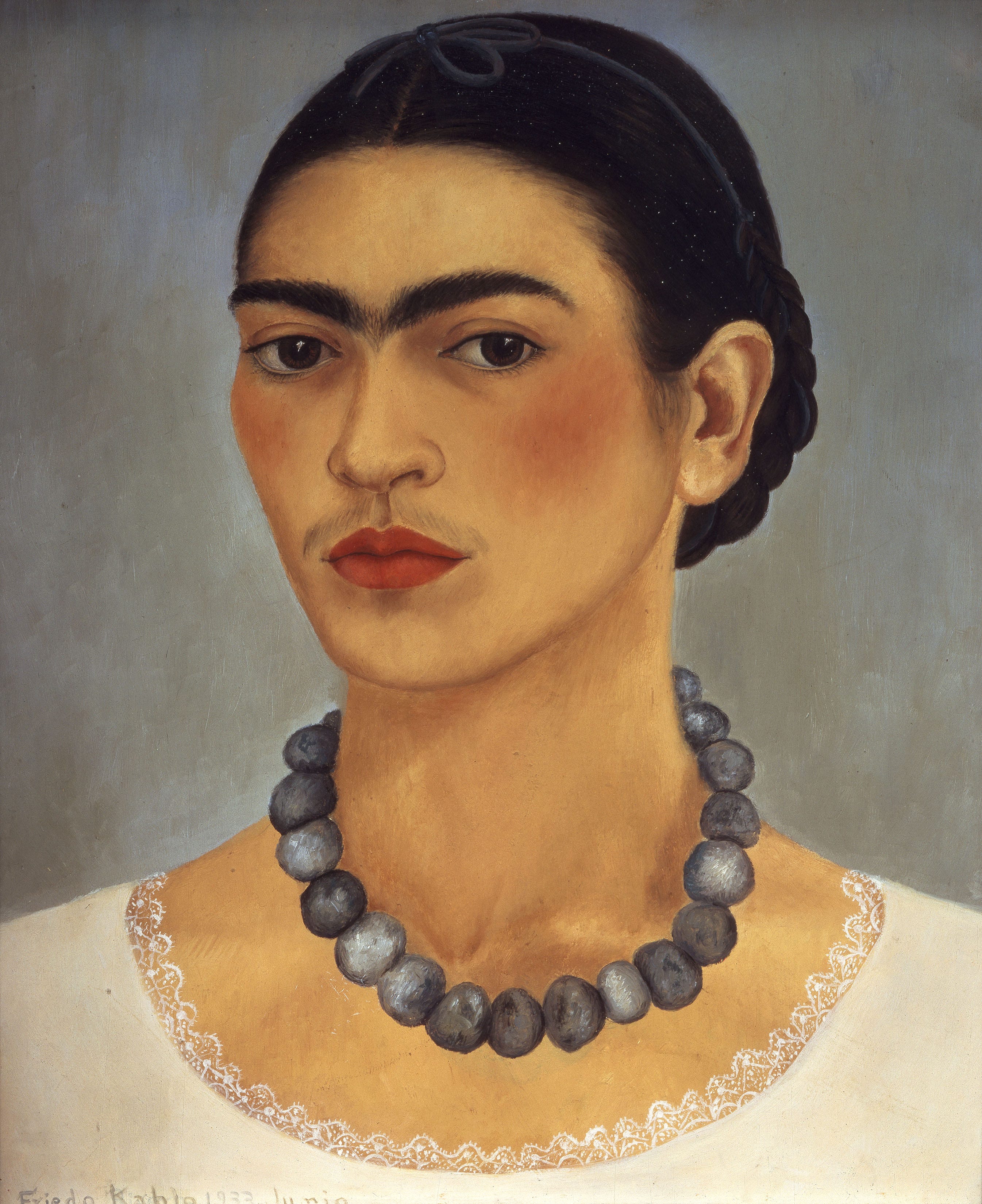
This is the story of the Gelman Santander Collection, and it touches every pressure point in art law today: estate wishes, cultural heritage mandates, provenance, and what happens when the people entrusted to protect a collection quietly become its de facto owners.
To understand why this collection matters, you have to understand the world it came from.
From the late 1930s to the late 1950s, while America and Europe were consumed by World War II (and therefore producing fewer films), Mexico developed something extraordinary. This was the Golden Age of Mexican Cinema, a period of rich storytelling and cultural self-portraiture that elevated Mexico’s place in the art world. That era sprung global awareness of Mexico’s culture, and the world came to recognize the traditions of Mexican food, clothing, and craft, but most especially, its cinema, photography, and painting.
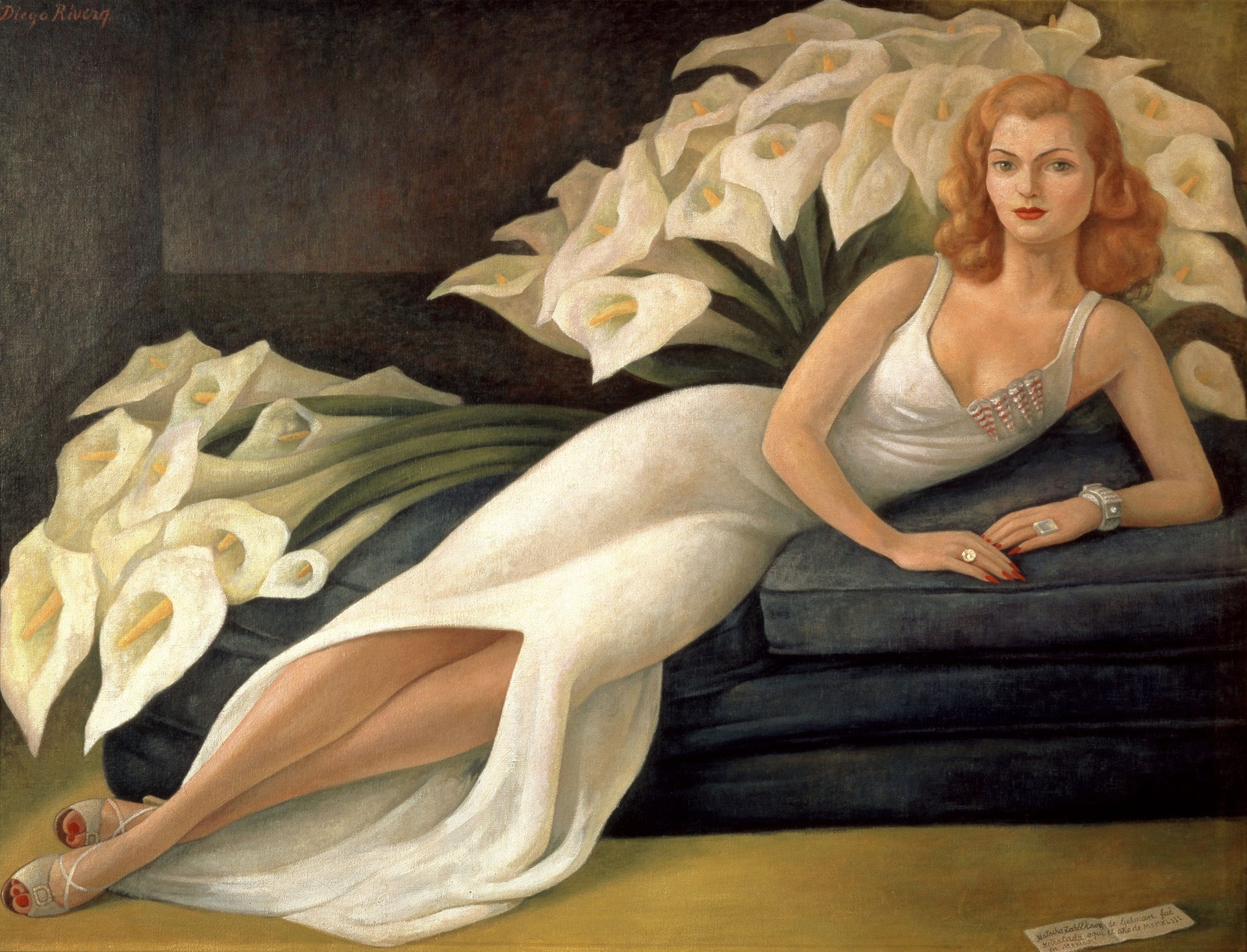
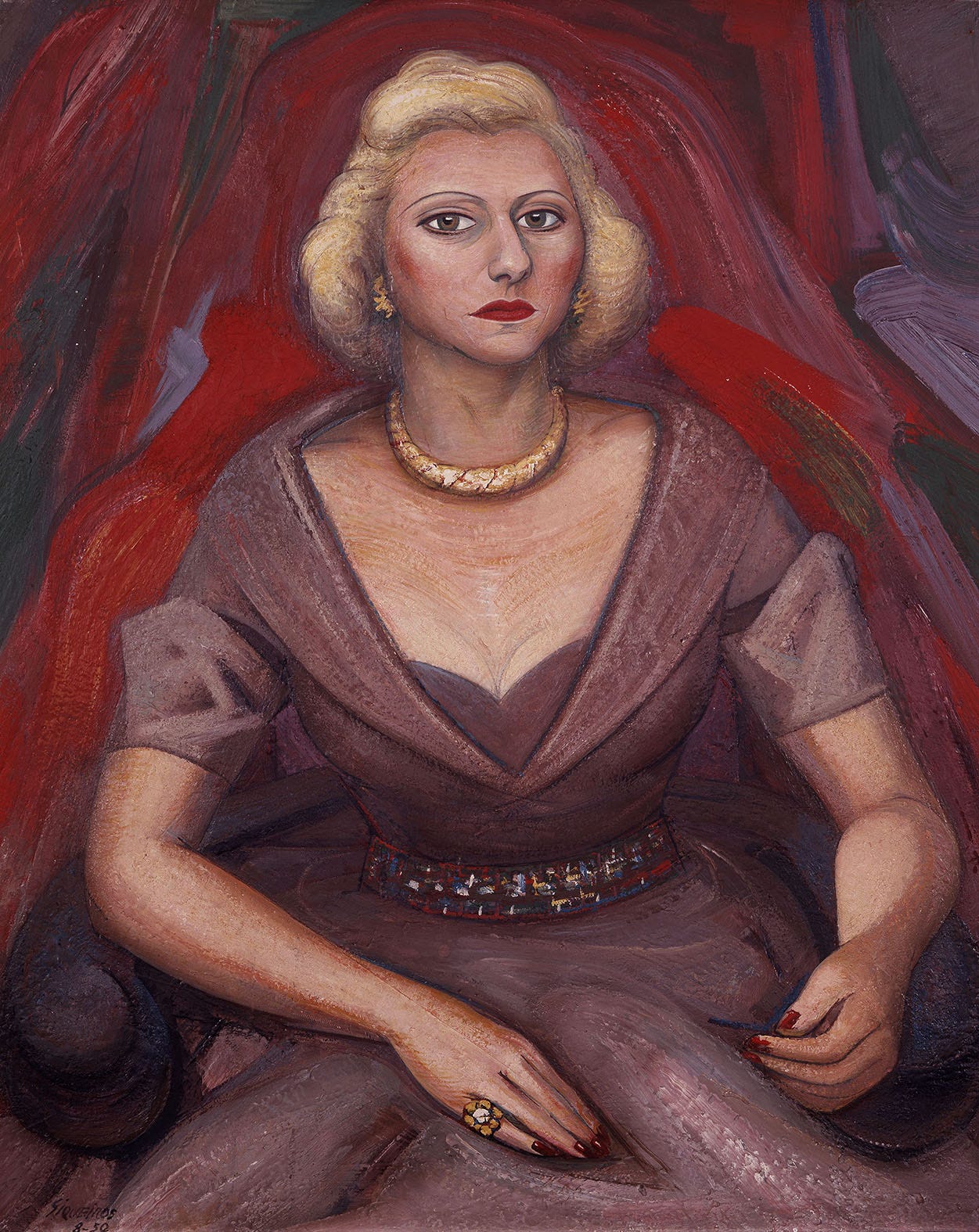
Jacques and Natasha Gelman were at the center of that world. He was born in Russia, she in Czechoslovakia. They both immigrated to Mexico, then married in 1941. They became wealthy in the film industry, as Jacques produced some of the most iconic films of the Golden Age. They invested that wealth in art and amassed a significant collection of works by Mexican artists, including Frida Kahlo, Diego Rivera, María Izquierdo, Rufino Tamayo, José Clemente Orozco, and David Alfaro Siqueiros, as well as a considerable selection of Mexican photography. They also collected European art, which they displayed in their New York apartment. But in Mexico, they kept their Mexican collection private.
When Jacques died in 1986, Natasha continued adding to the collection. She brought in American art advisor and curator Robert Littman, whom she appointed executor of her estate. Upon Natasha’s passing in 1998, Littman created the Vergel Foundation to expand and manage the collection.
It was understood, and widely reported, that the Gelmans wanted their Mexican art displayed collectively, together, in a museum in Mexico, open to the public. When the New York Times reviewed Natasha Gelman’s will, however, the instructions were less clear than that legacy suggests. There were apparently provisions for what should happen should the works leave the country. That ambiguity has become the crack through which the collection has been slowly disappearing.
What is not ambiguous: Frida Kahlo’s works were declared a national monument in Mexico in 1984. That means they can be sold, but they must remain in Mexico.
What is less clear is whether Littman was authorized to make the moves he did, whether he owns or can claim ownership of the works, and what his stake in any transaction has been. It’s also not clear how the Zambrano family entered the picture, but apparently Littman sold them the collection. By 2023, the 160-work collection, currently housed at the Museum of Modern Art in Mexico City, had been transferred to the Zambranos. And the Zambranos have since brought in Banco Santander to manage and care for it.
That is how, in 2026, the Gelman collection (now the Gelman Santander Collection) is preparing to leave Mexico City for Spain, where it will be displayed at Faro Santander, the bank’s landmark new cultural venue.
It’s worth pausing here for a moment, because the involvement of a bank in managing a cultural collection often raises eyebrows, and it should be understood clearly.
Banks and major financial institutions do manage art collections. They offer high-level services that collectors and estates genuinely need: storage, insurance, transportation, conservation, arranged sales, and advisory services. Just because a financial institution has an art advisory arm does not necessarily mean it has a stake in the art beyond its function as an asset. Like any other asset, art requires lending, financial planning, estate and trust management, and other services. Partnerships can evolve to the point where it looks like a bank actually owns the art — and that’s what is playing out here with Santander.
Fundación Banco Santander, per their own statement, will be “responsible for the conservation, research and exhibition” of the collection. A first selection of works will be shown at Faro Santander when the new cultural venue opens this coming June. The collection will also, per the statement, be exhibited in “major museums around the world.”
That is a significant shift in mission from a private collection held in Mexico City.
There are a lot of holes here, and they compound each other.
The Hague Convention for the Protection of Cultural Property was ratified in 1954 to protect cultural property in times of armed conflict. From there, multiple multinational organizations and nearly all governments have drafted their own cultural protection laws and agreements. Under that framework, and under UNESCO cultural heritage agreements, we have to consider three things: ethical acquisition, illicit trafficking, and the protection of cultural property.
The acquisition is questionable. Illicit trafficking is less clear; this is an open transfer, not a covert one. But the protection of cultural property is the priority.
Since 2018, Mexico has been mounting a serious campaign to recover and protect its cultural heritage, particularly artifacts illegally removed from the country. In the five-year period between 2018 and 2023, under the hashtag #MiPatrimonioNoSeVende (My Heritage Is Not for Sale) Mexico recovered over 9,000 pieces of cultural property. The Ministry of Culture has been in ongoing discussions with auction houses in New York and Paris over the appropriate handling of works important to Mexican heritage, continually referencing UNESCO agreements and bilateral cultural treaties.
Why does this matter so urgently? Because art and other movable cultural property can easily cross borders, and are historically linked to smuggling, ransom, extortion, looting, and organized crime. These are the tools money launderers and traffickers use. It is a significant global concern, governed by dozens of international laws, state laws, and financial regulations.
Banco Santander says all the right agreements are in place, that Mexico’s Ministry of Culture and INBAL (the National Institute of Fine Arts and Literature) have been involved in the arrangement, and that the works will return to Mexico by 2028. The bank has described this agreement as “a strong expression of trust between Mexico and Spain.”
Mexico’s President Sheinbaum has stated publicly that the desire is for the collection to remain in Mexico, and that the situation is being monitored. In other outlets, she says that the transfer complies with Mexican law. Reports differ on how much support or skepticism the administration is lending to the arrangement.
So: the legal boxes may be checked. But checked by whom, and in whose interest?
There is a genuine tension at the heart of all of this, and it is worth naming.
For decades, the Gelman collection was private. The Mexican people, whose artists, whose cultural heritage, whose era of Golden Cinema produced these works, could not see them. Now, under Santander’s management, the global public will finally be able to see the collection. That is not nothing.
But the public seeing it in Spain, and in “major museums around the world,” is not the same as the Mexican public seeing it in Mexico, which is what the Gelmans reportedly intended, and what 400 artists have signed a petition at e-flux pleading for.
The questions that need to follow this collection are these: Will it actually return to Mexico in 2028? And to where? And for how long? Who are the controlling parties? What will happen to the collection long-term? It has already been expanded, shrunk, kept private, held in public view, partially divested, and rebranded. When a collection of this magnitude – in size, value, cultural significance, and historical importance – is unraveling its own provenance before our eyes, the art world has every reason to worry.
This is not the only collection being handled in ways that diverge from its owners’ wishes, or that tests the limits of cultural heritage law. But it is one of the most visible. And the 400 artists who signed that petition have done the most important thing they could: they’ve made the world pay attention.
The Gelman Santander Collection includes works by Diego Rivera, Frida Kahlo, María Izquierdo, Rufino Tamayo, José Clemente Orozco, and David Alfaro Siqueiros, among others. The collection is currently housed at the Museum of Modern Art in Mexico City and is slated to travel to Faro Santander in Spain beginning June 2026, with an agreement to return to Mexico by 2028.
For a touch more flair, I loved these accounts of the issue by @carriescottcurates and @magideye – both are worth a view.
Comments
Nothing yet. Say the first thing.
Sign in to join the conversation.