
In our confounding striver culture, we affix ourselves to ambition, accolades, and achievement. We’re told that setting tangible goals will provide a benchmark of what we’ve achieved, to measure our progress against a metric, and guide where we should go next. All of this is good in measured doses, but the trouble seeps in when we attach our self-worth and identity to them. I’ve been thinking about how to free ourselves from this hamster wheel, and it begins with understanding the four attachment styles: Secure, anxious, avoidant, and anxious-avoidant. Attachment pathologies tend to be rooted in a current or chronic condition of feeling like we have too much of something toxic or not enough of what we need, caused by an early single trauma or a consistent series of mini-traumas. If you’re wondering whether you have an attachment pathology, take note of when or if you have a visceral reaction to something: Do you feel trapped or smothered or afraid or longing or bitter? However you feel is, fortunately, a temporary emotional state you can process and heal from. Now, it isn’t necessarily easy to overcome these attachment pathologies, but doing so is perhaps the most important work you can do to liberate yourself and achieve flawless self-expression.
As our feeds have transformed into ad platforms hocking aspirational lifestyles, as LinkedIn is infested with banal braggadocio about how we’re grateful we are for this professional opportunity, as our governing institutions are held captive by a marketing grift selling its followers on blind outrage and nostalgic delusion, it’s pretty obvious that the root of all evil is uninhibited self-interest. It’s a pathological attachment to money, status, power, achievement, validation. These gnarled, monstrous ambitions trickle down to the rest of us, as we’re pressured to develop into quote-unquote Our Best Selves just to earn the privilege of existing.
Our every breath is enough validation that our lives are worthwhile, and it’s worth reiterating that this sentiment can be consistent with the drive for continual self-improvement. It’s also important to remind ourselves that the pursuit of intangible ideals also makes a difference in how we view and feel about ourselves and the world around us. Health, joy, peace, purpose, communion, wisdom, and freedom are ideals worth striving for, existing in the middle of the Venn diagram between thinking and feeling. Committing to these ideals frees us from the tyranny of empty status-seeking and pursuing fleeting vanity achievements.
So how do we pursue what outwardly looks like nothing? Well, here are some questions I’ve considered when figuring out how to design my life:
Who do I want to surround myself with?
How do I want to spend my time?
How do I want to spend my money?
How will I take care of myself?
What does my mind, body, and spirit need?
Where do I want to live?
Where do I want to go?
What am I willing to suffer for?
Notice there aren’t any “When” questions, because timelines are arbitrary and process-oriented goals are easier to control than outcome-oriented goals. There is no order or logic when it comes to achieving a state of self-fulfillment or self-actualization. Improvements in your inner peace will inevitably improve other areas of your life.
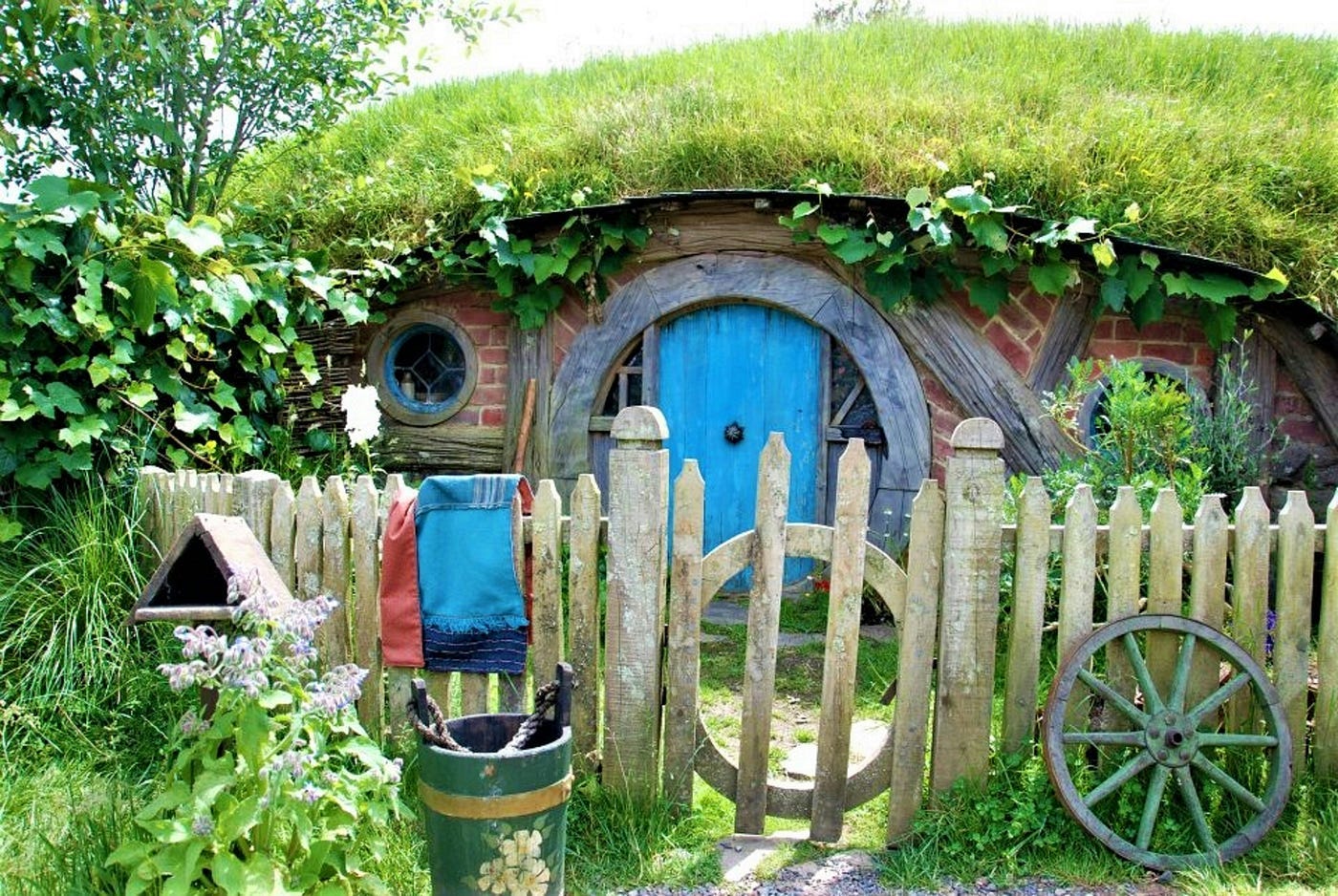
After spending five years working myself to the bone in pursuit of taking the next step in my career, all while saying “yes” to whatever plan, trip, or hangout came my way, the relative emptiness and balance in my life feels surreal in its stillness. To aid me in my pursuit of nothing, I’ve seen posts about Hobbitmaxxing this summer, and this is a trend I can get behind:
✅ wearing only earth tones
✅ no shoes
✅ taking off as many Fridays as possible
✅ deleting pints of Guinness
✅ some occasional tomfoolery
✅ epic hiking quests
✅ long bike rides
✅ hanging outside as they do in the Shire
✅ eating a second breakfast
When in doubt, do as Bilbo does.
This framework has made it mostly easier for me to say “no” to things and draw boundaries, which is mostly asking for space and time. I’ve been spending much of my days taking care of myself—yoga, hiking, reading, watching movies, occasional therapy. I’ve been content with an unoptimized, unglamorized summer. I spent this past Friday lying beneath a tree and reading a book by the water, then biking around and splitting some ice cream with my partner. What days like these allow me to do is feel fully neutral and empty, to pursue something that isn’t related to growth or doesn’t concern itself with being grid-worthy. Shackling myself to the chain of expectations or external validation, in a way, made me a suboptimal version of myself.
Despite what Jordan Peterson will ramble about the need for order to triumph over chaos, a healthy individual (and society) embraces some degree of both. The treatment is a basic regimen of self-care—dressing well, taking care of your body and mind, taking care of errands and administrative tasks, paying bills on time, maintaining a clean living space, pursuing at least one creative and physical hobby, allowing yourself the grace to fail, trying to learn new skills, and going to therapy. The easiest way to feel like a functional, fulfilled adult is to perform these adult functions, over and over again, until they feel less like a regimen and more like a routine. But all this looksmaxxing and Strava scores and supplements and avoiding seed oils and gut health and protein-packed meals and LinkedIn achievements reflects an unhealthy obsession with optimization and wellness, and it’s also a sign that we’ve forgotten how to live. Sit on a porch, have a drink with your friends, laugh your ass off, get dirt on your fingernails. It’s possible to take care of ourselves without turning our bodies into full-time corporate machines where every meal is a meeting, every workout is a KPI, and every slice of pizza requires a TED Talk about inflammation. We’ve confused health with control, status with significance, and achievement with worth. Half the internet is terrified that a cheeseburger or a missed promotion will result in the Grim Reaper waiting around the corner with a clipboard. Our bodies are more resilient than we think, but our spirits are weaker than they should be.
Nobody gets out of life alive, so the goal should be to build a life that’s worth living. We weren’t put on this Earth to be relentlessly ambitious. We exist to belong, to create memories, to have stories. To embody truth and love, to help others find belonging and satisfaction. To forego the tangible and ephemeral for the intangible and eternal. To create the ideal user experience for ourselves and for all of us orbiting the sun in the tiny ways we can.
Comments
Nothing yet. Say the first thing.
Sign in to join the conversation.