
4:47 a.m.—a full thirty-four minutes before the sun breaks the horizon. I wake to robins heralding the dawn, an hour before sunlight, their songs stitching the velvet dusk, wide, luminous eyes gathering what little light there is. Through the cranked-open windows, the bedroom fan off, robin song is inescapable—especially the one serenading from the pergola outside my bedroom. In the woods, a hermit thrush duets with himself, one bird, two simultaneous threads of music, soft, rich, and refreshing by comparison to compulsively vocal robins.
The density of daybreak: a sky on fire. Orange. Purple. Pink. Color stretches northwest above Jericho Hill and beyond—brushstrokes. Pastel purple clouds edged in pink, swirls and windrows of light. Since I cannot paint, I stand still, simply metabolizing sunrise ... my day invigorated. (Though a nap is never far off.)
5:03 a.m., uphill beyond my driveway, red-eyed vireos relieve the robins, making up in numbers and duration what they lack in volume—woodland elevator music. Southeast Alaska has been spared red-eyed vireos, a fortunate occurrence; with the nearly unending daylight, vireos would have had the opportunity to sing twenty hours a day.
Red-flowering raspberry blooms along the roadsides, petals a shade of sunrise. Fruit bland as straw. Robins like it; perhaps that’s why they sing so robustly.
A doe runs across the meadow, then dissolves into hemlock shade. Whitetails are the oldest deer species in the New World. Black-tailed deer, the species that pogo (biologists call the gait stotting) through the temperate rainforests of southeast Alaska, evolved from ancestral whitetails two million years ago. Mule deer, an open-country race of blacktails that populate the arid West, are a backcross of black- and white-tailed deer and are of hybrid origin, perhaps dating to as recently as 7,000 years ago, a byproduct of the end of the Ice Age, thousands of years after the domestication of dogs. Even red brocket deer of Mesoamerica evolved from ancestral white-tailed deer: a generous spread of DNA, and, in the case of mule deer, another example of the importance of hybridization in the evolution of animals—once thought of as the realm of plants alone.
A flock of more than thirty common grackles, a dark cloud—a shaft of autumn through the heart of summer—noisy and nosy. They are all over my deck and lawn, lining the railing and the backs of the porch furniture, cleaning up spilled sunflower seeds—long-tailed, iridescent, garrulous shopvacs. Most of what they eat is a gift from the three-year-old black bear that walked across my deck and took down my feeder yesterday, spilling seeds everywhere. When I appeared on the deck, the bear sauntered off like a familiar dog, slow and methodical, downhill toward my neighbor’s berry patch.
Among the birds: mourning dove, cooing in on the naked, uppermost branch of a roadside maple; tree swallow; blue-headed vireo; house wren; black-capped chickadee; tufted titmouse; white-breasted nuthatch; red-breasted nuthatch (chicks fluttering at the feeder almost fly into my face); American crow (three pester a broad-winged hawk); common raven; bluejay; wood thrush; grey catbird; eastern bluebird; common yellowthroat; ovenbird; black-throated green warbler; pine warbler; indigo bunting; cedar waxwing; song sparrow; chipping sparrow, recently fledged (still fluffy), hopping on the road, paying me no mind; dark-eyed junco (which fledged all four chicks from the plant hanging from my pergola); red-wing blackbird; eastern towhee. Clouds of American goldfinches, a meadow on the wing.
Thirty-two bird species, one mammal (and the aftermath of yesterday), and the first monarch butterfly of the season—a living inventory of dawn. Each carrying its own long story, each a brief, bright edit in Earth’s ongoing poem.
When species merge. The past is not a still life. Less a museum than a restless studio. It revises itself, crosses its own bright lines, flickering, editing, engulfing boundaries. Species wander into each other, leave traces, vanish, and reappear in altered form. A jawbone in the permafrost, a strand of inherited code in a living bear or human—each a footnote in an unfinished saga, a reminder that nothing living is ever truly complete.
Animal species are not, never have been, fixed. They are unfinished works of evolution—planetary art, impermanent, constantly edited by the biotic and abiotic forces that accompany them. Recent discoveries in animal genetics, spurred by the Human Genome Project, reveal that hybridization plays a greater role in the origin of species than ever imagined. Once my ancestors left Africa, they mated with Neanderthals, incorporating Neanderthal genes that account for 1 to 4% of most Caucasians' genetic load—genes that still influence our modern immune systems and metabolism.
Exchange of genetic information does not necessarily involve mating, either. Transposable genetic elements may be passed around by parasites, ticks, and mosquitoes, for instance. May enter the host species' DNA. And become incorporated (for better or worse). Better aids survival. Worse contributes to extinction. Nothing lasts forever.
A few cool examples, made cooler by time: modern brown bears, which include grizzlies, rose from dim vaults of European caves—those steep-forehead bears painted in ochre on walls at Chauvet—then backcrossed with them, carrying 0.9 to 2.4% cave bear DNA like a faint, ancient watermark. Columbian mammoths were born of a successful hybridization between steppe mammoths and woolly mammoths, their story written into tusk and bone. And Columbian mammoths and woollies kept interbreeding right up to the end of the Ice Age, 11,000 years ago. DNA from fossils of both species suggests that 35% of the woolly mammoth genome was shared with that of Columbian mammoths. Mostly male Columbian and female woolly, a union supervised by the aurora.
Polar bears evolved from Irish brown bears less than 100,000 years ago, possibly along the Siberian coast. Now climate change brings them into contact again on northern islands off Alaska. Warmer winters bring brown bears north; earlier receding sea ice draws polar bears to the shore. Brown and white find each other (again) and mate—female polar bears, male brown bears. The cubs survive, pale ghosts of what’s coming, perhaps a glimpse of the future.
On the Haida Gwaii archipelago, off the coast of British Columbia and southeast Alaska, a fourth species of North American weasels steps into view: the Haida Gwaii ermine, carrying in its small, bright body a splice of Europe and North America; its DNA is a braid of two short-tailed weasel species, resorted and fixed by isolation.
Last night, I read an essay in Living Bird, the quarterly magazine of the Cornell Laboratory of Ornithology, “When Evolution Painted Warblers YELLOW.” Deep genetic research shows that a million years ago a gene variant in the family of New World warblers, Parulidae, surfaced and spread, quietly painting trees yellow: common yellowthroat, northern yellow, prairie, magnolia, northern parula, Cape May, Kirtland’s, hooded, mourning, Wilson’s, Kentucky, to mention a few—branches full of echoes from a single change.
From that work, the warblers’ genetic family tree was assembled, the most complete to date. Its conclusion was simple and astonishing: genes had flowed between species through hybridization, even between different genera; all contained the variant labeled BCO2. One small gene, traveling from bird to bird, from forest to forest, tinting the continent with a wash of yellow—another brushstroke in evolution’s long, unfinished painting.
Science unravels the past and casts light on the improbable and opulent interconnections among species. A living, adhesive memory of Earth’s long, layered, and unfinished story.
On the western fringe of North America, or why the diversity of species and landscapes blows my mind. What a privilege to be here.
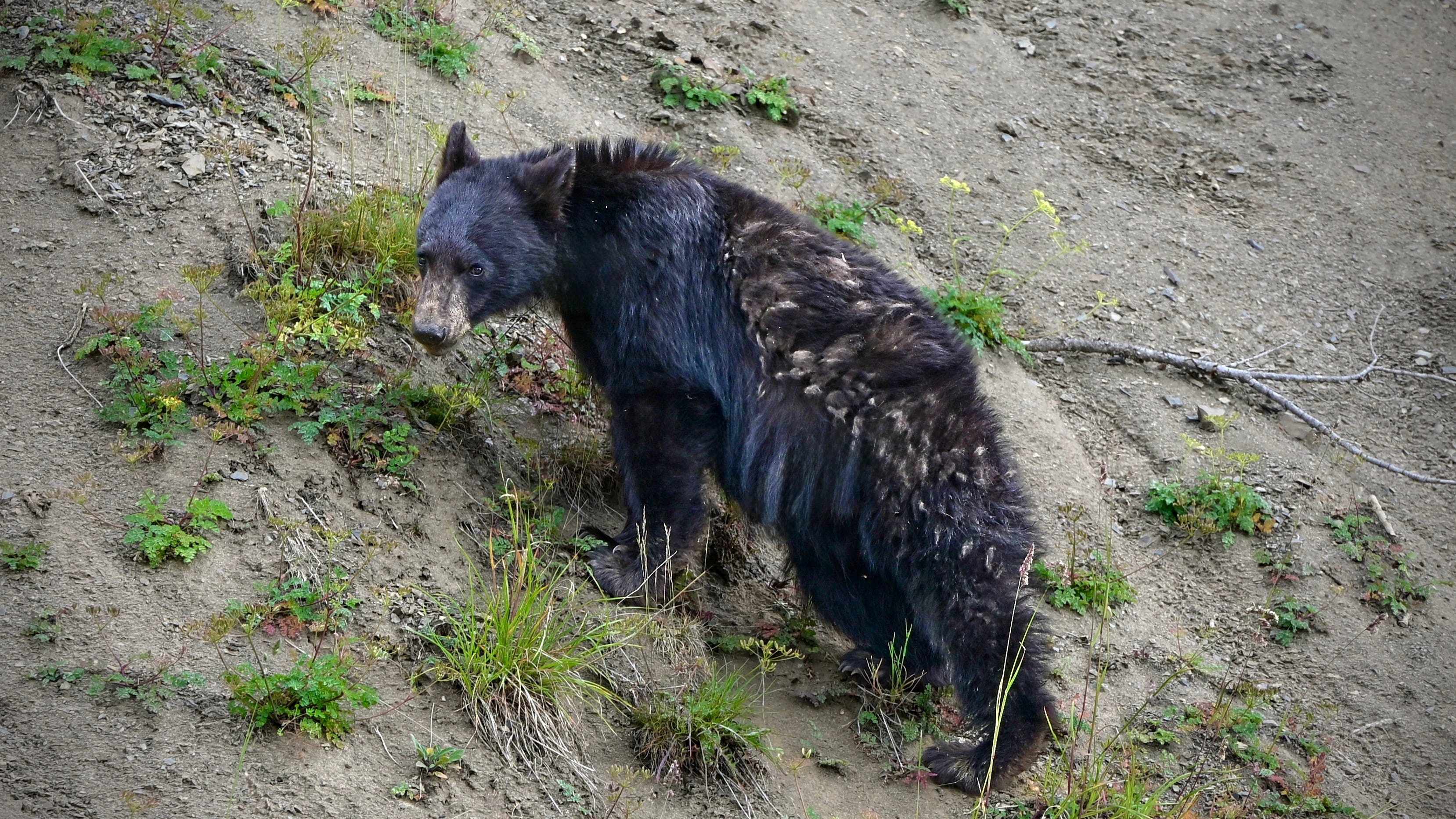
Black bear shedding and grazing, Olympic Peninsula, photo courtesy of Casey Levin
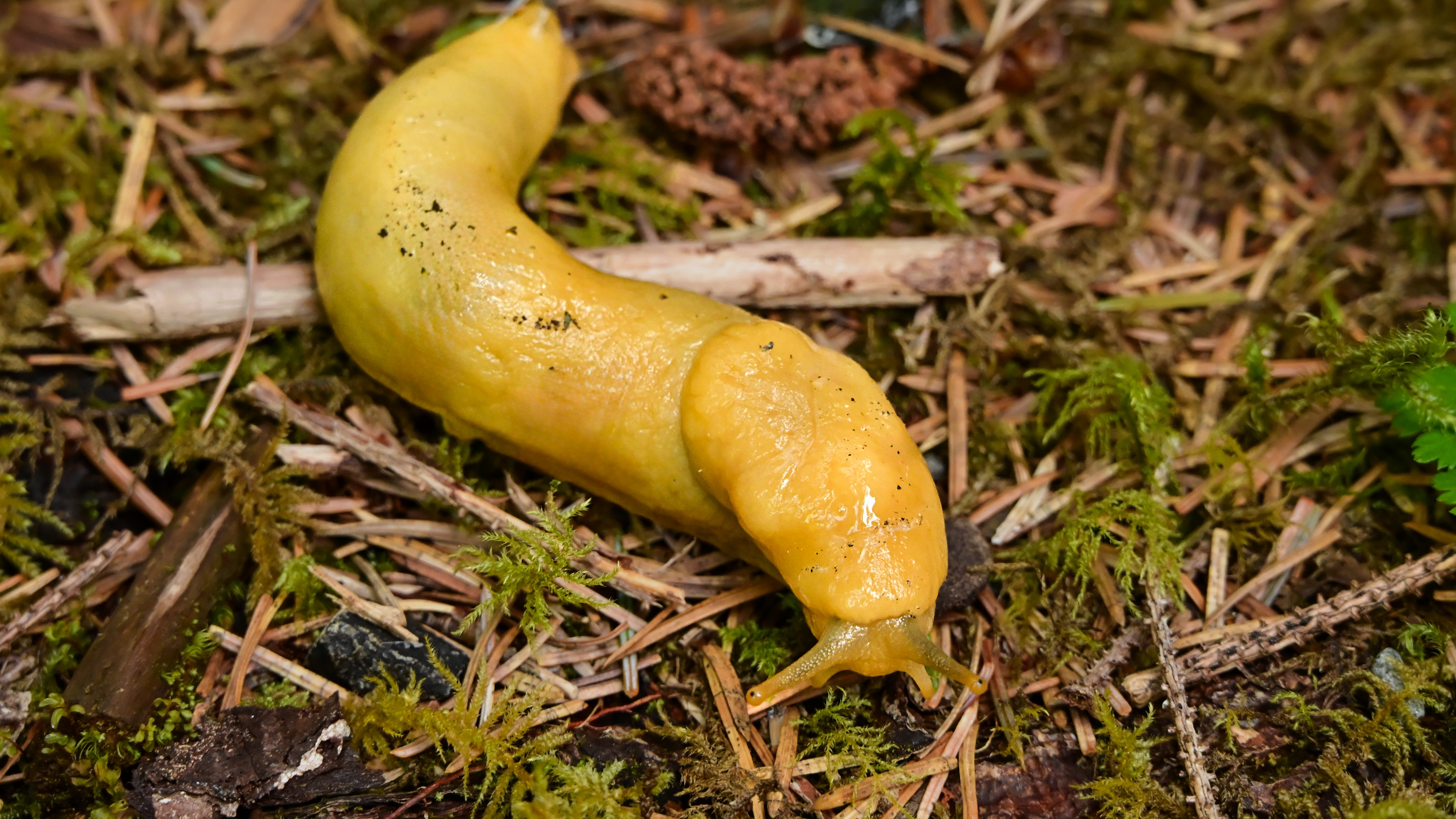
Banana slug, a hermaphrodite, Olympic Peninsula, photo courtesy of Casey Levin
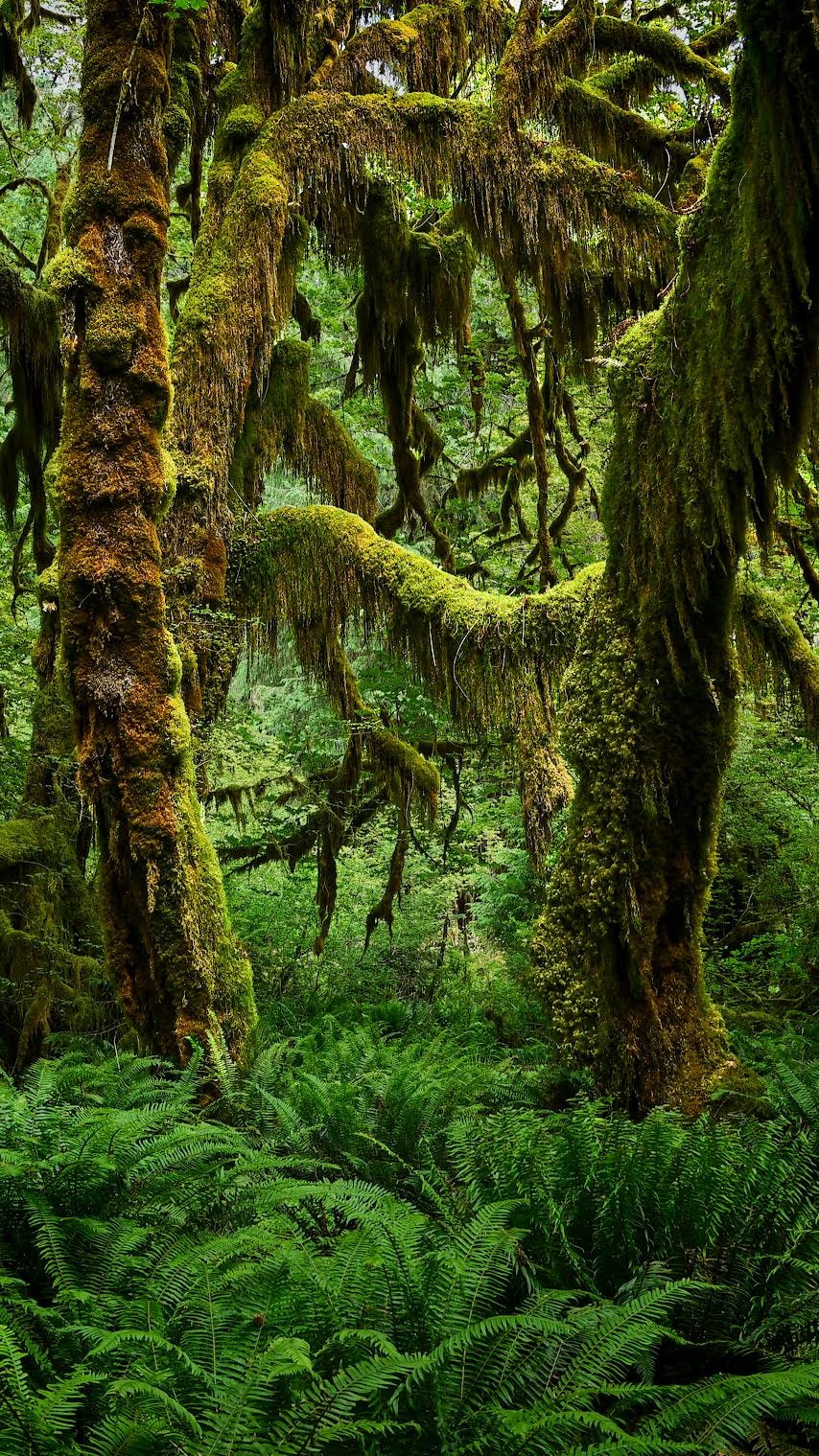
No wonder slugs grow nine inches long, moss hangs in curtains, and salamanders never reach the ground. Hoh Rainforest, Olympic Nat’l Park.
Photo courtesy of Casey Levin
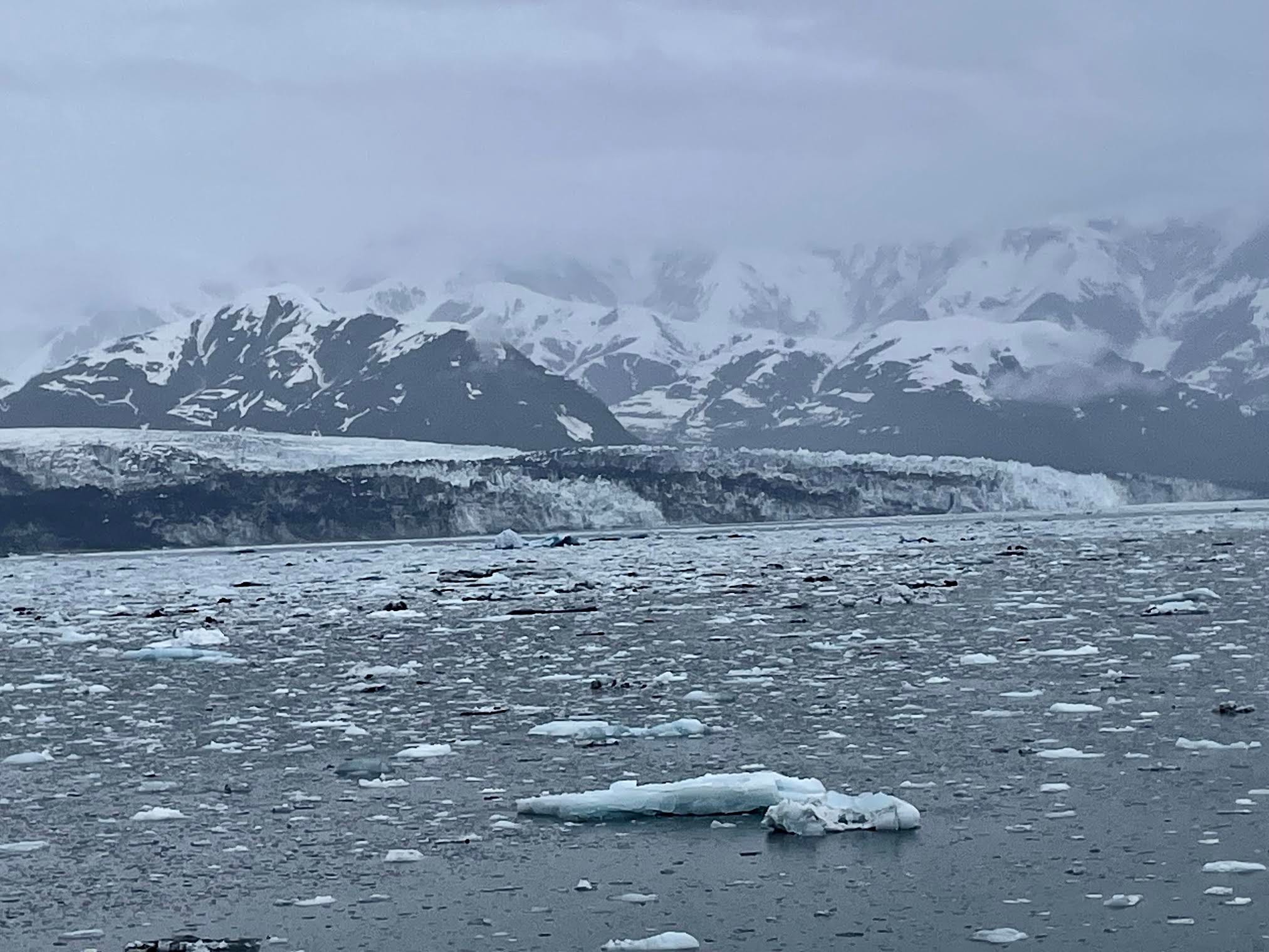
As viewed from a cellphone, Hubbard Glacier, 76 miles long, 6 miles wide … and growing. Wrangell-St. Elias Nat’l Park, Alaska — Kluane Nat’l Park, Yukon.
A consideration: Watching and writing are how I still make my way in the wide world. Your support matters. Thank you all for sticking with me on this journey. Revel in the ripening of summer and the breathtaking expanse of our continent.
As a lifelong naturalist and Yankee fan, I follow a trail blazed by John Burroughs and John Muir, neither of whom paid much attention to baseball. My work has appeared in Houghton Mifflin’s The Best American Sports Writing, Audubon, Sierra, Sports Illustrated, National Wildlife, OnEarth, National Geographic Traveler, National Geographic Books, Yankee, The New York Times, Newsday, The Boston Globe, The Chicago Sun-Times, The Guardian, and The Daily Telegraph, among other publications and anthologies. For twenty-four years, I was a regular commentator on Vermont Public Radio, and occasionally on NPR. I am the author of Backtracking: The Way of a Naturalist (1987), Blood Brook: A Naturalist’s Home Ground (1992), and Liquid Land: A Journey Through the Florida Everglades (2003), among other works of nonfiction. I received the Burroughs Medal in 2004, the highest literary honor awarded to an American nature writer. E. O. Wilson called America’s Snake: The Rise and Fall of the Timber Rattlesnake (2016) a beautifully written book [that] demonstrates just how good nature literature can be.
Beginning on 14 March 2020, the day after I returned home from Costa Rica, at the onset of the pandemic lockdown, I started writing a daily journal—part natural history, part memoir, and part commentary—that appeared here on Substack. Since the 25 August 2021 post, I have edited the 526 entries (deleting, combining, modifying) into a new book, The Promise of Sunrise: Finding Solace in a Broken World, which Green Writers Press published on the vernal equinox of 2025.
From: Seven Days
Ted Levin, Green Writers Press, 400 pages. $21.95.
A pissed-off woodpecker flies in and screams...
When COVID-19 crashed into his life in 2020, naturalist Ted Levin began taking a walk each day at sunrise through the woods and wetlands around his home in Thetford. His walks begat a daily blog and now a lyrical book that brings to life the world of efts and otters, warblers and wrens, chickadees and coyotes. Engaging natural history lessons — loon semen and mammoth bones make an appearance — weave through the daily entries, and slowly the reader also learns the story of the author’s life.
Levin’s writing can be extraordinarily vivid: Coyotes “hurl their voices at the crescent moon”; a bobcat has a face “like a soiled, fraying softball”; chickadees are “four maestros working on a score.” Writing such as this demands to be read as one reads poetry, in small sips, to be fully savored.
—Candace Page.
No posts
Comments
Nothing yet. Say the first thing.
Sign in to join the conversation.