

Why on earth would NTU, one of Singapore’s top universities, choose to die on a metaphorical hill based on a one-liner in course notes? Especially after the aggrieved party pointed out on Reddit multiple times that it wasn’t made clear whether AI could be used for sorting references.
After looking at NTU’s crisis communications statements, it is a timely reminder for all organizations to avoid external communications based on internal communications norms. This article will recap key inflection points of this ongoing saga and highlight where a business-as-usual approach isn’t enough and “requires a leader to mitigate the impact of a crisis under conditions of high uncertainties and tight time constraints,” as stated in a crisis leadership course also taught by this particular instructor.
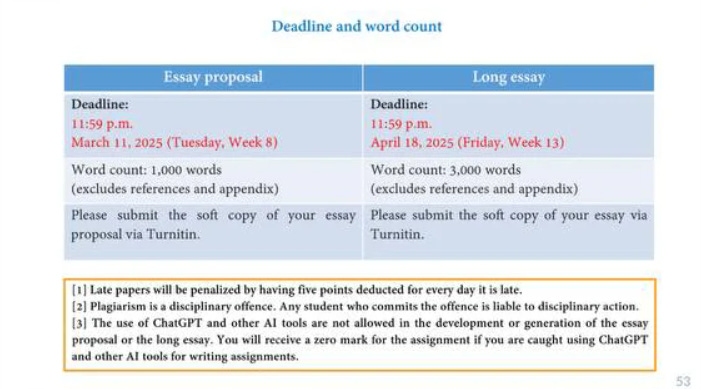
TLDR recap and brief analysis
One of the three students penalized for AI misconduct by their instructor, recounted her experiences on Reddit, claiming the accusation stemmed from the use of a citation sorter to alphabetize her references and reference errors. Analysis: There’s a power disparity between a university and its students and NTU collectively chose to ignore the students’ explanation to slap punitive penalties, including a permanent academic warning for committing academic fraud that may impact their job prospects.
Question to ask: Given the negative impact on these students, how could NTU not have foreseen that the students were going to Reddit their grievances? From a crisis communications perspective, it would have been ideal for NTU to level up, avoid punching down, show concern and take steps to address the students’ feedback, such as holding off penalties while sorting out its internal processes.
Subsequently, the local media reported extensively, and NTU issued a statement on 24 June clarifying its position on the use of AI in education, without addressing how it assesses citation or reference errors and the rules regarding citation generators. Analysis: In NTU’s statement, there was no mention of any review, while the three students were also cast in a negative light, as it cites examples where AI usage was permitted.
Question to ask: Why not mention that these students’ appeals were being reviewed again? After all, it was almost certainly being done since NTU met two of the students within the next two days. Any subsequent review might be perceived as a self-serving reaction to ongoing criticism, to avoid negatively impacting NTU’s reputation and future admissions.
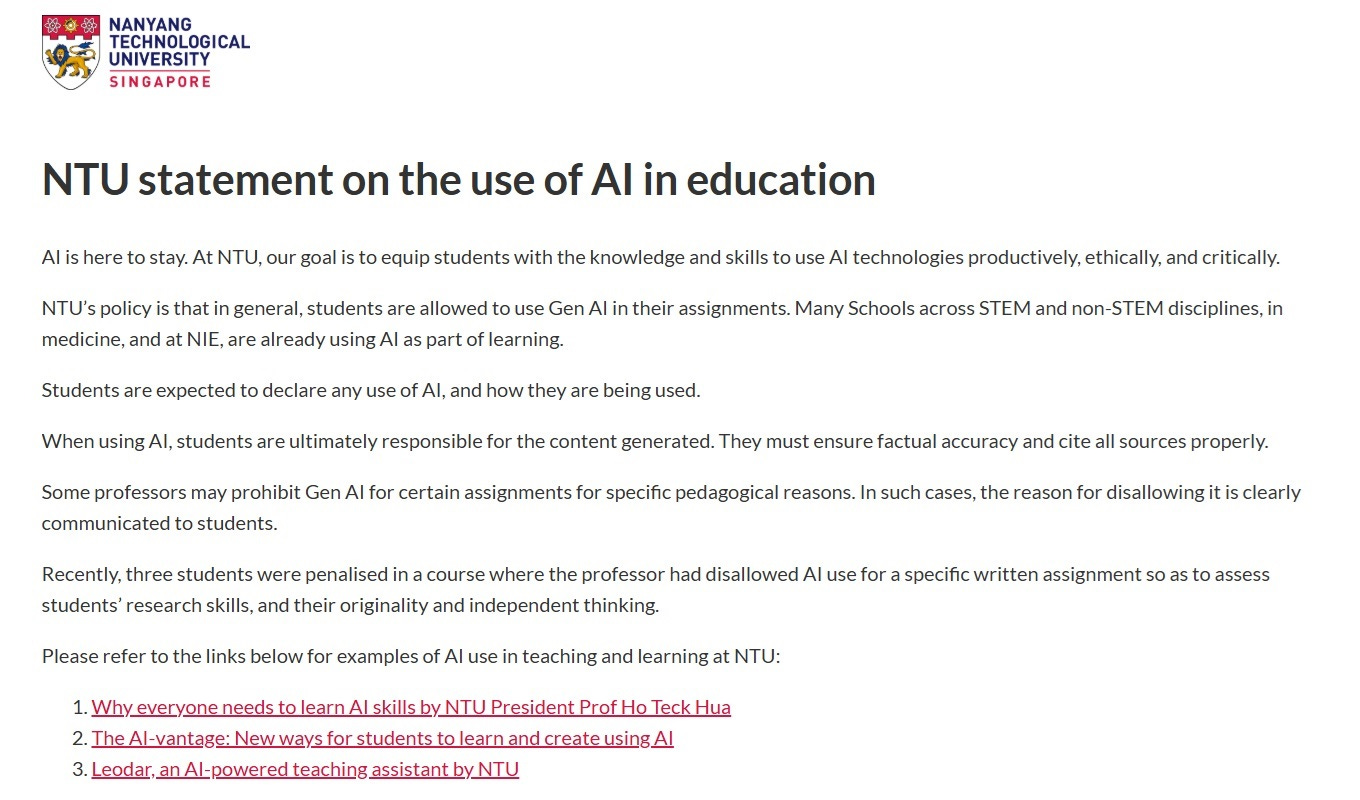
Source: NTU In an unfortunate coincidence, it was reported on 26 June that NTU had met two of the students in separate face-to-face consultations to discuss their cases on the same day a vendor published a case study that quoted Alvin Ong, NTU's Chief Information Officer, saying its Lyon Bot student assistant upgrade powered by GenAI saved “14.5 days' worth of work every month. This allows our staff to focus on tasks that require human insight and creativity.” Analysis: Folks who see both pieces might oversimplify and note that students might also wish to focus on tasks that require more creativity.
Question to ask: Why did NTU not ask the rest of its departments to delay the release of any GenAI-related communications and case studies? It’s a bad look and another example of a business-as-usual approach while NTU is taking unusual and perhaps disproportionate measures, such as convening an AI expert panel to potentially de-escalate this situation.
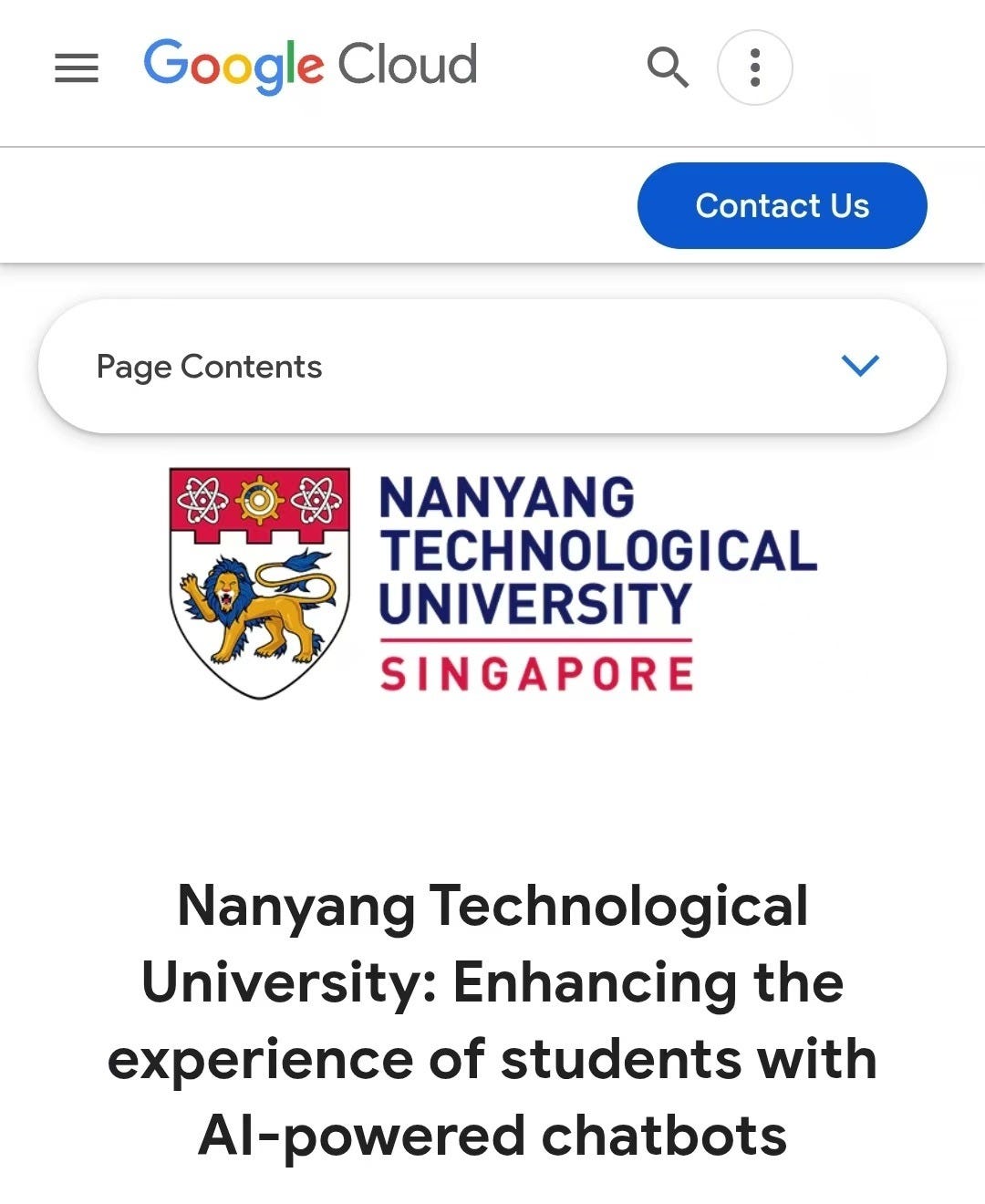
Source: Google
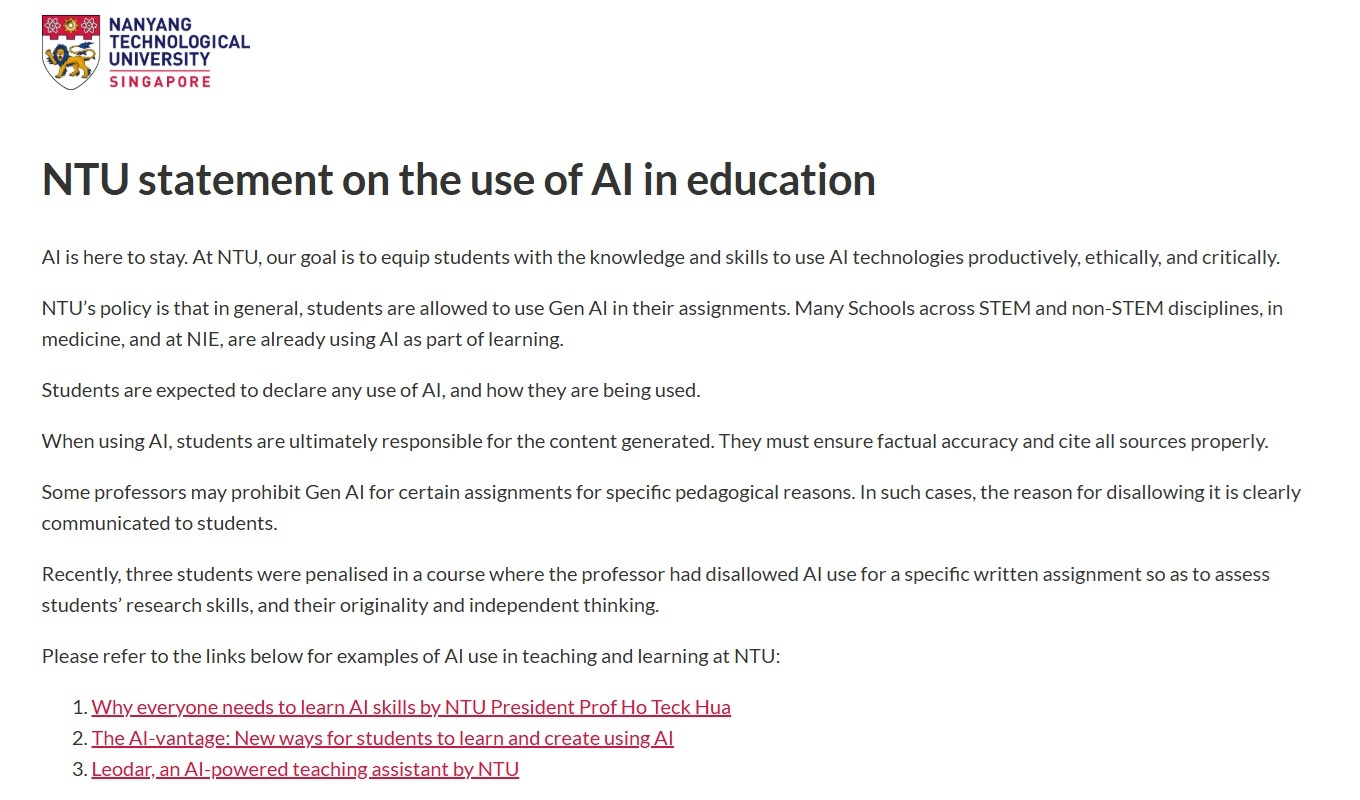
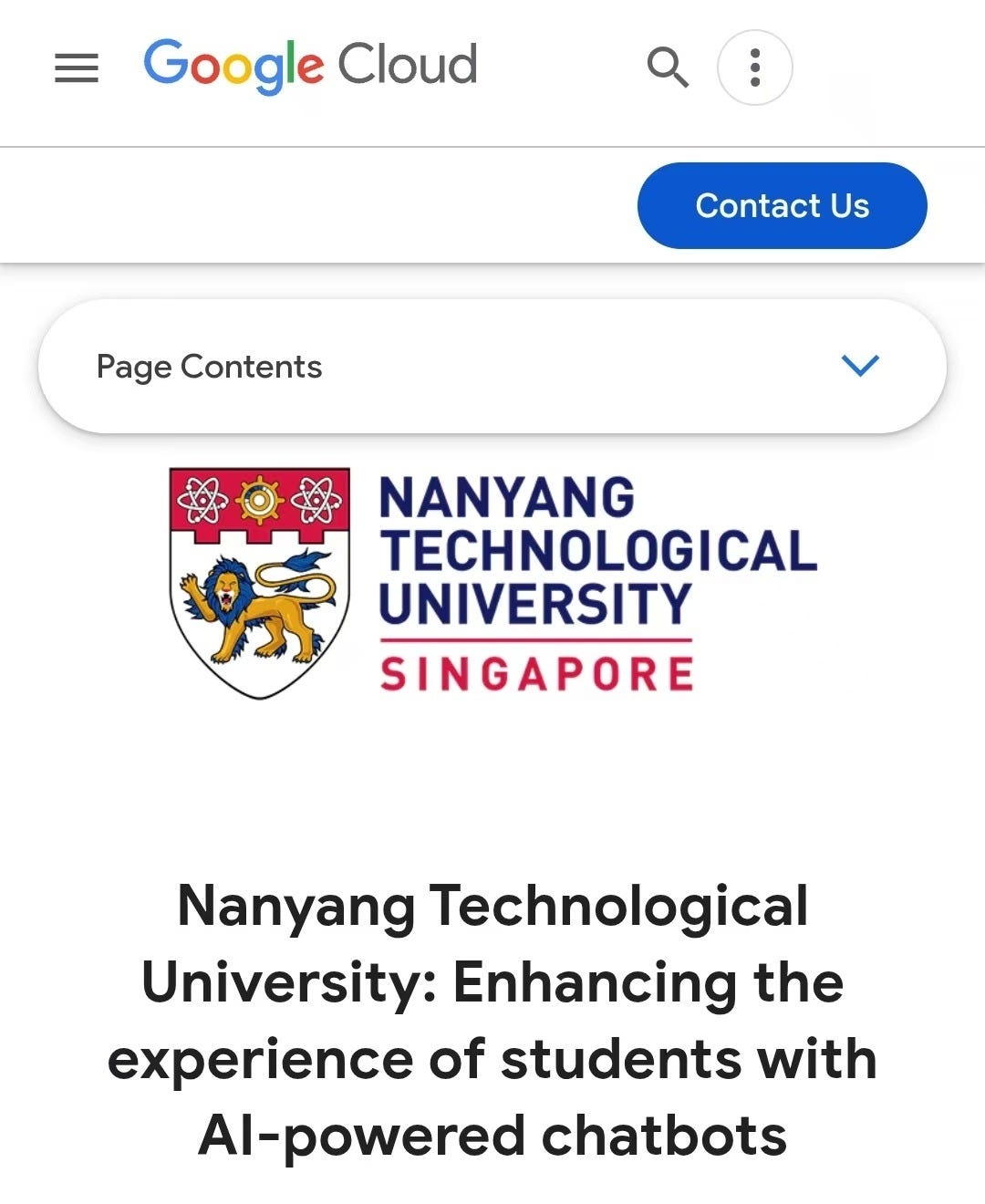
Functioning “under conditions of high uncertainties and tight time constraints”
It is difficult for anyone to step away from internal communications norms that don’t meet the moment when a crisis unexpectedly emerges, accompanied by uncertainties and tight time constraints. Therefore, I suggest that when PR professionals work on an issue that might have the potential to escalate into an active crisis that negatively impacts your corporate brand, here’s a set of questions to walk through, as suggested by Gini Dietrich:
What’s the worst thing that could happen?
Is this scenario an issue or a crisis?
How big is our risk?
Can it be prevented?
What would escalate it to a crisis?
Who needs to know and when?
To avoid potential blind spots, I will also suggest that your team go through these questions together. If an organization does so, it will hopefully provide greater concern, clarity, control, competence and empathy to manage potential issues and crises.
About the author
JX (Jaxon) Tan founded Momentum AI Communications, a boutique PR consultancy based in Singapore, with a mission to simplify science and spark engagement. He previously led international communications at a leading biotech company and was head of content (APAC) for PR Newswire. Reach him on LinkedIn.
Thanks for reading The Tao of Communications! This post is public so feel free to share it.
Comments
Nothing yet. Say the first thing.
Sign in to join the conversation.