
Tokyo has an extraordinarily extensive public transport network. For sightseeing, trains, subways, and buses are often the easiest way to move around the city. And then, for the last part of almost every journey, you walk.
After years of guiding custom tours in Tokyo, I have started to notice something that feels slightly odd.
On a typical six-hour tour covering some of the city’s major sights, we often end up walking more than ten kilometers.
Ten kilometers.
There is nothing wrong with walking, of course. It is good exercise, and there can even be a certain satisfaction in looking back at the distance you have covered at the end of the day.
But the number has stayed with me.
Why does sightseeing in a city with such an efficient public transportation system involve so much walking? And does covering more ground necessarily make for a better day?
This week, I would like to start with that simple question.
One reason we walk so much in Tokyo is that the city makes it easy to keep going.
For a city this large, Tokyo is unusually walkable. Streets are generally safe, public transportation is usually close at hand, and there is often a convenience store, café, vending machine, or toilet nearby.
The city is also dense. Walk a few hundred meters and something else appears — a shopping street, a shrine, a park, another station. None of these distances feels particularly long.
That is how ten kilometers happens.
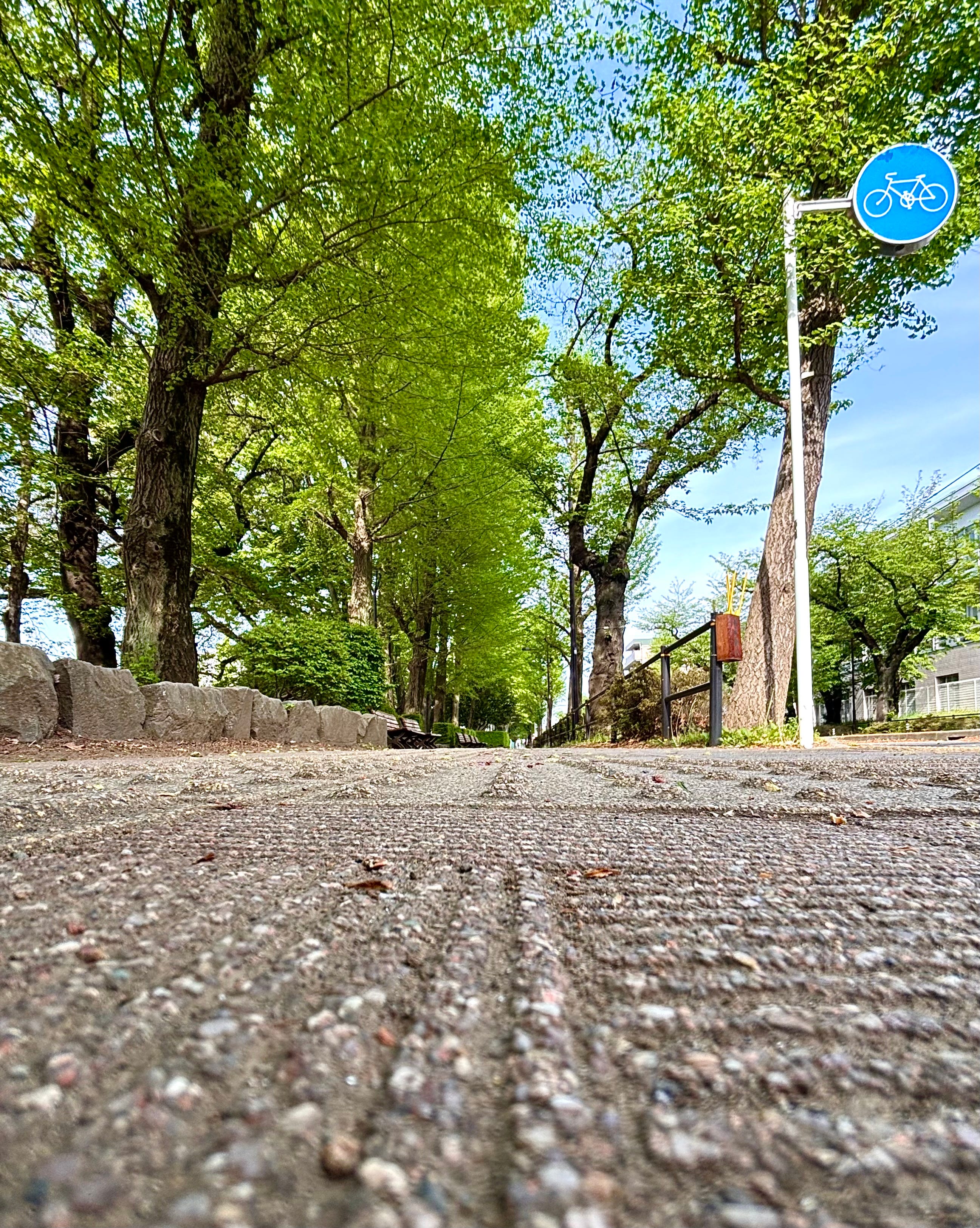
Nobody sets out in the morning intending to walk ten kilometers. It comes in pieces: three hundred meters here, five hundred there, another ten minutes because something interesting is just around the corner.
Some of that distance is almost invisible. Beneath the city, a network of stations and underground passages spreads out like an anthill.
That is the paradox: Tokyo is so easy to walk that it is also easy to walk farther than you intended.
Taking a train should mean walking less.
In Tokyo, it often means walking somewhere else.
A smartphone can tell you which train to take and where to change. What it does not convey very well is how much walking can be folded into that journey.
Transfer signs sometimes tell you that the next line is still 300 or 400 meters away. That does not sound like much. Repeat it a few times during the day, and it begins to add up.
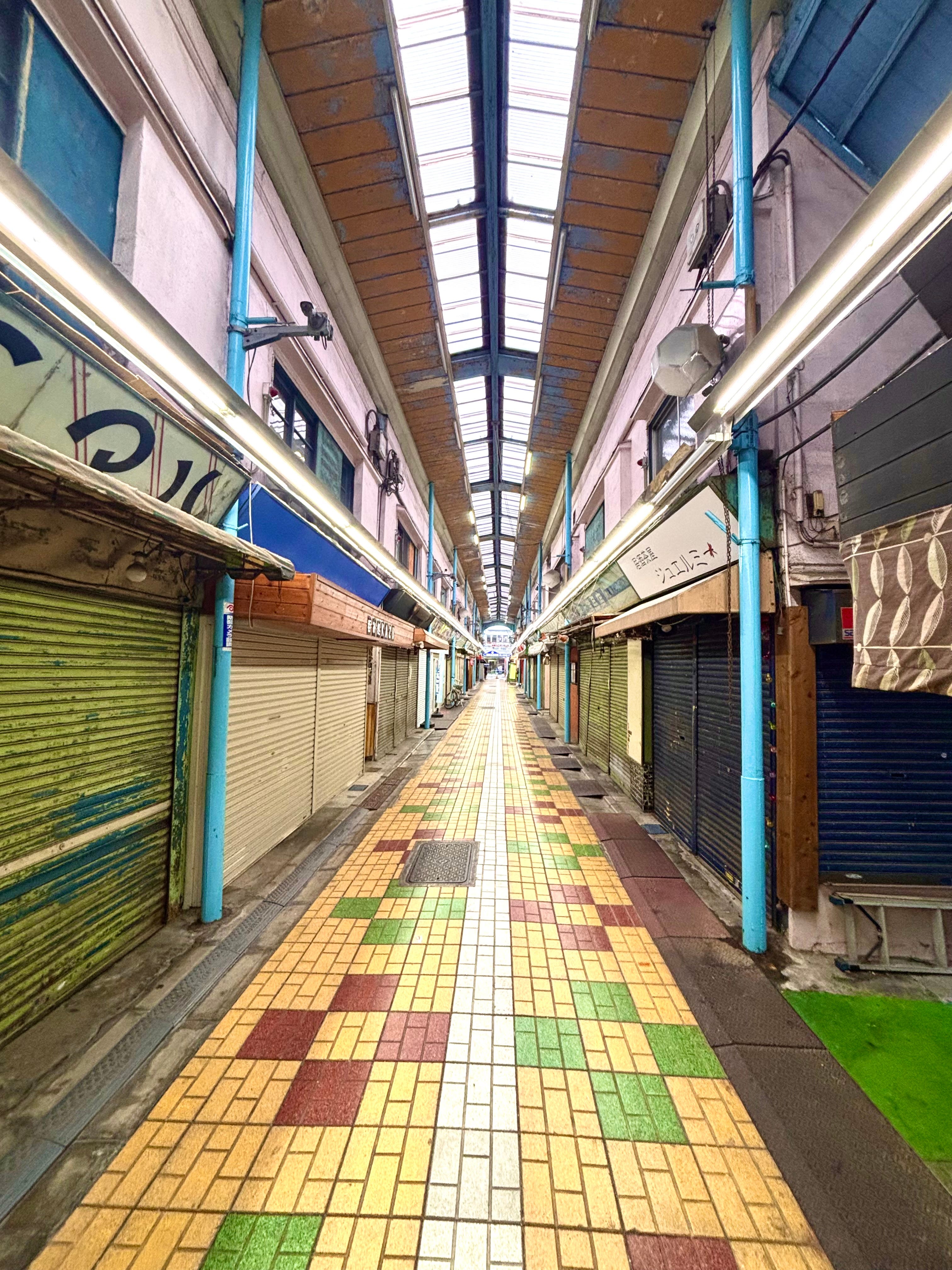
Then there are the exits. You can reach the station and still be several minutes from street level. Take the wrong exit, and another stretch of walking is easily added.
Much of that distance barely registers as walking. In our heads, it belongs to the train journey.
Public transport does not eliminate walking. It just makes some of it easier to overlook.
That is how a day spent taking trains everywhere can still end with 18,000 steps on your phone.
And once you finally reach the sightseeing spot, another kind of walking begins.
A sightseeing destination may look like a single point on a map.
In reality, reaching it often means another walk is about to begin.
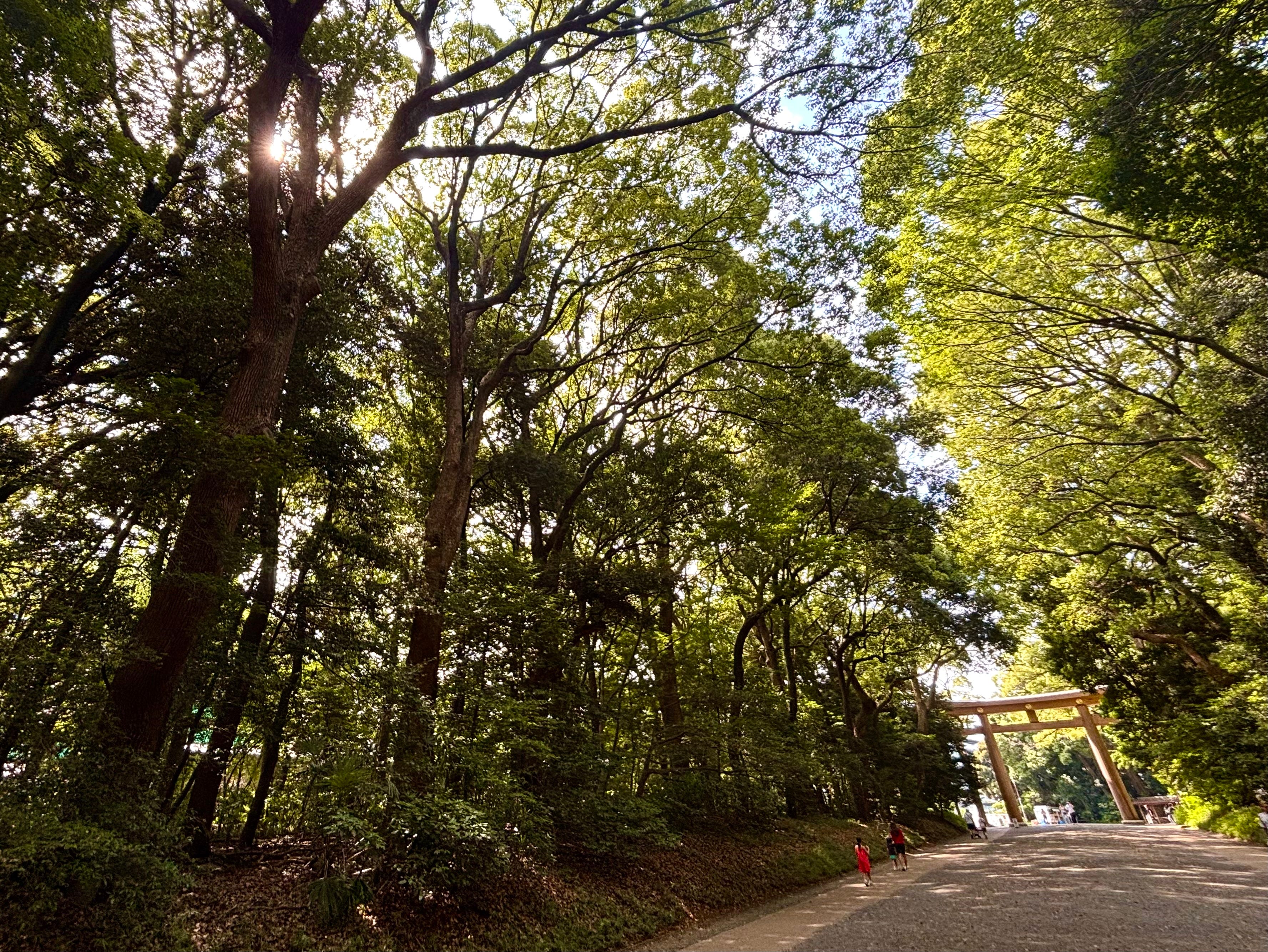
Take Meiji Jingu. From Harajuku Station, you enter the grounds and follow the long forest approach to the main shrine buildings — and eventually walk back again. That alone can add more than two kilometers.
Now add the Imperial Palace and Asakusa.
Then add a shop you stopped to look at, a photograph you went back to take, and all the small distances in between.
None of this feels like a particularly long walk.
By the end of the day, it adds up.
A fairly typical six-hour sightseeing day can reach eight or nine kilometers — and sometimes pass ten before you notice.
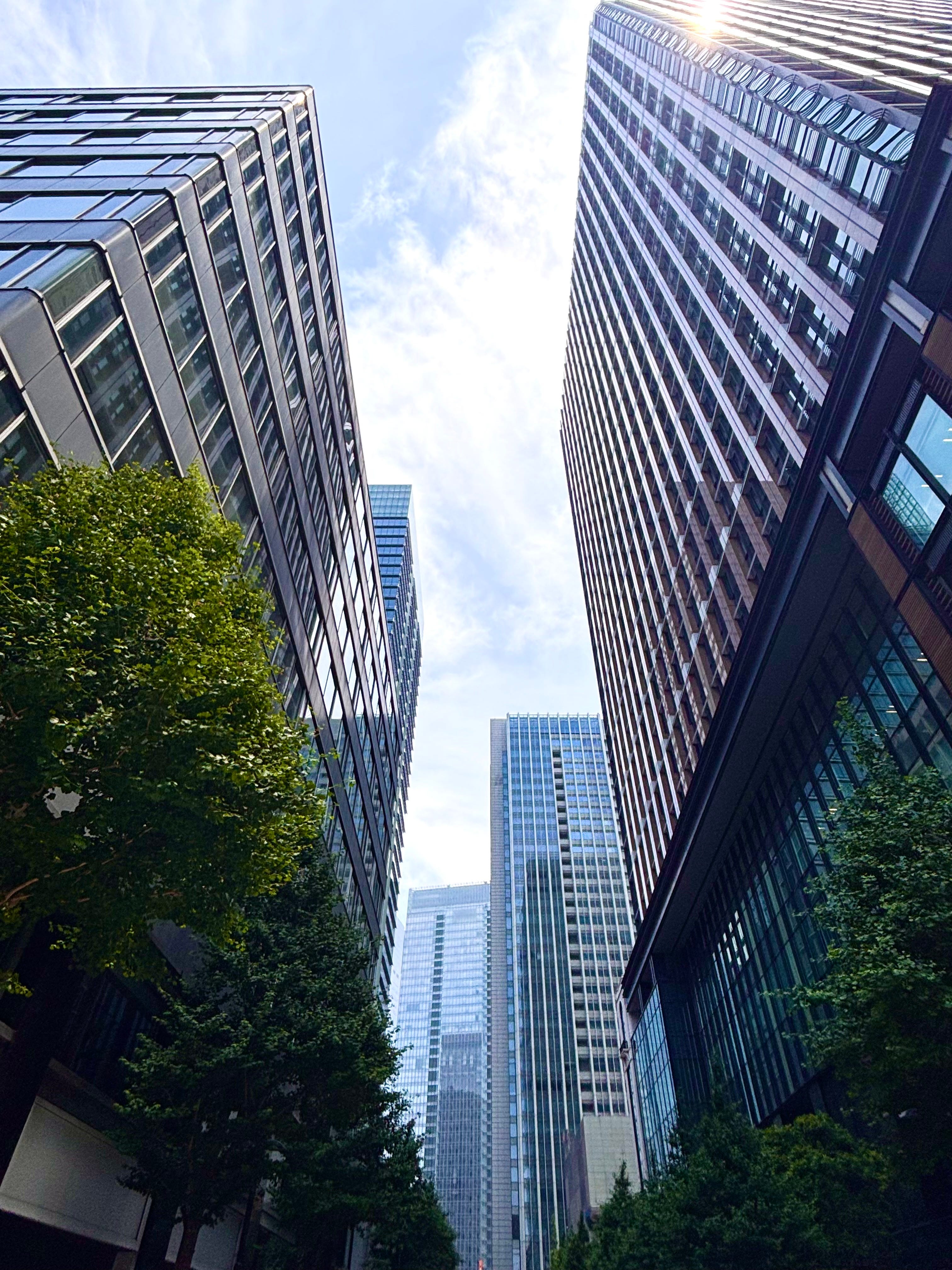
Which raises a more useful question: not “Can I walk ten kilometers?” but “How should I use those ten kilometers?
I have started to think of those ten kilometers as a walking budget.
If ten kilometers is a comfortable limit for you, that does not mean your itinerary should use all ten. You might plan for seven and leave the remaining three in reserve.
The exact number is not important. For me, leaving around 30 percent unused feels about right.
A walking budget is a limit, not a target.
That reserve is there for the distances you did not plan for: a long transfer, the wrong station exit, a small detour, a shop that catches your eye, or somewhere you suddenly decide to explore.
In summer, this matters even more.
Ten kilometers in April is not the same as ten kilometers in Tokyo in August. Heat, humidity, shade, crowds, and the time of day all change how that distance feels.
A morning walk through the trees at Meiji Jingu can feel very different from the same distance across an exposed part of the city in mid-afternoon.
In summer, when you go can matter almost as much as where you go.
The walking budget needs to change with the conditions, too. A long outdoor section might be moved to the morning. A short taxi ride may save energy for somewhere that matters more. A break can be part of the itinerary rather than something added only after everyone is tired.
And there is another reason to leave some of that budget untouched: it makes room for something you did not plan.
When I was a child, my walk to and from school was not very long.
But I rarely went straight home.
I stopped to look at things. I took small detours. Something along the road would catch my attention, and a simple walk home became something else.
Some of those small moments are still with me decades later.
In Japanese, we have a word for this: michikusa.
It means lingering along the way — stopping or wandering a little instead of going straight to where you are going.
Travel needs a little michikusa, too.
If you like to plan your own day but still follow whatever catches your eye, leaving part of your walking budget unused has another purpose.
It leaves room for curiosity.
A narrow street you had not planned to enter.
A small shrine you did not know was there.
A shop that makes you stop.
Or simply a place where you decide to stay a little longer.
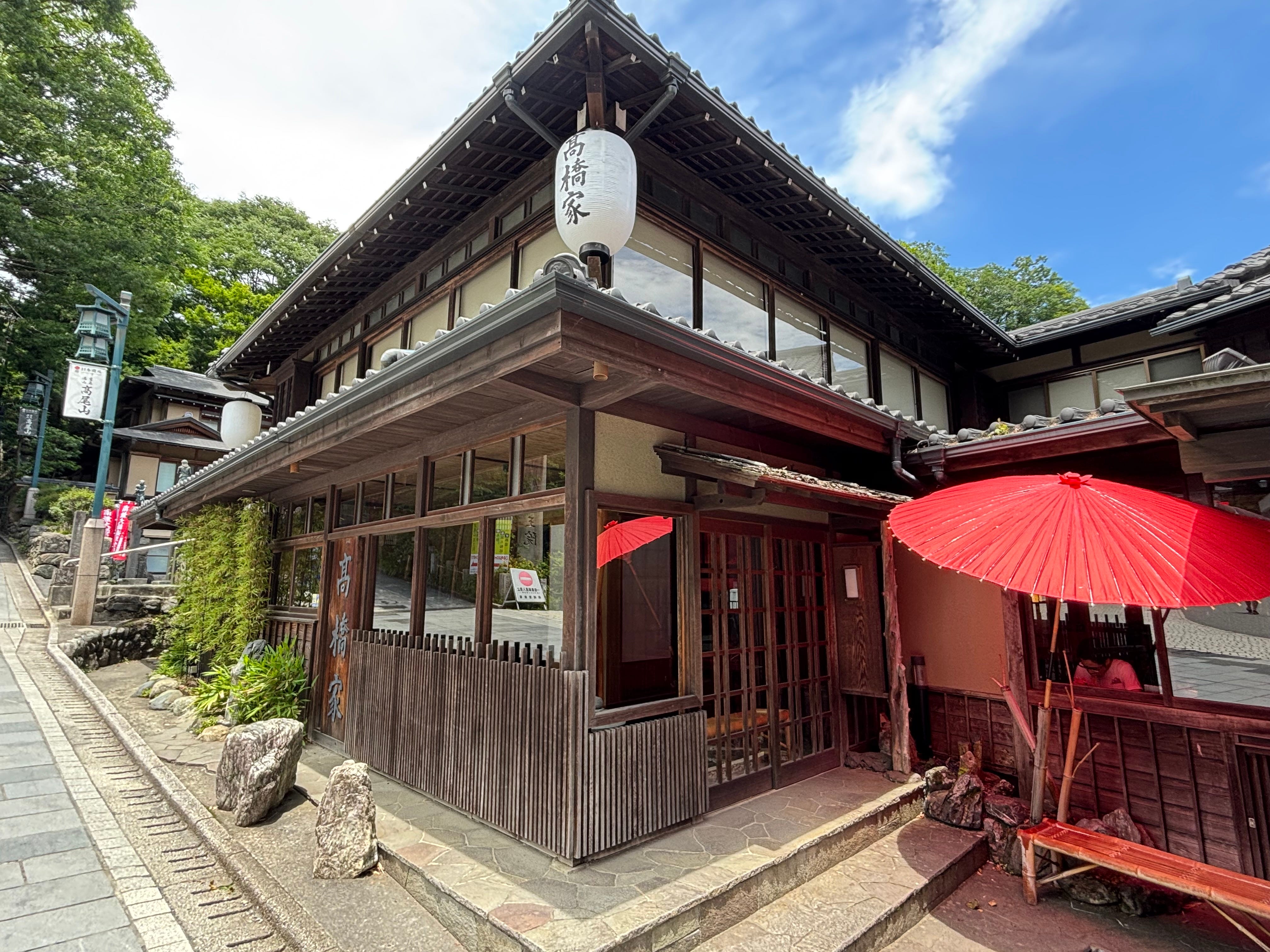
These moments are hard to put into an itinerary.
Maybe that is why they stay with us.
A full itinerary is not necessarily a full experience.
Leaving part of the walking budget unused is not about seeing less. It leaves part of the day open to something you did not plan.
The point is not just to walk less.
It is to leave some of the walking unplanned.
For me, a good day in Tokyo leaves a little room for michikusa.
Comments
Nothing yet. Say the first thing.
Sign in to join the conversation.