
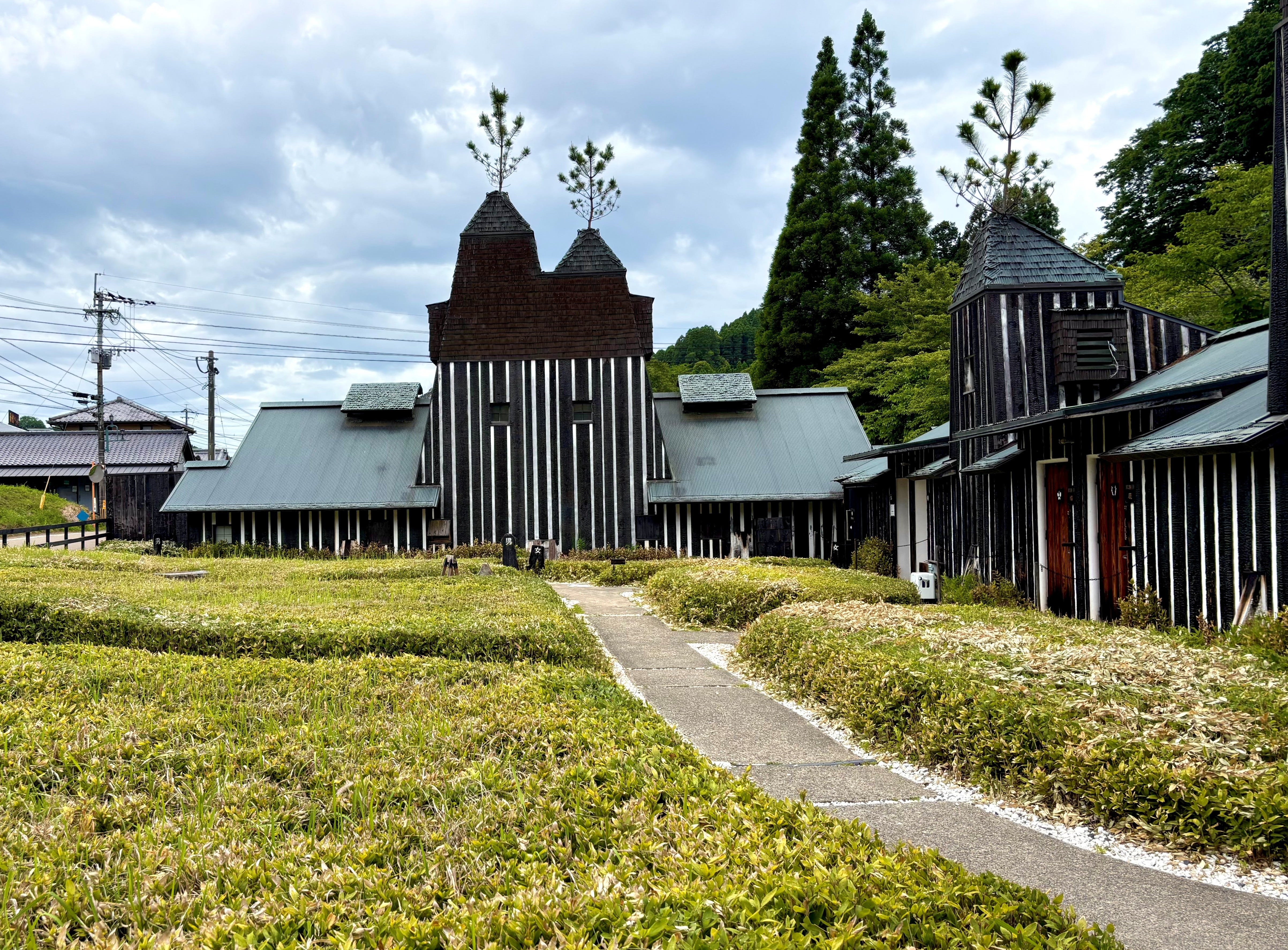
My wife and I never tire of hot springs. Whenever we are in Beppu and have time to travel a little farther, there is one place we never want to miss.
My wife always says the same thing there:
“I could stay in this bath all day.”
The water is not especially hot. There is no dramatic steam rising from it. In winter, the first touch can even feel surprisingly cold. But after a while, my body begins to settle into the water. Soon, instead of wondering how long I can stay, I find myself wondering why I should get out at all.
This week, I would like to look more closely at this unique and deeply comforting place—and at what makes Lamune Onsen so different.
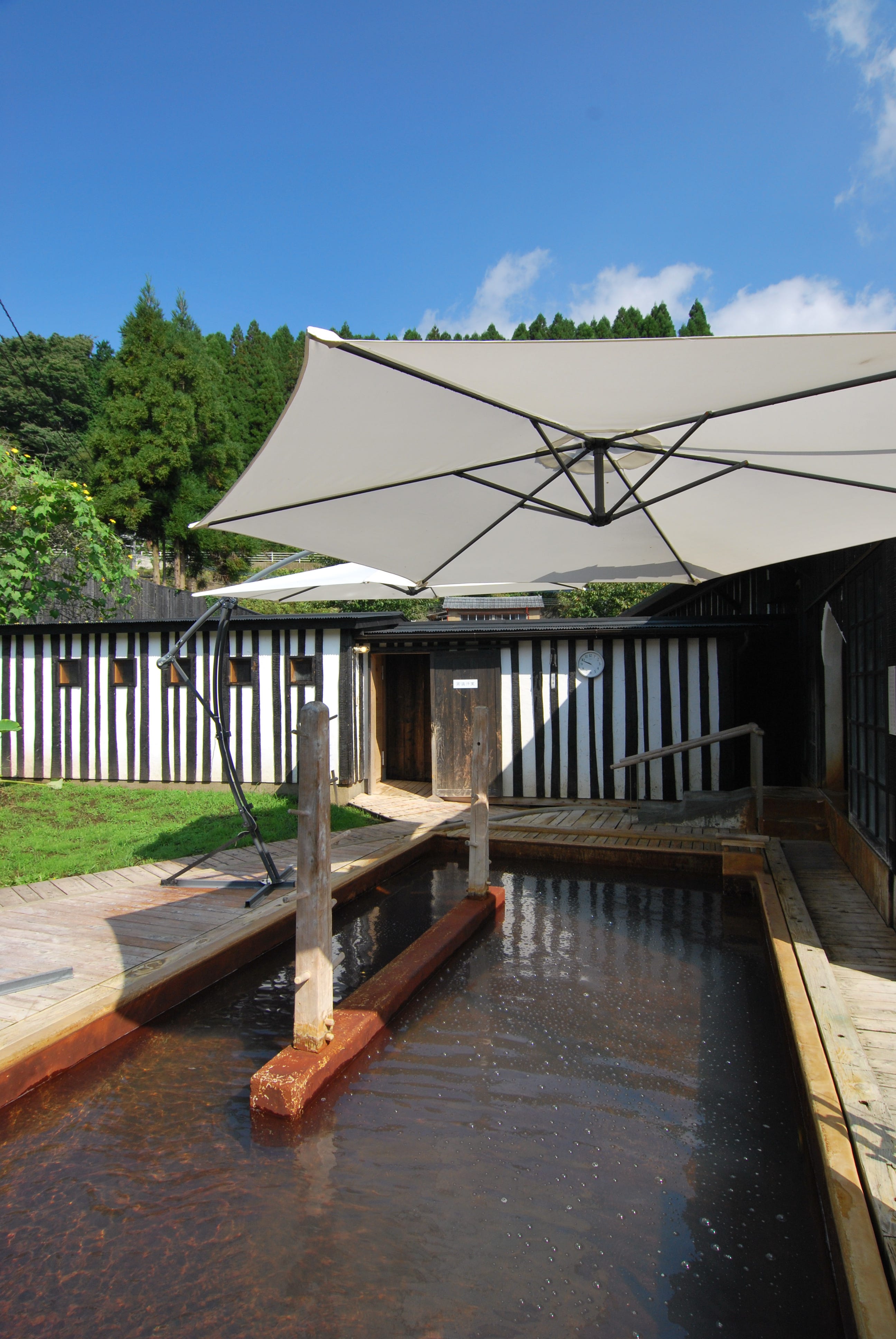
The first surprise is the temperature.
In winter, stepping into the outdoor bath takes a little courage. The water feels far too cool for a Japanese hot spring. There is no sudden rush of heat, and for the first few moments, my body seems to resist it.
But if I stay still, the discomfort slowly fades. My breathing settles, and the water begins to feel natural around me.
A few minutes earlier, I was wondering how long I could tolerate it. Soon, I am in no hurry to leave.
The next surprise appears on the skin.
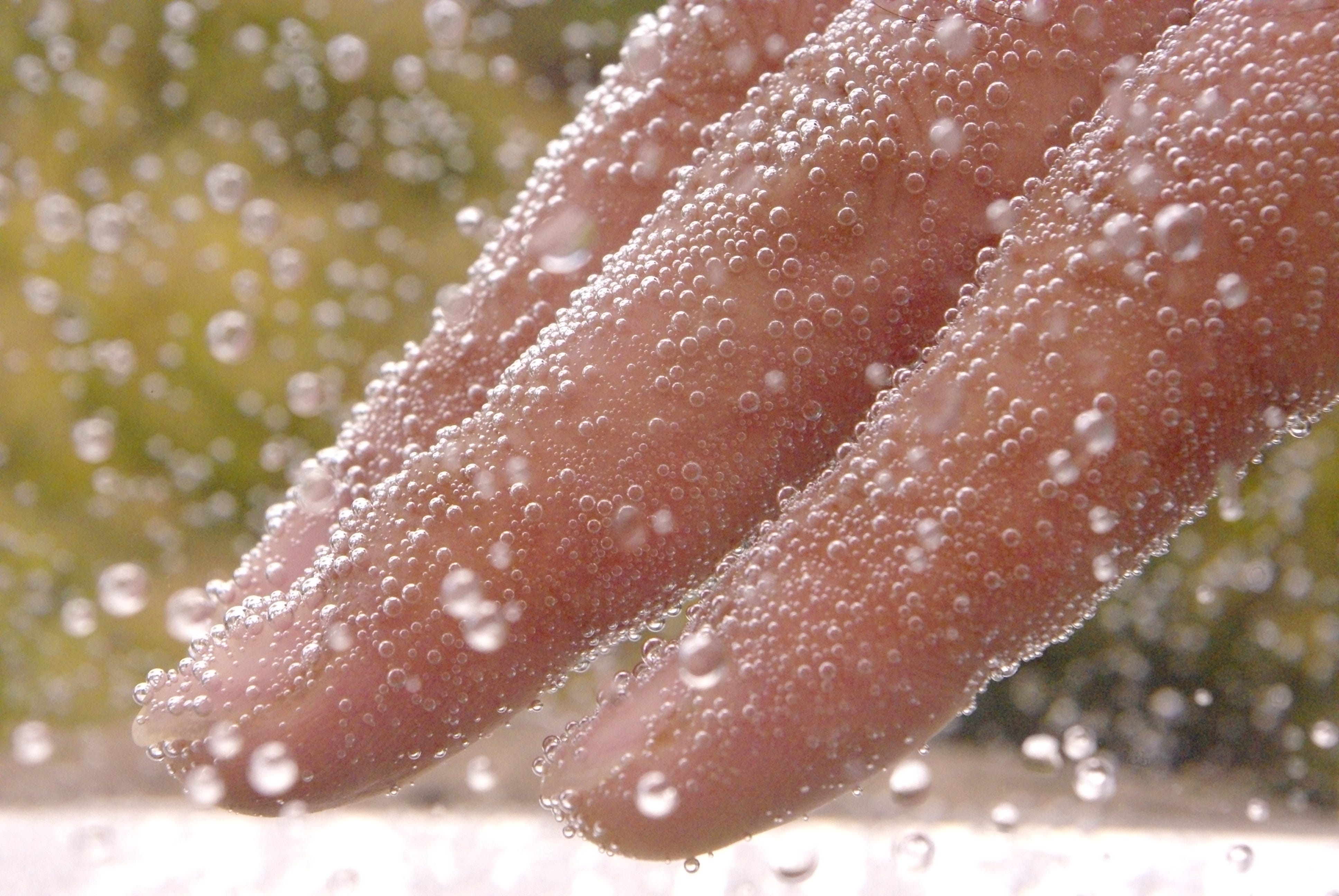
Countless tiny bubbles gather on my arms and legs. When I brush them away, more slowly return.
Then the name begins to make sense. The spa uses the English spelling Lamune Onsen, referring to ramune, the familiar Japanese carbonated soft drink. The word does not literally mean “bubbles,” but to many Japanese people it immediately suggests fizz and carbonation.
Here, the bubbles are not trapped inside a glass bottle. They are forming all over the body.
The water still does not feel hot. Yet a quiet warmth begins to spread.
The bubbles are carbon dioxide naturally dissolved in the spring water.
The carbonated spring itself emerges at around 32°C. Its coolness is natural.
As water becomes hotter, carbon dioxide escapes more easily. The low temperature helps more of it remain dissolved in the water, where it later forms tiny bubbles on the skin.
Carbon dioxide can also increase blood flow near the surface of the body. This may help explain the unusual sensation: the water feels cool, while the body gradually feels warmer.
Lamune Onsen does not warm you through force. Its effect is quieter.
A very hot bath eventually tells the body when it is time to leave. The heat builds, the face grows warm, and staying becomes an effort.
Lamune Onsen does not impose that rhythm.
People sit, move a little, talk, fall silent, and simply let time pass. There is no obvious point when the bath feels finished.
The water is not something to endure. It is something to settle into.
The experience is not limited to the cool outdoor bath.
Inside, the water is hottest near where it enters and gradually becomes gentler farther downstream. By moving only a short distance, I can feel the temperature change across my whole body.
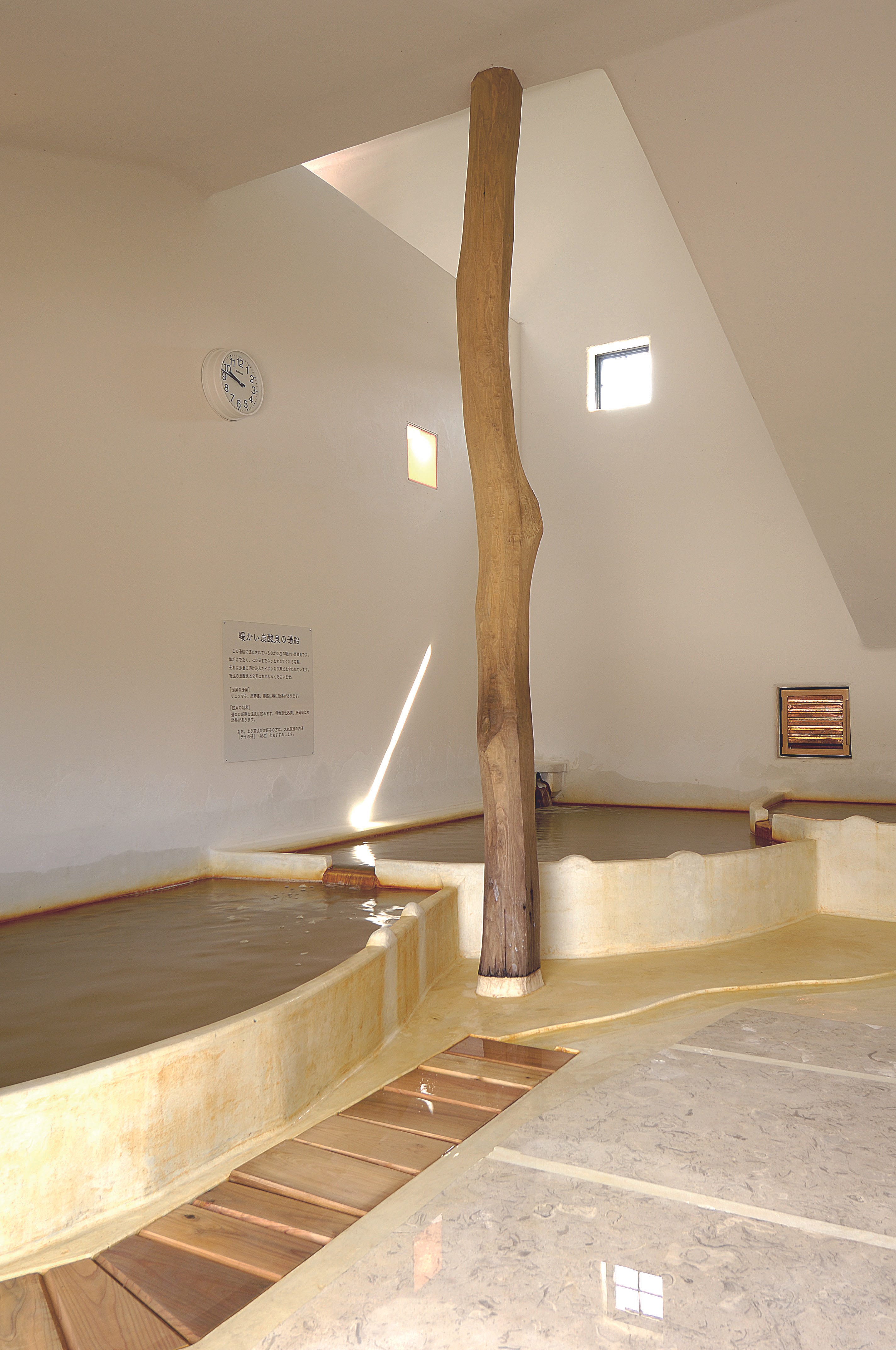
From there, I return to the cooler carbonated bath outside. Hot, warm, lukewarm, then cool—the body begins to choose what it needs without much thought.
After moving between these different temperatures several times, I stop paying attention to how long I have been there.
Perhaps this is one small part of Japanese onsen culture: placing the body in changing water until the passage of time begins to dissolve into the bath itself.
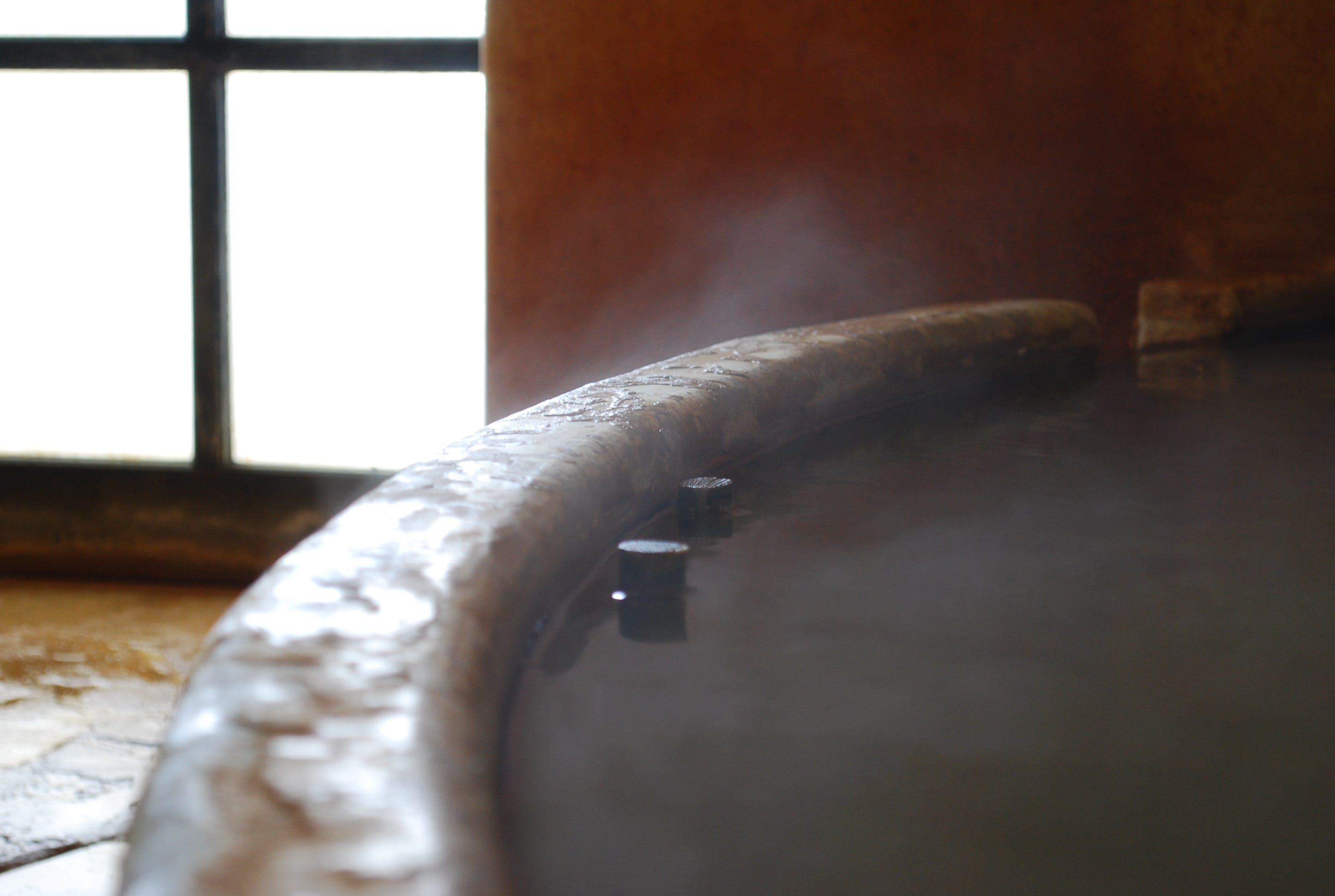
The final surprise comes after I leave the water.
I dry myself and get dressed. Only then do I notice that a gentle warmth is still rising from somewhere inside my body.
It feels like a contradiction. I have spent much of the time in water that was barely warm, yet I do not feel chilled. The warmth is not intense. It is steady, quiet, and somehow deeper than I expected.
The bath may be over, but the body is still responding.
That quiet warmth, arriving only after the bath is over, seems to capture the Lamune Onsen experience better than anything else.
The Japanese name Nagayu suggests a long bath. Whatever the history behind the place name, it feels entirely appropriate here.
The bubbles gather. The temperatures shift. Time becomes less important.
By the time I step back into the world outside, I am no longer in the water, but something of it stays with me.
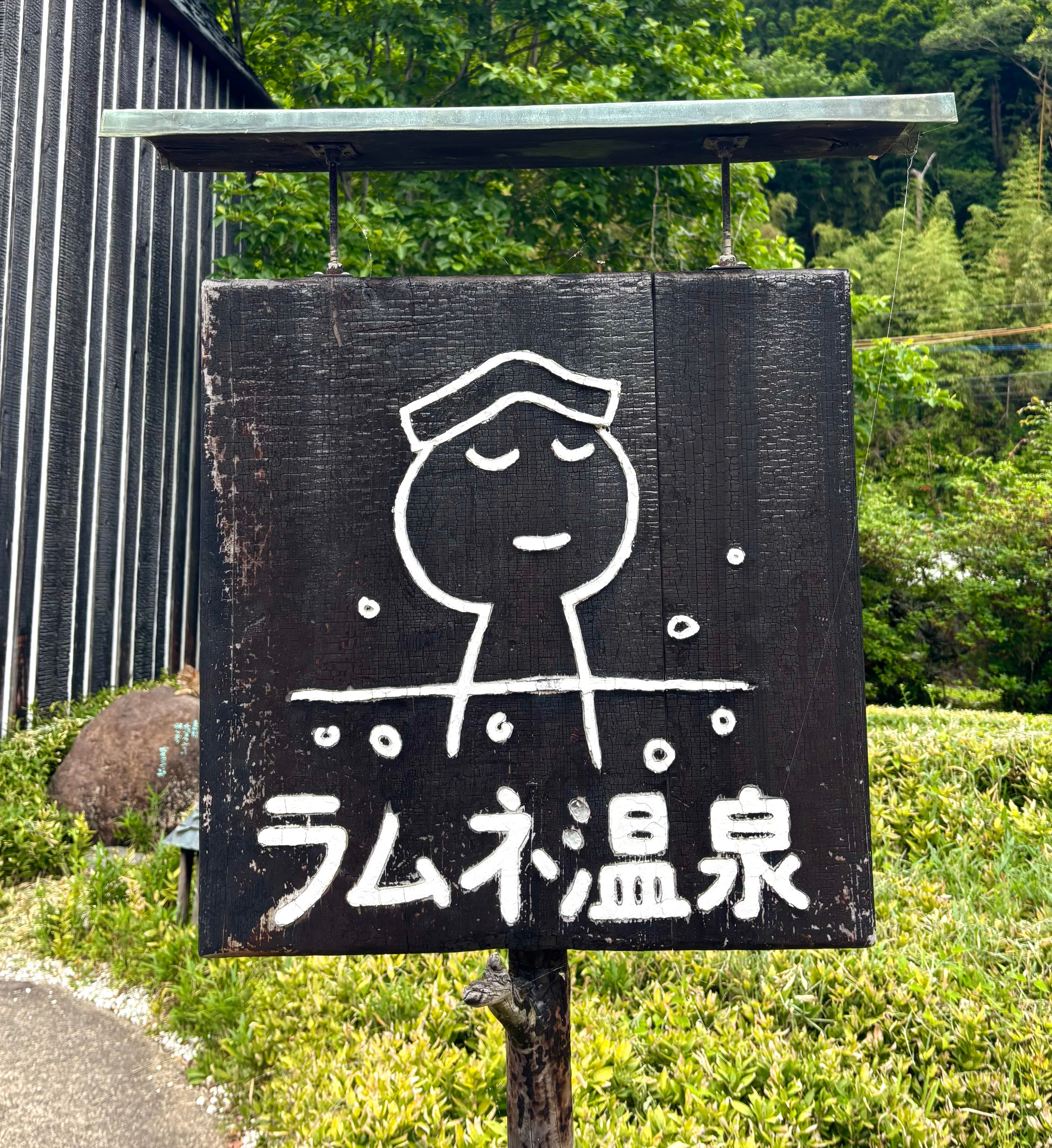
Photo note: The cover photograph and the photograph of the sign are by the author. All other photographs are courtesy of Lamune Onsen-kan.
Comments
Nothing yet. Say the first thing.
Sign in to join the conversation.