
This is the last piece from the ‘Vid Argentina’ series. It’s also the hardest to write. I am known to quit right at the finish line. It might be an unfortunate personality trait, or perhaps a curse from my gymnastics coach when I quit the year I was meant to go to the Olympics – ‘you will never finish anything you start’, he had said to me. I still leave many books with the last fifteen pages unread and have many projects that are ninety percent done. Perhaps this is the exact reason why I am able to run a restaurant without losing my mind, since restaurants are never quite finished, ever.
This is the last of the writings from the Argentine wine trip series, but it actually covers my first wine visit on the trip. I am finishing backwards, my way to close the deal, to seal an amazing and expansive trip. It doesn’t end here….
‘Mandame un whatsapp cuando dejes el asfalto’. Pancho had sent me a whatsapp, asking me to text him when the car left the paved road and now was that time to text. I felt it in the vibration of my hands on the steering wheel. Here we go. ‘Dani, could you please text Pancho that we have left the asphalt?’. My palms were already starting to sweat a little. Pancho wanted us to text because for the next hour and a half, there would be no reception and no paved road. It was about to rain. If he saw that more than two hours would pass, he would drive down to get us. Barreal, where Pancho’s project ‘Cara Sur’ is located, is three hour drive North from Mendoza airport, in the Calingasta Valley of San Juan. It is near nowhere, nor on the route to any other wine maker we would visit on the trip, yet here we were. All wine folks I talked to confirmed with me this is something I ‘must do’. In fact, it was my friend Miguel Viseu, wine maker in Vinho Verde Portugal whom I admire deeply the one who told me that seeing Pancho was a must. Not just him, when organizing visits with other wine makers in Mendoza, they asked if I would make the trek to see Pancho. So when a wine maker tells you to drive three hours the opposite direction from them, you go, because, what is going on over there? Where is everyone sending me to?
‘You make the hike to Berreal as an introduction to the soil and the mountains of Argentina, its your way to go deeper in’ Brian, importer from Brazos had told me. Everyone pointed me this direction and I was repeating these affirmations as I drove down this dirt road with no connection, in the middle of fucking nowhere. All to chase down a wine, a taste, a place….wine people are insane.
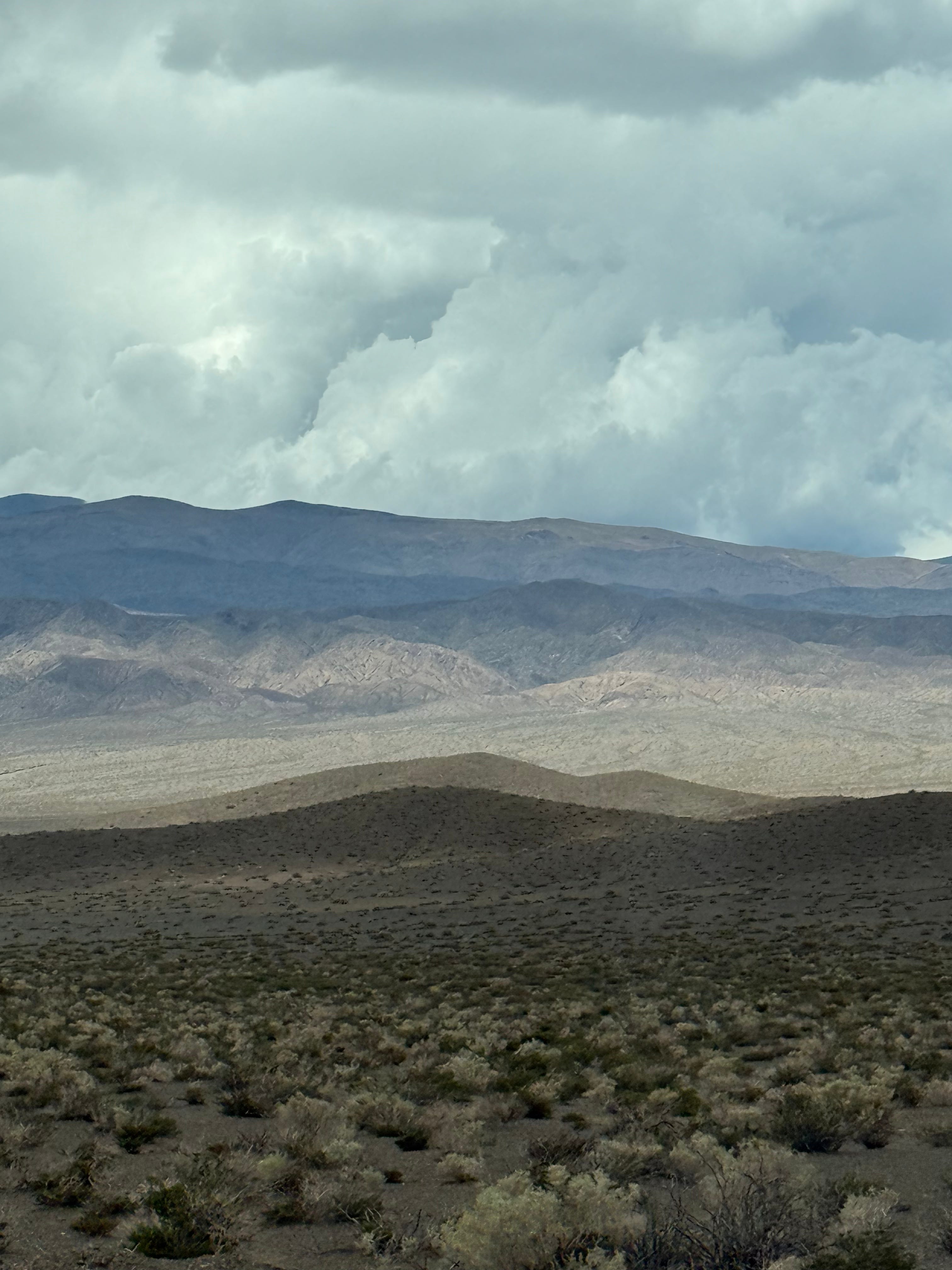
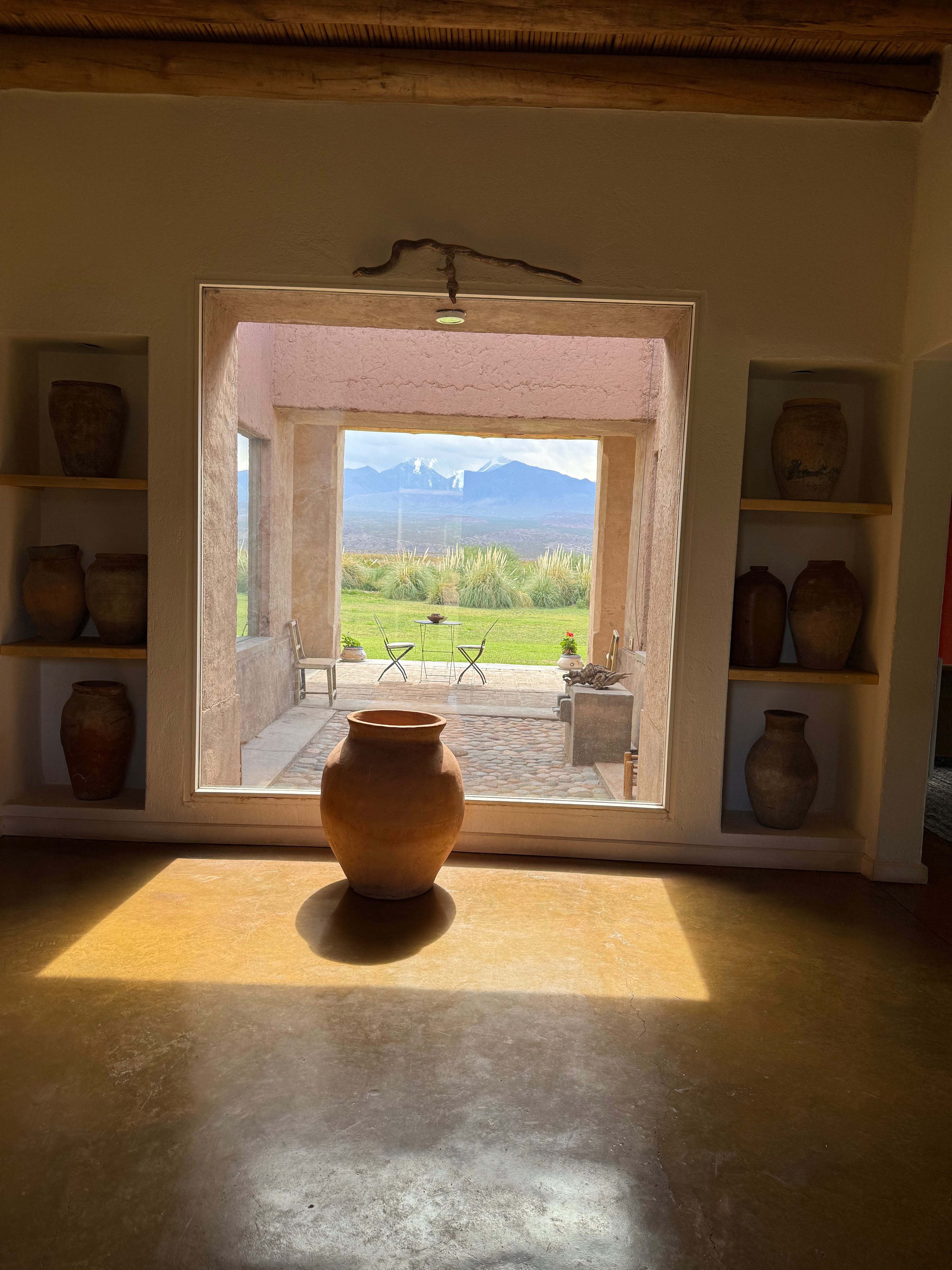
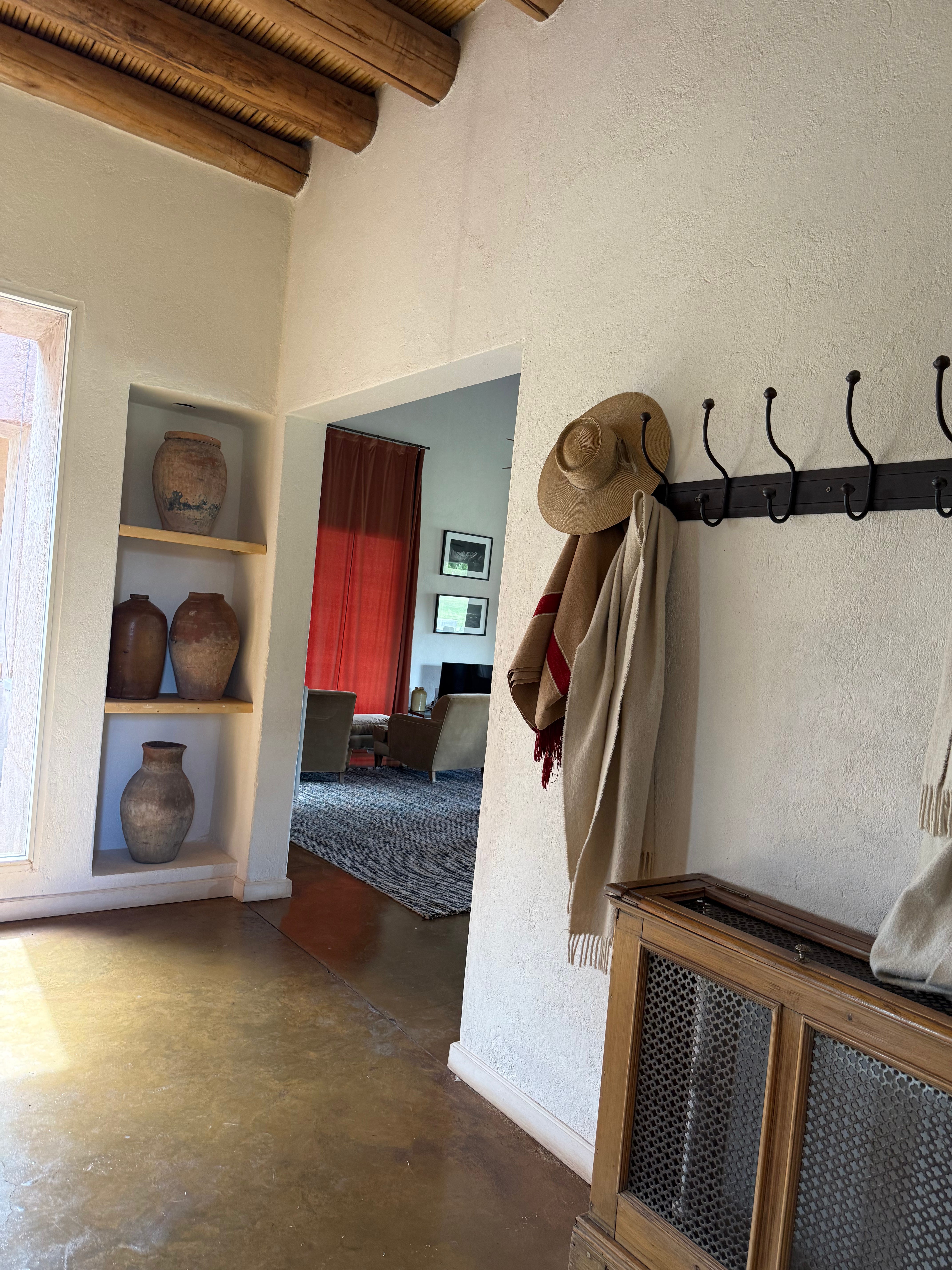
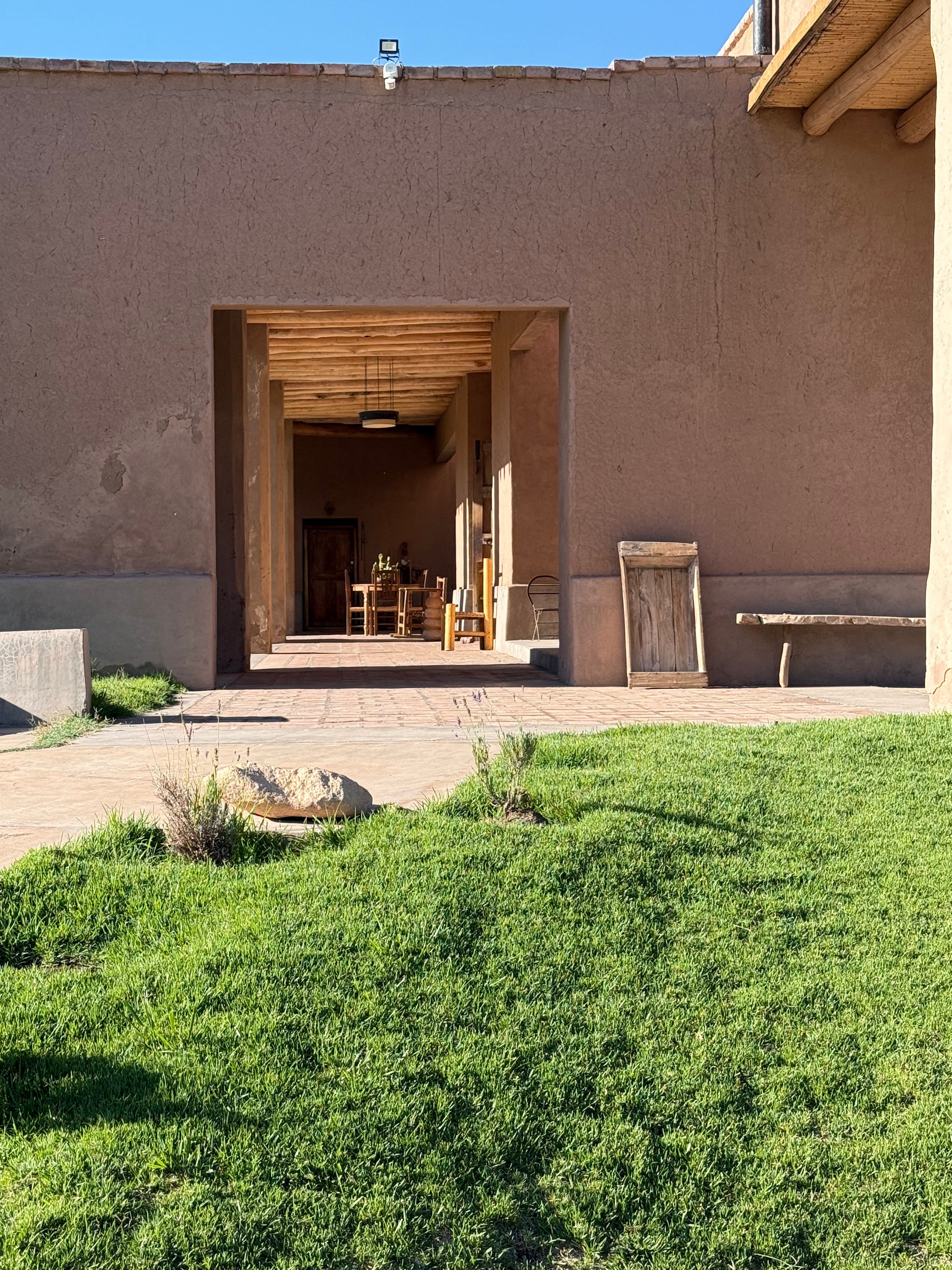
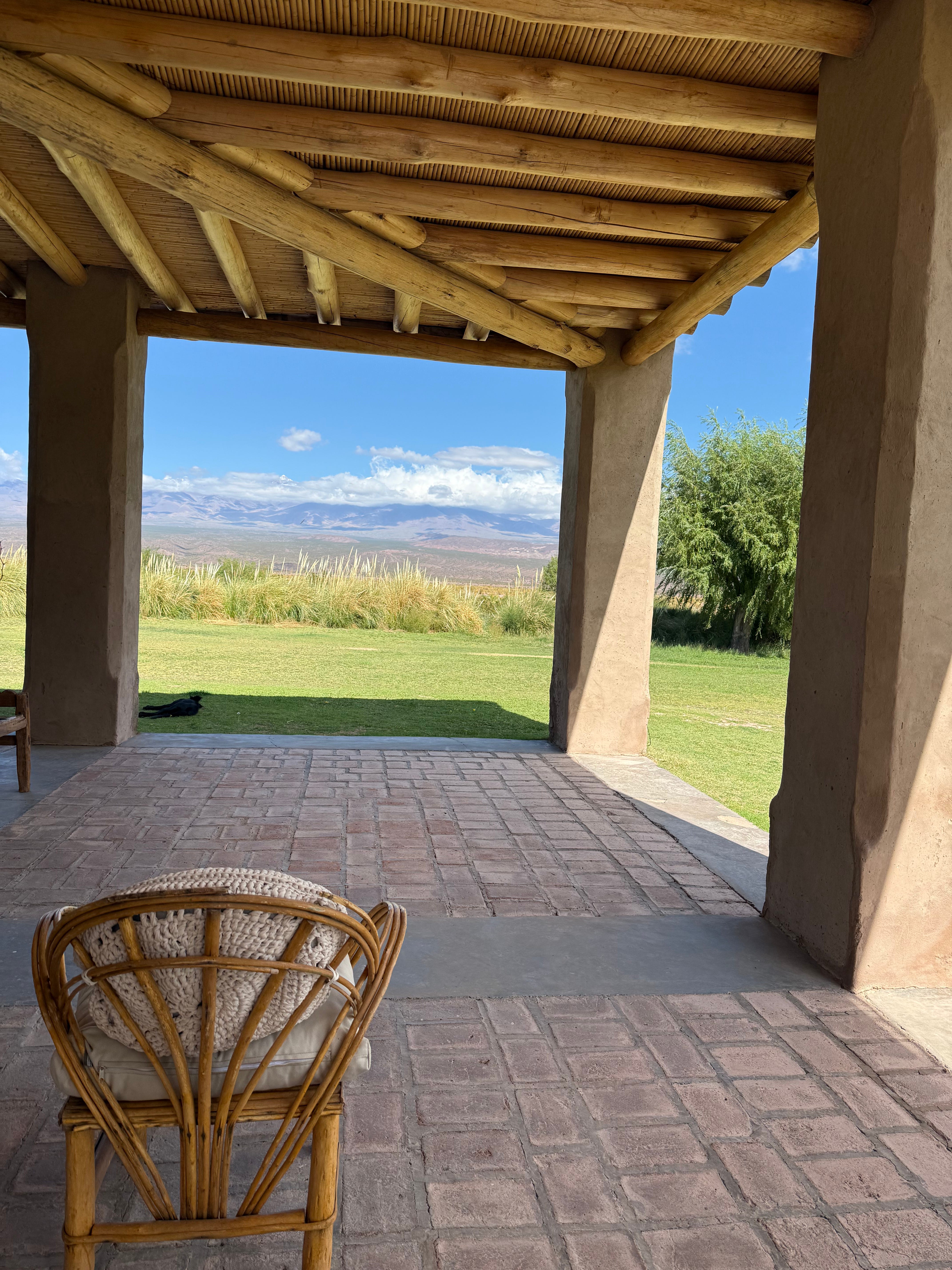
My body began to relax and I became one with the landscape. Mountains that appeared first green, then purple and a sky with pastel colors I had never seen. I let myself immerse into the experience. We made it through, and got to Posada de los Patos, where Pancho had made a reservation for us to stay overnight. It’s run and designed by two sisters from the area, this is the aesthetic we dream of when we dream of the Argentine landscape. I wanted to see it, and re-see it, and visit it from every angle.
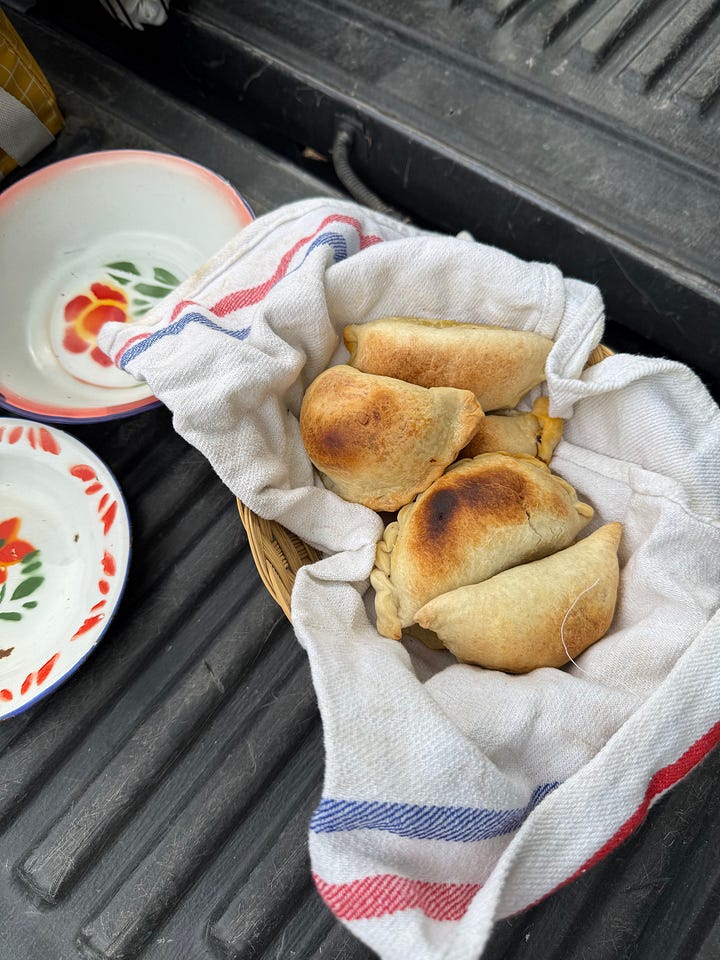
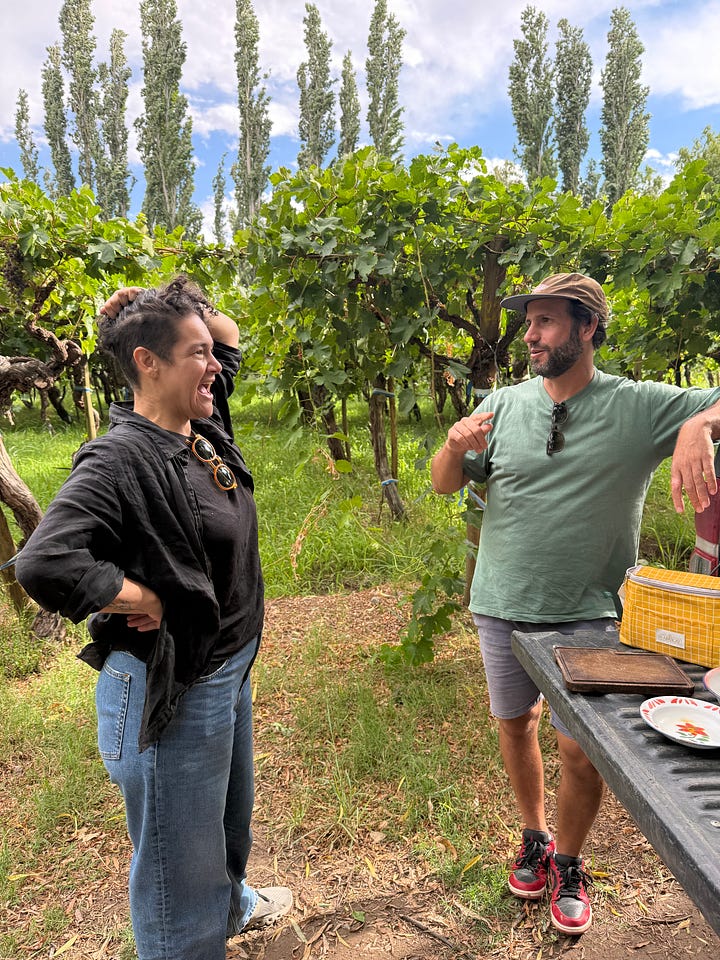
We got back in the car, a ten minute drive to Cara Sur, Pancho’s project. As soon as we got there, he had a basket of empanadas waiting for us, while we chatted by the vines. Cara Sur is a ‘rescue’ project of neglected vines of Criolla Chica, Torrontes San Juanino and Cereza vines (cereza is a cross of Listan Tinto and Moscatel de Alejandria) among other varietals. We were now chatting amongst these ancestral grapes. ‘All of these old vines are interconnected underneath the soil, they have stayed together over the centuries, keeping one another healthy and alive’ Pancho had said to us. He explained that eventually after centuries, different varietals that grow and stay together have their roots connected deep underneath. Pancho isn’t of a wine tribe, or chasing down a style, he is more of a conservationist, on a mission to protect this land, and these vines he has rescued. He grew up in Barreal and continues to have that spirit of discovery, wanting to go deeper and deeper in this land he grew up in. In fact, the mission of his wine is not just to conserve the vines but to showcase the story of this place. He’s become the voice of Calingasta Valley and has helped give birth to neighboring projects like Los Dragones. ‘If you are wine has a geographical designation on its label and it’s not indicative of its place, then you are an asshole’ Pancho had said to us. A promise so simple, so honorable - To showcase the land through your wine, period, no compromises. Is this not the whole point of drinking wine? Is it not the promise us drinkers chase? It should be. Pancho’s visit was like tuning my wine compass.
We walked the vines some more, then went back to the cellar to taste. Nuria, Pancho’s wife would be joining us. Pancho would throw some steaks on the grill and we would have dinner together while we taste. To nobody’s surprise, Pancho was great on the grill. We tasted ‘La Totora’, the promise of how magnificent Criolla Chica could be. With a light, almost pink-orangey hue to it, this red wine explored new boundaries of taste and lightness. With these old ancestral vines, its a wine charged with gravitas. Pancho explained that not all berries of Criolla Chica turn red, which is what gives this blush hue.
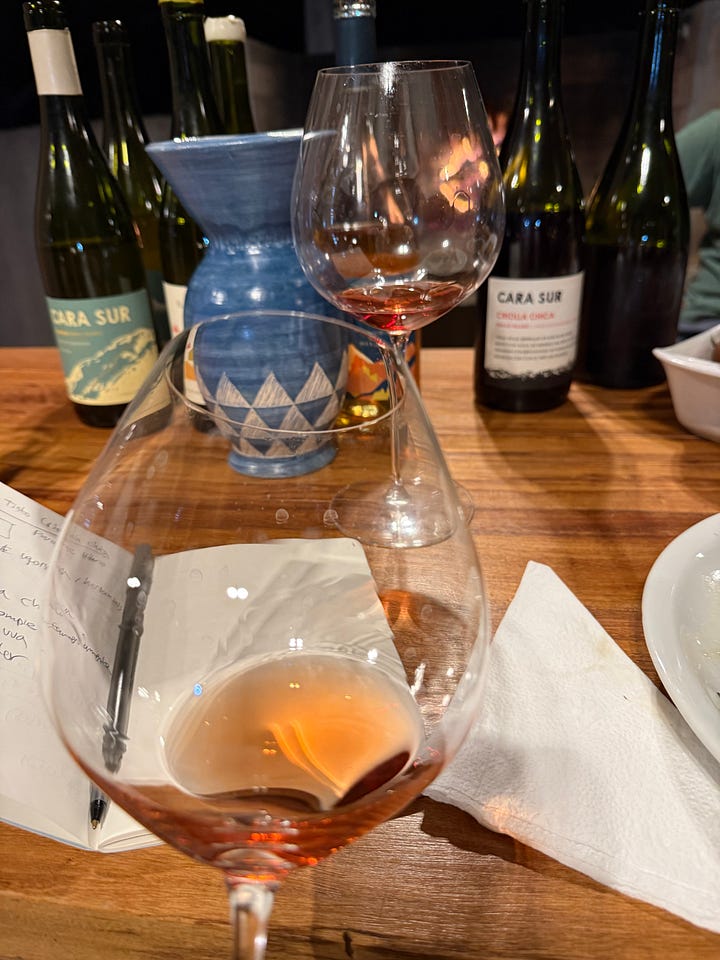
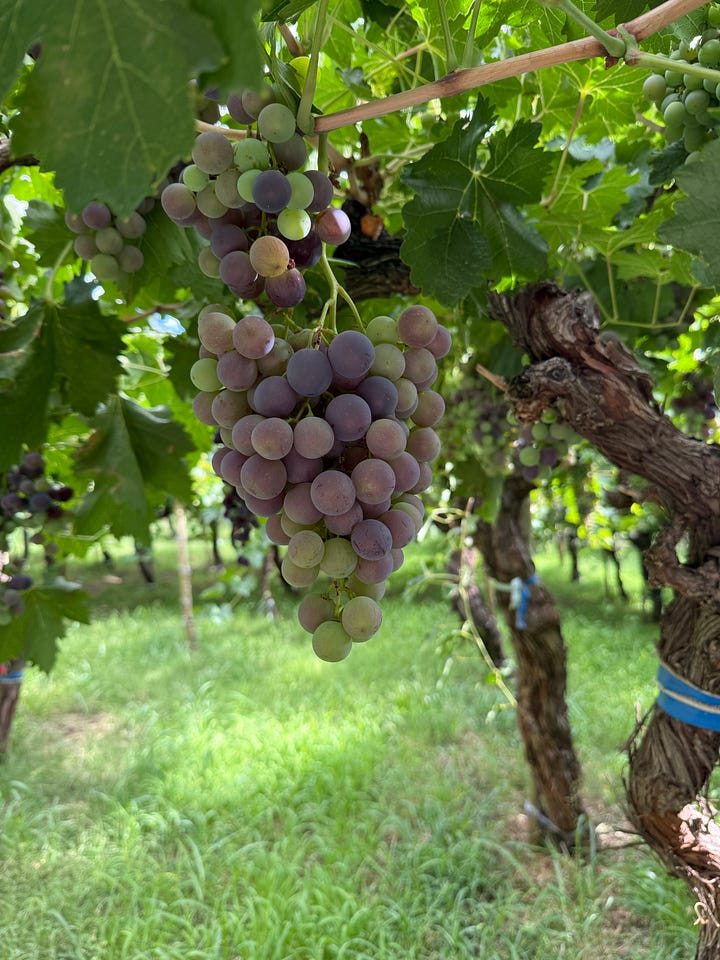
Another stand out was his Torrontes ‘Bajo Velo de Flor’ from 2024. He told us that this type of Torrontes that grows in Calingasta Valley, ‘Torrontes San Juanino’ naturally develops flor - A yeast veil that rises to the top of the barrel in the fermentation stage creating a natural cap that protects the wine from oxygen and also gives it a sherry-like taste. At first Pancho thought it was an anomaly, but after confirming with neighboring wine makers, they were all getting the veil. Recently they have collectively decided to let it be - This is how Torrontes San Juanino behaves in this Valley and they should showcase it as it is. It tasted of almond peel, tropical, with nuttiness.
That night at Pancho and Nuria’s, two chickens had escaped from their ‘parral’ and one of their dogs bit and killed one of them. They were saddened by the incident but also saw it as something that happens when you are living out in nature. It wasn’t the first time this had happened and in fact, their little boy had witnessed an incident in a previous occasion. Pancho told us it happened while on his watch (Nuria was out working). He was worried for his boy - The trauma, witnessing death. His son had told him ‘Le voy a decir a la mama’. He figured his boy had said to him ‘he would tell his mom about this’. Pancho understood, he wanted to share his emotional wound with mom. He comforted his son, ‘Mom will come home soon’. But it wasn’t what the kid meant. ‘Le voy a decir a la mama de la gallina’ the boy replied. He will ‘go and tell the chicken’s mom what had happened’. A kid that talks to chickens, and commutes with nature and life cycles, just like his dad does.
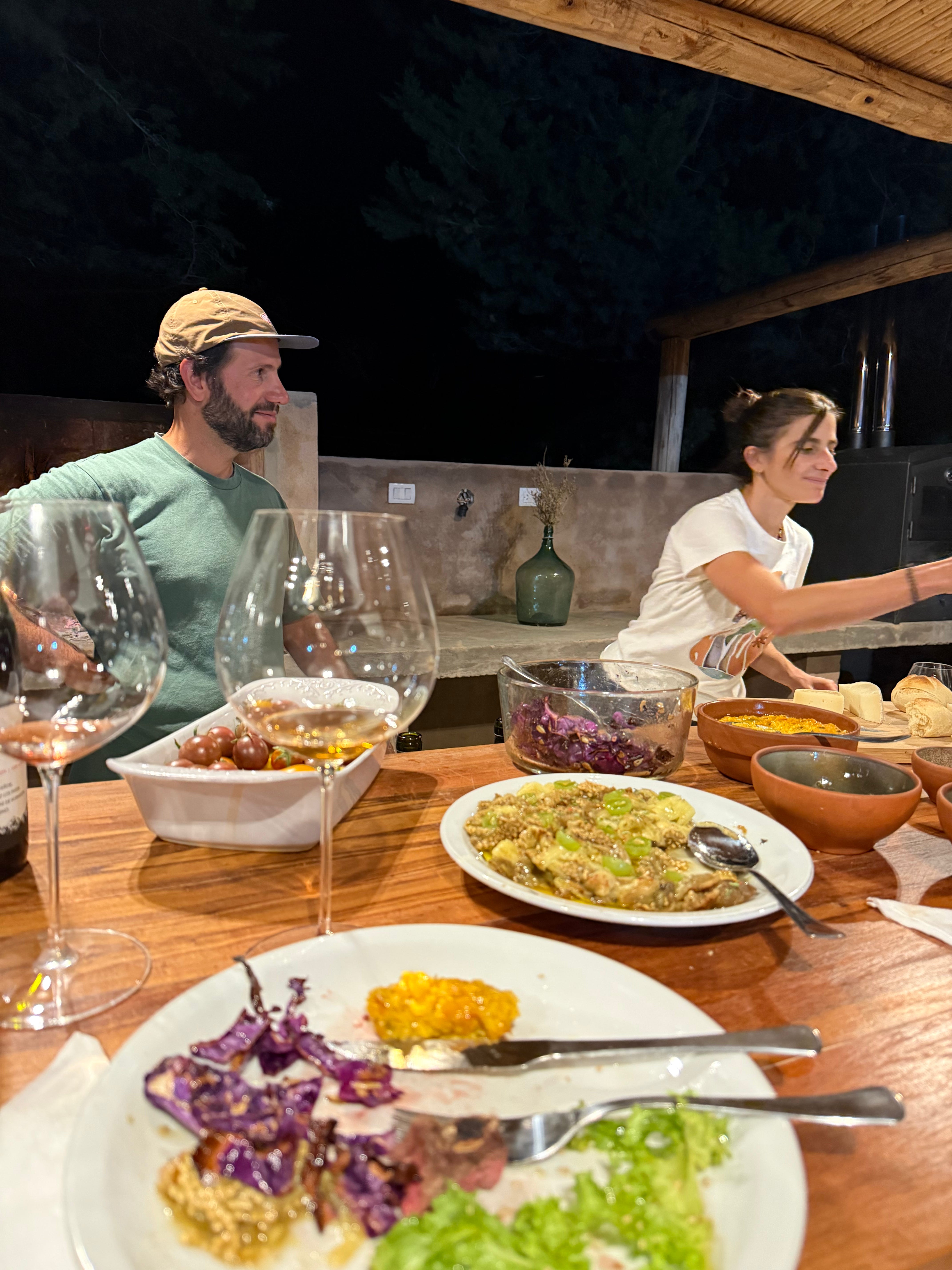
I understood then how lucky we are to get to taste this, even if for an hour while we drink Pancho’s wine. A connection to the land, a SCUBA deep dive into the soil, all the way down to where the different varietals’ root connect. We tasted some more, then we opened some bottles for us to drink together and stayed talking late into the night.
This Argentine journey has no end, in the way a wine journey never does. Pancho showed me there’s always a way to go deeper in. What is for certain is that this trip connected me to my Latin roots, something my soul was craving. As I had mentioned on my first piece, ‘El Nuevo Progreso’, I am not here to convince you about Latin America, or why we should be drinking these wines. It isn’t my place, nor anyone else’s to level up Lat Am, or to package it in a crave-able way. It already is fantastical, delicious and it holds a gorgeous promise of what wine can be.
No posts
Comments
Nothing yet. Say the first thing.
Sign in to join the conversation.