
Ditching most of the AI agents was painful for this CEO. But after two months, he “pleaded guilty.” Investigating why the company’s profits had declined made me feel like a detective. In the end, we found the main “criminal” and its “partner in crime”, and the “jury” delivered its verdict.

The AI hype is cooling down
Why do you need AI agents?
Customer value and business processes
Don’t clean your running shoes after the start
What you can do in under a month
Here is my list of the top challenges CEOs face with AI:
CEOs are terrified of falling behind in the AI race. Yet they often have only a vague idea of how, where, and why to use it.
AI is way more expensive than it looks.
AI agents hallucinate and make costly mistakes.
The ROI is hard to see.
AI replaces only the lowest-paid staff—making actual savings questionable as costs rise.
AI needs clean data—and most businesses just don’t have it.
Meanwhile, the AI hype is cooling down. This will finally bring a touch of common sense to the industry.
The Financial Times reports that AI pioneers like Walmart, Uber, Amazon, Cisco, and Meta are already limiting its use. AI is simply too expensive—and will be more expensive in the future. Back in 2023, I wrote that ChatGPT’s “AI for $25” fairy tale would end the moment AI companies stopped subsidising expensive access.
In early June, Sam Altman confirmed that AI spending had become a “huge issue”.
Forbes reports that companies that rushed to replace staff with AI are bringing people back within 6 to 12 months. And 55% of executives who did so will regret it within 18 months.
My two-year-old grandson can believe in the Tooth Fairy. Experienced executives shouldn’t.
Forbes notes that AI can write ad copy, but it doesn’t understand customer needs like a seasoned marketer (that’s my favorite topic!). It can process transactions, but it doesn’t recognise anomalies like a savvy financial specialist.
Many CEOs are now reviewing their AI strategies. The CEO from my “investigation”—the one I am talking about today—has become one of them.
I am conducting a routine one-week audit at a client’s company—this is how I always start large projects. I review documents, meet with managers, and interview the company’s customers.
And I notice some strange coincidences. Some customers are leaving and profits are down while spending on automation and AI is rising.
I conduct “cross-examinations”. I notice that there is not a single AI enthusiast left in the company, except the CEO. I pick three projects with AI agents that everyone considered complete and successful. Together with the project leaders and the CFO, we try to estimate their ROI. But either the numbers are questionable, or the ROI is tiny. It looks like we have our first “suspect”—AI—and its “alibi” is weak.
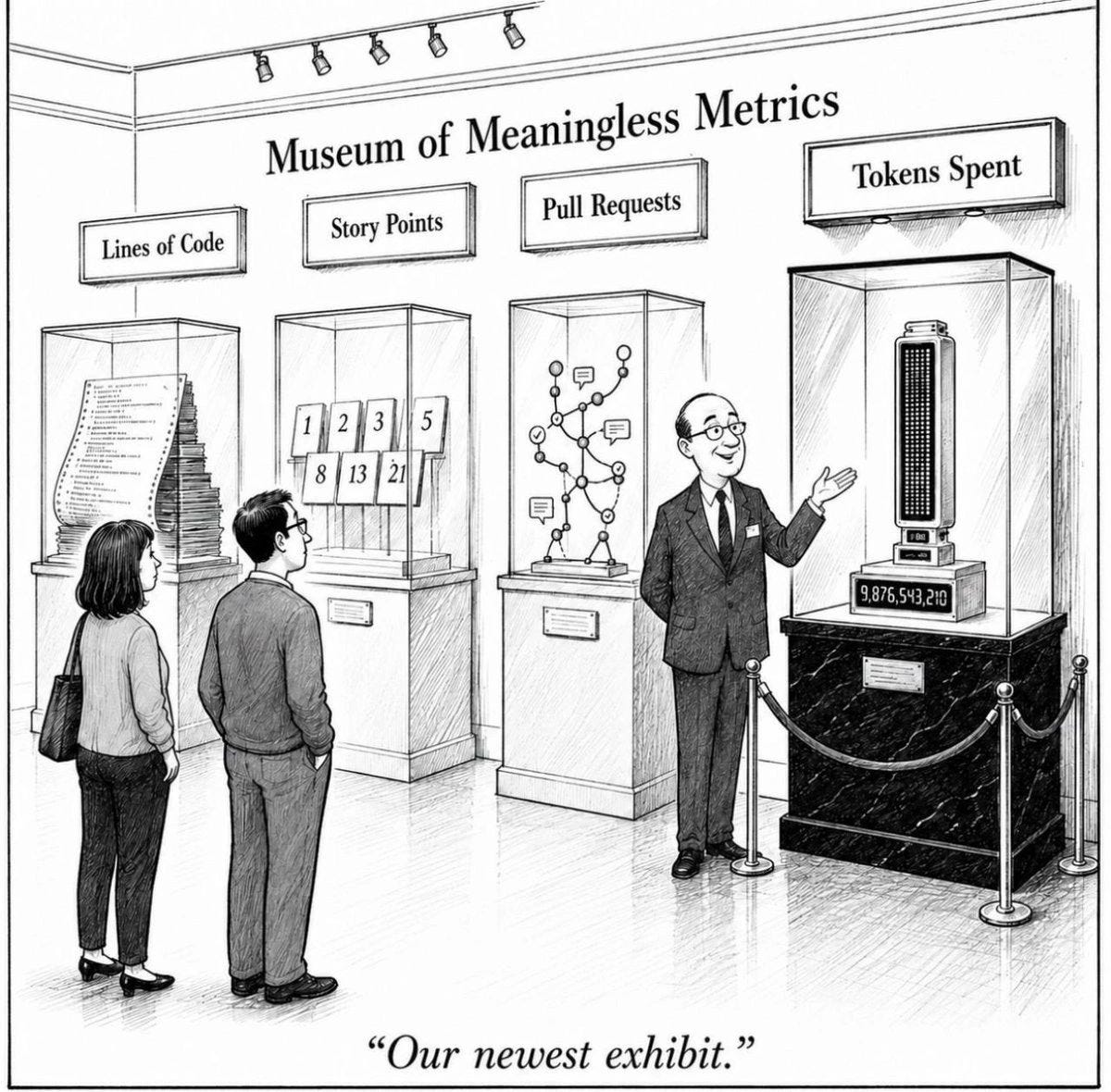
I find out that ten months before the audit, the CEO attended a seminar, “fell in love” with AI, and started pushing it everywhere. Every department head submitted proposals on how to use AI in their work.
The company approved dozens of projects.
The CEO especially liked the idea of automating the sales funnel and customer relationships. As my audit later showed, this idea went against both customer expectations and strategy.
Of course, every situation is different. But in my view, automating customer relationships is like letting an AI agent talk to your spouse.
I completed the audit and wrote the report. I am holding a session with the CEO and the leadership team. The company has other process and competitive challenges, but I explicitly flag that the AI projects:
Cost a lot but brought no clear benefits.
Consumed a lot of management resources, which weakened focus on other areas.
Led to losing some customers while competitors were highly active. This, in turn, caused a drop in revenue and profit.
Triggered a noticeable negative reaction from customers. This is especially critical for a company whose stated mission is a “personalised approach”.
Naturally, the CEO—the chief AI ambassador—didn’t applaud. He strongly disagreed. But I’m not Brad Pitt; I don’t get paid for applause. I get paid to say out loud what others don’t notice—or pretend not to notice.
Then the CFO, along with the other executives, started expressing doubts in AI. They questioned the need for AI agents, their ability to do the job, and whether they made any financial sense.
The debate lasted about two hours. Then I suggested a solution that worked for everyone: I would continue my “investigation” as part of the overall strategy project, and we would reach a final verdict later.
As always, I relied on The Customer-Axis Framework.
We finally found the time to make a video about The Customer-Axis Framework. It is only six minutes long, but it covers the core idea. Check it out!
One of the core principles of The Customer-Axis Framework is this: all business assets and processes must first create Unique Customer Value (UCV). If a process does not create UCV, it should be the last thing you invest in.
Here is what I did:
I put together a small team, mostly from marketing and sales.
We conducted over 70 customer interviews.
We closely studied our competitors’ products.
Our goal was to map the Total Addressable Need and find the basis for Unique Customer Value. Ideally, this meant creating our own customers, or Patrons.
Meanwhile, other team members mapped the company’s processes.
Next, I held two workshops with an expanded team that included both the CEO and executives. In the first workshop, we discussed the outcomes of the customer research and generated ideas.
Between the sessions, the small team and I tested these ideas. Then, in the second workshop, the expanded team made concrete decisions based on the results.
Among other things, we decided what Unique Customer Value the company would create and deliver to customers. Then, we matched these decisions with the process map.
It was no surprise (to me) that most AI projects focused on processes that added little to customer value. For example, automating financial reporting.
“But they cut costs!” the CEO argued. “True or not,” I replied, “value creation always takes priority over cost-cutting.” The “jury”—the leadership team—backed me.
Automating processes that don’t maximise customer value is like cleaning your running shoes on the track after the race starts. Your shoes will be cleaner, but your competitors will leave you far behind.
Of course, this company didn’t give up on AI altogether. AI is not going away; it will change our lives and our businesses. But if you look at it through the “customer value—processes” axis, you can protect yourself from wasting resources.
The results of our work:
Cut AI agent projects that added no value for customers. This brought in five-figure savings.
Shifted infuriating automated processes back to manual handling. Customer churn stopped.
Revived a number of shelved but critical projects.
Successfully integrated AI into processes that actually maximize customer value.
Make three lists:
A list of value drivers—the features of your value proposition that give you a competitive advantage.
A list of the business processes most involved in creating and delivering these value drivers.
A list of processes you are already automating or plan to automate, including those using AI.
If you see a lot of overlap, you have nothing to worry about. But if you are automating processes that do not add to customer value, you might have a problem.
Or if you automate customer interactions where they prefer a human touch.
The cost of inaction isn’t just a wasted budget on useless AI tools—it is lost time. Time spent building useless AI agents is time you cannot spend creating customer value. Meanwhile, your competitors might have used that time much better.
Here is a simple checklist:
Do you have a list of value drivers?
Are all your executives familiar with it and using it?
Do you have a business process map—at least a high-level one?
Do you know which processes are critical for creating your value drivers?
Are all the automation projects in your pipeline focused on processes that create and deliver customer value?
Want to know if the connection between your customer value, processes, and automation is actually working? Let’s find out. Book a brief diagnostic audit. Slots are tightly limited, so please secure yours in advance. Simply reply to this message. Read more here or here.
In the meantime, watch some of my short videos about the art of strategic reframing on my YouTube channel or buy my book Create Customers No Competitor Can Steal: The Strategy That Makes Market Uncertainty Irrelevant.
Comments
Nothing yet. Say the first thing.
Sign in to join the conversation.