
A Tribute to Scott Lathrop: Bridging Tribal Sovereignty and Nuclear Opportunity
By Stephen Heins, The Word Merchant, Sheboygan, Wisconsin
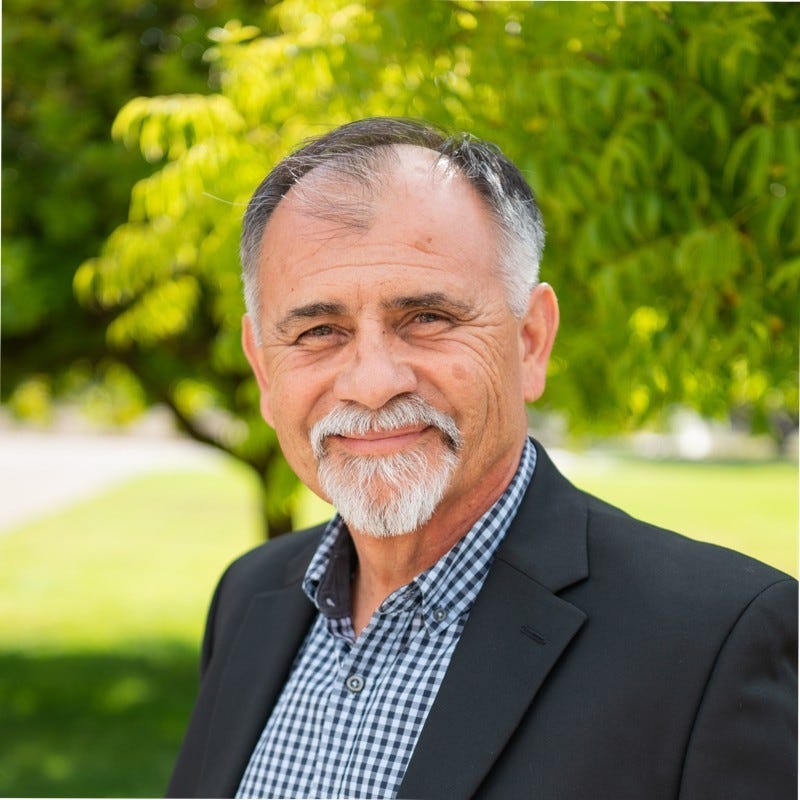
In the long American story of energy and land, few voices cut through the noise with the clarity of Scott Lathrop. An elder of the yak titʸu titʸu yak tiłhini (ytt) Tribe of California’s central coast, Lathrop has spent decades walking the ground between ancestral responsibility and the practical demands of modern power.
Through Native Nuclear, the Native-led nonprofit he founded, he is helping Indigenous communities claim a seat at the table where energy decisions are made—not as afterthoughts, but as partners with real economic and cultural stakes.
Lathrop’s path began close to home. As a young man in the 1980s, he worked as an inspector at Diablo Canyon Power Plant, the two-unit nuclear station perched on the rugged coast of San Luis Obispo County. That land is Ytt ancestral territory—villages, burial grounds, and sacred sites that stretch back more than ten thousand years.
He saw the plant’s construction, its operations, and the quiet economic benefits it brought to the region. Decades later, he still serves on the Diablo Canyon Decommissioning Engagement Panel, watching over the same landscape with a longer view.
The Ytt people are not federally recognized. They are a landless tribe whose homeland was taken without consent or compensation generations ago. That history could easily harden into permanent opposition. Instead, Lathrop has treated the operating plant as an accidental steward. The 12,000 acres of largely undeveloped coastline surrounding Diablo Canyon were preserved, in large measure, because the facility was there.
When California’s governor moved to keep the plant running longer than planned, Lathrop adjusted without drama. “Instead of a land-back strategy under decommissioning, it’s now a land-back strategy under continued operation,” he said. The goal remained the same: restore tribal stewardship while putting a valuable manufactured asset to productive use rather than simply dismantling it.
That practical stance runs through Native Nuclear. The organization does not speak for any particular tribe. It exists to make sure tribal nations have clear, culturally grounded information about nuclear energy so they can decide for themselves. Its mission centers on STEM education, workforce pathways, environmental stewardship, and energy sovereignty.
Lathrop and his team—many of them Native professionals—work to rebuild trust after decades of uranium mining legacies that left real scars on tribal lands, especially in the Southwest. They insist on early engagement, transparency, and informed consent rather than top-down decisions.
Lathrop frames nuclear power in language that resonates with traditional values. Take little from the Earth. Maximize what you take. Return as little as possible. Nuclear fuel fits that ethic better than most sources: enormous energy density, tiny physical footprint, and the ability to serve communities for decades with minimal ongoing extraction. He often speaks of seven-generation thinking—the long arc of responsibility that looks beyond the next election cycle or quarterly report.
Nuclear plants, with their multi-decade operating lives and careful waste management, align with that horizon more naturally than intermittent sources that demand constant replacement and vast land use.
The work is not abstract. Native Nuclear participates in the Department of Energy’s collaboration-based siting efforts for spent nuclear fuel, ensuring tribal voices help shape the process. It runs educational programs and summer camps that bring Native high school students to places like Diablo Canyon so they can see the technology for themselves and connect it to their own values.
Lathrop travels widely—Idaho State University for Native American Heritage Month talks on “Nuclear Energy & Indigenous Futures,” conferences in New Mexico and Utah, meetings with tribal leaders from Navajo chapter houses to Oklahoma nations—listening more than lecturing. The message is consistent: tribes already hold sovereignty over land and resources.
That sovereignty can be leveraged to generate reliable power, jobs, and revenue, much like some tribes have used it for gaming. Small modular reactors or microreactors could one day serve remote communities with minimal maintenance, addressing the real energy poverty that still leaves too many homes without dependable electricity.
From a Midwest vantage point, Lathrop’s approach feels familiar. It prioritizes results over ideology. Energy poverty is not an abstract climate statistic; it is longer drives for groceries, limited economic options, and heavier burdens on women and families. Nuclear, properly developed with tribal partners, offers density, reliability, and the chance to turn mineral rights and land into lasting assets rather than ongoing liabilities.
Lathrop is clear-eyed about history. Past mining wrongs must be addressed. Trust must be earned through relationships, not press releases. Yet he refuses to let yesterday’s failures lock tomorrow’s opportunities away.
His own background strengthens the message. A Cal Poly San Luis Obispo alumnus, he sits on the university’s President’s Council of Advisors and remains active in ytt nonprofit work. Family members, including his son Andrew, who serves as general counsel, contribute to the effort. The organization draws board members and staff from multiple tribal nations and from industry, creating a practical bridge rather than a protest platform.
In an era when energy debates often reduce people to competing slogans, Scott Lathrop offers something rarer: a grounded vision of Indigenous futures that includes abundance, stewardship, and self-determination.
He is helping tribes move from the margins of the energy conversation to its center—not by demanding special treatment, but by insisting on the same tools of economic development and resource use that built prosperity elsewhere. Nuclear energy, in his telling, is not a threat to be managed but a tool to be understood and, where it serves community priorities, used.
That is leadership rooted in both place and possibility. For Native communities seeking reliable power and economic footing, and for a nation that needs every workable source of dense, clean electricity, Lathrop’s work points a practical path forward. The future he describes is one in which tribal values and modern engineering reinforce each other rather than cancel each other out. It is a future worth building.
Comments
Nothing yet. Say the first thing.
Sign in to join the conversation.