
In a recent C3 post, Finding a New Direction from our Recent Past: Lessons from Cloud Computing, we connected the cloud computing era to the talent infrastructure challenge and opportunities we all currently face with AI. The cloud didn’t just create demand for tech engineers and coders; it also helped create and connect a nationwide culture of builders, creators, and tinkerers who learned by doing. Recent advances in Maker Learning curriculum and industry partnerships, as well as growing attention and state level policy support, are providing compelling opportunities for Maker for our community of practice in the AI era.
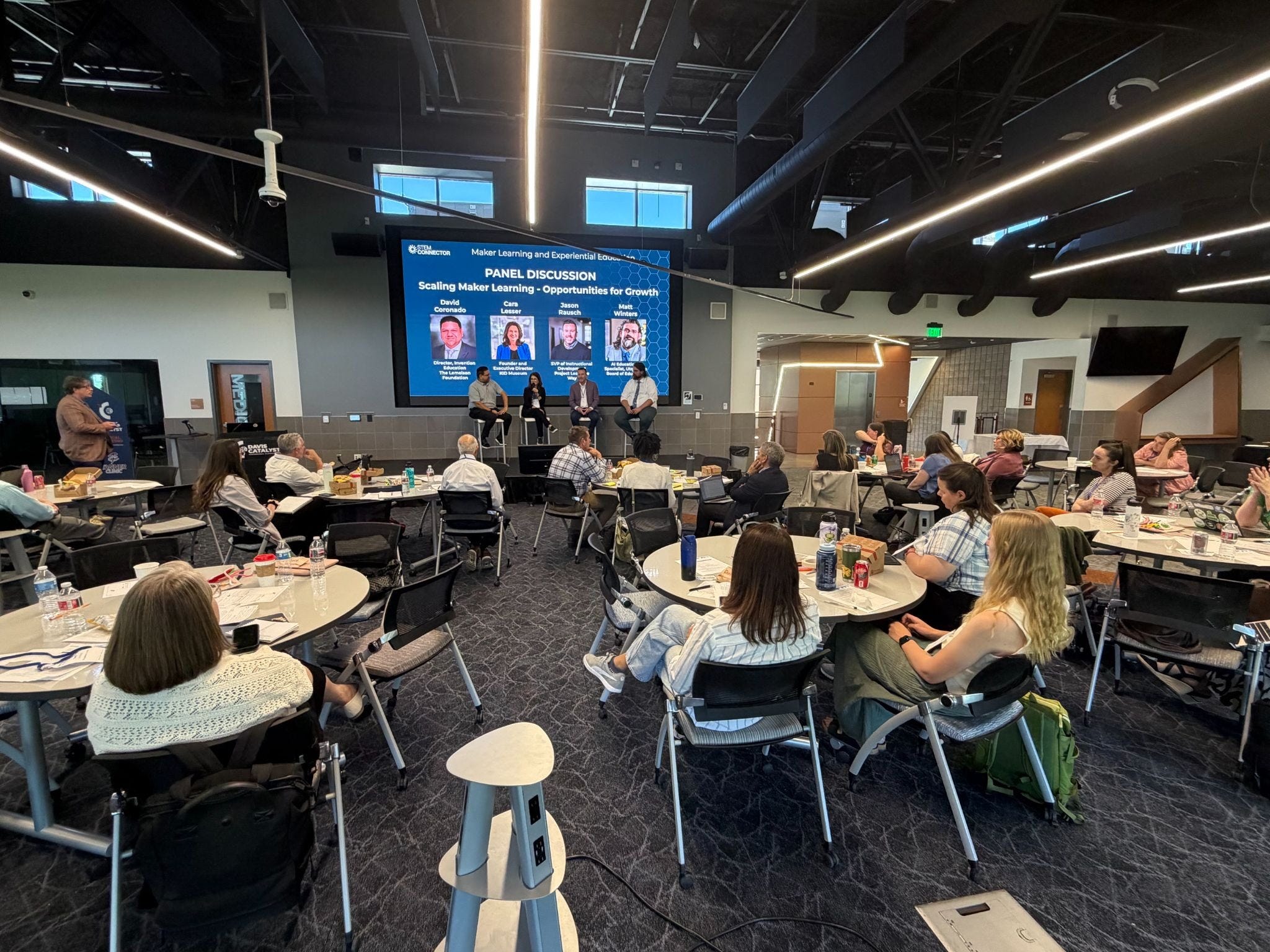
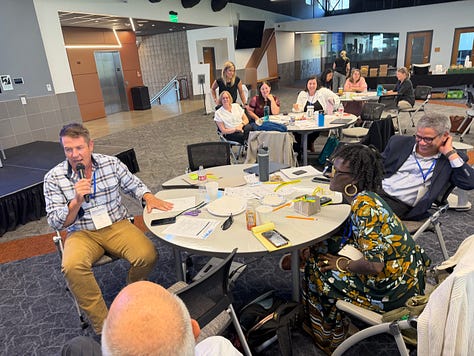
On June 9th and 10th, STEMCONNECTOR convened an Innovation Lab in Salt Lake City as a high-engagement gathering of educators, employers, workforce leaders, and program partners to explore what we believe is one of the most promising and underinvested areas of STEM education: Maker Learning.
Maker Learning is hands-on, project-based activities where students design, build, test, and iterate on real solutions to real problems. It's learning that takes place in fabrication labs, makerspaces, CTE classrooms, and after-school programs. It looks like a middle schooler building an AI-integrated device with an Arduino or a high school CTE student using design thinking to prototype a product for a local employer.
What makes this relevant today is similar to what made cloud computing’s certification culture so effective: the barrier to creating something meaningful has dropped significantly. AI tools, accessible hardware, and community makerspaces — paired with platforms like Technovation, a global program that teaches students to build technology-based solutions for real-world problems, and KID Museum, whose Mind of a Maker framework helps students become empathetic, persistent problem-solvers, teammates, and changemakers — mean that within a structured learning environment, students can build solutions that weren’t possible five years ago. Maker Learning builds these capabilities. Studies show maker learning produces a 3.5x improvement in critical thinking and a 4.5x increase in creativity, with statistically significant increases across every assessed skill area.
The workforce development case is just as compelling as the outcomes research. The data shared at the Innovation Lab indicates the U.S. faces more than 600,000 skilled technical workforce job postings annually, with only 150,000 new workers entering via apprenticeship programs, a gap projected to grow to 2.1 million unfilled positions by 2030. AI is also reshaping white-collar work. 40% of all work tasks globally are exposed to AI automation, and 85% of the jobs that will exist in 2030 haven’t been invented yet. Students entering our education system today need more than technical knowledge and analytical skills. They need the durable skills, functional reasoning, and creative problem-solving capacity that Maker Learning develops better than most other models.
Utah is one of the most compelling examples of what it looks like when Maker Learning receives state policy and broad talent pathway stakeholder support. The Utah STEM Action Center has built a statewide network, UMAKE, that connects universities, libraries, makerspaces, K-12 educational institutions and OST programs across the state into a functioning ecosystem for Maker Learning program access and development. Dr. Tami Goetz, Executive Director of the Utah STEM Action Center. and her team have work diligently and effectively to prove the importance of this powerful career-connected workforce strategy.
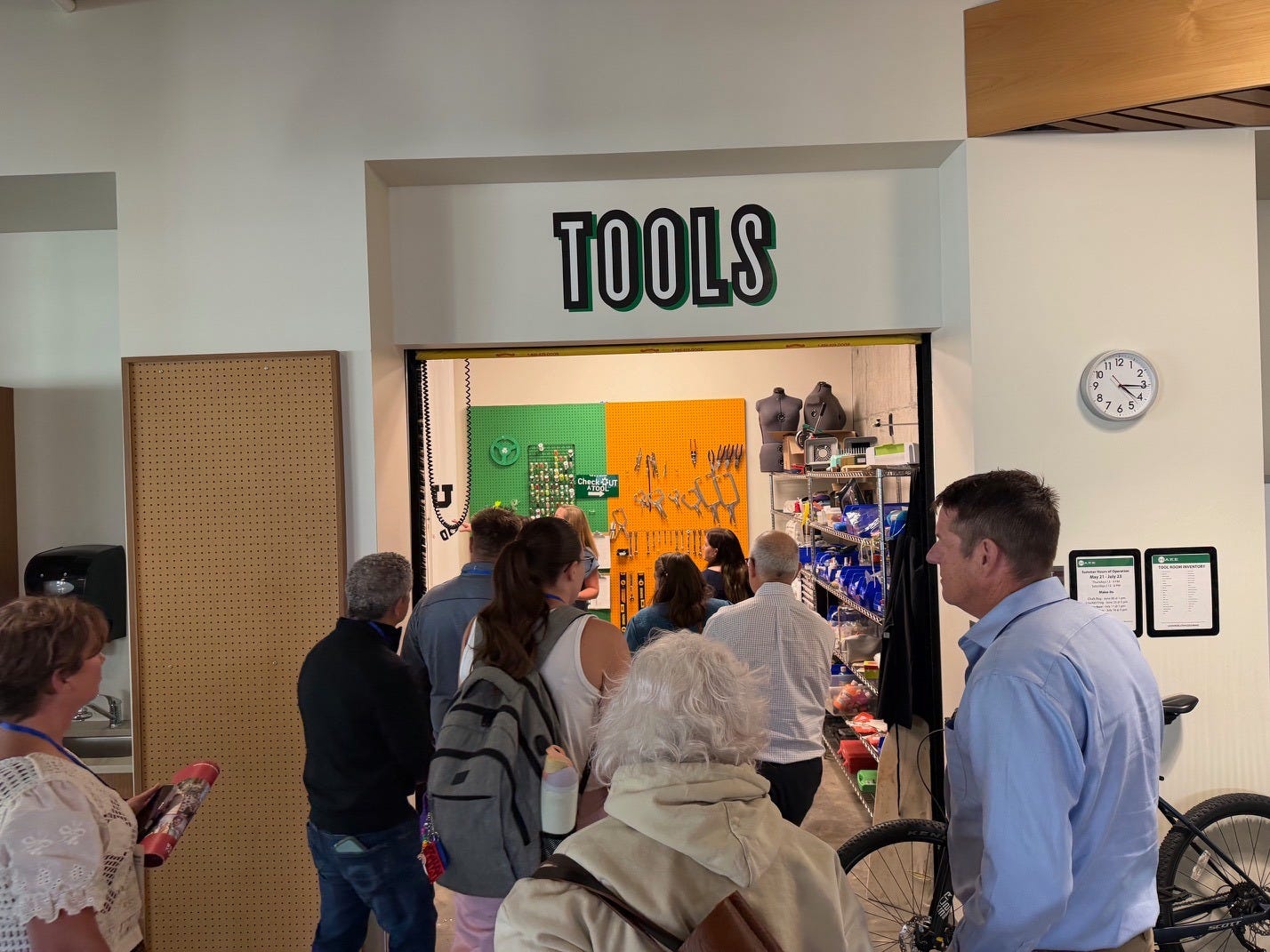
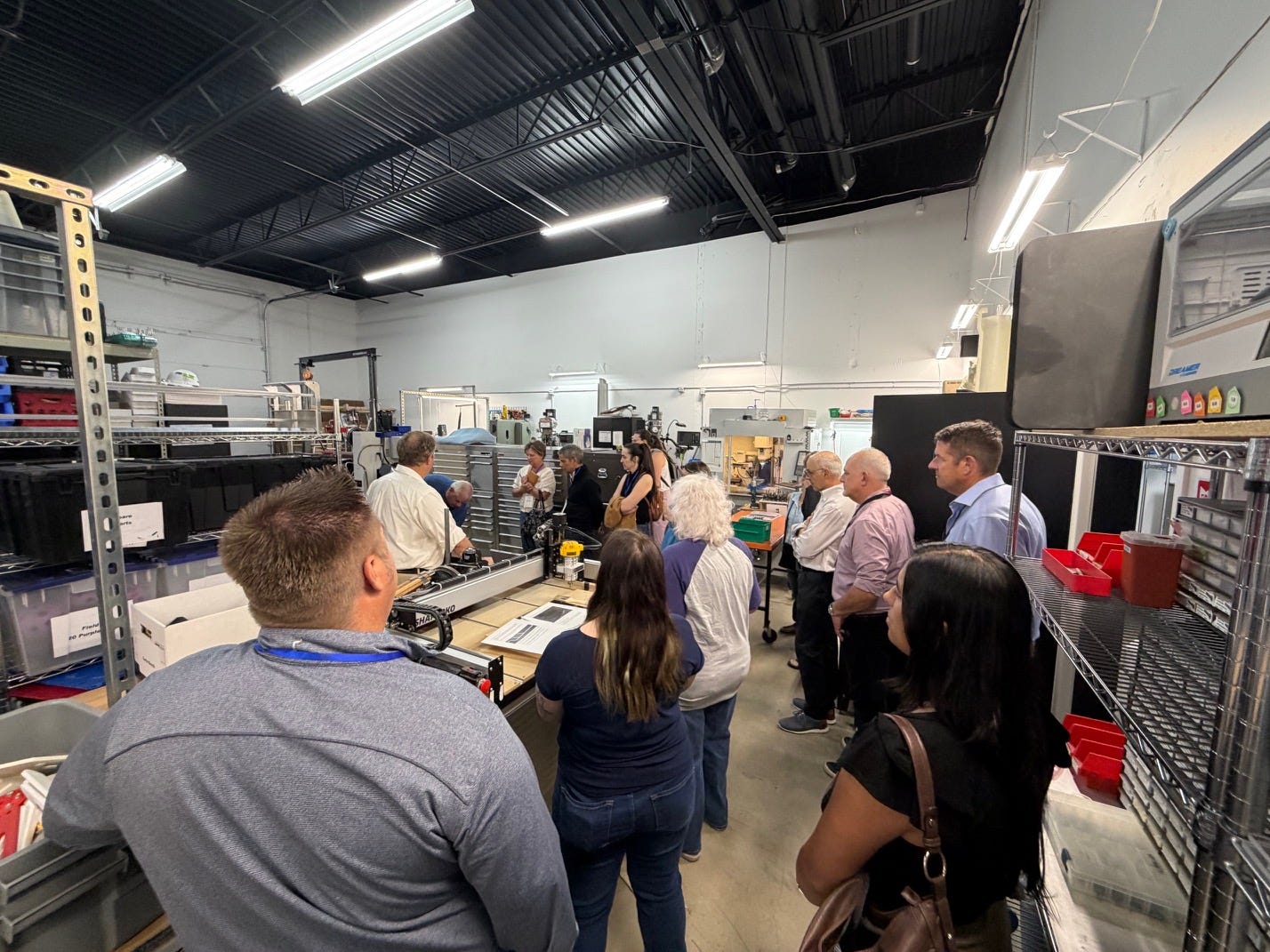
Our Innovation Lab featured site visits to Utah Valley University’s Creative Learning Studio, US Synthetic, Jacobsen Innovations, and Lassonde Studios, showcasing for our participants what it looks like when industry and education partner to build and support shared environments for applied learning, where students work alongside professionals to help solve challenging real-world problems.
The Davis Catalyst Center, a CTE high school model, has a profession-based learning framework that connects students with authentic industry assignments and professional partners, moving beyond the hypothetical. It is helping address the disconnect our Math Bottleneck Webinar revealed: students are not failing to learn because they lack ability; they're failing to connect what they learn to work they see themselves doing in the future.
At our full-day Innovation Lab working session, leaders from Project Lead The Way, The Lemelson Foundation, The Utah State Board of Education, and KID Museum discussed what it would take to scale maker learning nationally to overcome these barriers: inconsistent funding, educator capacity, resistance to project-based approaches in systems built around standardized knowledge transfer, and how to reach students in under-resourced communities where out-of-school programs are often the only pathway.
KID Museum’s Invent the Future Expo — which drew more than 4,000 people in May to see middle schoolers present months of work on the question “What are you able to make to improve life on this planet?” proves that when maker learning is done well, it generates authentic student engagement formal school settings struggle to address. Out-of-school time offers us one of the most compelling opportunities to fill the gap that schools, often constrained by testing requirements and curriculum standards, have not yet been positioned to close.
For our STEMCONNECTOR community of practice, including educators, employers, workforce organizations, and policymakers, the Innovation Lab helped clarify what is needed for Maker Learning to fulfill its potential as a project based, durable and human skills development platform for the AI era:
Industry needs to be made aware, get more engaged and invested. The organizations doing the most compelling Maker Learning work are not seeing the level of corporate partnership and investment the scale our workforce challenges warrant. The cloud era saw all companies, beyond the cloud providers like Google, Microsoft, and Amazon invest heavily in programs that developed competencies needed because they knew their future depended on it. The same is true for the age of AI, and the need for the durable and human skills development Maker Learning provides.
Effective technical and professional STEM education programs need to go beyond creativity with a clear career-connection. Maker Learning linked to technical workforce partners, industry mentors and real-world challenges builds problem solving, durable skills and career awareness.
Out-of-school time is an underutilized opportunity. STEM Next, a national network advancing high-quality STEM learning in out-of-school settings, as well as organizations delivering after-school and summer programs, are doing some of the most innovative maker learning work in the country, because they have more flexibility than the formal school day allows. Investing in and expanding these programs is one of the fastest paths to scale.
To see the opportunities offered by the integration of AI and Maker Learning in in action, our AI Vodcast series episode, Invent, Iterate, Innovate: AI in the Maker Movement, explores how AI is elevating hands-on, project-based learning. The episode features educators and industry leaders discussing how AI helps learners design, prototype, and problem-solve with more creativity, confidence, and real-time feedback — and how it is expanding equitable access to these high-impact experiences by adapting to individual learner needs. The Vodcast discussion reinforces what we experienced in Salt Lake City.
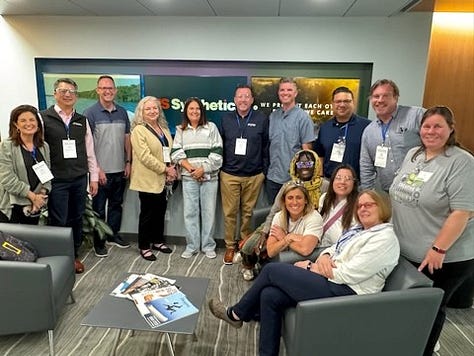
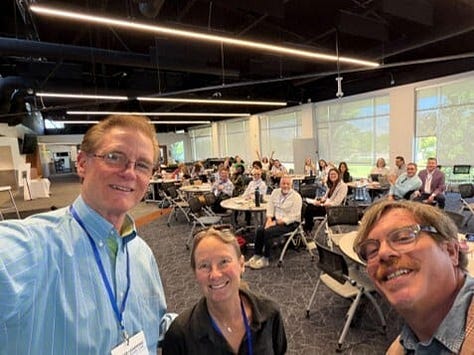
Innovation Labs are compelling and rewarding regional convenings where our community of practice comes together to understand and help build and scale cross-sector solutions to our nation’s STEM workforce challenges. If you are interested in participating in future Innovation Labs, being at the table for our discussions, or getting involved in advancing Maker Learning and STEM workforce development, we invite you to consider a STEMCONNECTOR membership.
No posts
Comments
Nothing yet. Say the first thing.
Sign in to join the conversation.