
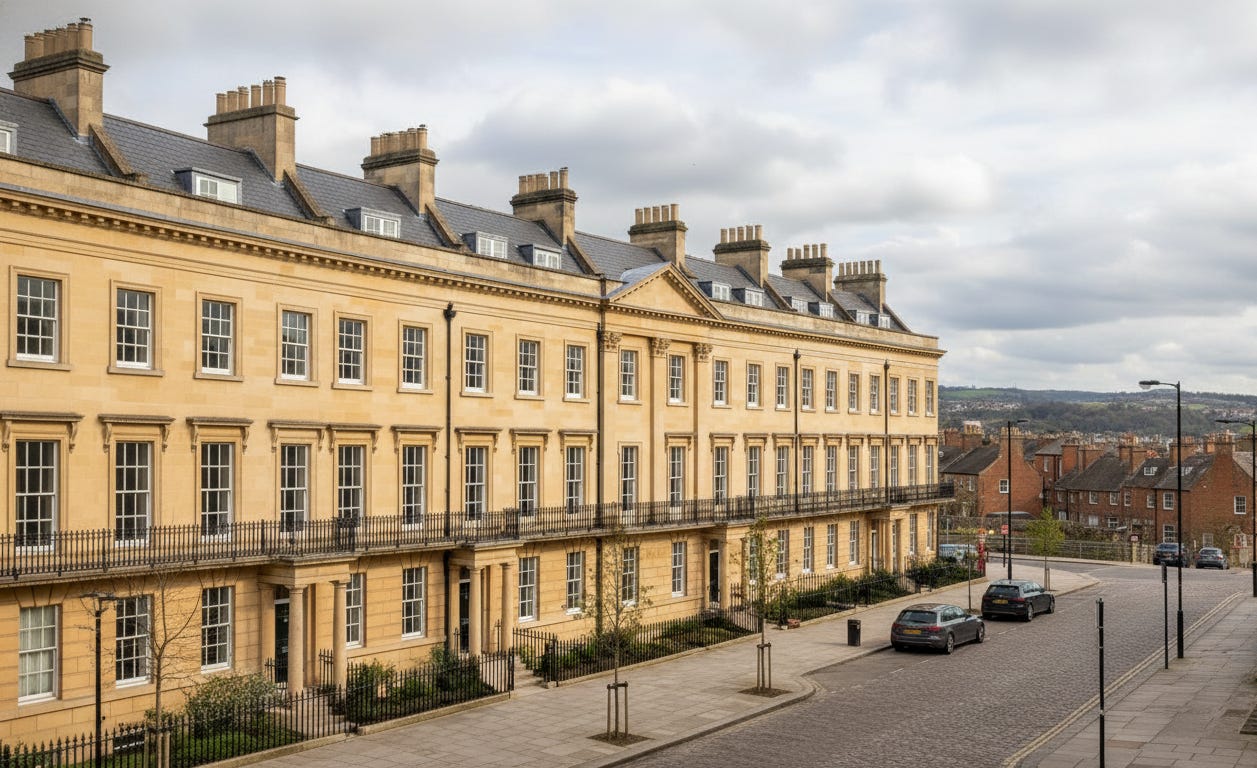
The year is 2041, and the Bristol Restoration Trust, or BRT, is looking back on a successful first fifteen years. In the city centre, it has caused handsome new buildings in Georgian-revival styles to be put up. They often replace postwar monstrosities like the former telephone exchange. The buildings along Lewins Mead – car parks, student housing, business centres and budget hotels, often prefabricated and always soulless, dating from different decades but always representative of the worst of British architecture – have all been demolished and replaced with elegant neoclassicism. In the suburbs, cramped Victorian terraces and postwar tower blocks alike have been replaced with beautiful mansion blocks.
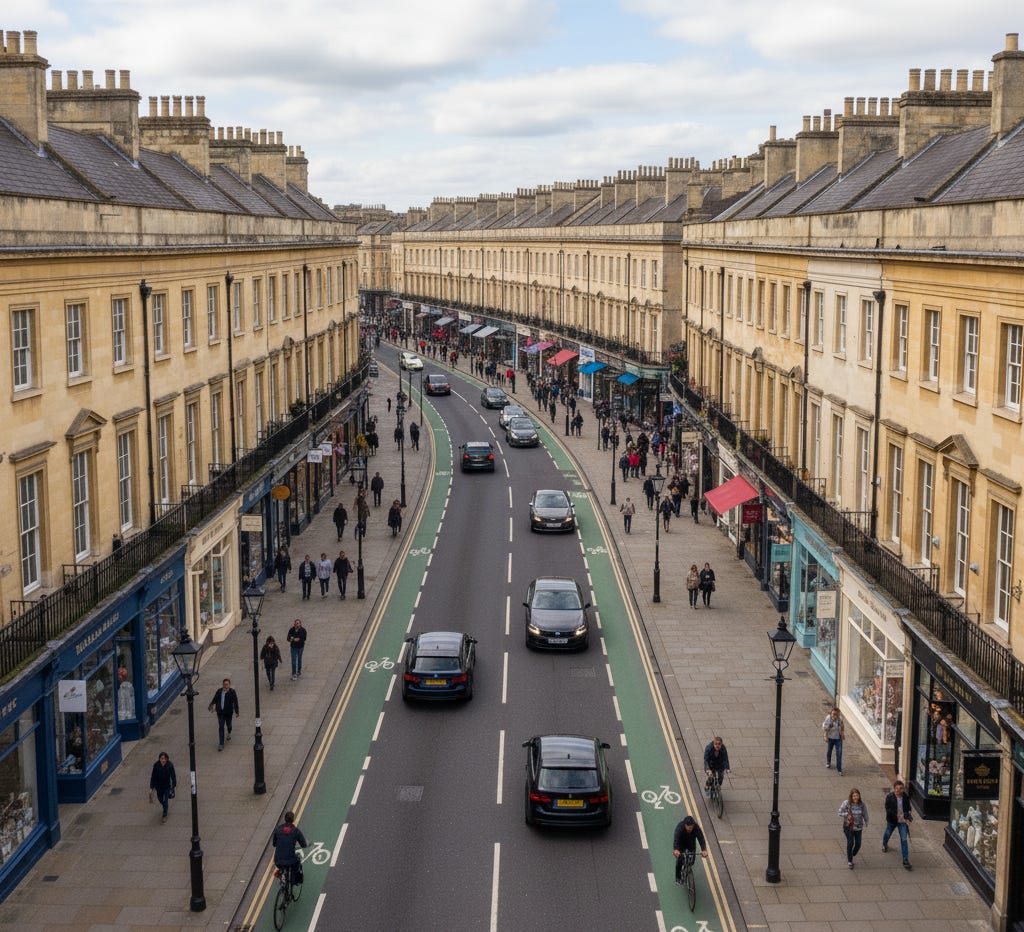
It is widely agreed that Bristol is a city in the throes of a renaissance. The BRT has helped cause a boom in new construction. Bristol is becoming pretty like nearby Bath, but bigger, younger, and funner. It is increasingly a smaller version of London, a city with an economic reach that expands well outside of the South West. What is more, all of this development has got Bristolians used to the idea that their city can change, and change for the better. It has not not eliminated NIMBYism – there were NIMBYs in ancient Rome – but it has certainly reduced its cultural salience.
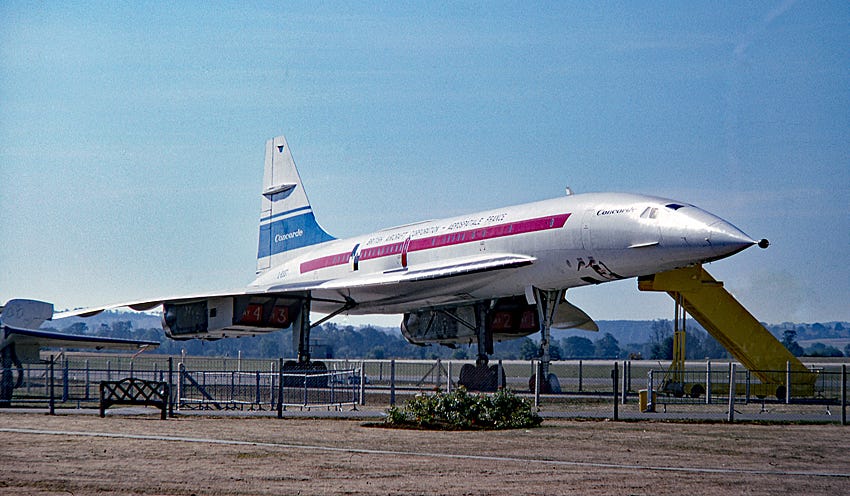
And the BRT has been no less generous with its endowment funds than with its architectural taste. In its early years, it was unable to spend very much money, as it built up those funds, but today it funds theatre and arts in the city, has helped to pay for the recent upgrade to Bristol’s railway network, and has stumped up half the cash for the Brunel-Concorde Museum, a museum of British innovation in technology, for which Bristol was the perfect site.
These funds come from the Holy Grail of planning – land value capture. The theory is simple enough. When a piece of land is granted planning permission, its value increases. This windfall is unearned: the value is not created by the owner, but by the planning authority changing the rules. The idea that this value can be captured, and used for public benefit, is not a new one, and finds support on both the Left and the Right, but what has been missing for decades is a sensible mechanism for capturing this value.
The BRT has just such a mechanism: community land auctions. The BRT invites sealed bids from landowners who wish to sell their land for development. It opens the bids, and then accepts bids on the sites which it wishes to be developed.
The restoration trust then grants planning permission for those sites, and holds a second auction to sell the land to developers, who develop them in accordance with the planning permission. The restoration trust keeps the difference. For instance, if a plot of land is sold to the restoration trust at £1 mn, but is worth £4 mn after the restoration trust has granted it planning permission, then the trust gains £3 mn.
The BRT was the first, but today it is not the only such restoration trust. Every big city in the provinces now has one, and London has several. Some smaller towns like Salisbury do too. The Coventry Restoration Trust is returning that city to the medieval beauty it once enjoyed; the Islington Restoration Trust is building mansion blocks in the style of the Georgian terraces so characteristic of that borough; and the Liverpool Restoration Trust’s rehabilitation of the commercial grandeur of that city has led to its being given the inelegant moniker ‘Manhattan-on-Mersey’. Not all of them have succeeded, it must be said. But for the most part, they have been successful at restoring British cities.
To understand restoration trusts, we need to look back to their origins in the mid-2020s, in particular to three problems, two of them important enough to be called crises, that simultaneously gripped Britain. The restoration trusts were a solution to all three.
Much ink has already been spilled about this. In the mid-2020s, Britain’s dysfunctional planning system was simply not very good at housing. It seemed determined to build homes anywhere except the places where people wanted to live. Together with ill-conceived environmental and building safety regulation, it had caused prices to skyrocket in every economically productive city.
But reforms to the planning system had proved immensely difficult to implement: the Götterdämmerung of Robert Jenrick’s proposed changes in 2020, which were scrapped after the government lost a by-election fought almost entirely on planning, loomed large in the minds of reformers. Rather than attempt to bulldoze their way through the system, or to try to make little tweaks that would only enable more houses to be built on the margin, reformers settled on a third way, the ‘sidestep strategy’. In several areas where reform was difficult, a parallel planning system would be set up. The restoration trusts were one such sidestep.
Sidestepping a broken system may seem like it engenders complexity, and to an extent this is true. But it is often much easier to set up a new institution than to try to corral an existing one into competence. Reforms usually meet with political resistance, especially when it comes to matters as sensitive as planning. A new institution is not trivial to set up – after all, people do tend to notice what you are doing – but it is often easier to order new parts for the machine than to try to repair the existing ones.
British local governments were once powerful entities. They built streets and homes; reservoirs, water works, gasworks and power stations; schools, technical colleges, libraries and art galleries; parks and swimming pools; tramways and airports; courthouses; cemeteries. It was possible to take genuine pride in their achievements. They were instruments of the creation of British civilisation.
But by the 2020s, they had fallen to the level of parish-pump almoners. They lost much of their financial autonomy in the 1980s, and their budgets were then cut back to the bone by central government in the 2010s. Over two-thirds of their budget went on social care. Put simply, by the 2020s local councils had become providers of social care which also happened to collect bins and decide on planning applications. They had no money to spend on anything other than the pile of statutory obligations placed on them by central government. Many had gone bankrupt. There was simply no cash to spend on nice things for the city.
Much like the planning system, this was a very hard problem to fix. And even if politically-difficult reforms to social care and council financing were implemented, restoring the power of local government would face another problem: state capacity. Local governments are not competent live players – how could they be, given the circumstances they operate under? They do not attract high human capital, either among the councillors or among the apolitical staff. Councils tend to be one-party states, often with a surprisingly high degree of corruption. The decline of local media means that they are subjected to little scrutiny. The problems build on themselves: as the quality of governance declines, councils’ ability to attract good people declines with it. There are, as always, exceptions, with some councils being surprisingly good at their role. But for the most part, local government lies in the benthic zone of administrative competence.
Restoration trusts sidestep this problem. They can do many of the things that councils ought to do, in an ideal world. They are brand-new institutions, so can establish state capacity and competence from scratch. They are unencumbered by social care obligations. They are also forced to be fiscally disciplined. Restoration trusts may not levy taxes; their money comes exclusively from land value capture and investing the proceeds. There is no implicit guarantee that central government will bail them out if they fail.
In the mid 2020s, parts of central Bristol were (and still are) lovely. The buildings along Corn Street, clad in handsome Bath stone, are a reminder of the wealth which its proud citizens channelled into architecture. Old Market Street to the east of the centre is charming; the City Hall is a fine example of 1930s neo-Georgian style; and, like Edinburgh, a sense of drama is added by the city’s hills.
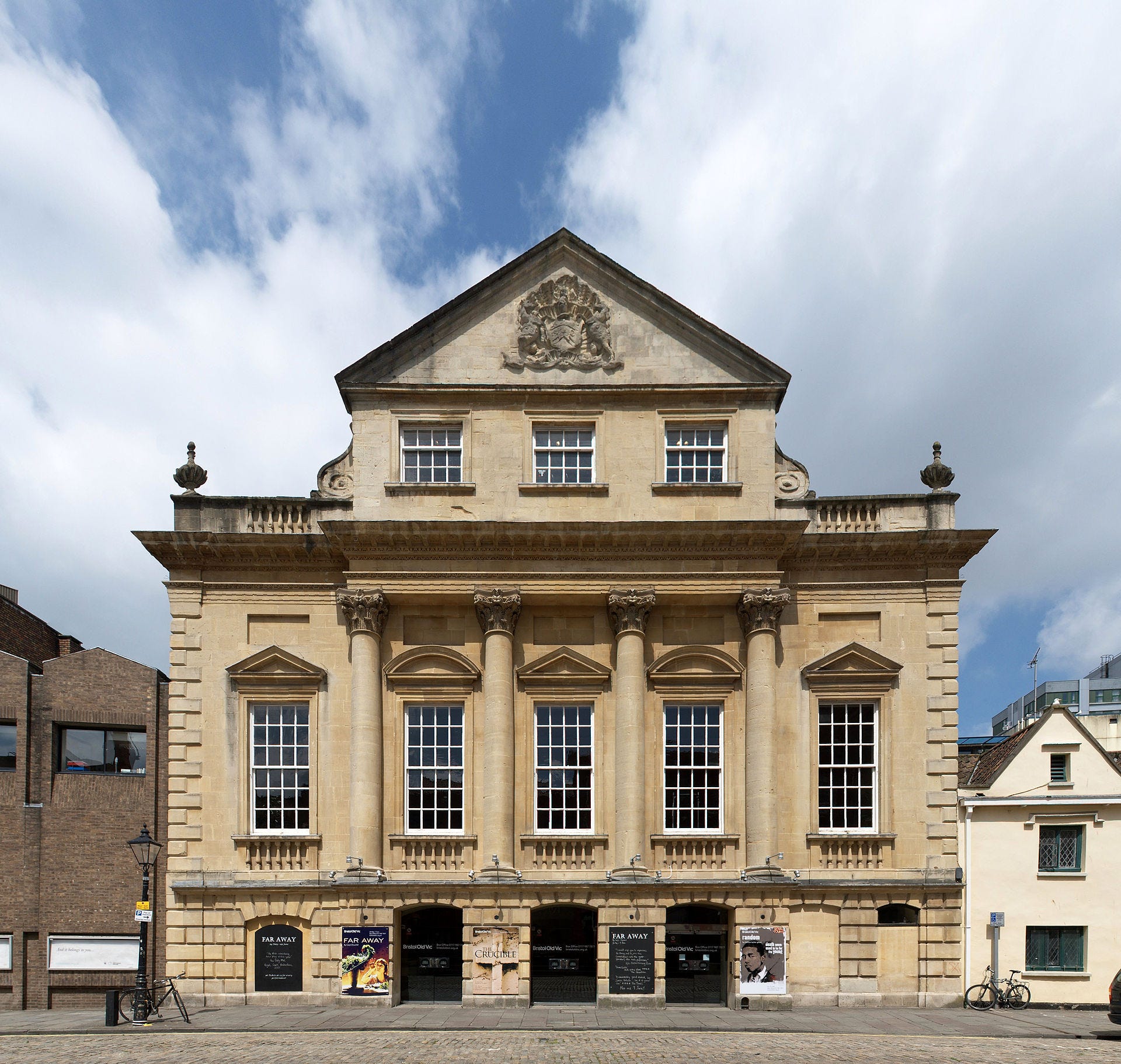
But much of Bristol was also ugly. The walk from the station to the centre used to involve picking one’s way through disused land, roads and car parks. The pretty independent shops along Old Market Street were cut off from the rest of the city by Temple Way, a big postwar arterial road, and the city centre was littered with ugly Modernist buildings. And the suburbs were full of miserable little nineteenth-century houses, or mid-twentieth century subtopia.
This is not the place to go into the many failures of British urban planning, from the Victorian period until the present day, except to say this – Bristol is typical. It has snatches of beauty mixed in with drab ugliness. Looking at old photographs, one is reminded that not only Bristol but also Birmingham, Bradford, Bolton, Bournemouth and even Brighton were once much more beautiful. The medieval cityscape of Coventry would probably be a UNESCO World Heritage Site had it not been obliterated, 20% by the Luftwaffe, and 80% by the planners.
Some cities have had success with restoring their urban fabric. In the late 2000s, Bath replaced the modernist shopping centre which intervened between the station and the city with a reasonably good piece of Georgian revival.
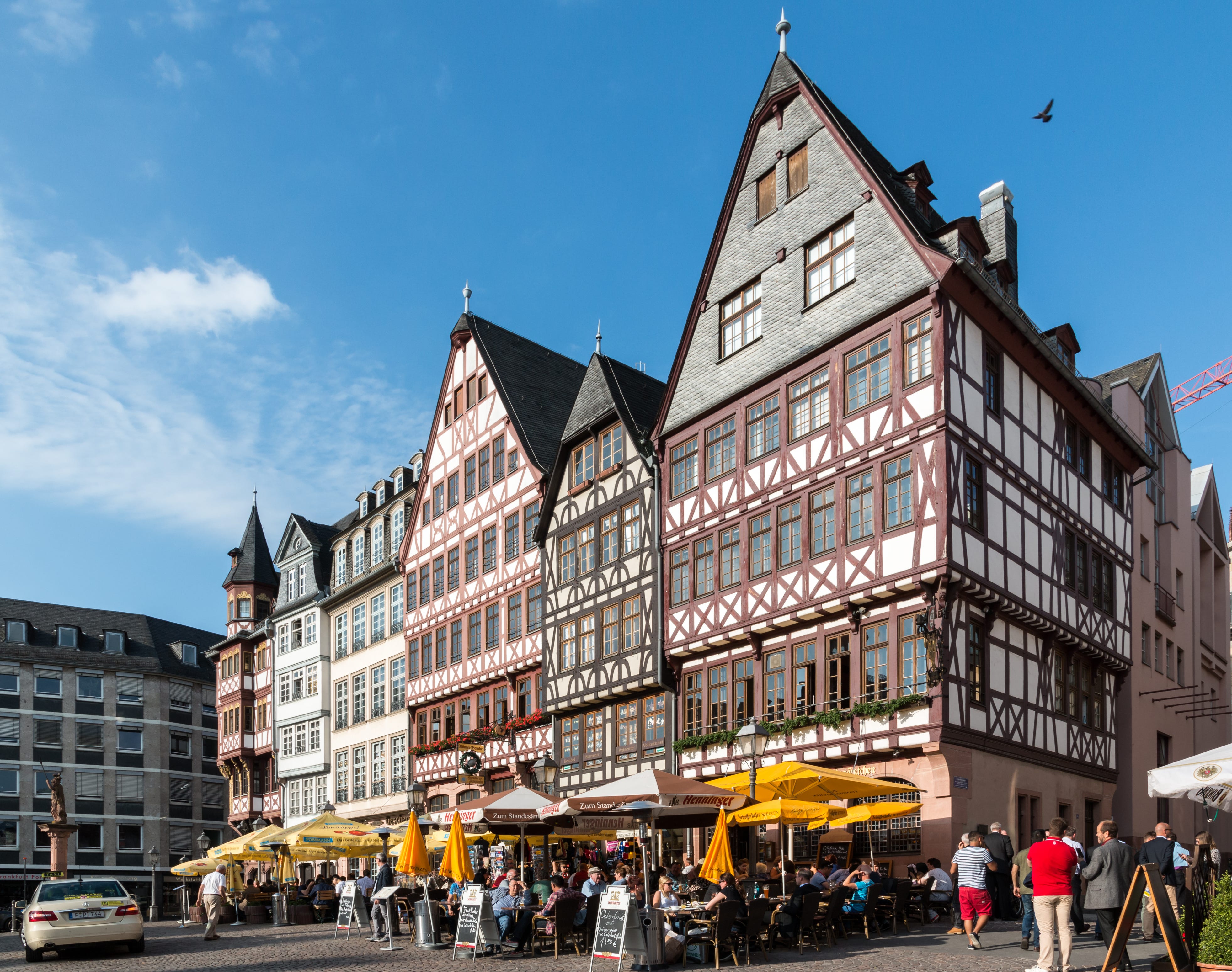
But really, we need to look abroad for examples. The canonical example of this is Frankfurt, which in the 1980s restored the medieval buildings that occupied the eastern part of its main square, the Römerberg, and in the 2010s added another set of reconstructed buildings on the site of an unpopular modernist building.
In the context of urbanism, ‘restoration’ does not mean rebuilding like-for-like. Many of the buildings created by the BRT look nothing like what used to exist, but this doesn’t matter; they are faithful to the traditions of knowledge that enabled us to build beautifully.
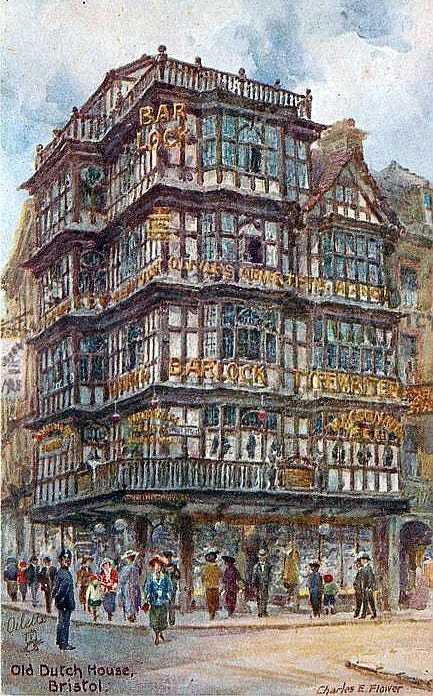
Tradition, they say, is about tending a flame, not worshipping ashes, and the BRT has helped reignite the flame of beauty. It has recently set up its own architectural school, where students can learn the process knowledge that the BRT and local architectural practices have built up over the past fifteen years.
When the BRT started, it was widely criticised on architectural grounds. The architectural establishment, which has been wedded to anti-beauty modernism for a century, hated it. The BRT simply ignored them: beauty is popular among the public, and ‘pastiche’ forms of architecture have a long and distinguished history. And thankfully, contrary to popular belief building beautifully does not have to be expensive. The ornamentation on Bristol’s buildings has mostly been mass-produced: Monumental Labs are by now a mature company, using robots to manufacture sculpture and ornament. They have, in fact, opened a major factory in Bristol.
The Bristol Restoration Trust shows that it is possible to make cities beautiful again. Quite simply, before the BRT nobody knew what was possible, because most of the buildings put up since 1939 had been ugly. As a result, everybody prophesied its failure. It success proves the power of building new, focused, and competent institutions, with well-aligned incentives. It is a blueprint for getting things done.
No posts
Comments
Nothing yet. Say the first thing.
Sign in to join the conversation.