
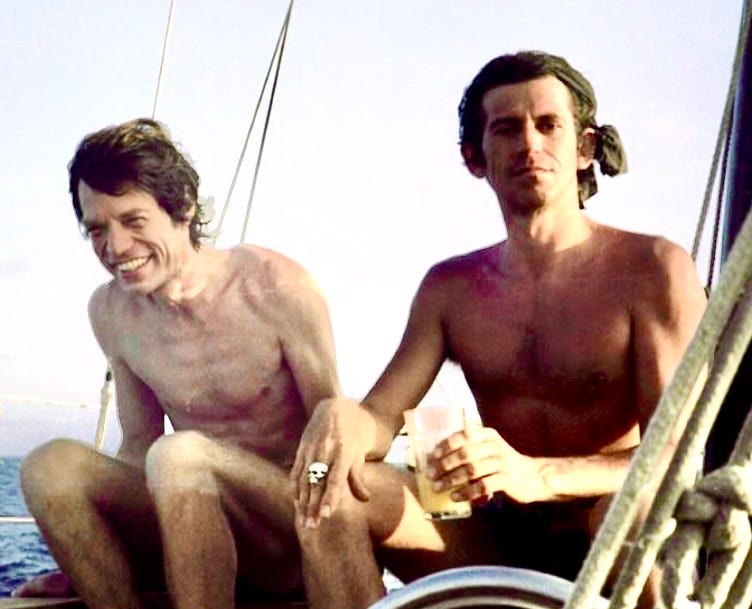
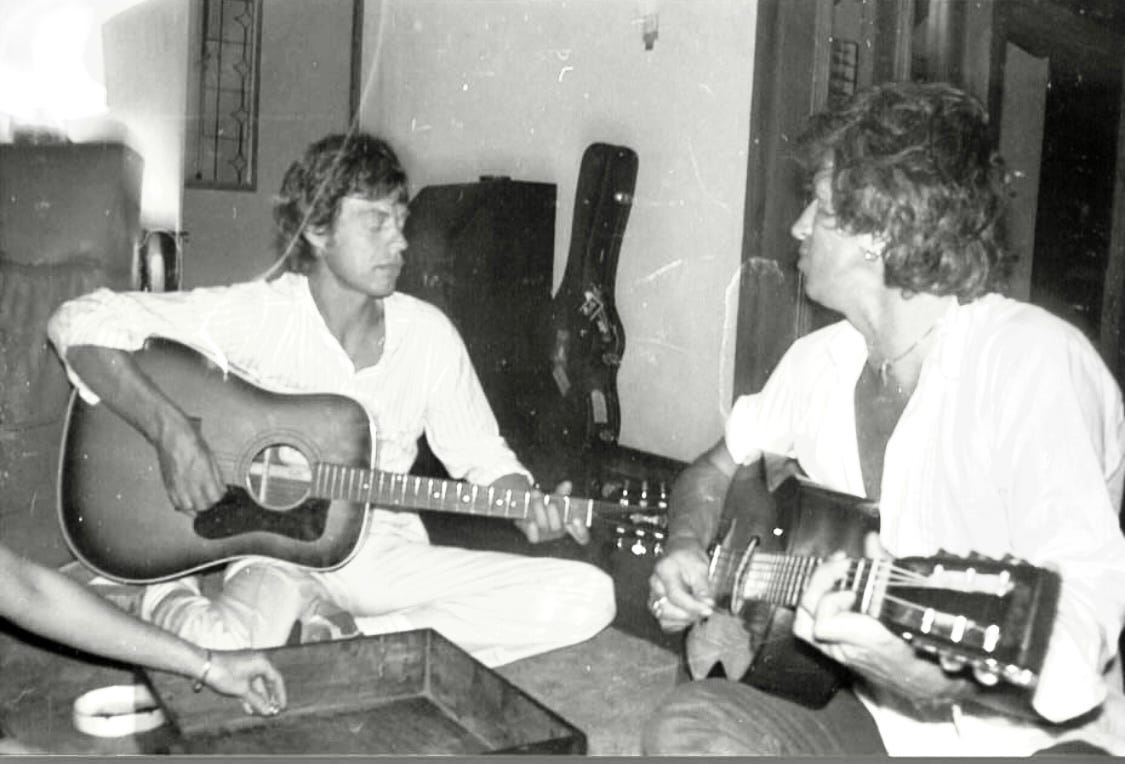
For decades, Mick Jagger and Keith Richards created music unlike almost any other songwriting partnership. One would bring in an idea, the other would reshape it. Keith would add or change a riff. Mick would add or rewrite lyrics. Songs evolved through creativity, debate, conflict, compromise, and mutual respect. The result wasn’t a Mick Jagger song or a Keith Richards song. It was a Rolling Stones song.
The ability of these two guys to collaborate and create new music was the fuel that gave the Stones engine what it needed to run efficiently. When they started, they played covers. Like the Beatles. When their manager forced them to write their own songs, like the Beatles, they needed help. Who did the call, their friends the Beatles. John and Paul gave them a song they’d written called “I’m gonna be your man.”
At first, they wrote songs for others, including this little jingle in 1964 advertising Rice Krispies. In this Howard Stern interview with Keith, he explains how and why they wrote songs first for other people, before finally feeling comfortable enough to bring a song to the rest of the band for the Stones to record it.
Once they defined the process, they were off to the races, and within a year they’d written and recorded “Satisfaction.” Within a few years, they were putting out classic songs, and classic albums that are forever etched in rock and roll history, and they were not only bandmates, but also close friends, or “thick as thieves” .
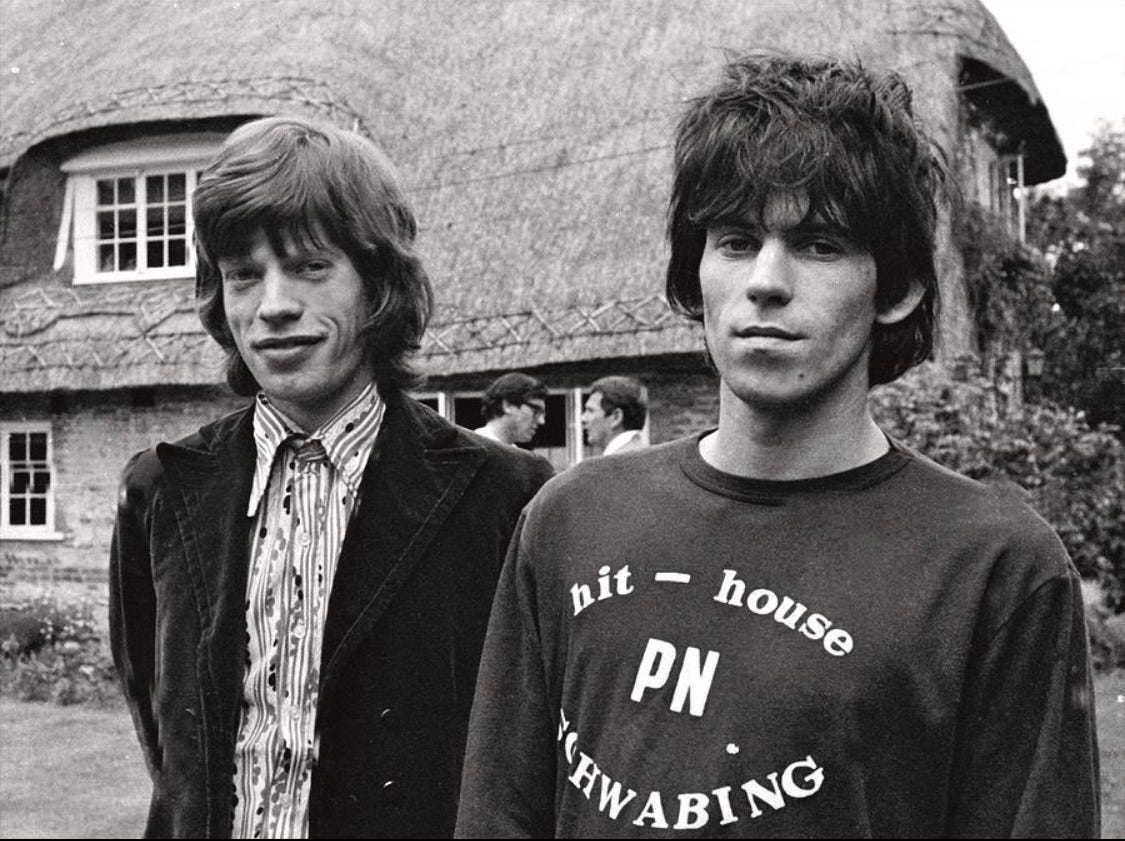
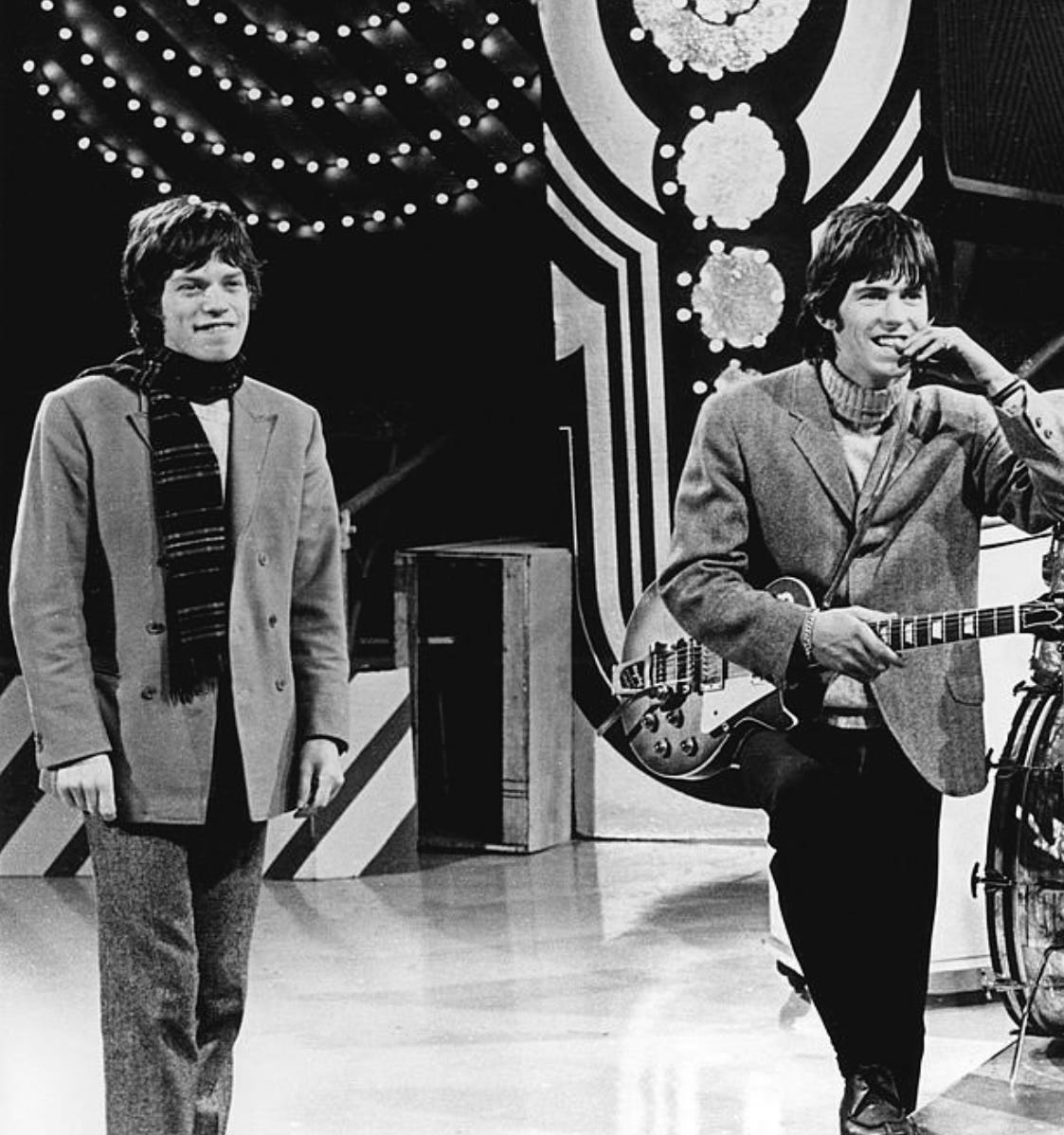
Then…sadly…that process gradually changed as events transpired that started to drive wedges between Mick and Keith. As can be the case, sometimes these wedges can be driven by a woman, and that’s exactly what happened when both Mick and Keith were smitten by Brian Jones girlfriend Anita Pallenberg.
Besides Mick and Keith, no one person has influenced the Rolling Stones more than Anita, especially after she left Brian, for Keith. Interestingly, after she passed, her and Keith’s son Marlon found her journals, and this film , “Catching Fire” was made from her own words that tell the story.
One of the first major wedges between Mick and Keith emerged during the filming of Performance in 1968. Keith was deeply unsettled by Mick's increasingly on-screen intimate relationship with his co-star and Keith’s GF, Anita Pallenberg. According to several accounts, Keith spent time sitting outside the filming location in his car. In Life, Keith recalls writing the opening riff to "Gimme Shelter" during that same period while sitting in Robert Fraser's Mount Street apartment as a violent storm rolled over London. Whether inspired by the storm, the turmoil in the world, or the turmoil in his personal life, many fans hear that tension in what is often regarded as the Rolling Stones' greatest recording.
According to Anita Pallenberg’s journals, after filming she, Keith, Mick, and Marianne Faithfull traveled together by barge to South America. Anita claimed that Mick asked her to leave Keith for him, but she refused. She believed Mick later expressed his feelings in “You Can’t Always Get What You Want,” although that remains Anita’s interpretation rather than an established fact.
The next major turning point came in 1977 when Keith and Anita were arrested in Toronto on heroin charges. Keith faced the possibility of a lengthy prison sentence, but after getting clean and demonstrating his commitment to rehabilitation, he received a suspended sentence and a benefit concert order instead of prison. During the uncertainty surrounding Keith’s future, Mick naturally assumed greater control over the band’s business affairs. By the time Keith was fully engaged again, that balance of power had shifted.
By the mid 1980s, the relationship between Mick and Keith had deteriorated so badly that Stones fans jokingly referred to it as “World War III.”
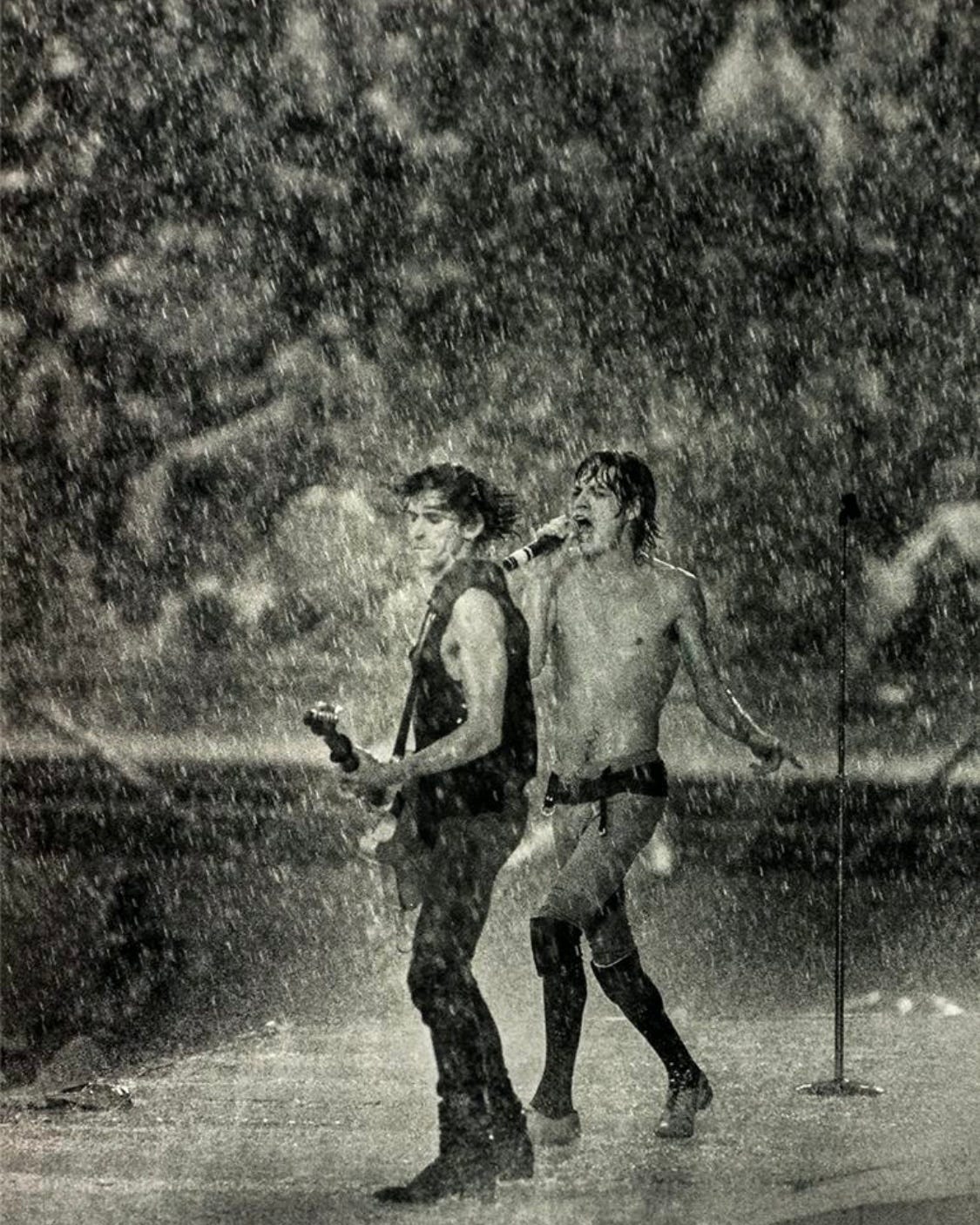
As a fan, this was sad. It was the type of dynamic that broke up the Beatles, and other bands, and we all were holding our breath. Tey did very little following their 1981-82 world tour until they reconnected to record “Voodoo Lounge” and embark on another massive world tour.
During that dormant period, Mick pursued a solo career while Keith believed the Rolling Stones should remain the priority. Public criticism replaced private collaboration, tours stopped, and for several years it wasn’t clear whether the band would survive. Most bands facing this level of conflict don’t survive, which is sad when you think of all the great music they missed making, and the music we missed hearing; The Beatles, Led Zeppelin, Pink Floyd…this list goes on.

When the Stones eventually reunited, Mick and Keith did their best to bury the hatchet, but the creative process had changed as well. Rather than the classic Jagger and Richards collaboration that produced the remarkable run of albums from Beggars Banquet through Some Girls, Mick increasingly arrived with songs that had already been developed through demos and outside collaborators. Keith has often expressed a preference for the older, more collaborative approach, where songs evolved organically in the studio with the full band. At the same time, the music industry itself was changing. Revenue shifted away from record sales toward stadium tours and merchandising, areas in which Mick proved to be an exceptionally successful leader.
The Rolling Stones became one of the biggest live acts in history, breaking attendance and revenue records around the world. But many longtime fans feel that after Some Girls in 1978, while the band continued to make worthwhile albums, they never again matched the extraordinary creative streak that defined their work from the mid-1960s through the late 1970s. Mick remained the driving force behind the band’s business decisions. He oversaw enormous world tours, marketing, and much of the direction of new albums. Many songs arrived in the studio as well developed demos, often with outside collaborators already involved. Keith never hid his discomfort with that evolution. Over the years he repeatedly questioned whether outside writers and fashionable producers improved the music or simply pulled the Stones further away from what had always made them unique.
One interesting song they did seem to collaborate on when they released “Voodoo Lounge” in 1989 was kind of a make up song called “Mixed Emotions”:
“Let’s bury the hatchet
And wipe out the past
And make love together
Stay on the path
You’re not the only one
With mixed emotions
You’re not the only ship
Adrift on this ocean”
But, for the most part, the quality of the songs they’ve written and recorded has been a step back from some of the “War Horses” of the past, which may be why their concerts seem to have become a display of their catalogue depth, with only a scattering of new materiel played.
So in the 90s and into the millennium, it was nice to see Mick and Keith seeming to get along. but another wedge came up when Keith published his book “Life”, as he took some jabs at Mick. I think Mick's comment that the book was "very funny" but also "a bit bitchy" is probably the most revealing. It shows he appreciated Keith's storytelling but felt some of the personal digs crossed the line. That episode became one of the last major public flare-ups before Keith apologized, and their relationship noticeably improved in the years leading to Blue & Lonesome and Hackney Diamonds, their last two albums, which I enoyed, but I still didnt feel the spark of a new Stones album I last felt with Some Girls almost fifty years ago…
… and that’s exactly why Foreign Tongues feels different to me.
Ironically, Andrew Watt, whose their new producer. is one of those younger producers Keith might once have dismissed as another trendy outsider, but he seems to have understood something many others missed.
The magic has never been Mick.
The magic has never been Keith.
The magic has always been what happens when Mick and Keith challenge each other, and in the case of Foreign Tongues, when they collaborate together, and especially when they sing together.
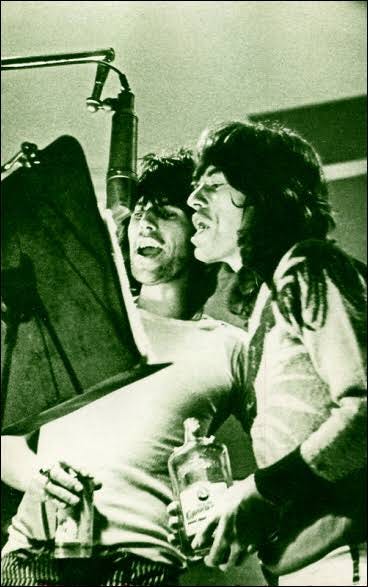
This album feels like someone finally put the Glimmer Twins back in the same room, and it gives hope to what could be…once again. .
I’m not suggesting every song was written from scratch the way they worked in the late 1960s and early 1970s. We know that’s no longer how the Stones operate. Mick still appears to have brought many of these songs to the sessions. But this time something feels different. Keith’s fingerprints are clearly on the record, and with Andrew pushing the petal to the metal, the results are better than Hackney Diamonds, or anything they’ve done since Some Girls.
Keith’s guitar riffs don’t simply decorate Mick’s songs. They transform them.
His vocals aren’t limited to one or two obligatory Keith tracks. Throughout the album he becomes an active musical partner again, whether trading verses with Mick, adding harmonies, or providing the grit that balances Mick’s polished delivery.
That vocal interaction may be the biggest surprise of the entire album, especially when you hear how polished Micks vocals on this album are.
One of the defining characteristics of the classic Stones was hearing Mick and Keith sing together. Somewhere along the way that became increasingly rare. On Foreign Tongues, it returns again and again. Whether it’s the beauty of “Some of Us,” the chemistry of “Bad Luck Hideaway,” or the exchanges that appear throughout the record, their voices remind us that they’re at their best when they’re telling the same story instead of separate ones.
Musically, Foreign Tongues also reminds me of another Stones masterpiece.
Not because it sounds like Some Girls.
Because it thinks like Some Girls.
One minute you’re listening to Chicago blues. The next it’s garage rock. Then country, funk, dance rock, soul, pop, punk, acoustic blues, or a heartfelt ballad. Every song has its own personality, yet the album somehow feels completely cohesive.
The beauty of a well crafted Stones album is exactly that variety. With each listen, a song that at first rang a bit hollow can reveal an entirely new perspective.
That willingness to explore has been missing from many later Stones albums, which often stayed within a narrower musical lane. Here, the band sounds curious again.
Several songs deserve special mention.
“Bad Luck Hideaway,” although left off the album itself, may be my favorite recording from these sessions. Mick and Keith trade vocals in a way that immediately recalls “Memory Motel” and “Salt of the Earth.” It has one of the strongest choruses they’ve written in years and perfectly captures what makes this era of the Stones exciting.
NOTE- If you’re a subscriber and haven’t heard “Bad Luck Hideaway” send me a private message with your email and I’ll send you a copy.
“Divine Intervention” is my favorite straight ahead rocker on the album. Keith’s guitar weaving immediately grabbed my attention, while Steve Jordan plays with just enough looseness to remind me of Charlie Watts without trying to imitate him. Mick’s lyrics weave naturally through the guitars, making this one of the album’s highlights.
“Ringing Hollow” may be the album’s most misunderstood song. On the surface it’s country music. Underneath it’s a love letter to America filled with concern rather than anger. Mick questions where the country is headed while Keith’s response seems almost reassuring. Together they capture both disappointment and hope.
Keith’s “Some of Us” is among his finest ballads in years. It’s humble, reflective and deeply human. The closing conversation between Mick and Keith quietly becomes one of the emotional high points of the entire record.
“Covered in You” may be the album’s biggest grower. It begins as a love song before gradually expanding into something much larger, mixing personal relationships with political frustration. Whether Mick intended listeners to draw parallels between world affairs and his own relationships is open to interpretation, but that’s exactly what makes the song so fascinating.
There are wonderful moments throughout the rest of the album as well. “Back in Your Life” reminds us how well Mick writes about relationships. “Mr. Charm” becomes another example of Keith elevating one of Mick’s songs through his guitar work. “You Know I’m No Good” pays respectful tribute to Amy Winehouse while still sounding unmistakably like the Rolling Stones. “Side Effects” gives Keith one of his most brutally honest lyric sheets in years, while “Beautiful Delilah” closes everything with the simplicity of two old friends playing acoustic blues together.
I’ve now listened to this album enough times to know my rankings will continue changing.
The songs keep revealing themselves.
That may be the greatest compliment I can pay any album.
I don’t know whether Foreign Tongues will eventually stand alongside Some Girls, Tattoo You, or the other classics.
Time will answer that.
What I do know is this.
It’s the first Rolling Stones studio album in nearly fifty years that has made me feel like Mick Jagger and Keith Richards are creating music together instead of simply recording on the same album.
For a lifelong Stones fan, that may be the most exciting thing of all.
This is Part II
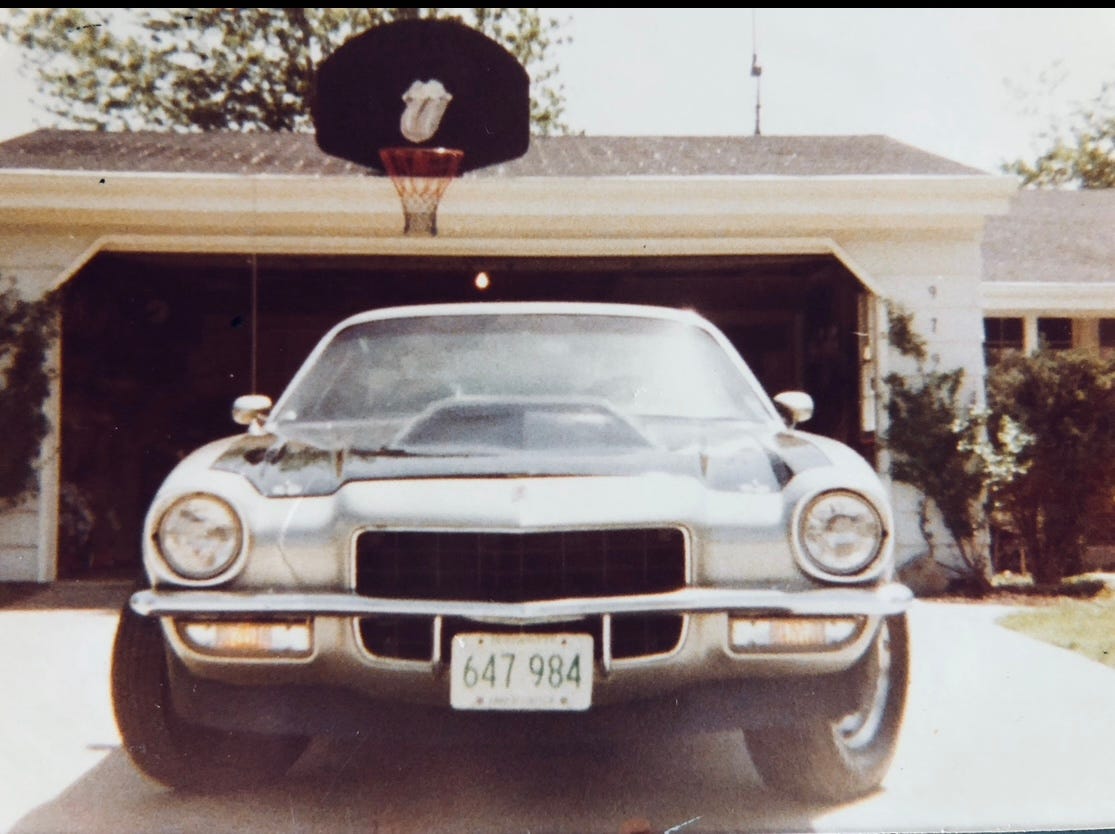
In 1975, I had a 72 Camaro and a Stones Tongue on my backboard. I was 16.
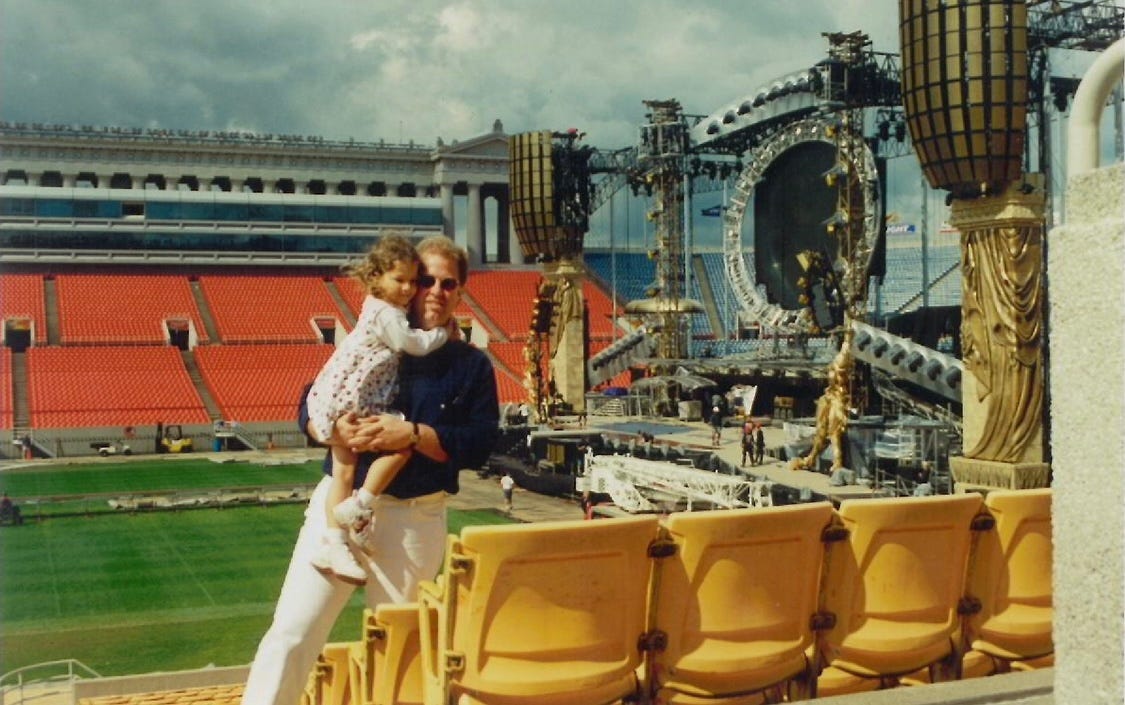
Our first child is named Chelsea. She’s named after the place where the Stones first lived and collaborated. Here we are after sneaking into Soldiers Field for the soundcheck before opening night of the Stones tour in 1997.

We were in Chicago a few days before the 1997 tour started, staying with my parents. I was lucky enough to get into the Double Door club gig a couple nights before.
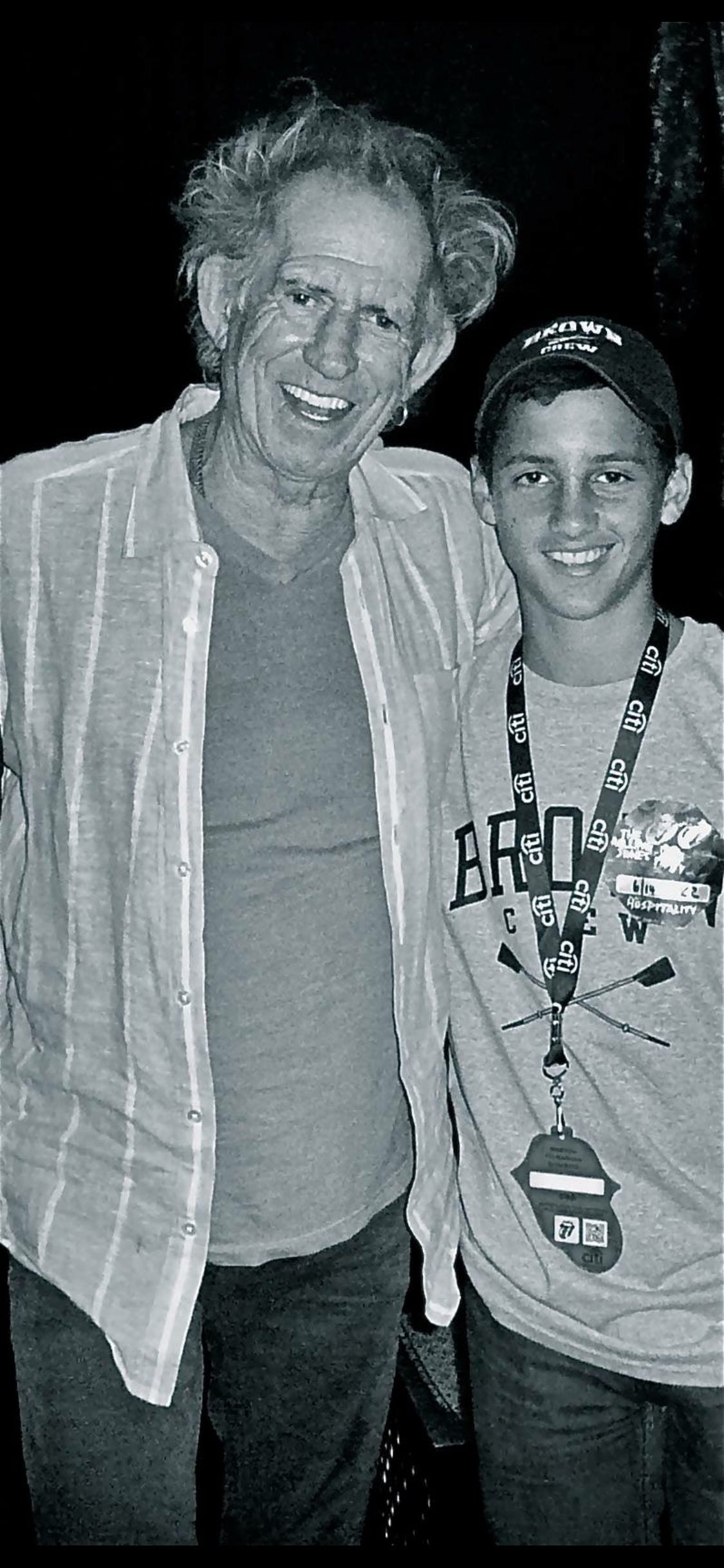
A few years later our son was born, who we named after Keith, and we got to intro our kids to Keith, and his kids, in Paris.
Years later they reunited in Boston..
No posts
Comments
Nothing yet. Say the first thing.
Sign in to join the conversation.