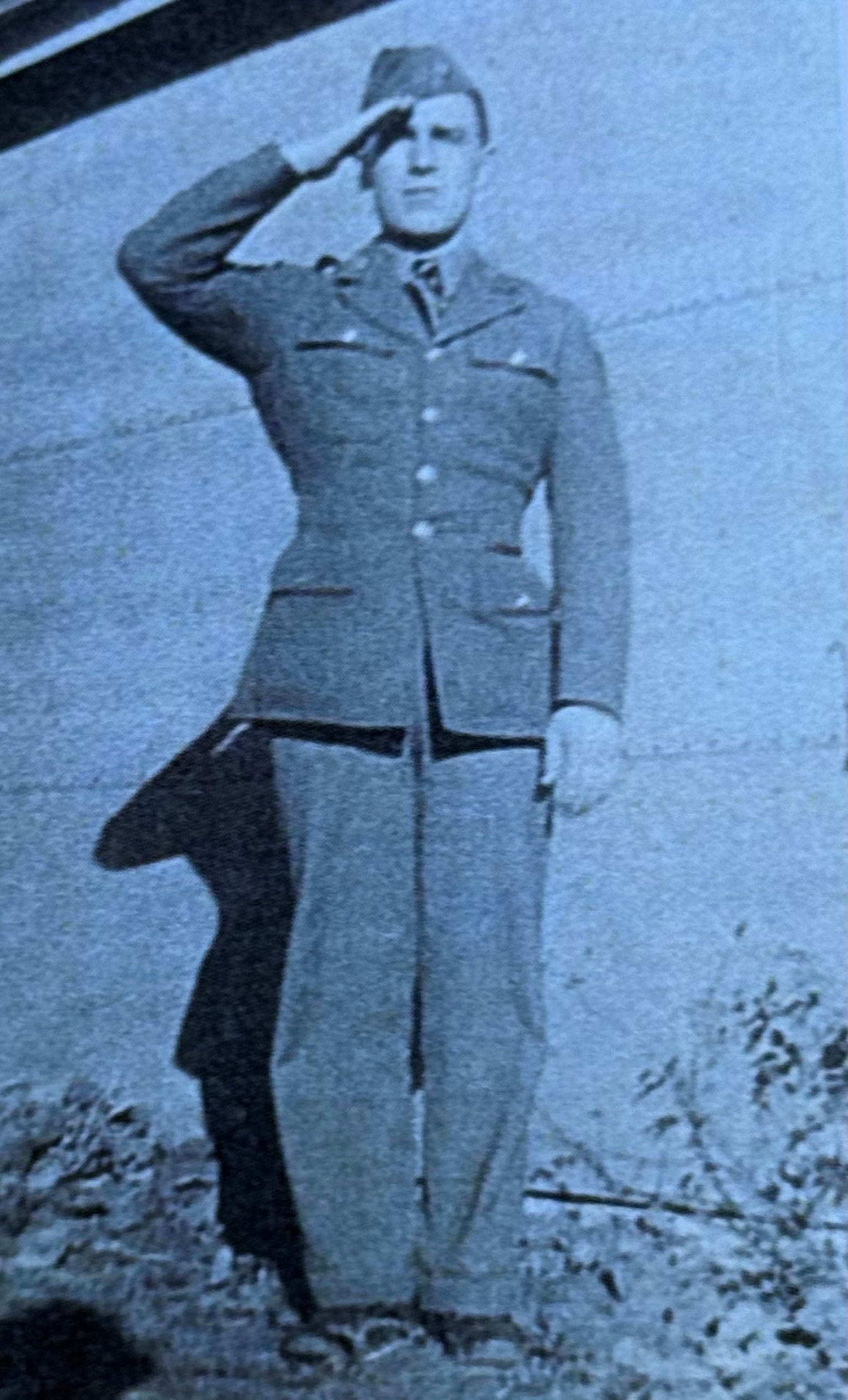
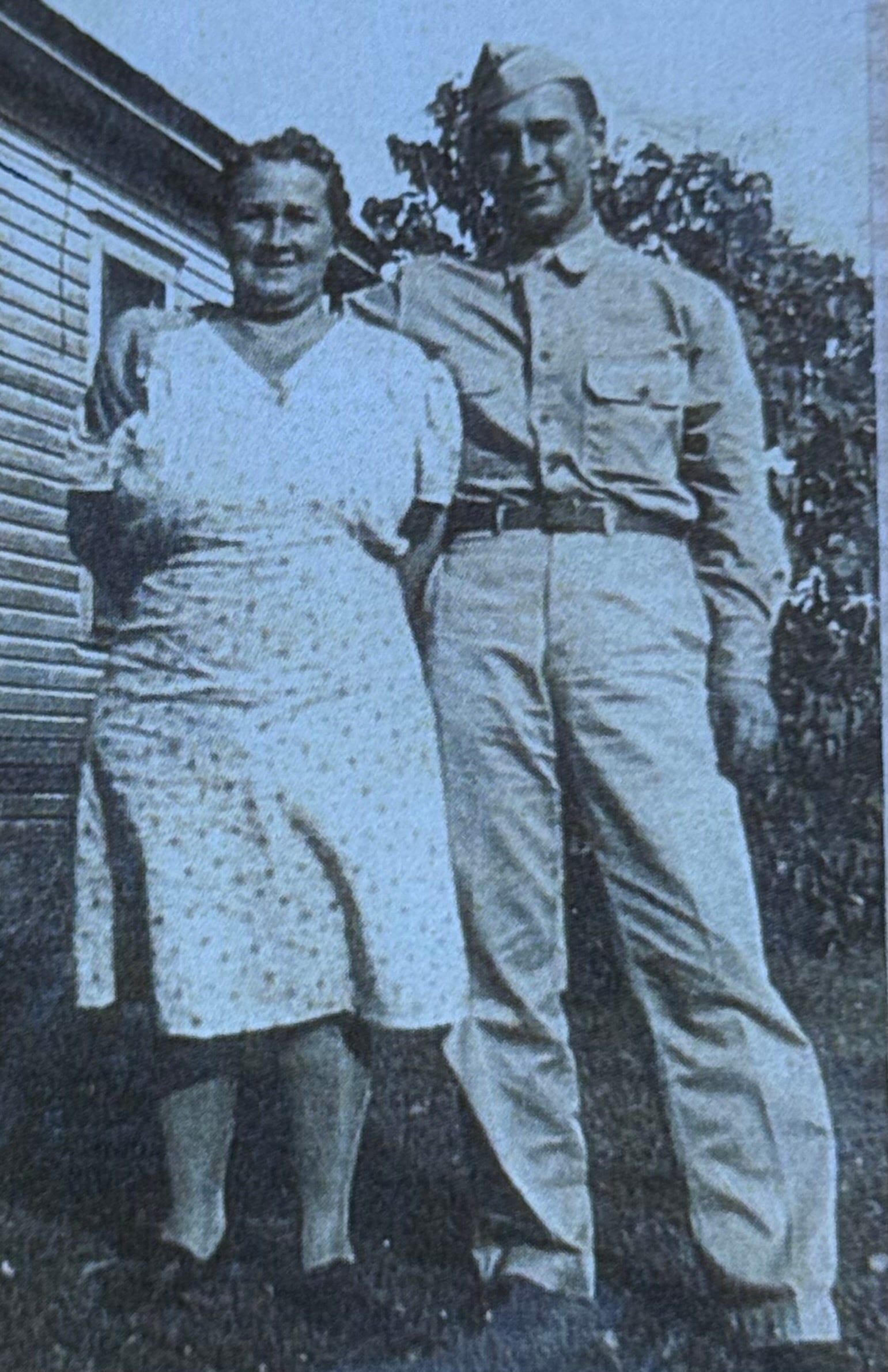
As I wrote about in Part One, The Nine Lives of My Father, my Dad was a WWII veteran who never talked about the war.
That changed one night in 2003.
Frank was 82 years old and lying in a hospital bed, waiting to undergo a five way bypass the following morning. Maybe he thought he wasn’t going to make it. Maybe after nearly 60 years he was finally ready to talk about things he had spent most of his life trying to forget.
Whatever the reason, that night he started telling me about the war.
He told me he was an artilleryman. He told me he landed in Sicily as a 24 year old soldier during the Allied invasion. He remembered the Generals he served under: Patton, Montgomery, Bradley and Mark Clark. He talked about the race across Sicily to Messina, Naples, Monte Cassino and Anzio.
And he told me about one event that would be pretty difficult to forget.
His unit was among the Allied soldiers who mistakenly fired on American airplanes carrying our own paratroopers over Sicily.
I listened to all of it that night, but I never wrote down his unit number.
More than 20 years later, that has become a challenge.
When my wife booked an Italian vacation for the month of August and asked where I wanted to go, the answer was simple:
“To the beach where my Dad landed during WWII in the invasion of Sicily.”
So we booked the itinerary, from Lake Como to the island of Malta, then Sicily, the Amalfi Coast and Capri.
The next step was to find the laptop from 20 years ago where I wrote down my Dad’s story. Unfortunately, I have a lot of old laptops and most are missing their power cords, so that didn’t happen before I left.
I also figured I could find what unit my Dad was in through the internet or some other Army source, but that turned out to be more difficult than I envisioned.
Like millions of other WWII veterans, many of Frank’s Army personnel records were lost in the catastrophic 1973 fire at the National Personnel Records Center in St. Louis. The fire destroyed approximately 16 to 18 million military personnel files, including an estimated 80 percent of Army personnel records for soldiers discharged between 1912 and 1960.
So I have spent the past couple months trying to reconstruct my father’s war from the fragments he left me.
And today, more than 80 years after Frank arrived in Sicily, I am doing something I never imagined I would do.
I’m on a large ferry crossing the Mediterranean, en route to Sicily.
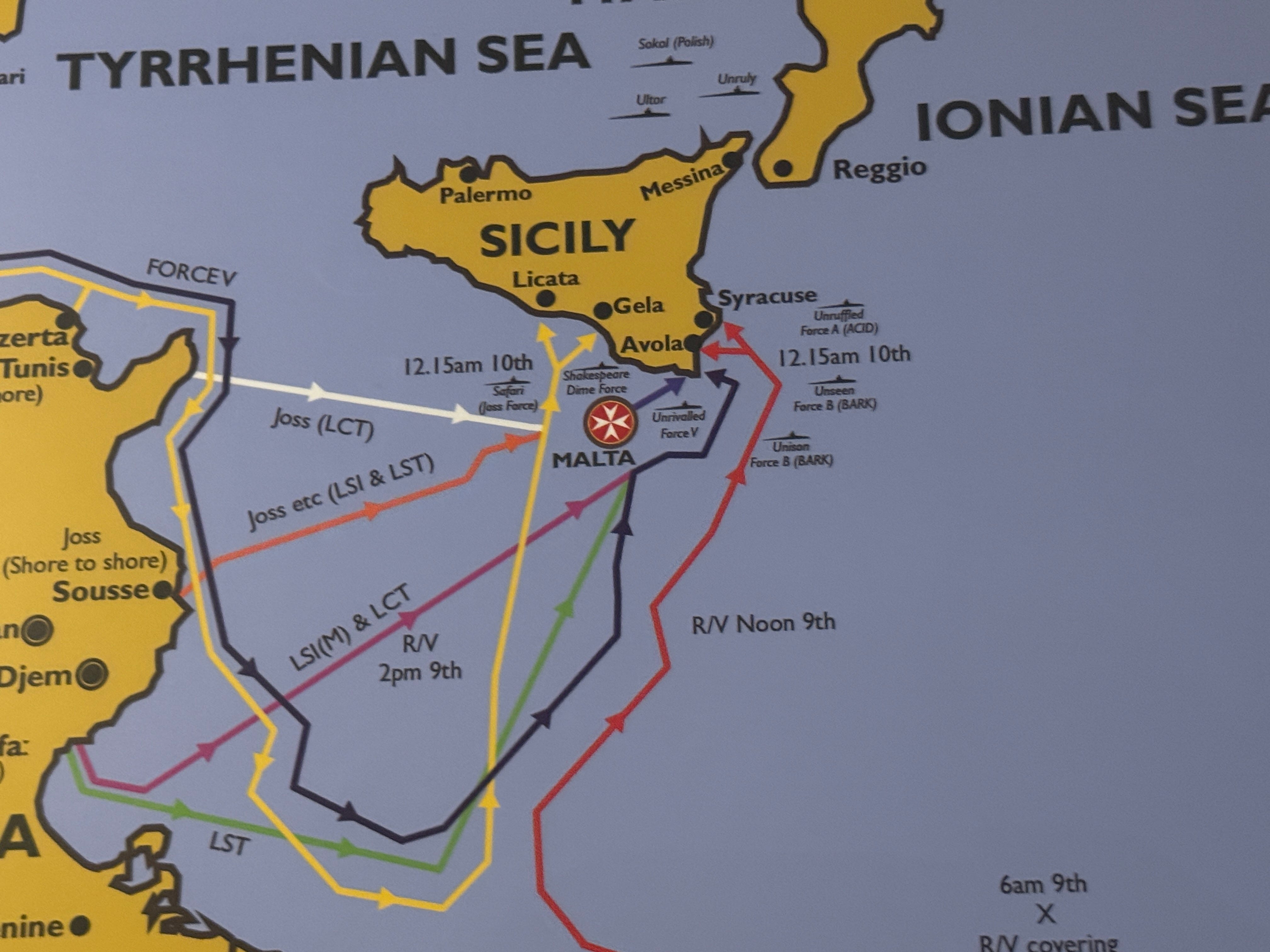
In the middle of the night on July 10, 1943, my Dad was also on a boat crossing the Mediterranean, but there were a few key differences.
We booked club level with nice reclining seats and air conditioning.
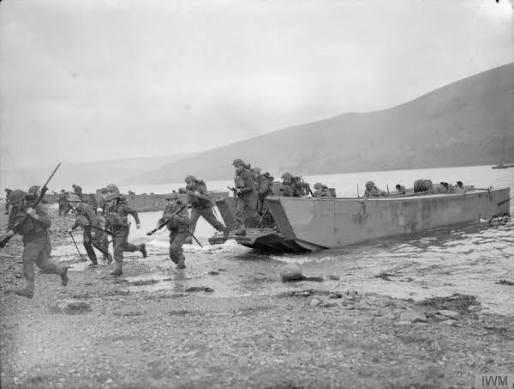
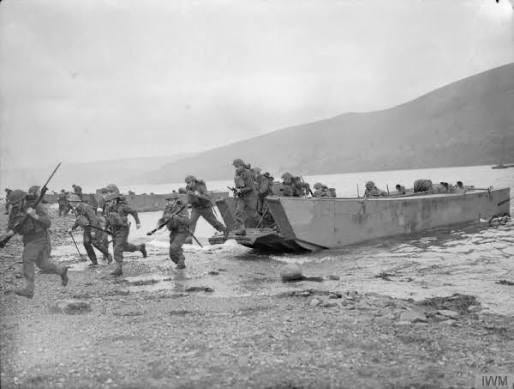
From what my Dad told me, he was crammed into a military transport boat with 25 other soldiers, shoulder to shoulder, and many of them were ralphing because the night before, the big wigs decided to throw them a party and everyone drank way too much cheap red wine.
We left from Malta.
He left from North Africa, where he and roughly 140,000 other Allied troops were staged for an invasion that most of them knew very little about.
They didn’t know exactly what was waiting for them.
And for many, it would be their last day on Earth.
We landed at Pozzallo, about 55 miles from Gela.
My Dad landed at Gela.
When Perla and I added Malta to our Sicily trip, I had no idea it would become part of my father’s story, and a key part of my research into his war.
I knew almost nothing about Malta. Valletta looked like a cool city, it was supposed to be rich in history, and it seemed like a fun place to spend a few days.
Then, as I started researching my Dad’s path through Italy, I discovered that during WWII Malta was a British colony sitting almost perfectly in the middle of the Mediterranean, between North Africa, Sicily and mainland Italy.
That location made this tiny island strategically priceless to both the Axis and the Allies.
It also nearly got Malta destroyed.
Beginning in June 1940, Italian and later German aircraft pounded the islands. Approximately 17,000 tons of bombs fell on Malta during the siege. During the worst periods of 1942, Malta became one of the most heavily bombed places on Earth.
Thousands of buildings were destroyed or damaged. Valletta was devastated. Maltese civilians spent countless nights underground, taking refuge in an extraordinary network of shelters and tunnels carved into the limestone beneath their cities.
Hitler and Mussolini knew Malta was dangerous because British aircraft, ships and submarines operating from the island could attack Axis supply lines throughout the Mediterranean.
But underneath Valletta was something else.
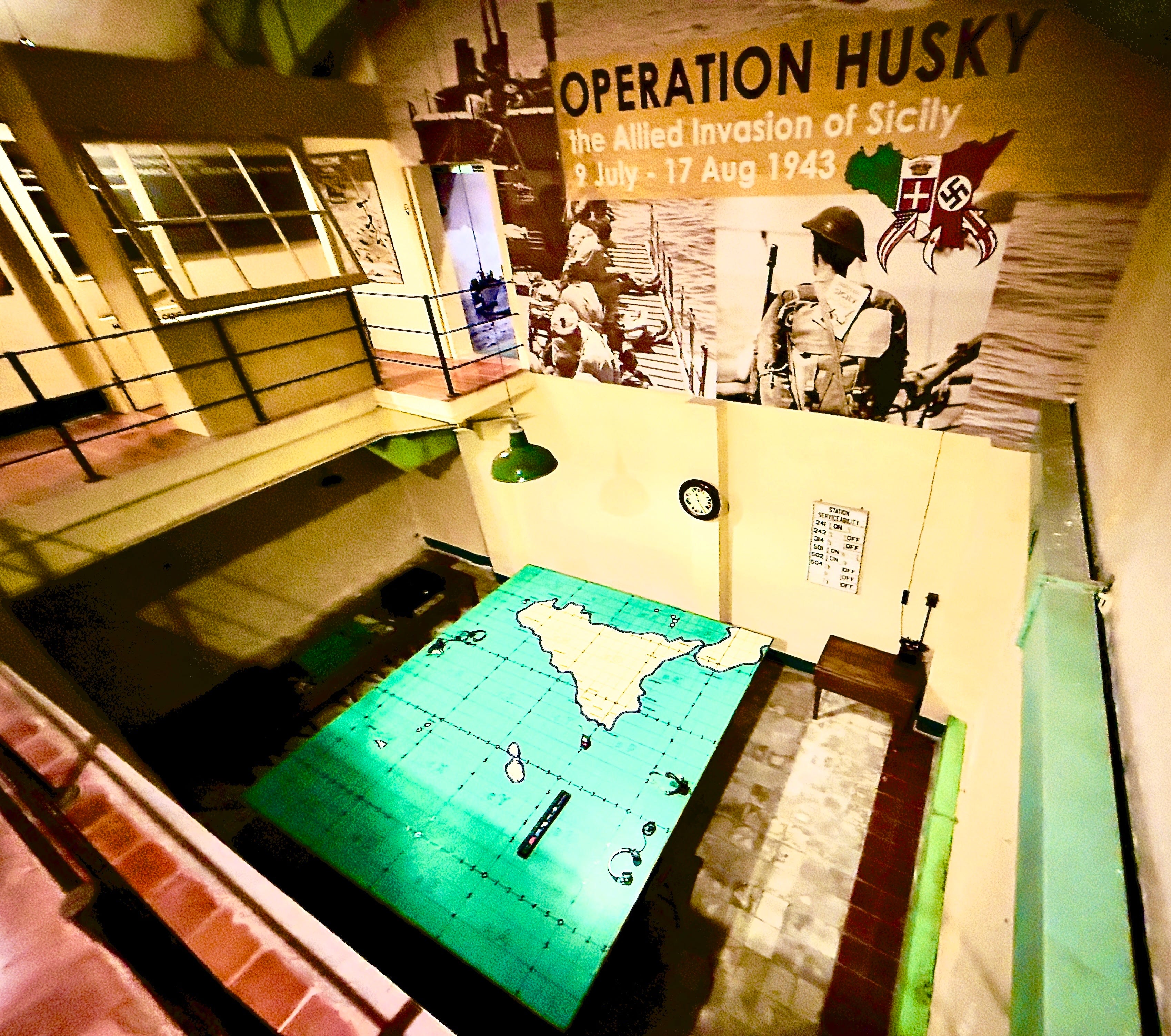
Deep inside those tunnels, the Allies established an underground command complex known today as the Lascaris War Rooms.
And that is where our vacation suddenly crossed paths with my father’s war.
I thought his story would begin for me in Sicily.
What I didn’t know was that inside those tunnels under Valletta, Allied commanders were helping coordinate and direct the coming invasion of Sicily.
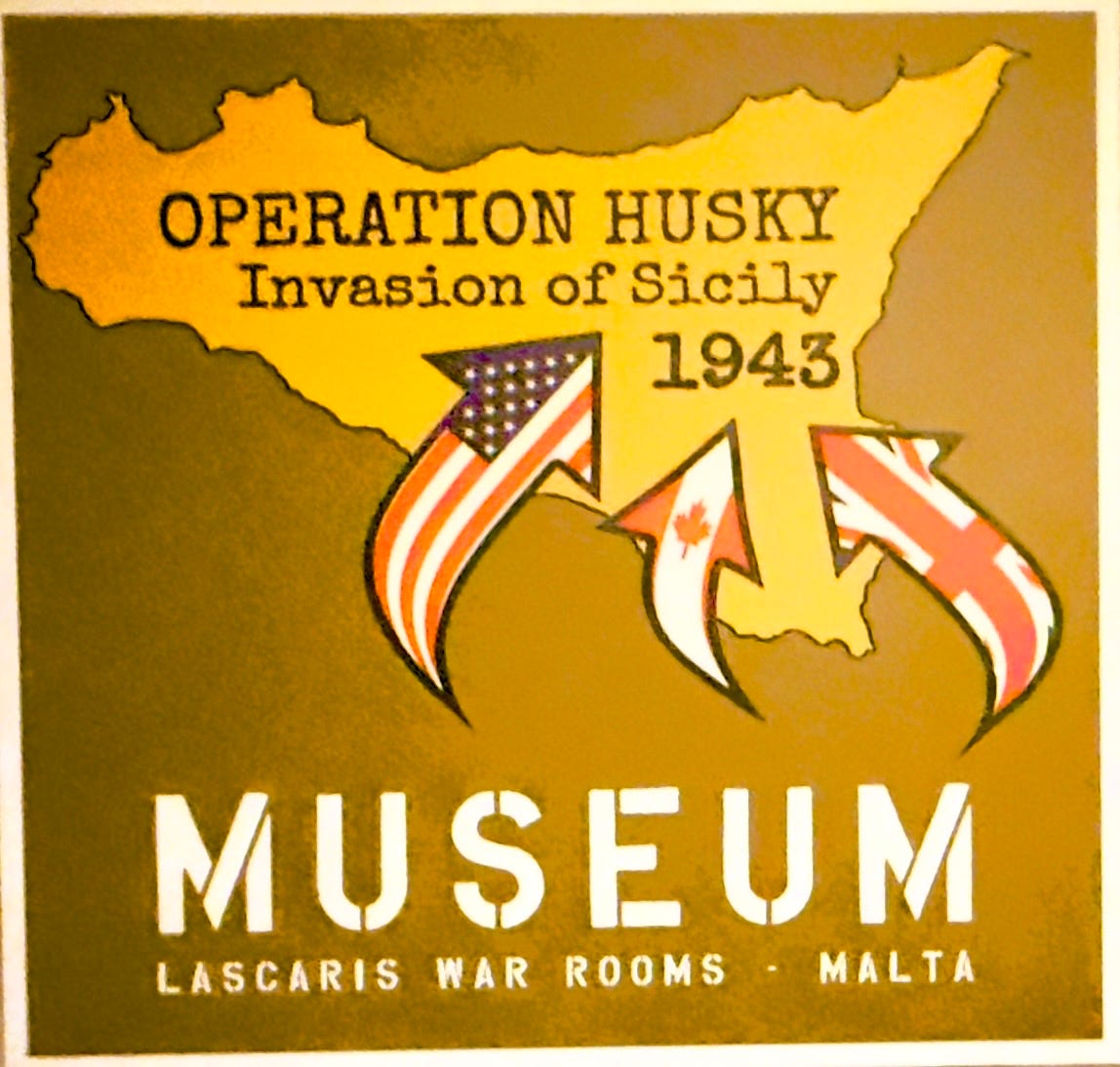
I also didn’t know those War Rooms are now a museum containing many of the maps, plans and displays explaining the invasion.
Possibly even clues to the identity of my Dad’s unit.
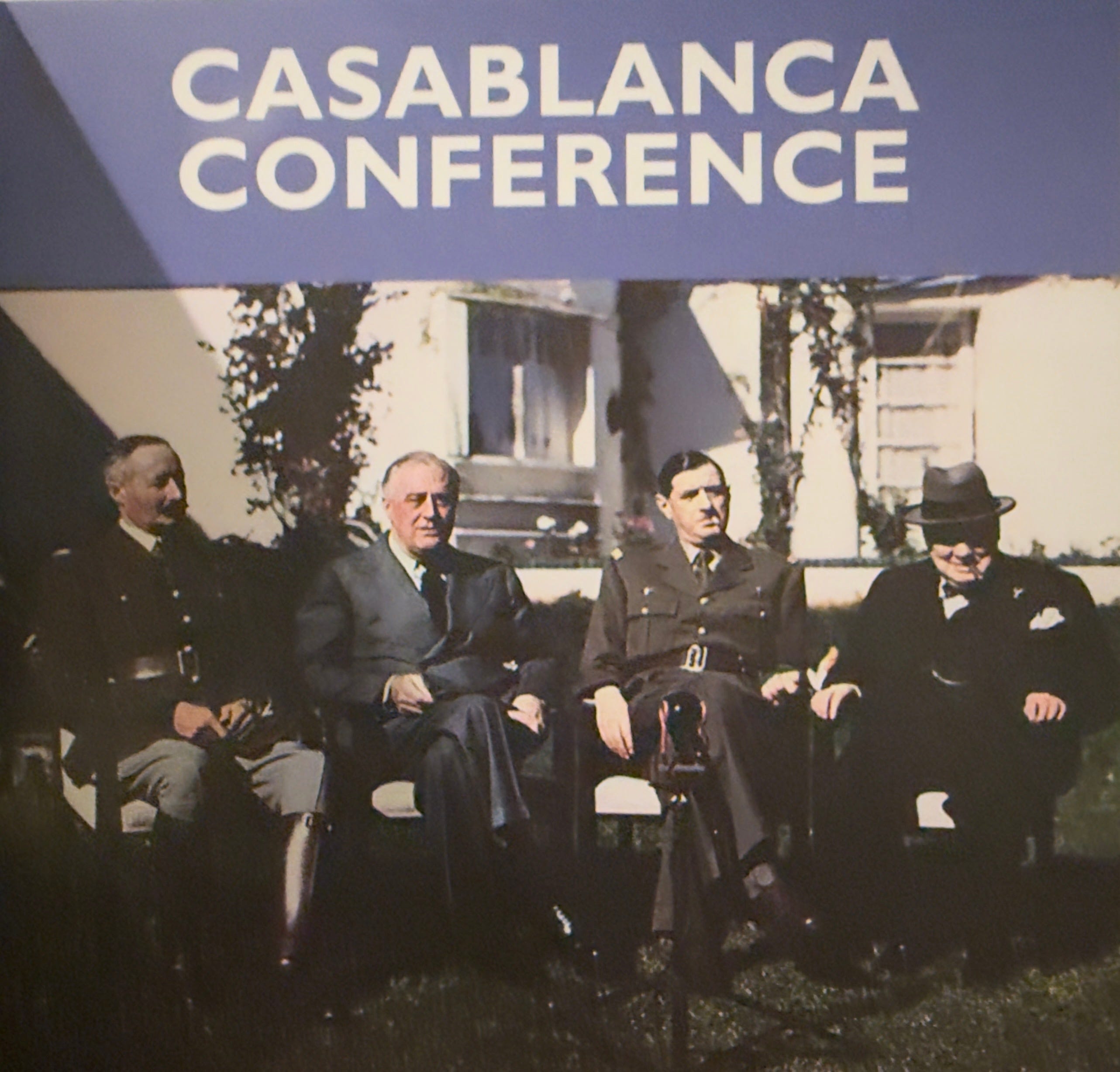
At the Casablanca Conference in January 1943, President Franklin Roosevelt, British Prime Minister Winston Churchill and their senior military commanders agreed that after defeating the Axis forces in North Africa, the Allies would invade Sicily.
The invasion was given the code name Operation Husky.
General Dwight D. Eisenhower became Supreme Allied Commander.
General Harold Alexander commanded the Allied ground forces.
Under Alexander were two armies that would become forever associated with Sicily: General Bernard Montgomery’s British Eighth Army and General George Patton’s U.S. Seventh Army.
Malta’s location made it extraordinarily valuable to the operation. Sitting only about 60 miles south of Sicily, the island became an important Allied command, air and naval base for the invasion.
And the Allies had another weapon.
Deception.
They desperately needed Hitler to believe Sicily was not where they were coming.
That wasn’t easy. Sicily was the logical target. Capture it and the Allies could control Mediterranean shipping lanes and open the way toward mainland Italy.
So they came up with an elaborate plan to convince Hitler otherwise.
British intelligence obtained the body of a man who had died in Britain, dressed him as a Royal Marines officer named Major William Martin, created an entire fictional life for him and placed false secret documents in a briefcase attached to his wrist.
Those documents suggested that the Allies intended to invade Greece and Sardinia, rather than Sicily.
The body was released from a submarine off the coast of Spain, where British intelligence worked on an elaborate plan that used spies to insure the documents would find their way into German hands.
They did.
And Hitler believed them.
Operation Mincemeat became part of a much larger deception effort known as Operation Barclay, designed to convince Germany that the enormous Allied buildup in the Mediterranean was aimed somewhere other than Sicily.
It worked.
German forces and attention were diverted away from Sicily at exactly the time the Allies wanted them looking elsewhere.
Then, during the night of July 9 into July 10, 1943, the real invasion began.
Nearly 3,000 Allied ships and landing craft, supported by thousands of aircraft, carried the invasion force toward Sicily.
Among the young Americans approaching those beaches was my father.
Francis Russell Lewis.
Twenty four years old.
An artilleryman.
And somewhere in that enormous invasion force was the unit I have spent all summer trying to identify.
This past week, while in Malta, I visited the Lascaris War Rooms underneath Valletta and found another piece of the puzzle.
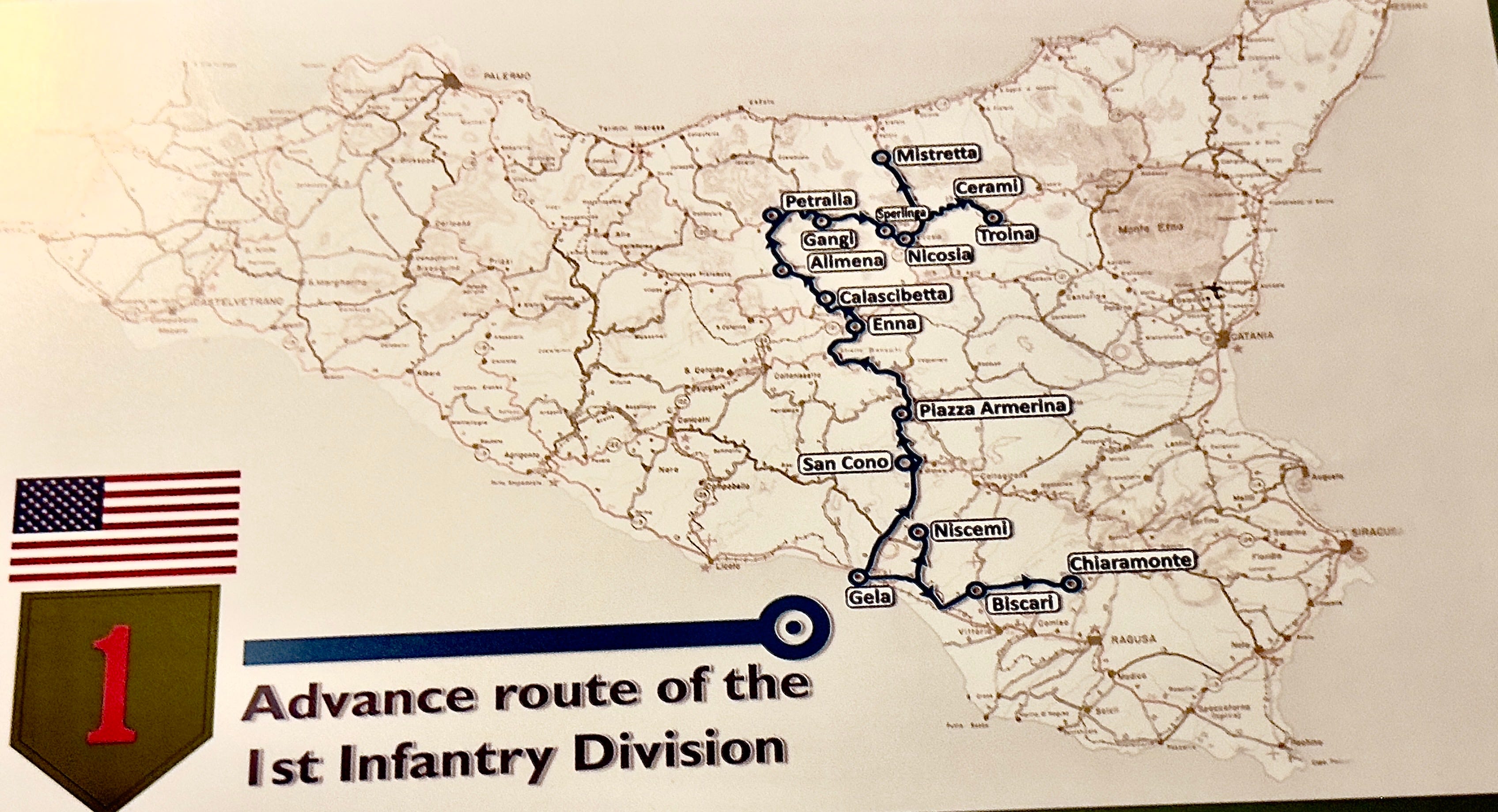
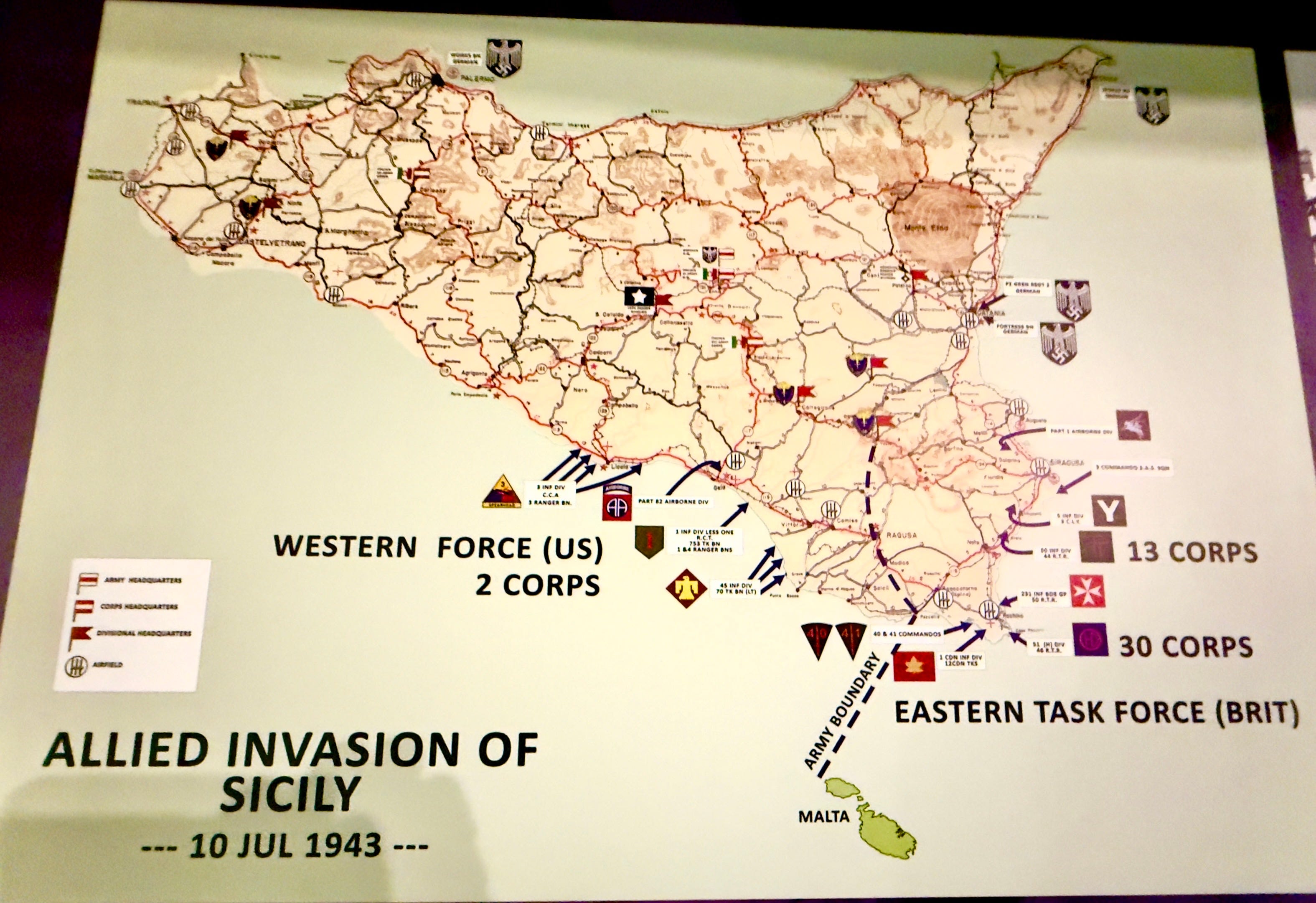
One of the displays shows the Allied routes across Sicily.
The U.S. 1st Infantry Division, the legendary “Big Red One,” landed at Gela.
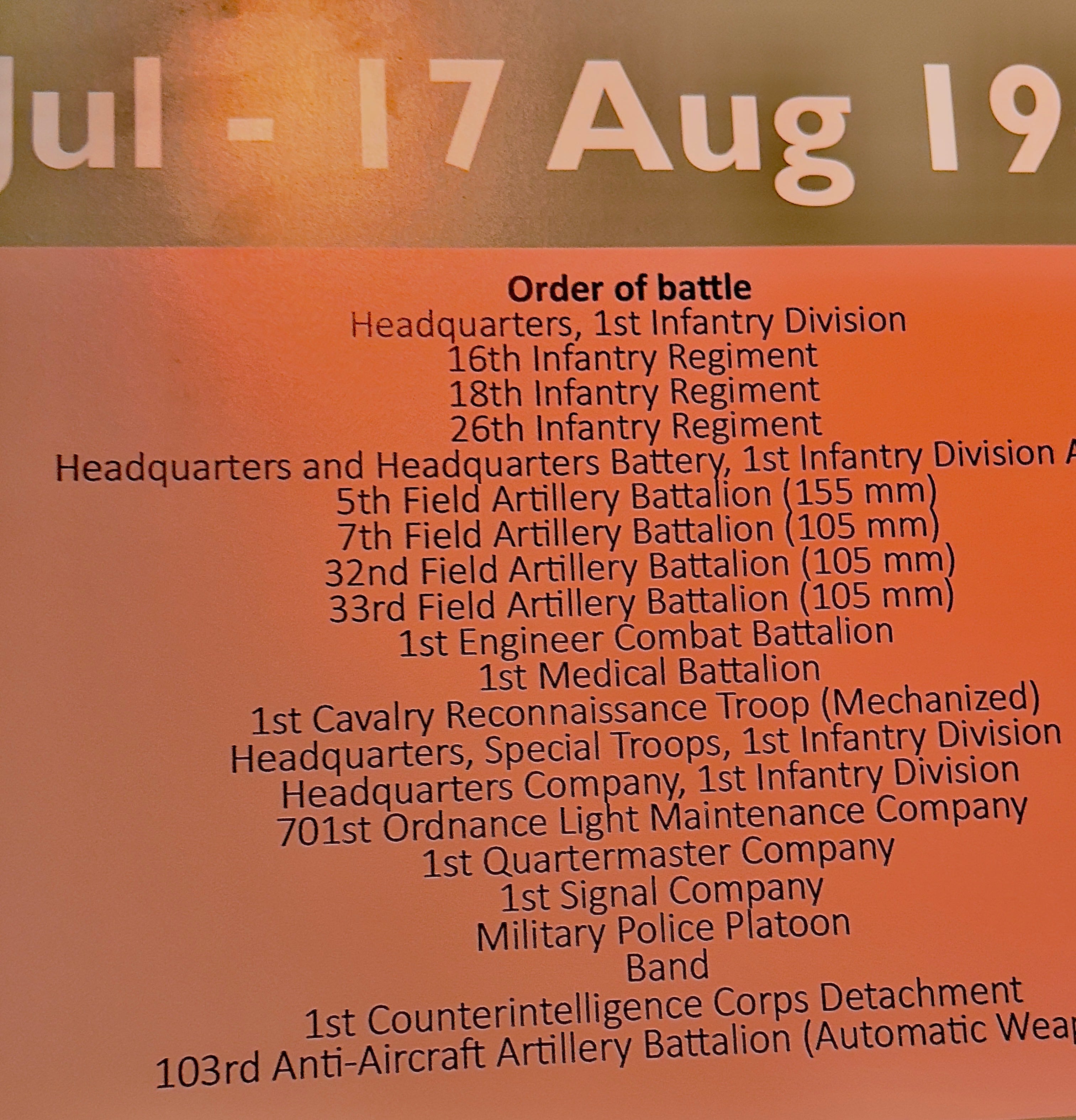
The display also lists artillery units attached to the 1st Infantry Division during the invasion.
That mattered because of the story Frank told me in that hospital room.
On the night of July 11, 1943, American C 47 transport planes approached the beachhead he landed at. They were carrying approximately 2,000 American paratroopers of the 504th Parachute Infantry Regiment.
German aircraft had recently attacked the Allied fleet, and nervous antiaircraft gunners aboard American ships off Gela saw another formation of aircraft approaching.
They didn’t realize they were ours.
They were Reinforcements, not the enemy.
Someone on a ship opened fire.
Then others joined in.
Then everyone on the ships and on the beach opened up.
My Dad told me that once they heard the ships blasting away at the planes and saw the paratroopers coming out of them, the guns on shore joined in.
Twenty three C 47s were destroyed and dozens more were damaged.
Hundreds of our own guys were killed in one of, if not the worst incidents of friendly fire in American history.
Frank told me he was there and his unit was part of it.
I’ll never forget the look on his face when he told me that.
I immediately knew right then why he never spoke of the war, and that was only his first day.
That story did something the missing Army records have not been able to do.
It puts my father at Gela on the night of July 11, 1943.
And Gela wasn’t simply one of the beaches where American troops came ashore.
It became one of the principal battles of the Sicilian campaign.
German and Italian forces launched powerful counterattacks against the American beachhead, including tanks that came dangerously close to the invasion beaches. At several points, American troops were in real danger of being pushed back toward the sea.
Artillery and naval gunfire became critical in stopping them.
For an artilleryman like my Dad, Gela wasn’t a place where he simply stepped off a boat and began moving inland.
He had landed directly into a major battle.
His story also gives me another extraordinary clue.
He said he was artillery.
He said his unit participated in the friendly fire disaster over Gela.
And now, standing in an underground WWII command center in Malta 83 years later, I was looking at an official order of battle showing the American artillery battalions attached to the division that landed at Gela.
That narrows it down, and since I know Frank’s stories continued through Naples, Monte Cassino and Anzio, and I am now comparing the movements of several artillery units trying to find the one whose route matches his.
But I now know something I didn’t know when this trip started.
My Dad was at Gela.
And another thing I learned here helped explain one of the phrases he remembered all those years later:
the race to Messina.
Messina wasn’t simply another city at the opposite end of Sicily.
It was the Axis supply route and, eventually, their escape route across the narrow Strait of Messina to mainland Italy.
The Germans established defensive lines around Mount Etna to protect that route, and Patton wanted desperately to beat Montgomery there.
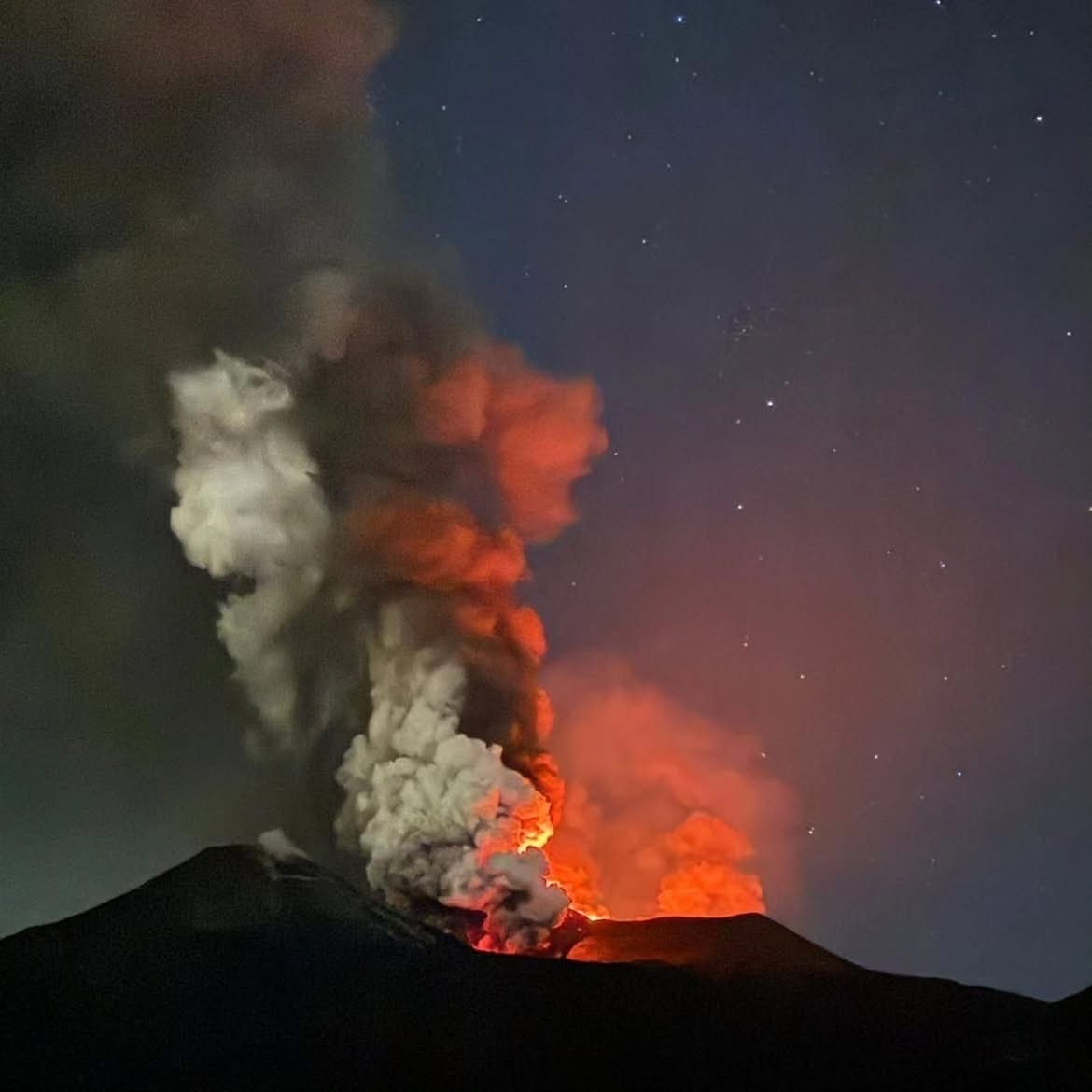
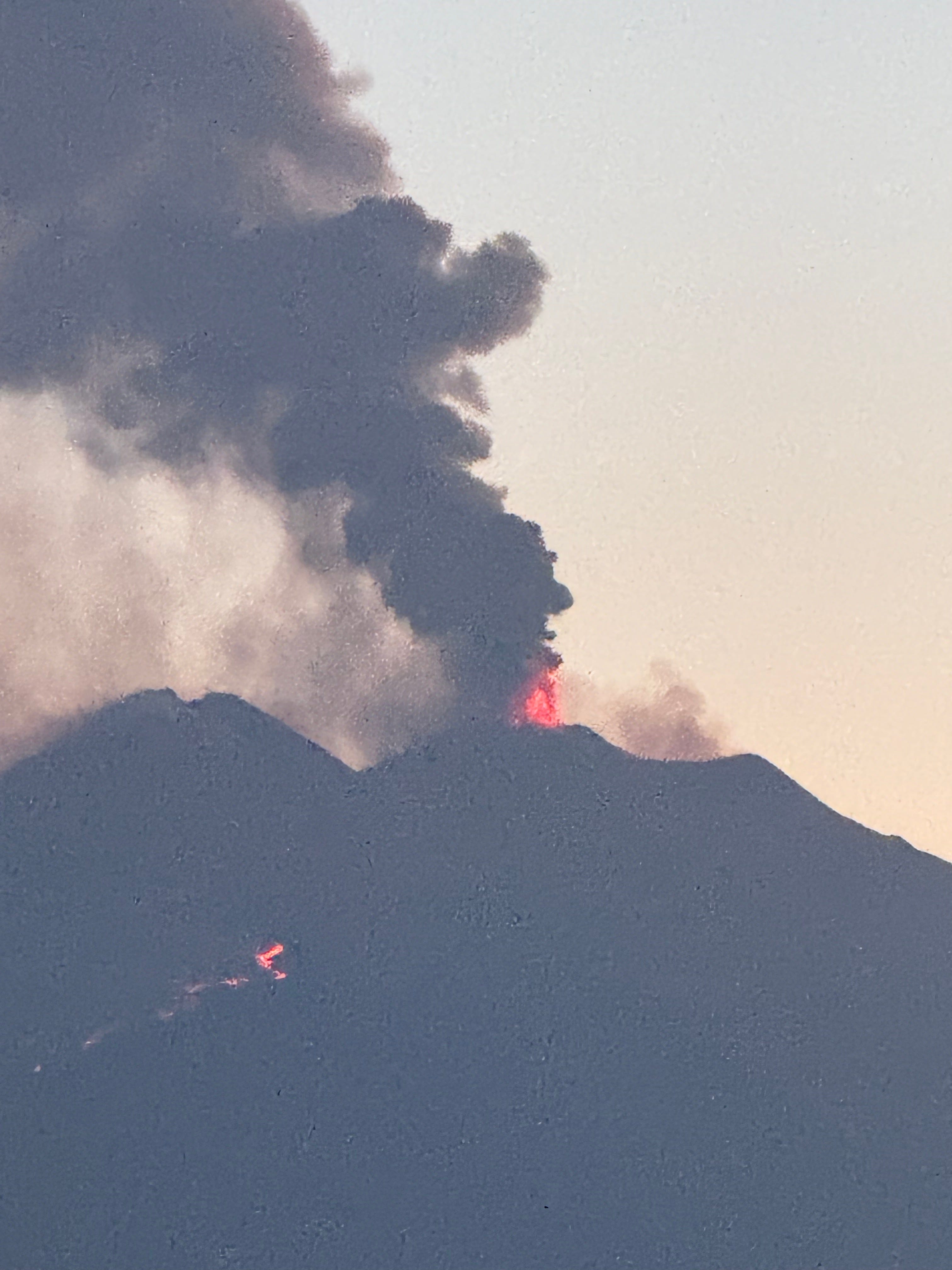
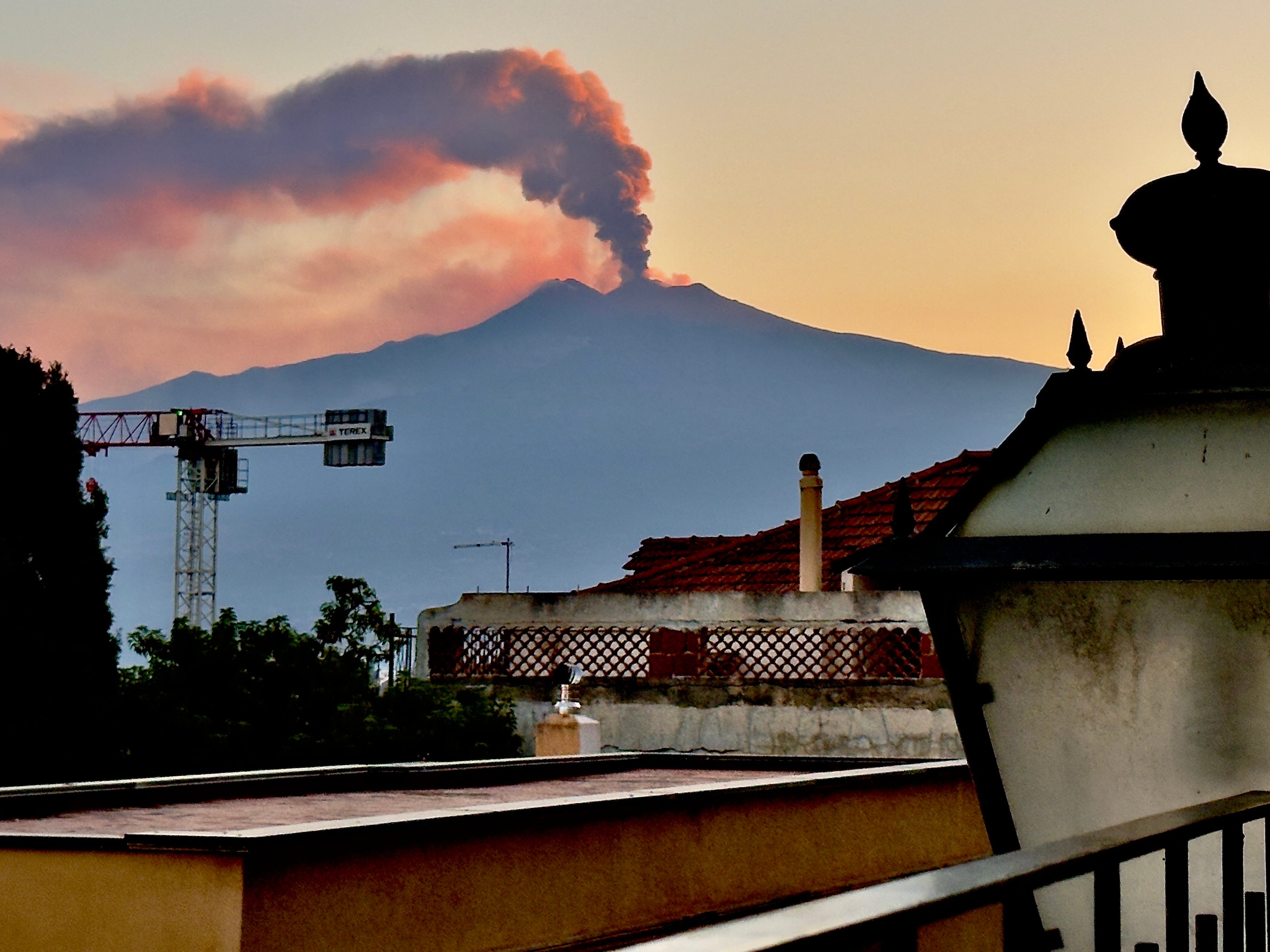
I’m writing this from a small hotel in Taormina, 18 miles from Mt. Etna, which happens to be going off right now.
Montgomery’s British Eighth Army initially tried to drive north through the Catania Plain, while American forces pushed across other parts of Sicily.
The fighting around those defensive lines slowed the Allied advance and allowed German and Italian forces to retreat toward Messina.
So when my Dad talked about the race to Messina, he was remembering one of the central objectives of the entire Sicilian campaign.
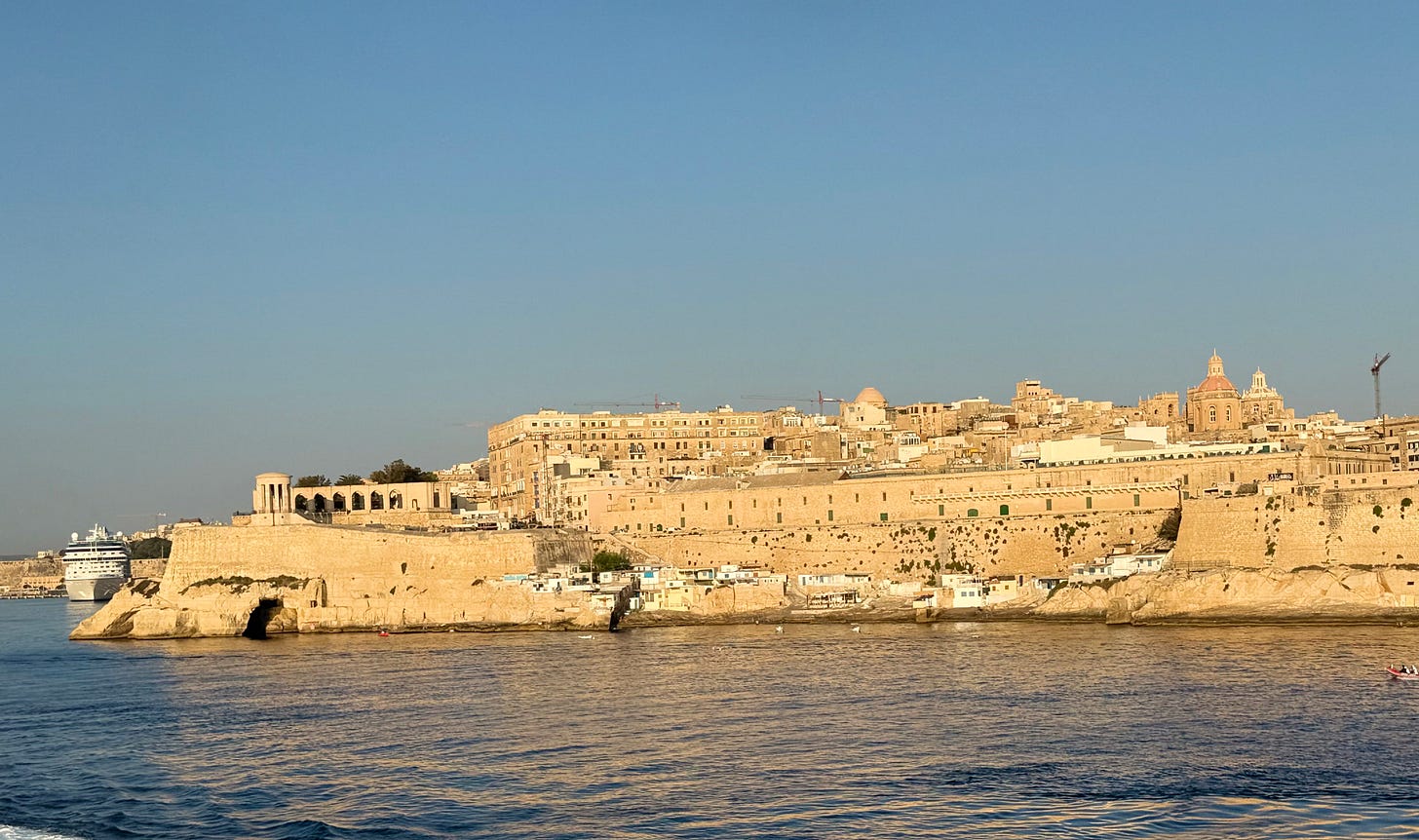
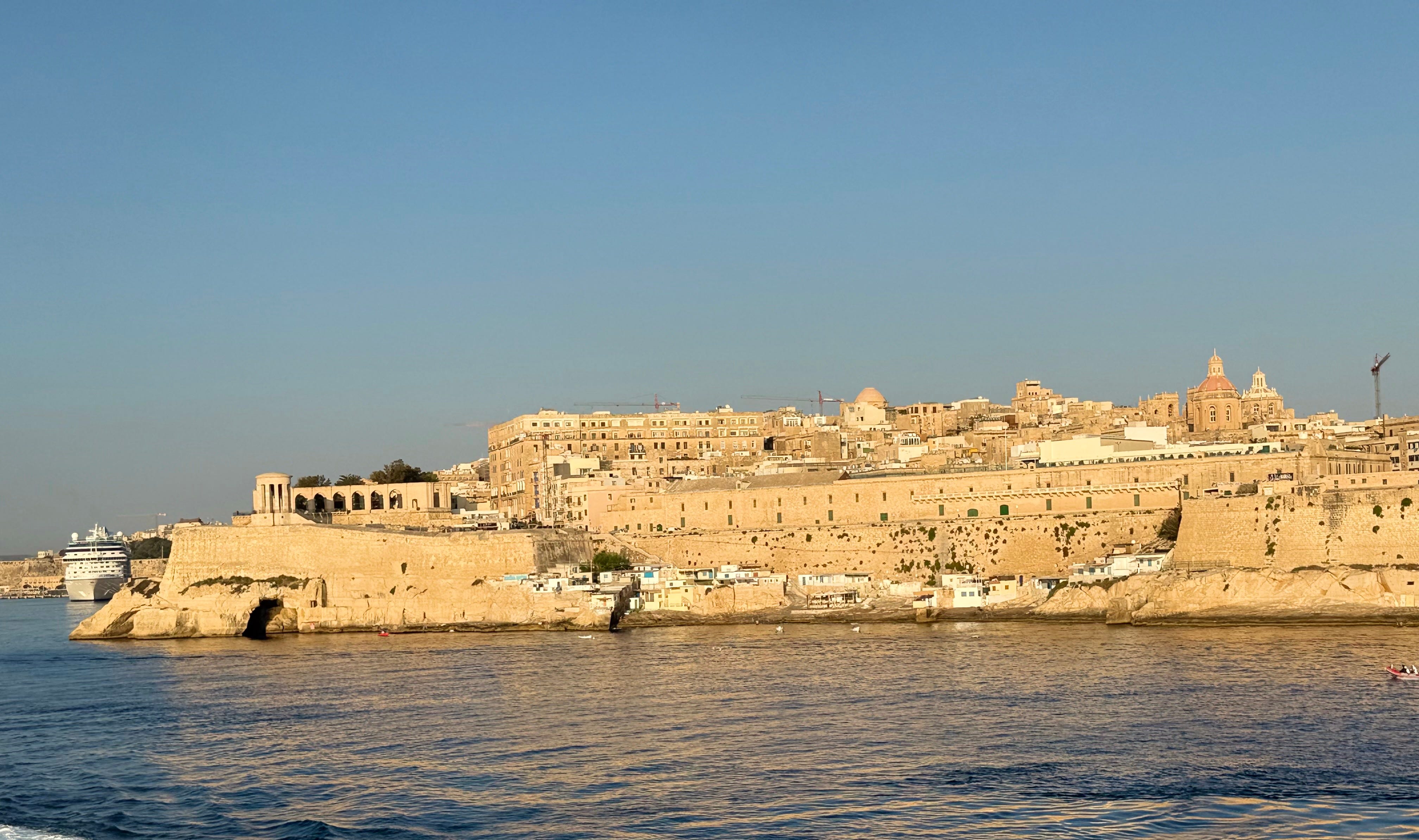
And as our ferry left Malta, I clearly saw the walls around the city and how it had been built like that hundreds of years ago to protect itself and its people from invasions.
As I turned and looked across the Mediterranean towards Sicily, I could only try to imagine what my father felt as he made his journey. I also realized I was about to get a lot closer to the place where his WWII story began.

Comments
Nothing yet. Say the first thing.
Sign in to join the conversation.