

Estonian Reddit blew up recently over a children’s book written in a recognisably ChatGPT style — and apparently with an old model, the kind that still makes mistakes the top models stopped making long ago. The same two words kept coming up in the comments: “AI slop”. But the term puts the blame in the wrong place. The model generated the pictures; a human assembled the book, priced it and sent it to the printer.
The author has published many books, but this time one went to print with badly edited images and picked up an ugly label. Had they published an unedited book full of draft text, it would simply have been called a badly written book. Now it seems to belong to some entirely different category.
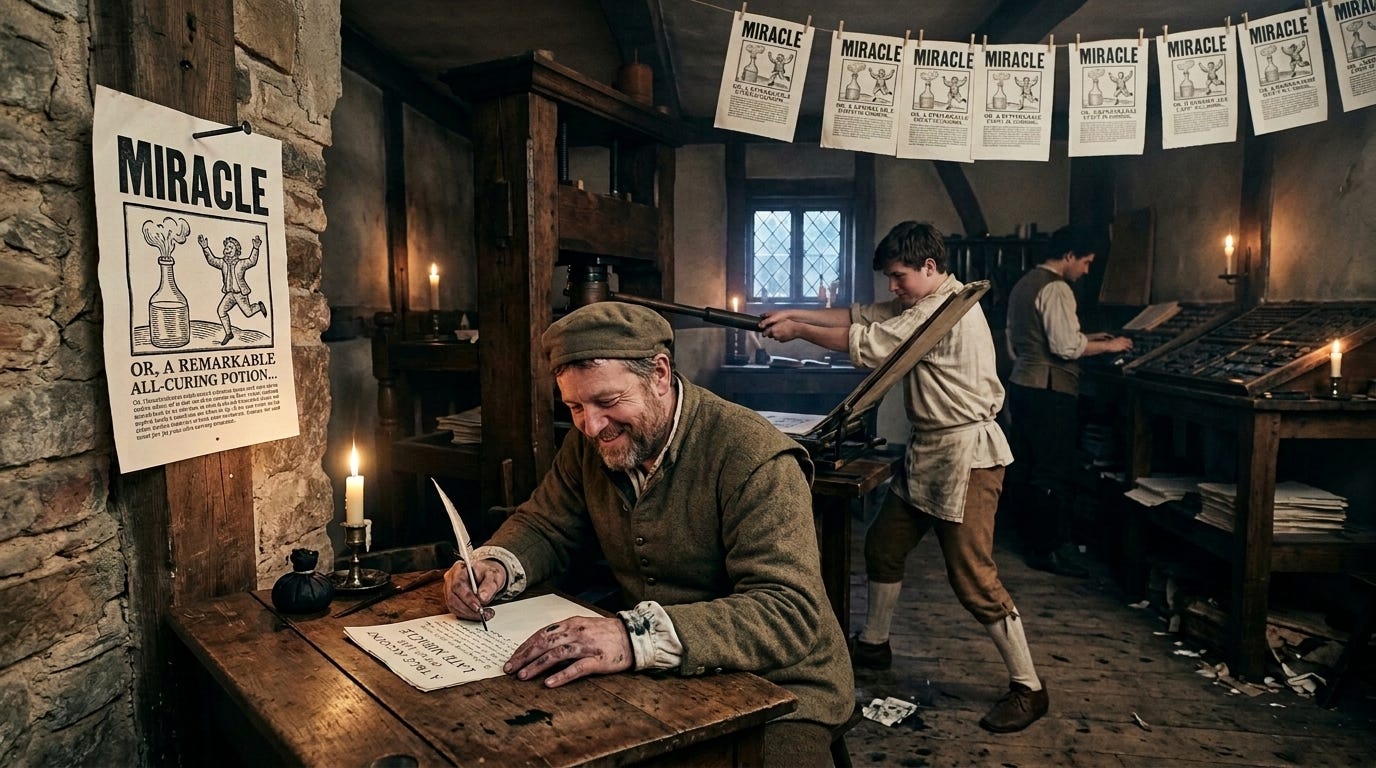
Every time creation got cheaper, the volume of junk went up. The printing press flooded Europe with pamphlets, patent-medicine ads and libel. Nobody talked about printing-press slop — the blame went to the writers and publishers chasing a quick profit.
From the era of the first computers we kept the phrase GIGO: garbage in, garbage out. The calculator was never held responsible for a faulty balance sheet. The user was.
I won’t list examples of AI mistakes here. Everyone has a favourite, and they all end the same way: someone sent an unchecked result out into the world, and afterwards it was embarrassing — or worse.
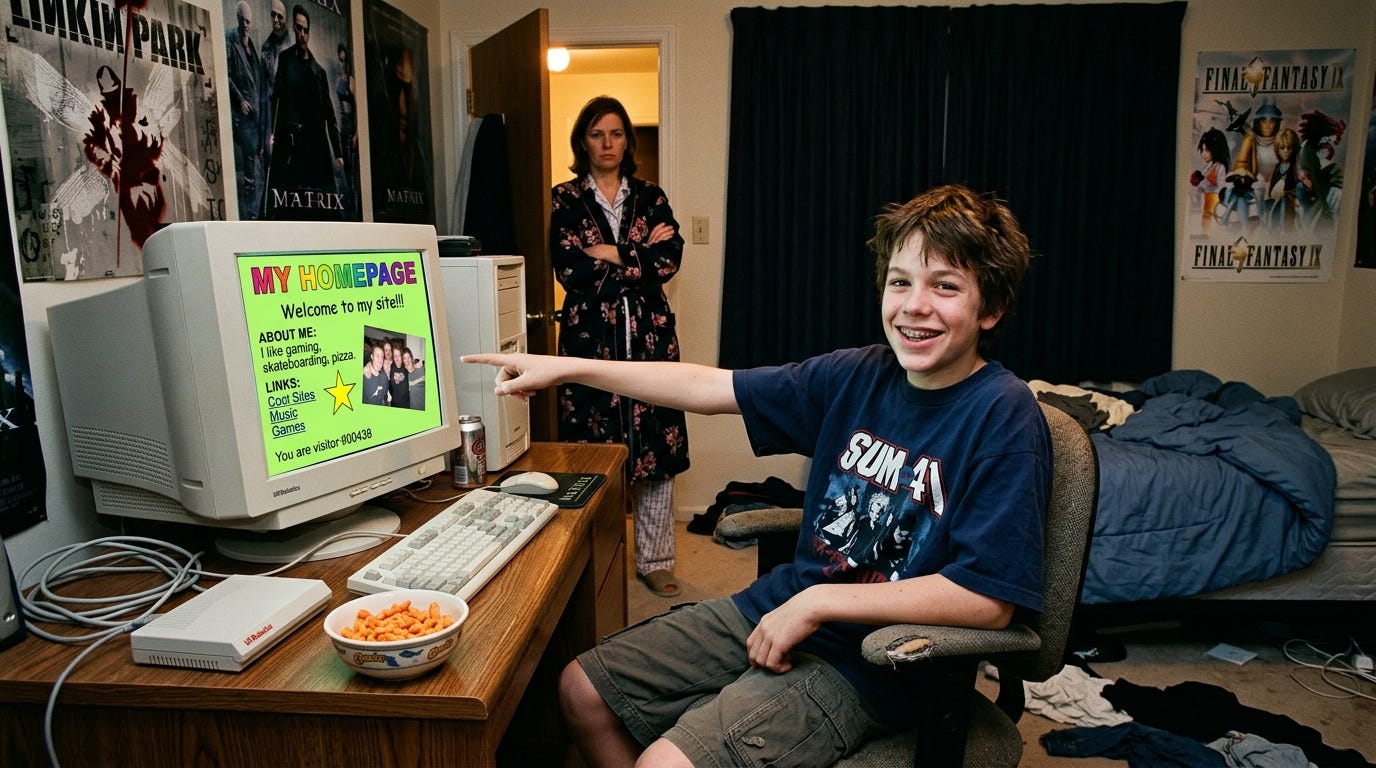
Every new creative tool brings a wave of bad taste first. The GeoCities-era homepage was full of blinking neon text, half a dozen different typefaces, and animated GIFs drifting across the background. And of course then the automatic background music kicked in. In the Photoshop era, lens flare and drop shadow went onto every other design. PowerPoint’s achievements have earned galleries of bad design all of their own.
Early YouTube was full of low-quality, unedited webcam clips, and critics called it a digital landfill. Today’s independent media grew out of that landfill. Click farms used cheap human labour to churn out click-bait headlines with no actual information behind them. People knew how to produce junk before AI.
The pattern is the same everywhere: first everyone tries everything, then they start noticing the mistakes, then they get more careful. Models keep getting better, of course — but in the mainstream, AI text and images look to be in their blinking-neon phase right now.
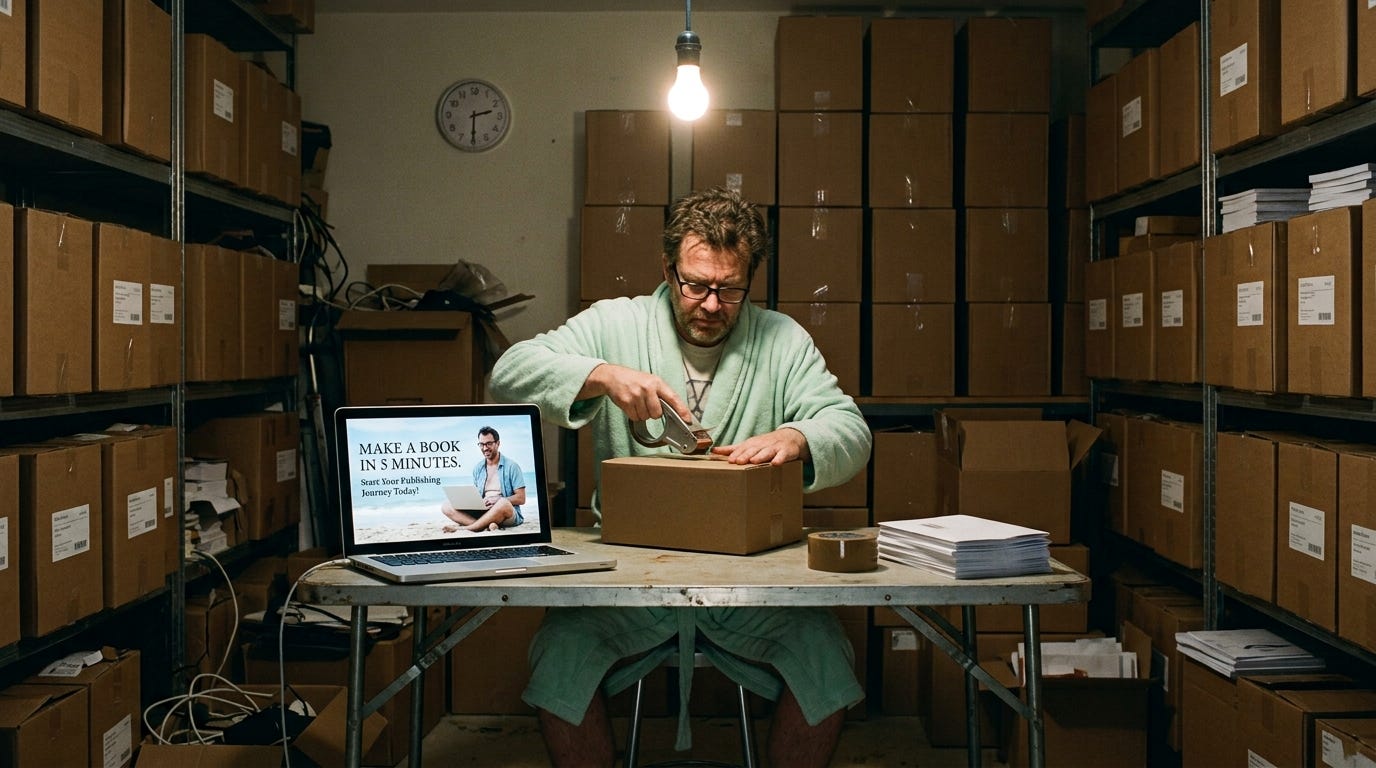
Why does unchecked material reach the market at all? Is it laziness, or too much trust in generative tools — or is the old dream of passive income behind it: automate it and the money starts coming in on its own? People are being sold products that promise a finished book in minutes, ready to be dumped straight onto Amazon. The same formula sells courses, news sites, and worksheets for kindergarten teachers riddled with AI junk. But behind all of it is still a person who didn’t check the work, who decided to save time, money or both on editing. Editing is the cheapest place to cut, and the place where the cut shows immediately.
Now for the better side of the same story. A large share of today’s raw output is learning, not business — even if some people do try to sell that material straight away. Tens of thousands of people are experimenting with a tool they are only just getting to know.
If the first generated answer was good, the next ones didn’t get read as carefully. That’s a beginner’s mistake, and life sorts it out on its own. Trust is calibrated with experience. Once you’ve published a text or an app you never read through and had to go back and fix it while cringing, you’re more careful the next time.
Starting is now almost free. The hardest step has always been the blank page; now AI hands you a rough version in a couple of minutes to start working on. A writer puts up a website over a weekend, a developer writes their own marketing copy, an accountant builds a board game prototype. Most attempts are wobbly or stay unfinished. But that’s the price of experimenting — when you have plenty of ideas, you can drop a project that stopped being interesting and take on something better.
The line is drawn where the experiment becomes a product. Generate whatever you like for your own use. The moment you ask other people for money or attention, you’re a publisher, and you carry a publisher’s responsibility. The more discerning readers become, the faster people learn to ignore AI junk — and the more careful work starts to command a price again.
Comments
Nothing yet. Say the first thing.
Sign in to join the conversation.