
Fashion designer Nili Lotan photographed her Pre-Fall ‘26 collection at the Marcel Breuer-designed home where she lives. Dakota Johnson’s Architectural Digest tour generated as much conversation as what she wears on the red carpet. Fashion Creator Courtney Grow’s Brooklyn apartment became material for a Vogue Living editorial.
If you trust someone’s taste in clothes, you might also want to see their home, know what is in their fridge, or find out where they stay on vacation. Taste no longer remains neatly contained within the category through which we first encounter it.
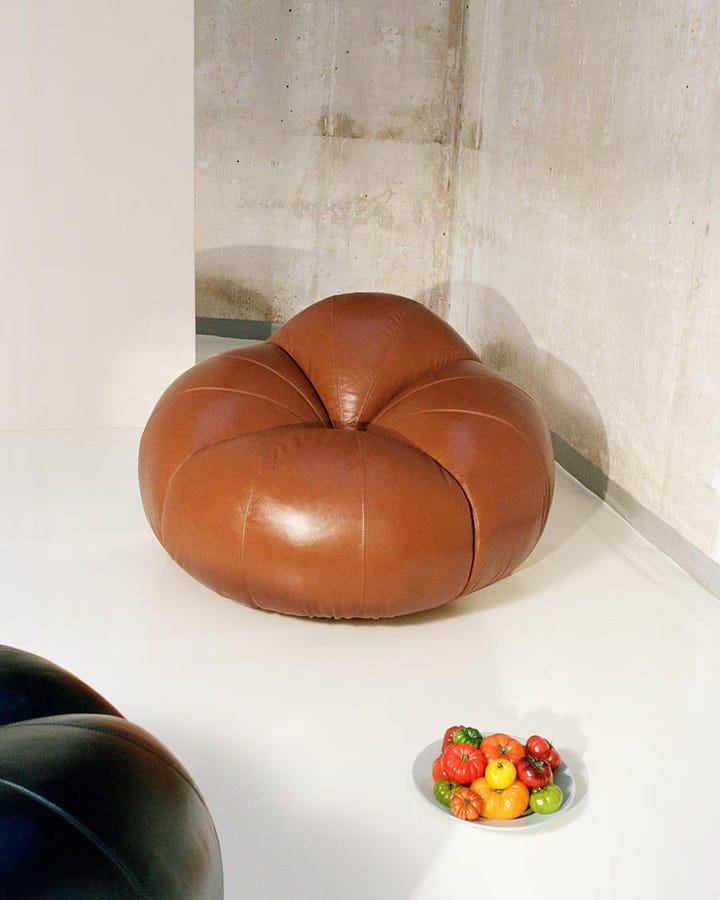
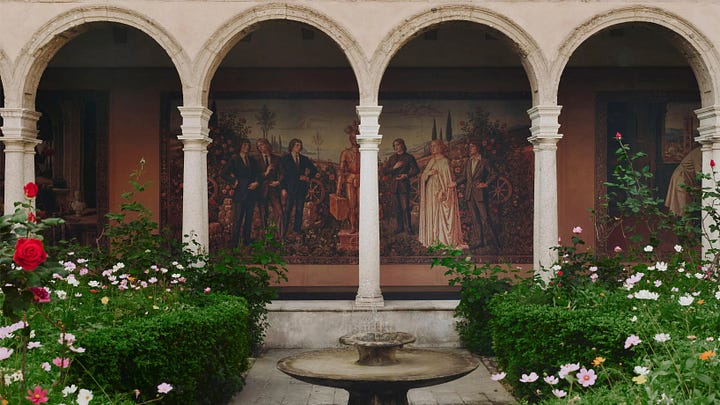
Nowhere was that collapse of categories more visible than at Milan Design Week this past April. Chloé reissued Christian Adam’s 1970 Tomato chair with Poltronova, and Gucci presented Gucci Memoria, an immersive exhibition tracing the house’s 105-year visual history. As a design writer, my calendar was split almost evenly between established and emerging design brands and the growing number of fashion houses using Milan to present furniture, commission contemporary makers, and host parties.
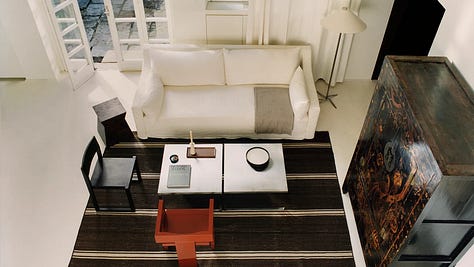
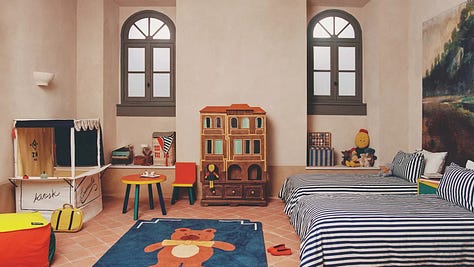

Entering design can deepen an existing creative philosophy, or it can amount to little more than a seasonal gesture. The difference is usually in the level of commitment. For some fashion houses, home has become a permanent category–Hermès and Louis Vuitton have spent years developing furniture, objects, and tabletop collections. Zara Home and Sézane operate at a different price point, but have made a similar bet: that a customer drawn to a brand’s clothing may also want its linens, ceramics, or furniture.

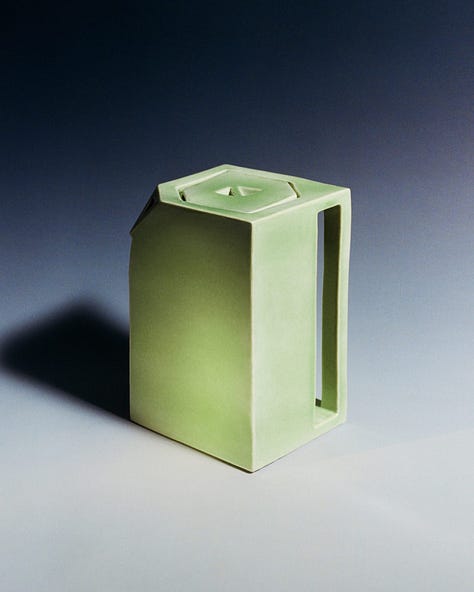
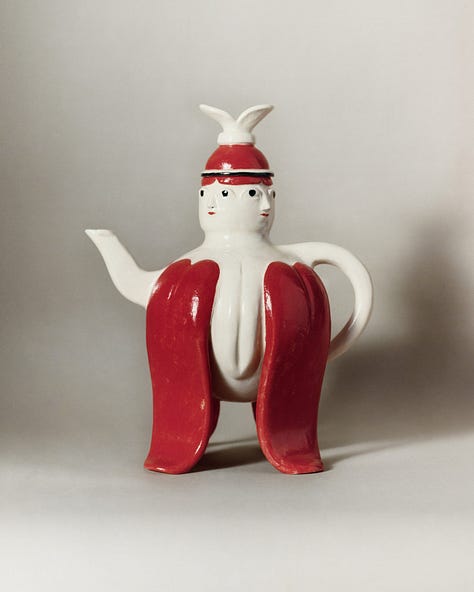
Other fashion brands are less interested in building permanent home divisions than in using design to expand their cultural vocabulary. Through furniture reissues, archival exhibitions, craft initiatives, and Salone presentations, they position themselves within conversations about design history, materiality, and artistic patronage. LOEWE’s sustained support of contemporary craft is the example that instantly comes to mind–for its 2025 Salone presentation, the house commissioned 25 artists, designers, and architects to reinterpret a traditional teapot.
Fashion and design have always borrowed from each other, but the online boundaries loosened even further during the pandemic. Fashion creators who had built their audiences through street style, travel, and event dressing were suddenly posting from their kitchens, bedrooms, and living rooms. The home was no longer just the background for a GRWM; it became an expression of personal style and therefore another part of a creator’s world that brands could partner around.
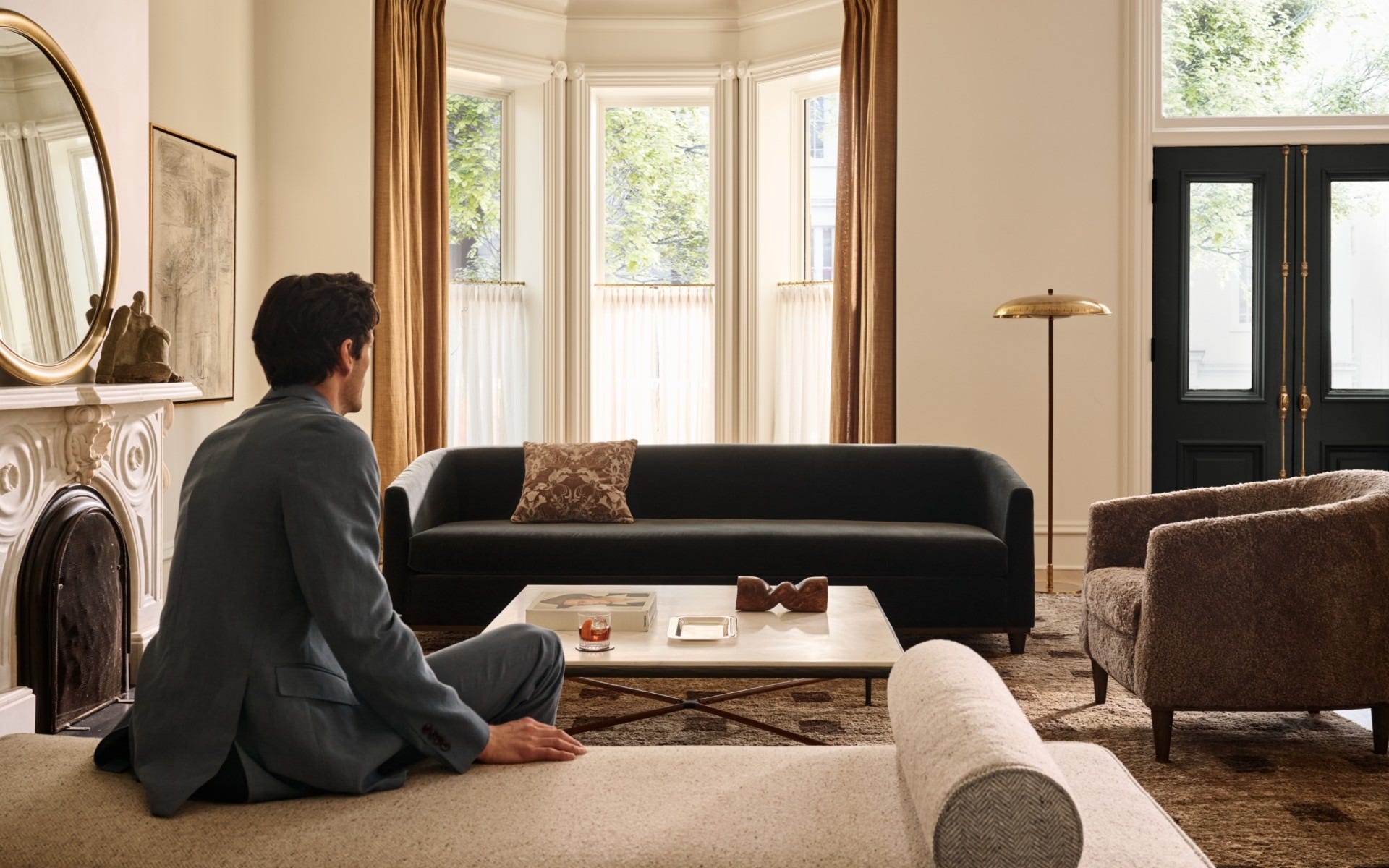
Aimee Song translated her fashion following into a home collaboration with Lulu and Georgia. Emma Chamberlain recently brought her broader style authority to a 78-piece furniture and decor collection with West Elm, while menswear brand Todd Snyder entered home through a new collaboration with CB2.
Together, these examples point to a shift in what fashion audiences are actually following. The outfit may be the entry point, but the real draw is the taste behind it, and how that taste extends into a room, an object, or an entire way of living.
For Alyssa Coscarelli, that expansion happened gradually. She had long understood fashion and interiors as related forms of self-expression, but sharing her home made that connection visible to her audience. Early apartment features led to more regular design content; a vintage Luigi Massoni vanity she sourced for her Lower East Side loft later went viral.
“When people follow a creator, it’s because they like the world that person is creating,” Coscarelli says. “It’s not just about the clothes they’re wearing. It’s also about how they carry themselves and what they surround themselves with.”
As social platforms became more multidimensional and followers gained greater access to creators’ day-to-day lives, that world grew easier to share. A feed once centered on outfits could now include renovation updates, beauty routines, travel, pets, and daily life. “You may be drawn to a creator initially due to one specific category,” she says, “and then end up staying because you get sucked into their entire lore as a whole.”
Eventually, the interest in Coscarelli’s interiors moved beyond content. After a Los Angeles ceramicist asked for her input on the colors, seating, lighting, and finishing touches for a new retail and workshop space, she began opening herself up to more design work.
To Coscarelli, the crossover feels natural. Fashion and interiors both rely on “texture, color, handfeel, craftsmanship, emotion, history, art, beauty, balance.” And, as she puts it, “when someone knows how to compose an outfit that sings, chances are they also know how to put a harmonious room together.”
For Olivia Lopez, the categories themselves were never particularly separate. While working across the international fashion-week and art-fair circuit in her early twenties, she was also writing about architecture, design, and travel and studying art history at Sotheby’s, and later led the concept direction for Seco, a Silver Lake wine bar, shaping everything from artist commissions and lighting to ceramics, menus, and posters.
For her, fashion and interiors are “different expressions of the same artistic sensibility.” Both rely on atmosphere, storytelling, materials, color, texture, and proportion. “Whether you’re designing a room, a restaurant, or getting dressed in the morning, you’re making thousands of small decisions that add up to a distinct perspective,” she says. “That’s ultimately what people are investing in: taste, judgment, and the ability to create a world that feels both intentional and memorable.”
Still, she is careful not to suggest that every creator needs to move across categories. “Some of my favorite people go incredibly deep into one idea, while others move fluidly across many,” she says. “I don’t think it’s about breadth or specialization, but having a genuine point of view that people can connect with.”
This isn’t just about what creators share; it’s also about how audiences shop. According to ShopMy data, the number of fashion-led* creators linking at least one home product in a given month grew 366% from June 2025 to July 2026. The opportunity also extends beyond individual creators. GMV generated by home brands on the platform grew more than 9x year over year.
Ultimately, the crossover between fashion and design is not really about fashion brands becoming furniture companies or fashion creators becoming interiors experts. It reflects a broader shift in how influence works. Once people trust someone’s taste, they rarely want it confined to a single category. They want to know not only what someone wears, but how they live.
*Because ShopMy does not assign creators a single profile category, the analysis defines fashion-led creators as those whose largest share of lifetime product links falls within Fashion & Accessories. The increase also reflects broader platform growth, but the direction is clear: home is becoming a more meaningful part of the product mix shared by creators whose audiences first encountered them through fashion.
No posts
Comments
Nothing yet. Say the first thing.
Sign in to join the conversation.