
What do LeBron James, Will Ferrell, and Julianne Moore all have in common? Probably not what you’d guess. In 2022, they all became beekeepers–or at least they played one for Los Angeles-based lifestyle brand Flamingo Estate. Rather than sourcing honey from a remote apiary, the brand installed beehives in each of their backyards, harvesting what would become one of its most memorable product launches.
At first glance, this sounds like a marketing stunt. In reality, it reflects a much broader shift in how brands tell stories. Consumers don’t just want to know what they’re buying–they want to know who made it, where it was grown, and why it tastes, smells, or looks the way it does. Brands have responded by bringing the producers to the forefront. Even the farm–once simply a place of production–has become part of the packaged product itself.
Flamingo Estate’s own story began long before its pantry products. During COVID, the brand connected Los Angeles residents with organic CSA boxes and flowers sourced from local farms. That was before it became synonymous with Heirloom Tomato Candles, Spicy Strawberry Fruit Snacks, Prinsesstårta Milk Bar Soaps, and Fennel Flower Olive Oil.
For some brands, the farm shapes the entire business. Nowhere is that evolution illustrated better than at Daylesford Farm. What began in 2002 as Lady Carole Bamford’s organic farm in the Cotswolds has grown into a lifestyle brand spanning farm shops, cafés, restaurants, a spa, an inn, cookbooks, home goods, and seasonal retail. This summer, the brand is bringing that world to the Hamptons with a pop-up at Bridgehampton’s L’Epicuriste, stocking everything from hand-thrown ceramics and table linens to natural skincare and home fragrance—a slice of the English countryside, exported thousands of miles from the farm.
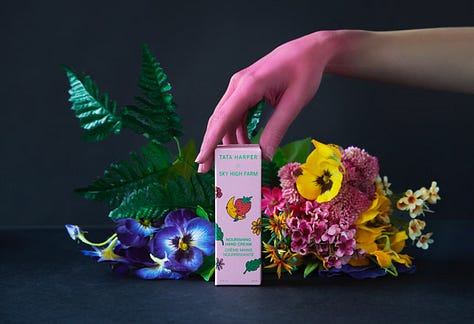
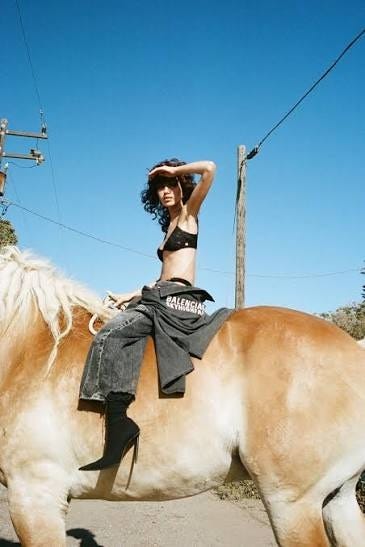
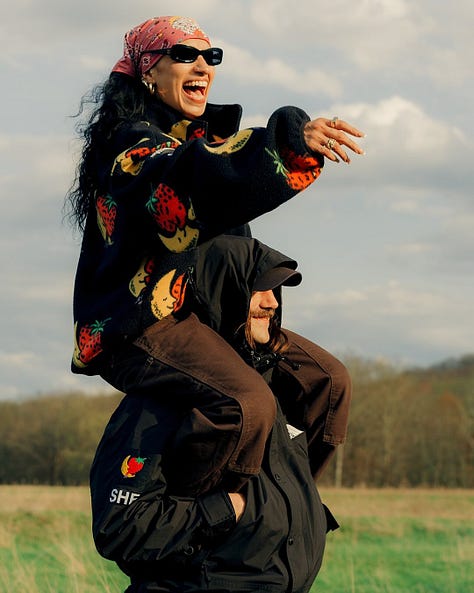
In upstate New York, Sky High Farm offers a different perspective on what the modern farm can look like. Founded in 2011, the nonprofit spent more than a decade focused on regenerative agriculture before expanding into consumer products and collaborations that help fund its mission. Rather than existing for its own sake, CEO and co-founder Daphne Seybold explains, “Cultural goods and partnerships are the most potent way to draw in a broader audience.” The products aren’t the mission; they’re the vehicle for it. That ecosystem includes its fashion label Sky High Farm Goods, and collaborations with names like Balenciaga, The North Face, Dover Street Market, Tata Harper, as well as a ready-to-drink, Honey Pop. “The products themselves become physical expressions of the values we champion–well-engineered, genuinely useful and super desirable,” Seybold says. The trend is still unfolding. As this story was being reported, Sky High Farm announced that it would celebrate its upcoming collaboration with Levi’s through a one-day farmers’ market in New York City.
Sky High is hardly alone. Across food, beauty, and hospitality, brands are pulling back the curtain on where their products begin. Brightland profiles the olive growers behind its oils. Fishwife spotlights the fisheries behind its tinned seafood. Sweetgreen has spent nearly two decades introducing diners to the farmers growing the produce on their plates.
If brands were making the source more visible, social media made people want to see it for themselves. During the pandemic, millions of people found themselves watching farmers collect eggs, feed livestock, bake sourdough, harvest vegetables, and tend gardens. Today, #FarmTok has generated more than 13 billion views, while related hashtags like #Farmlife and #Farming have attracted tens of billions more.
Few viewers tuning into FarmTok are looking to buy a farm or milk their own cows, though. The farm has become shorthand for seasonality, craftsmanship, and a closer connection to where things come from. In an era defined by endless choice and digital consumption, it offers something that feels rare: tangible proof of origin.
A new generation of creators has, as a result, rebranded rural living into one of social media’s most aspirational genres. Influencer Paige Lorenze’s move from New York City to Connecticut became the backdrop for Dairy Boy, a brand built as much around country living as the clothing it sells. Meanwhile, Hannah Neeleman, aka Ballerina Farm, amassed millions of followers documenting the routines of life on a working farm, while former fashion stylist Julius Roberts traded London for rural Dorset, where his videos celebrating seasonal cooking, gardening, and farm life ultimately led to his Apple TV+ series, A Taste of the Country.
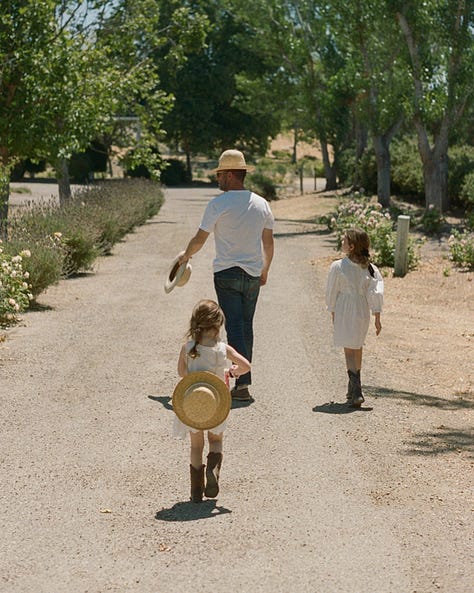
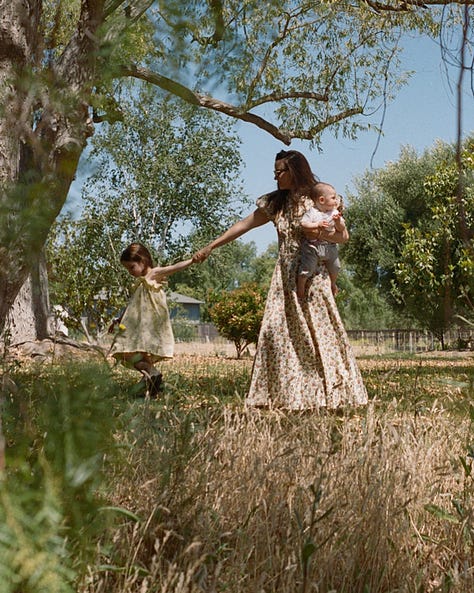
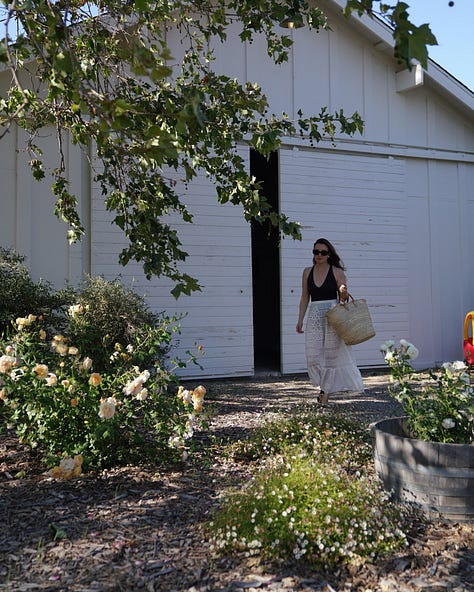
The fascination isn’t simply about aesthetics. Food and lifestyle creator Geri Hirsch, who left Los Angeles with her family to restore a former rose farm in Santa Ynez, says she’s watched audiences gravitate toward content that feels slower and more grounded. “People are hungry for content that feels real and reconnects them to the rhythms of nature,” she says. “They want to know what’s in season, how to cook it, where it comes from, and what it feels like to build a life that’s a little slower and more intentional.”
Hirsch has also watched what resonates shift over time. “Ten years ago, the beautiful table was the story,” she says. “Today, people want to see how you got there. The garden, the harvest, the cooking, the gathering, the imperfections. Those moments have become just as compelling as the polished end result.”
That curiosity doesn’t end when people close Instagram or TikTok. Instead, it shapes how they browse and shop. On ShopMy, creators have built more than 1,000 collections centered around farm life, country living, gardening, and related aesthetics, with new collections growing roughly threefold over the past year.
It also helps explain why origin has become such a powerful branding tool. Stand in front of a grocery store shelf filled with olive oils, apple juices, or honey, and every brand is competing for your attention. Taste and price still matter, but the story behind a product often becomes the deciding factor. Who harvested the olives? Which orchard did the apples come from? Was it LeBron James or Will Ferrell tending the beehives behind that jar of honey? Consumers aren’t just buying ingredients anymore; they’re weighing the stories, people, and places behind them.
As Seybold puts it, “Modern life’s complexity and perils are real. Farming is the simplest, most naturalistic expression of the interconnected systems and biodiversity around us.” It’s little surprise, she adds, that brands want to “bottle that potency and sell it.”
While we may be more disconnected from the production of our food than at any point in history, and most of us will never visit the orchard, walk the groves, or meet the farmer, brands have found a way to make the journey from field to shelf feel a little shorter.
No posts
Comments
Nothing yet. Say the first thing.
Sign in to join the conversation.