
Ethiopia’s Nominal GDP Dropped by USD 50 bn after Floating: EU Chamber Report
Ethiopians Sound Alarm Over Rising Corruption
Less than 1 in Five Health Institutions Meet National Standards: Survey
Government Mandates Full Statutory Fuel-tax Collection
Ethiopia Wants Factories. What’s Holding the Money Back?
Ethiopia to Seek USD 13bln in World Bank Financing in Coming Decade
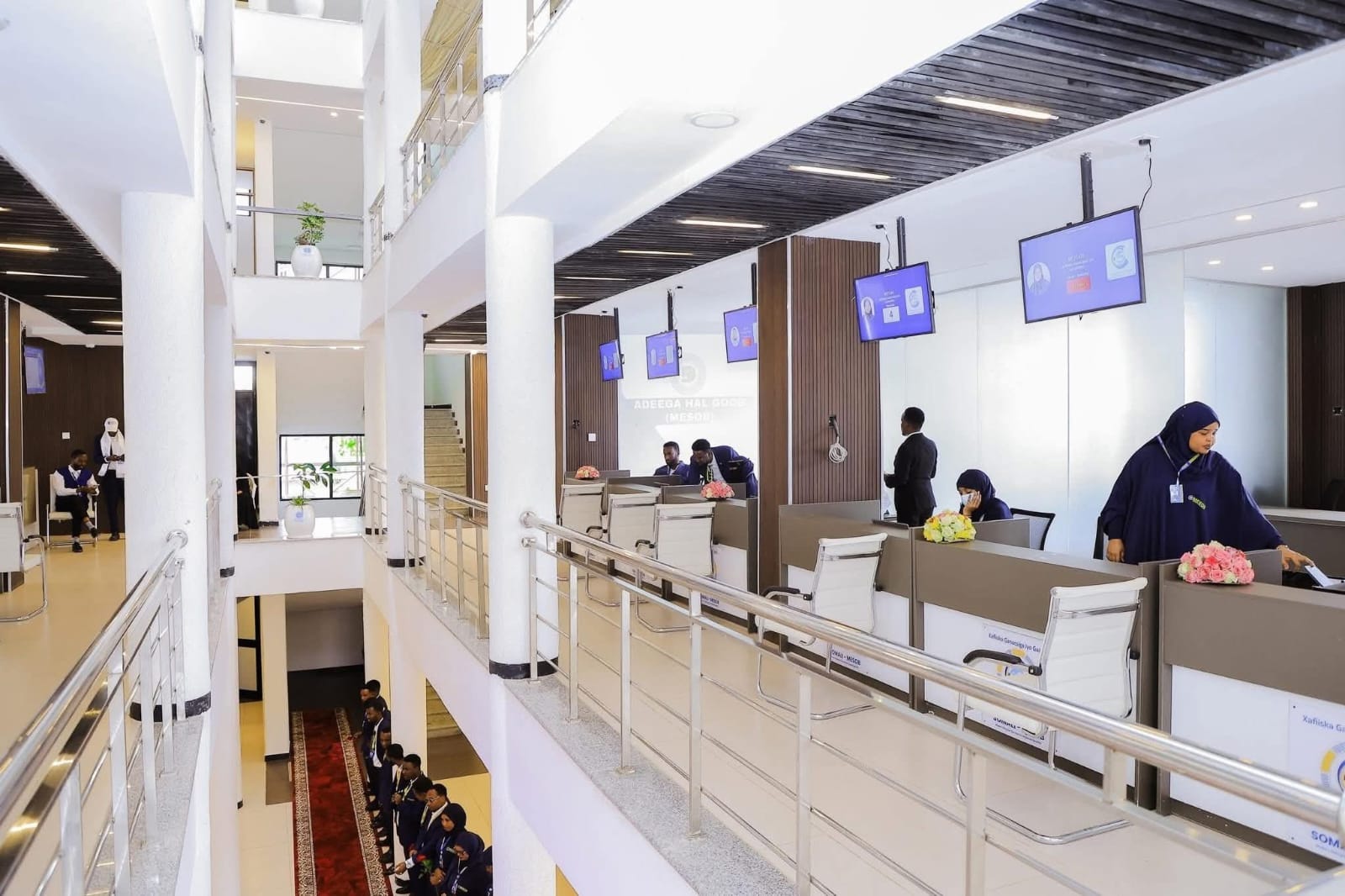
Modern Ethiopian Service for Organized Benefits (MESOB) began as a promise to parliament. Before any ribbon was cut, Prime Minister Abiy Ahmed (PhD) told lawmakers that a single-window service platform was coming and that every ministry would eventually be folded into it. It opened in Addis Ababa on 26 April 2025 with 12 federal institutions and 41 services under one roof.
Expansion since has been fast and well publicized. By mid-June 2025, officials counted 124 services from 23 institutions and announced a nationwide rollout. In September, a city-level center opened offering 107 Addis Ababa services through 13 institutions. In January 2026, the Council of Ministers issued the regulation formally establishing MESOB Service as an independent federal office accountable to the Federal Civil Service Commission, nine months after the platform had already begun operating. A handful of other cities quickly followed the capital. On 20 June, the Prime Minister launched the Unified MESOB app, describing it as Africa’s first unified digital public service platform, carrying more than 185 services. By August, the CEO was briefing visiting African ambassadors on more than 100 branches, a mobile service bus, and a 480-counter government complex under construction.
A few weeks ago, MESOB’s three-year strategic plan was discussed at the Skylight Hotel in Addis Ababa, with the agenda focused on orienting regional states on implementation. Participants representing several government institutions highlighted some emerging concerns amid the national rollout. Some named limited digitization at source, weak information exchange between institutions, thin digital literacy, and underdeveloped coordination and service agreements as the obstacles standing between MESOB and the seamless delivery it advertises.
Insiders familiar with the onboarding process are blunter. Parent service providers in some parts of the country, they told Shega, are simply not making the effort to join. Some read the platform as a threat to their institutional relevance and fear being absorbed by it. Others, insiders allege, are defending something less abstract: offices grown accustomed to bribery and misconduct at the counter, where transparency would close a revenue line. For now, the work is persuasion rather than instruction.
Ad

ሲኖሩ ያለ ነው፤ መረጨትም ያጋጥማል!💦
IP68 water resistance ያለው #GalaxyA37 5G በየቀኑ ለሚያጋጥሙን ክስተቶች ታስቦ የተሰራ ነው!😎
#OwnYourAwesome #AwesomeIntelligence
A new report from the European Union Delegation to Ethiopia paints a detailed picture of the nation’s post-floating economy, revealing a dramatic USD 50 billion drop in nominal Gross Domestic Product alongside high underlying growth.
The update, titled Ethiopia Economic and Trade Update February to June 2026, compares the country’s performance before and after its July 2024 currency floating, while measuring its position against neighboring East African economies.
Despite real expansion, nominal figures provided by the International Monetary Fund show a sharp statistical contraction from nearly USD 160 billion in 2023 to USD 109.1 billion in 2025. This paradox stems from valuing all goods and services at current market prices in US dollars after the Ethiopian Birr plummeted following its float.

A new national survey indicates that a vast majority of Ethiopians believe corruption has worsened significantly over the past five years, according to the Ethics and Anti-Corruption Commission.
The commission’s fourth National Corruption Perception Survey, which measures public opinion on graft across key institutions and assesses citizen awareness of the issue, reached more than 91 percent of its 2,195 targeted respondents from diverse regions and cities.
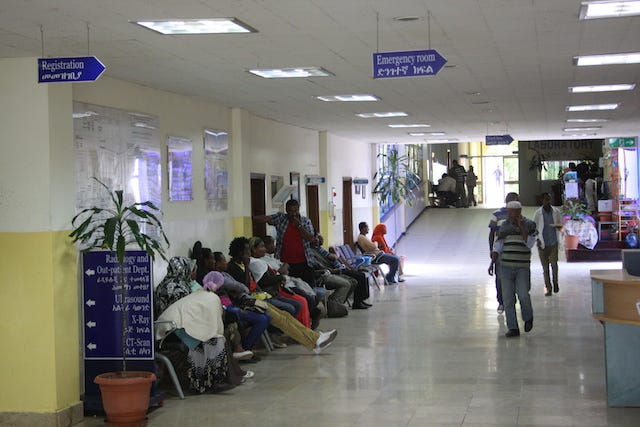
Over 82 percent of health institutions assessed in a new government survey failed to meet standards, with surveyors noting that compliance has dropped significantly over the past four years.
The survey assessed adherence to the Ethiopian Health Institutions Standard, which is jointly enforced by the Ministry of Health, Institute of Ethiopian Standards, and Ethiopian Accreditation Service. It covered 2,701 institutions across regions, with over 2,000 of them being privately-owned health institutions. Twenty-one comprehensive hospitals and 42 general hospitals were assessed.
The survey found a significant fall in overall compliance, which officials say is partly due to a new assessment framework incorporating stricter, modernized criteria evaluating clinical outcomes, digital health record integration (HIS), patient safety protocols, and continuous quality audits rather than focusing purely on basic physical infrastructure.
The Government of Ethiopia has mandated the collection of all federal fuel taxes at full statutory rates, a measure projected to generate revenue equivalent to 0.8 percent of gross domestic product (GDP) in the 2026/27 fiscal year.
Under the directive, the Ministry of Finance has authorized the Ethiopian Customs Commission to remit all fuel-tax proceeds directly to the federal treasury, marking a significant departure from previous practice. In the past, part of the revenue was retained by entities such as the Ethiopian Petroleum Supply Enterprise (EPSE) and the Road Fund to offset operational losses and finance subsidies.
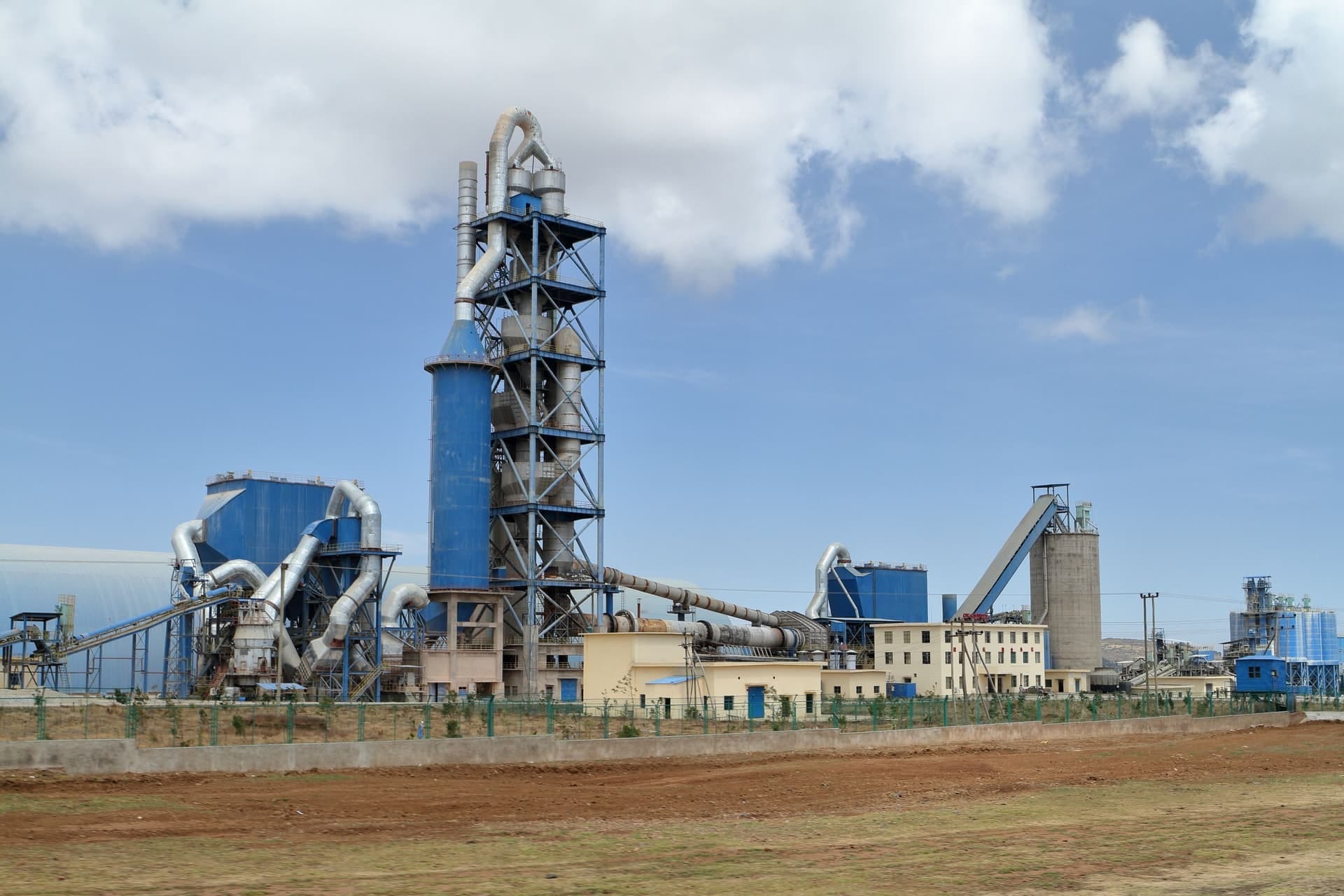
Ethiopia’s development plans have named manufacturing the engine of national transformation so often, and for so long, that the claim has acquired the texture of settled fact. Its banks tell a different story. By June 2025 they were lending more than two and a half times as much to the business of buying and selling as to the business of making, and manufacturing.
That distance between stated priority and revealed preference has now produced a quarrel loud enough to reach the central bank. Manufacturers say they are being starved of credit and foreign currency and point to idle production lines to prove it. Bankers say the money is flowing, and that what ails Ethiopian industry lies well beyond the loan officer’s desk.

Ethiopia is set to seek an indicative USD 13.4 billion in World Bank IDA financing over the next decade under a new Country Partnership Framework, with access to the financing tied to the country’s reform progress, performance, implementation capacity and the availability of IDA resources.
The World Bank’s Country Partnership Framework for Ethiopia that would last from 2027 to 2036 sets the indicative allocation across multiple IDA cycles.
It also notes that actual Performance Based Allocation volumes will be determined annually based on available IDA resources, the number of eligible countries and country-specific performance, income and population factors.
No posts
Comments
Nothing yet. Say the first thing.
Sign in to join the conversation.