
Dangote Offers East African States Stake in Planned Refinery
NBE Prepares to End Composite Insurance Licensing
El Niño Forecast to Wreak Havoc on Ethiopian Agriculture in Coming Months
NBE Moves to Establish Central Shari’ah Advisory Board
After 16 Years, One of the Main Architects of Ethiopia’s Payment Overhaul Departs from NBE
Foreign Ministry Seeks Diplomatic Missions’ Staff and Property Records
Signal
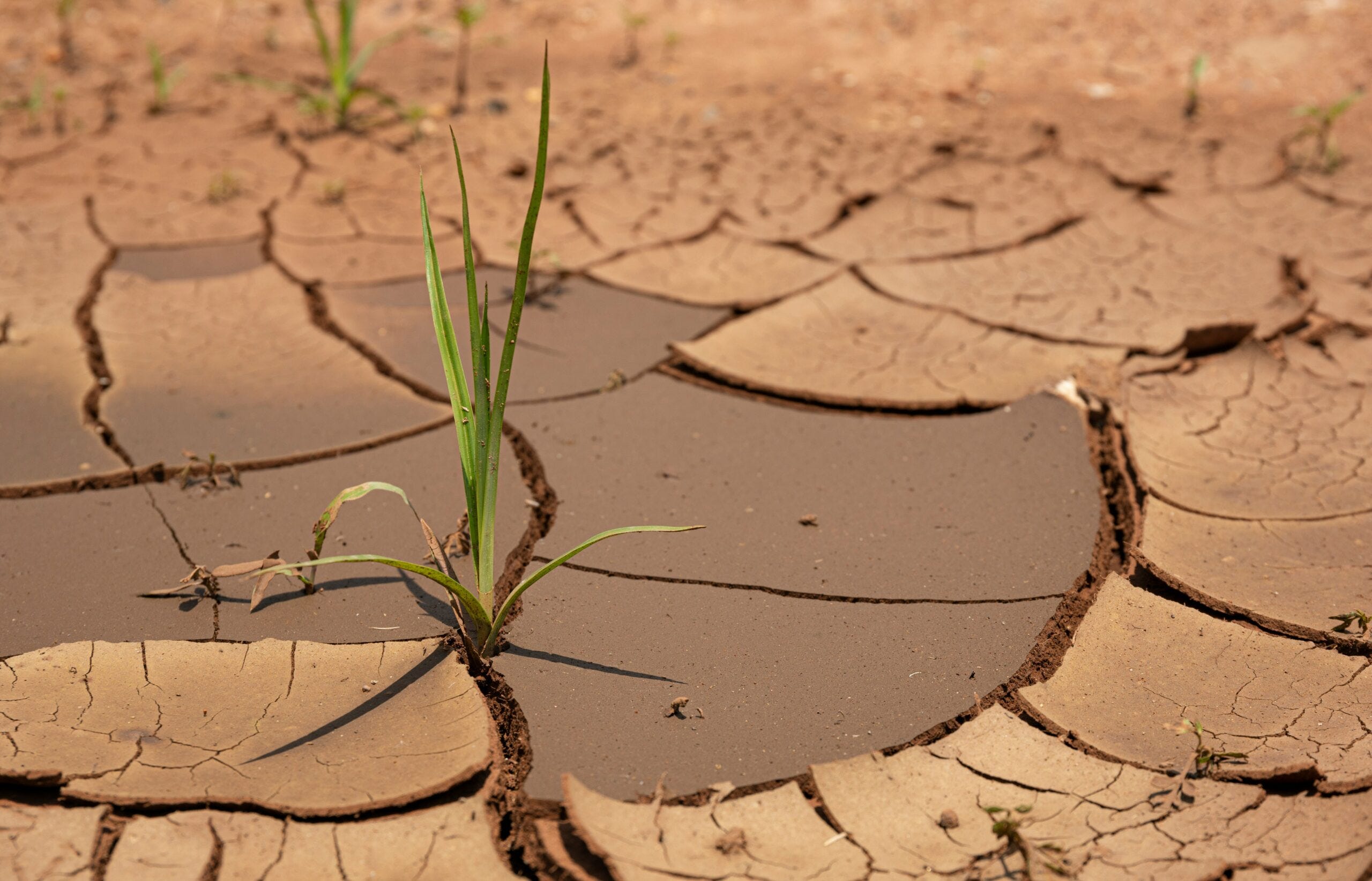
A new strategic reserve administration regulation, drafted under the Ethiopian Disaster Risk Commission, aims to wean the country off an aid dependency older than most of its living population.
The draft, now with the Council of Ministers, would create a strategic reserve administration under the Ethiopian Disaster Risk Fund, a financing mechanism built mainly on domestic resources, to stockpile food and non-food emergency supplies largely without new donor financing. Officials describe the ambition plainly: run the country’s own disaster response system rather than route it through international aid agencies.
According to a senior commission executive who spoke to Shega on condition of anonymity, reserve commodities, wheat, barley, sorghum, and rice, will be collected from farmers across ten regions through regional disaster risk commissions and stored in more than eight warehouses in Adama, Kombolcha, Dire Dawa, Werta, Mekelle, Shashemene, Welayta, and Shenele. Tigray is excluded from the collection scheme. Teff, notably, did not make the list; officials call it a “luxury commodity” the reserve has no interest in competing for.
“We are aiming for risk management rather than crisis management,” the official said.
Distribution is targeted rather than universal. Displaced people, safety-net households, and farmers who lost their livelihoods to disaster are the intended beneficiaries. The stated logic: donor volumes have rarely matched real need in timing or scale, so a domestically financed, needs-tested reserve is the proposed fix. For scale, Ethiopia's previous emergency grain reserve, the Emergency Food Security Reserve Administration, was designed to hold around 200,000 tons at full stock, according to institutional research on the program, a fraction of what a six-month, national-ration target now implies.
Dangote Group has offered East African countries a 30 percent equity stake in the massive oil refinery it plans on constructing in the region, according to Kenyan President William Ruto’s top economic advisor.
Kenya’s 10 percent stake would be worth about USD 500 million, David Ndii told a capital markets forum in Nairobi late on Thursday, adding that Ethiopia and Rwanda have already shown interest, Bloomberg reported on Friday.
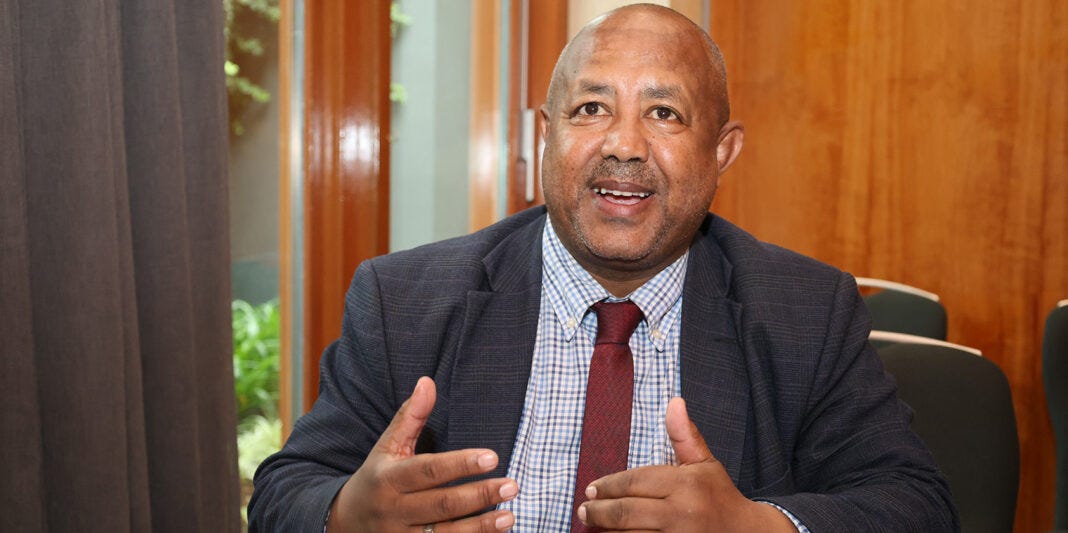
Ethiopia’s insurance industry is approaching what could become its most significant regulatory reform in decades. Under a draft proclamation expected to be enacted this year, insurance supervision would shift from the National Bank of Ethiopia (NBE) to an independent regulatory authority.
For a sector long sheltered from foreign capital and overshadowed by the banking industry, the draft proclamation signals a major transformation. Developed with World Bank support, the proposed reform could bring the most consequential structural change the Ethiopian insurance market has seen in recent history.
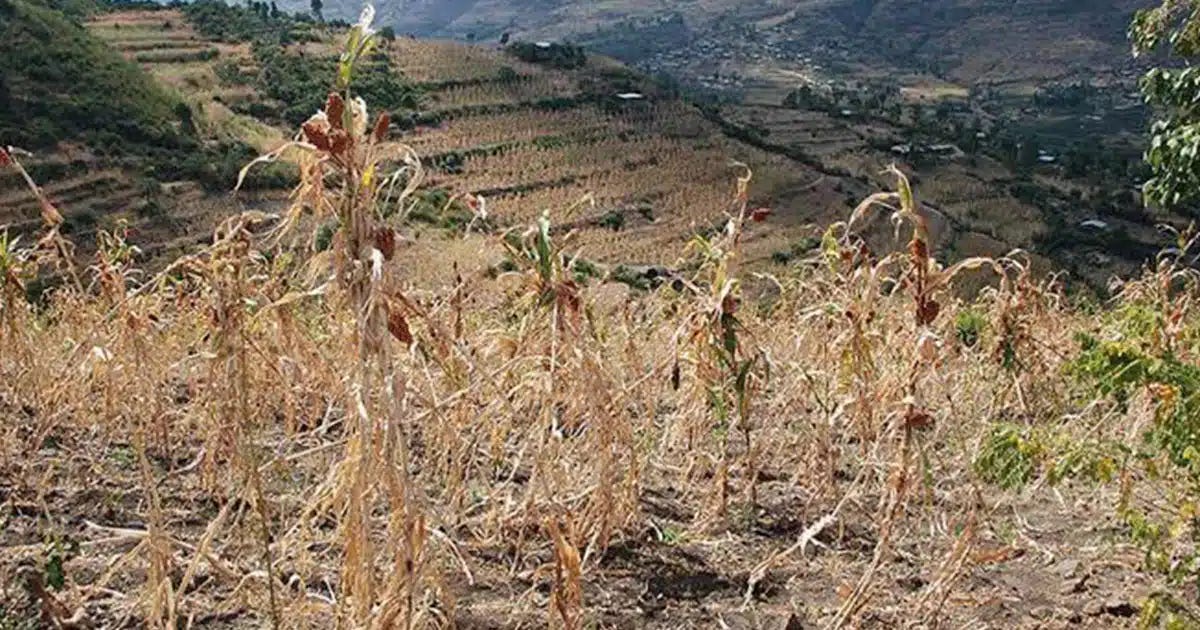
Ethiopia faces a contrasting extreme climate threat as intensifying El Niño conditions deepen severe rainfall deficits in parts of the country while forecasts indicate above normal rains and flooding in southern and eastern areas later this year, according to a new regional report on food security.
The Food Security and Nutrition Working Group (FSNWG) Special Report, titled “Strengthening El Niño Conditions: Implications for Rainfall, Flood Risk and Food Security in Eastern Africa” and published this week, examines the implications of the strengthening El Niño episode for rainfall, flooding, agriculture, food security and nutrition across Eastern Africa.

The National Bank of Ethiopia (NBE) is moving to establish a Central Shari’ah Advisory Board as it seeks to standardize oversight of the country’s rapidly expanding interest-free banking sector.
The proposed board is expected to harmonize Shari’ah compliance practices across financial institutions, addressing a system where individual banks have historically relied on separate Shari’ah committees. The NBE says this fragmentation has contributed to differing interpretations, operational inconsistencies and challenges around asset-based financing.
The move comes as interest-free banking gains a larger foothold in Ethiopia.

Solomon Damtew, the National Bank of Ethiopia (NBE) director who oversaw the country’s payment and settlement systems through the fastest expansion in their history, has resigned after nearly 16 years at the central bank.
He announced his departure last week, closing a chapter that opened when he was fresh out of university and ends with him among the youngest officials to hold a directorship at the six-decade-old institution.

The Ministry of Foreign Affairs has asked diplomatic missions and international and regional organizations to submit information about employees without diplomatic privileges, together with records concerning the properties they occupy.
The request originated from the Addis Ababa City Government Revenues Bureau and was circulated by the Ministry on August 17, 2026, to all diplomatic missions and international and regional organizations accredited to Ethiopia.
No posts
Comments
Nothing yet. Say the first thing.
Sign in to join the conversation.