
INSA Introduces Critical Infrastructure Cybersecurity Fund
ESX Founding CEO Tilahun Steps Down
Addis Ababa is Rewriting How It Spends
CNETPay Receives NBE Payment Operator Licence
Deputy Customs Commission among 91 economic crime suspects
EthSwitch Opens International Settlement Account to Support Global Card Services

Do it right the first time. Samsung Authorized Service Centers protect what your warranty promises with expert techs and genuine parts.
Signal
The Ethiopian Intellectual Property Authority is reportedly preparing to amend three legal instruments at once: the laws governing minor inventions and industrial designs, trademarks, and copyright. The Authority’s public relations and communications executive, gave two reasons to a local media outlet last week. The statutes are more than two decades old, and the country is preparing for membership of the World Trade Organization.
Both reasons are sound. The first is also a little modest. Proclamation No. 123/1995, which covers patents, utility models and industrial designs, is thirty-one years old, making it older than the median Ethiopian. The copyright proclamation dates to 2004 and was lightly amended in 2014; the trademark law dates to 2006. Both were drafted for an economy with no smartphones, no mobile money, no streaming services and very little worth infringing.
The WTO explanation deserves a moment of its own. Ethiopia applied to join in 2003, and its Working Party was established on 10 February that year. Twenty-three years later, the country is still acceding. Trade and Regional Integration Minister Kassahun Gofe Balami (PhD) told the Working Party in September 2025 that accession had “entered a decisive phase,” and told it again in April 2026 that negotiations had “reached a decisive juncture.” The target of concluding at the Yaoundé ministerial in March 2026 came and went, and a seventh Working Party meeting convened the following month. An eighth is scheduled for September, with officials now targeting conclusion by the end of the year. Ethiopia’s vocabulary of decisiveness has now comfortably outlasted the decision.
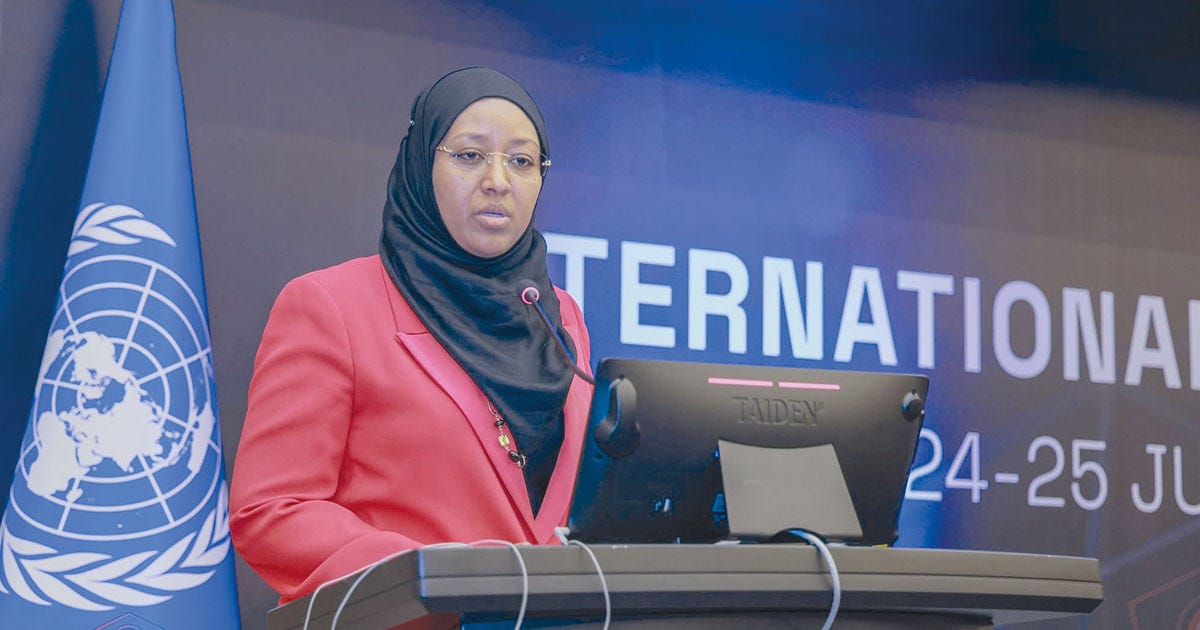
The Information Network Security Administration (INSA) has introduced a new Critical Infrastructure Cybersecurity Protection Proclamation, establishing mandatory cybersecurity requirements across 12 sectors, including finance, telecom, healthcare, energy, transport, education and government services.
The proclamation requires critical infrastructure operators to conduct cyber-risk assessments, establish Security Operations Centers, obtain security certifications, secure their supply chains and report cyber incidents to the National Computer Emergency Response Team within 48 hours.

Tilahun Esmael Kassahun, the founding CEO of the Ethiopian Securities Exchange (ESX), has stepped down after four and a half years leading the institution from its project phase into an operating securities exchange. The ESX board has appointed Yodit Kassa as his successor.
Yodit has been with ESX since its early project phase, previously serving as Chief Business Officer and Chief Operating Officer. She will lead the exchange as it shifts its focus from institution-building toward expanding its issuer and investor base, introducing new products and market segments, and strengthening market infrastructure.

The Addis Ababa City Administration is rewriting its public procurement rules as it seeks to speed up spending and improve efficiency, according to a new Shega report.
The reform comes amid more than ETB 2 billion in receivables and over ETB 100 million in reported procurement violations, highlighting persistent weaknesses in the city’s purchasing and contract-management systems.
The proposed changes aim to streamline procurement processes, but they also raise questions over whether faster government spending could come at the expense of oversight and accountability.

The National Bank of Ethiopia (NBE) has granted CNETPay Financial Technologies S.C. a payment-system operator license, clearing the company to enter Ethiopia’s expanding digital-payments market once it completes a mandatory pilot and meets additional regulatory conditions.
The central bank approved CNETPay’s application for a payment gateway and point-of-sale operator license under license number NPS/PSO/031/2026.
CNETPay initially submitted its application on September 10, 2024, meaning the licensing process took nearly two years. The central bank issued the underlying business license on July 22, 2026, while its formal approval letter to the company was dated August 5.
The license does not allow CNETPay to immediately launch full commercial operations.

Ethiopian authorities have detained 91 people, including Ethiopian Customs Commission Deputy Commissioner Azezew Chane, as part of a wider investigation into alleged organized economic crimes within the country’s revenue and customs administration.
According to Government Communication Service Minister Enatalem Melese, investigators identified 109 suspects allegedly linked to networks that manipulated tax assessments, used forged payment receipts and deleted electronic records, contributing to losses in government revenue. Of those identified, 91 have been taken into custody.

EthSwitch has opened an international settlement account at Bank of Abyssinia, taking another step toward connecting Ethiopia’s domestic payment infrastructure with global card networks.
The dedicated multi-currency dollar account is expected to support the settlement of international card transactions. Bank of Abyssinia’s correspondent banking relationship with Citibank provides a link to international financial infrastructure, although EthSwitch says it does not have a direct relationship with Citibank.
No posts
Comments
Nothing yet. Say the first thing.
Sign in to join the conversation.