
OLA Energy-TotalEnergies Deal Faces Regulatory Scrutiny Over Competition Concerns
Bishoftu Airport Bid Selection Delayed as Ethiopian Airlines Awaits USD 9 Bn Financing
Hulu Sport Wins in Court, But Remains Shut Down
The USD 4bln Collapse: Inside the Regulatory Stalls, Geopolitical Friction, and Tax Disputes That Derailed Zijin Mining’s Acquisition of Allied Gold
The Slow Death of Ethiopia’s Smallest Notes
Digital Remittance in Ethiopia: The Opportunity, Risk, and Fine Print
If you invest, operate, advise, or build in Ethiopia, July 2026 was a month of quieter, but more structural, policy shifts. Shega just published the fourth edition of its Policy Monitor, tracking the regulatory changes shaping the operating environment. Here’s what moved: • NBE appears to have completed its transition to an interest-rate-based monetary framework, but with credit still growing at 45%+, transmission is now the real test. • University leadership appointments are being overhauled: a three-stage competitive process, 40% weighting on strategy, and fixed six-year terms to counter politicization • The Ethiopia–Kenya border trade regime formally launched at Moyale, small in volume ($1,000 cap), but foundational for AfCFTA data and future scale • Addis Ababa introduced its first construction minerals licensing system, forcing an informal supply chain into regulation amid a 50% supply gap • A 5% hotel accommodation tax created a new city revenue stream tied directly to Addis’s role as a diplomatic and business hub • Residential rents were capped at 11.5%, but in a market where supply, not pricing, is the binding constraint This month is less about headline reforms, and more about whether institutions can implement what’s already been designed. Policy Monitor cuts through the noise: what changed, what it means in practice, and what to watch next.

Long before the sun rose over the Federal Housing Corporation’s auction hall last week, a crowd had already formed outside its gates. Bundled against the morning chill, bidders waited in an empty room for an hour before proceedings even opened.
The corporation’s latest sale, its eighth residential guest-house auction and 16th commercial shop auction, put 79 units before those 264 bidders across seven corners of the capital. Bidding was conducted in Birr for the commercial units on a monthly basis. The units ranged from 13.2 square meters to just over 100, spread across Mekanisa, Riche, the African Union area, Gojam Berenda, Bisrate Gebriel, Lideta and Sidist Kilo, and sorted into ranked categories, from first down through second, third and fourth, with a special category above them.
The first category held a single 103.65 sqm shop in Gojam Berenda, a corridor long known as one of the city’s busiest trading arteries. It drew 11 bidders and closed at 71,000 Birr. Three units fell under the second category, together pulling 55 bidders. The strongest sat in the African Union area, a 71.83 sqm space that closed at 122,111 Birr, the highest bid recorded outside the special category. A site near Lideta College fetched 54,598 Birr across 76.63 sqm, while a 16.16 sqm space in Mekanisa, around Seminariem and among the tiniest on offer, closed at 41,288 Birr, more than double the third highest offer there. The third category consisted of one 63.94 sqm shop in Riche, which drew nine bidders and 57,801 Birr.
Then came the fourth category, and the auction’s most telling result. Sixty-seven units around Sidist Kilo went up for bid, 85 percent of the auction by unit count. Not one received an offer.

The planned acquisition of TotalEnergies Marketing Ethiopia by OLA Energy has run into a regulatory hurdle in Ethiopia, with authorities raising concerns that the transaction could reshape the fuel retail market and concentrate too much power in one company’s hands.
The two international energy companies reached an agreement in Paris at the end of June 2026, under which OLA Energy, a pan-African fuel retailer backed by Libyan state investment institutions, would acquire TotalEnergies’ assets in Ethiopia. The financial terms of the deal were not disclosed.
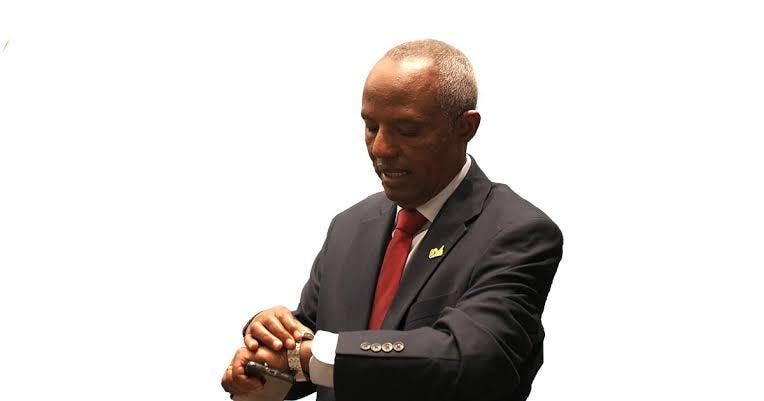
Ethiopian Airlines has postponed the selection of contractors for its planned Bishoftu International Airport from August 2026 to early January 2027 after prospective bidders requested additional time to prepare proposals and secure financing.
Speaking during the airline’s annual performance briefing on Thursday, Group Chief Executive Officer Mesfin Tasew said the adjustment followed requests from construction companies seeking more time to finalize bids, negotiate with lenders and engage subcontractors.

Judges at the Federal High Court have overturned the National Lottery Administration’s decision to suspend Hulu Sport, one of the country’s leading sports betting operators, finding the regulator’s action legally flawed.
Yet the company’s return to business remains on hold, after the Administration has appealed and secured a temporary stay of execution. A firm that won its case in Court still cannot reopen its doors, and the gap between the two outcomes is where the dispute now sits.

Ethiopia is setting its sights on becoming a regional construction powerhouse, unveiling an ambitious plan to increase the share of domestic contractors capable of competing for international projects from 33% to 80% over the next decade.
On Wednesday, July 29, 2026, Toronto-listed Allied Gold Corporation and Hong Kong–listed Zijin Gold International, a key public subsidiary of mainland China’s mining titan Zijin Mining Group Co., Ltd, issued concurrent announcements confirming the formal termination of their proposed CAD 5.5 billion (USD 4.01 billion) arrangement agreement
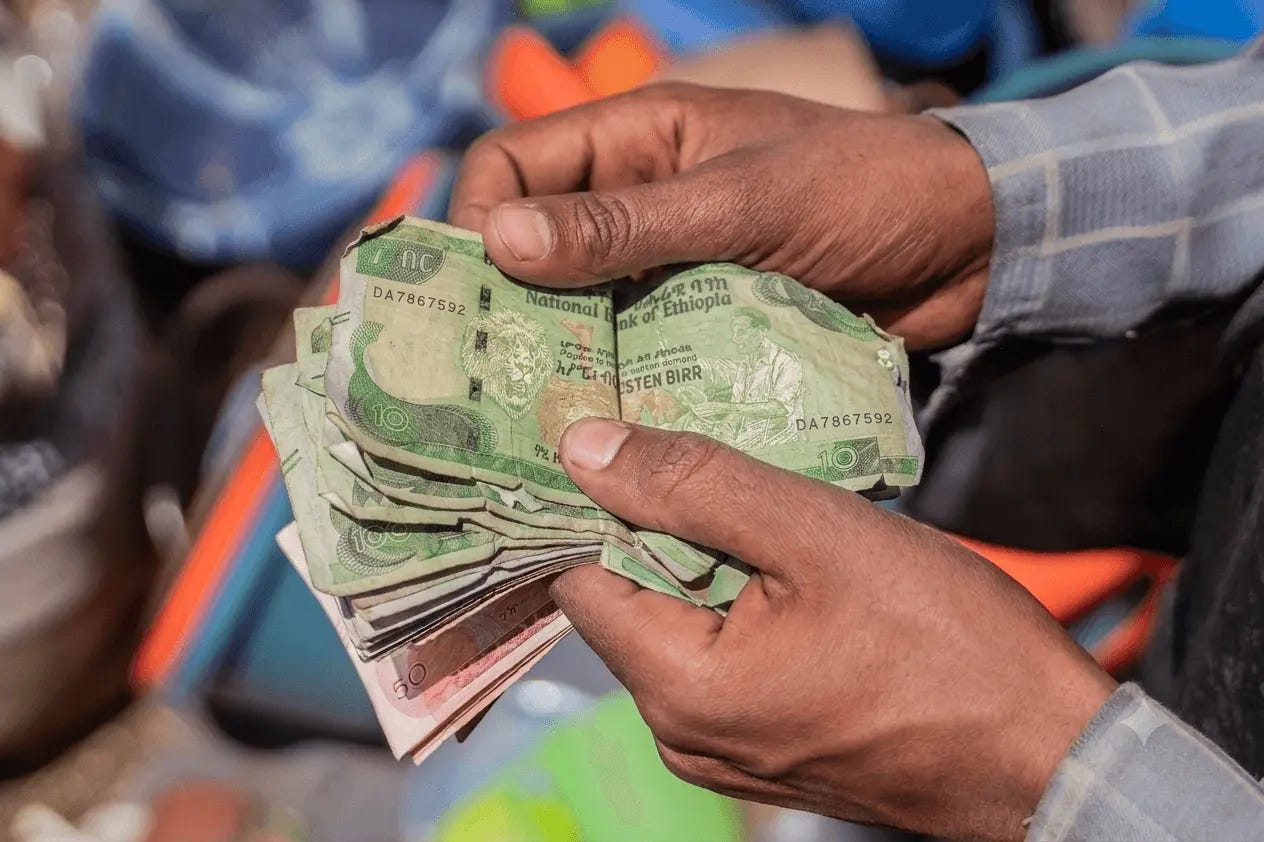
Over the past five years, digital payment options have proliferated across Ethiopia's cities, part of a deliberate push towards a cash-lite economy, backed by incentives to digitize and curbs on holding cash, including limits on bank withdrawals. Yet even as mobile money surges, many citizens can ill afford the service commission, value-added tax and disaster-risk levy attached to each transaction.
The birr's smallest notes, it turns out, are not dying of old age. They are dying of economics: a specific, traceable set of decisions about printing costs, exchange rates and central-bank priorities that has made the 5 and 10 birr notes unprofitable to replace long before they become unusable to spend.

Ethiopia’s digital remittance landscape has come a long way since the launch of MamaPays and CashGo, the first of their kind, in 2021. Currently, around a dozen digital remittance platforms are operating in Ethiopia across banks, mobile money platforms, and fintechs.
The regulator, which was initially at odds with these platforms, now stands behind them. The launch of new digital remittance platforms is attended by officials from the National Bank of Ethiopia (NBE), and these service providers are viewed as critical players in the nation’s effort to formally attract remittance.
This article is an output of AKOFADA (Advancing Knowledge on Financial Accessibility and DFS Adoption), a project working to increase knowledge and transparency within Ethiopia's DFS ecosystem.
No posts
Comments
Nothing yet. Say the first thing.
Sign in to join the conversation.