
Ethiopia Set for USD 295mln New Development Bank Buy-In
Education Ministry Lays out Requirements for University Autonomy
OLA Energy’s Acquisition of TotalEnergies Ethiopia Marks Turning Point for Fuel Industry
Africa’s Aviation Sector Faces Baggage Challenge Amid Global Gains
Parliament Ratifies Tax Amendment, Assigns PMO to Lead Conciliation, Imposes 10pc Penalty on Late Evidence
Ethiopia’s Small-Scale Oil Producers Are Coming Back. But the Rules That Once Squeezed Them Out Haven’t Left
If May was about closing institutional gaps, June is about testing whether Ethiopia can afford the reforms it's writing.
Shega has just published the June edition of Policy Monitor, our monthly intelligence brief on the legislative and regulatory shifts shaping Ethiopia's operating environment.
This month, one number frames everything else: Ethiopia's largest-ever federal budget, at 2.34 trillion birr, is also the second consecutive budget in which debt service outweighs combined capital spending on roads, health, agriculture, and higher education.
Balancing it depends on a 35.6% tax-revenue increase with no real precedent, and that single figure connects almost every other front moving this month.
The enforcement side of that bet is now visible in law. A new Electronic Invoicing Directive mandates real-time digital receipts across the formal economy, the most operationally demanding compliance measure since VAT, backed by INSA certification and six-figure performance bonds for service providers.
Three structural drafts are advancing in parallel, each addressing a gap this Monitor has flagged before: a rewritten Statistics Proclamation gives Ethiopia's data agency independence and a legal right to administrative data, nineteen years after its last census; a new Agricultural Business Company vehicle lets smallholders pool land and labor into something a lender can actually underwrite; and a Rational Medicines Use Directive writes WHO antimicrobial-resistance stewardship into binding law for the first time.
Two further instruments look outward.
A draft Federal Sharia Courts Proclamation modernizes Islamic family-law adjudication for the first time since 1992, introducing a binding cassation mechanism, though the substance of the law itself stays untouched. And a new Forest Carbon Trading Directive lays the legal groundwork for Ethiopia's carbon market ahead of hosting COP32 in Addis Ababa in 2027.
Read together, they describe a government trying to fund an ambitious reform agenda through enforcement, while the infrastructure to enforce, adjudicate, and measure any of it is still being built underneath it.
Policy Monitor is built to track that gap in real time: what changed, what it means in practice, and what to watch before it becomes next month's headline.
Policy Monitor is built for this moment. Each edition distils what changed, why it matters in practice, and what to watch next.
Signal
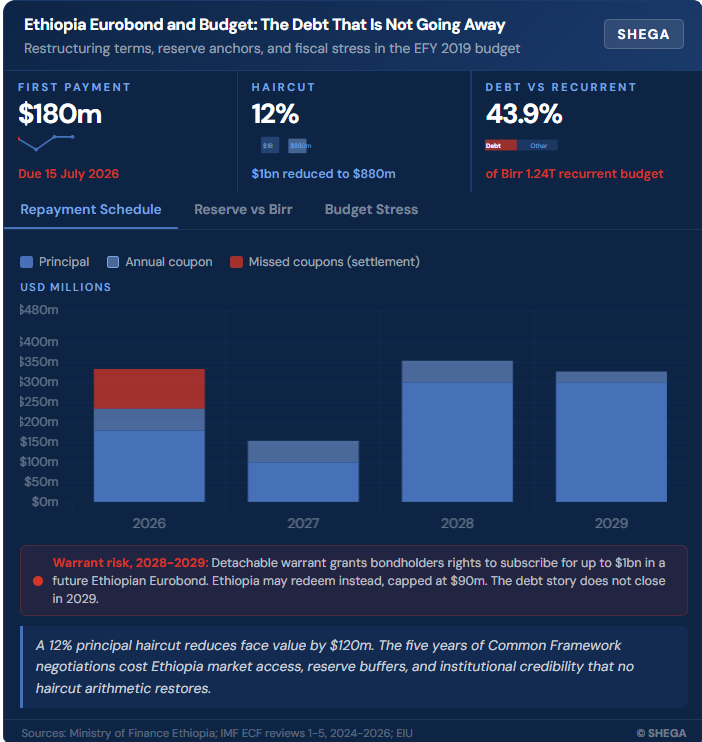
Ethiopia’s $1 billion Eurobond was issued in December 2014, at a 6.625% coupon, to finance industrial parks and sugar estates. The ten-year bond was oversubscribed, drawing $3.2 billion in subscriptions against a $1 billion issuance, reflecting market optimism about sub-Saharan Africa’s high-growth frontier. Ethiopia sold only a third of available demand. Book-runners Deutsche Bank and JP Morgan processed the deal, and officials under the administration of prime minister Hailemariam Desalegn proceeded despite foreign exchange risks and uncertainties over project management that analysts had flagged at the time. The bond that was supposed to pay for industrial zones and sugar processing capacity is now, twelve years later, a restructuring case study.
On June 29, 2026, the Ministry of Finance announced it had reached an agreement in principle with an ad hoc committee of institutional holders controlling around 45% of the original notes, following restricted discussions between June 5 and June 28. The terms reduce the bond’s face value by 12%, from $1 billion to $880 million, extend the repayment schedule to July 2029, set a coupon of 6.15% paid semi-annually, and schedule principal payments of $180 million in 2026, $100 million in 2027, and $300 million in each of 2028 and 2029. The first payment falls due on July 15th.
The agreement is not yet final. It still requires broader sign-off from the full Official Creditor Committee beyond the non-objection already granted by co-chairs China and France, plus documentation, bondholder participation, and settlement. Until that process is complete, Fitch continues to classify Ethiopia as in default. Full Analysis
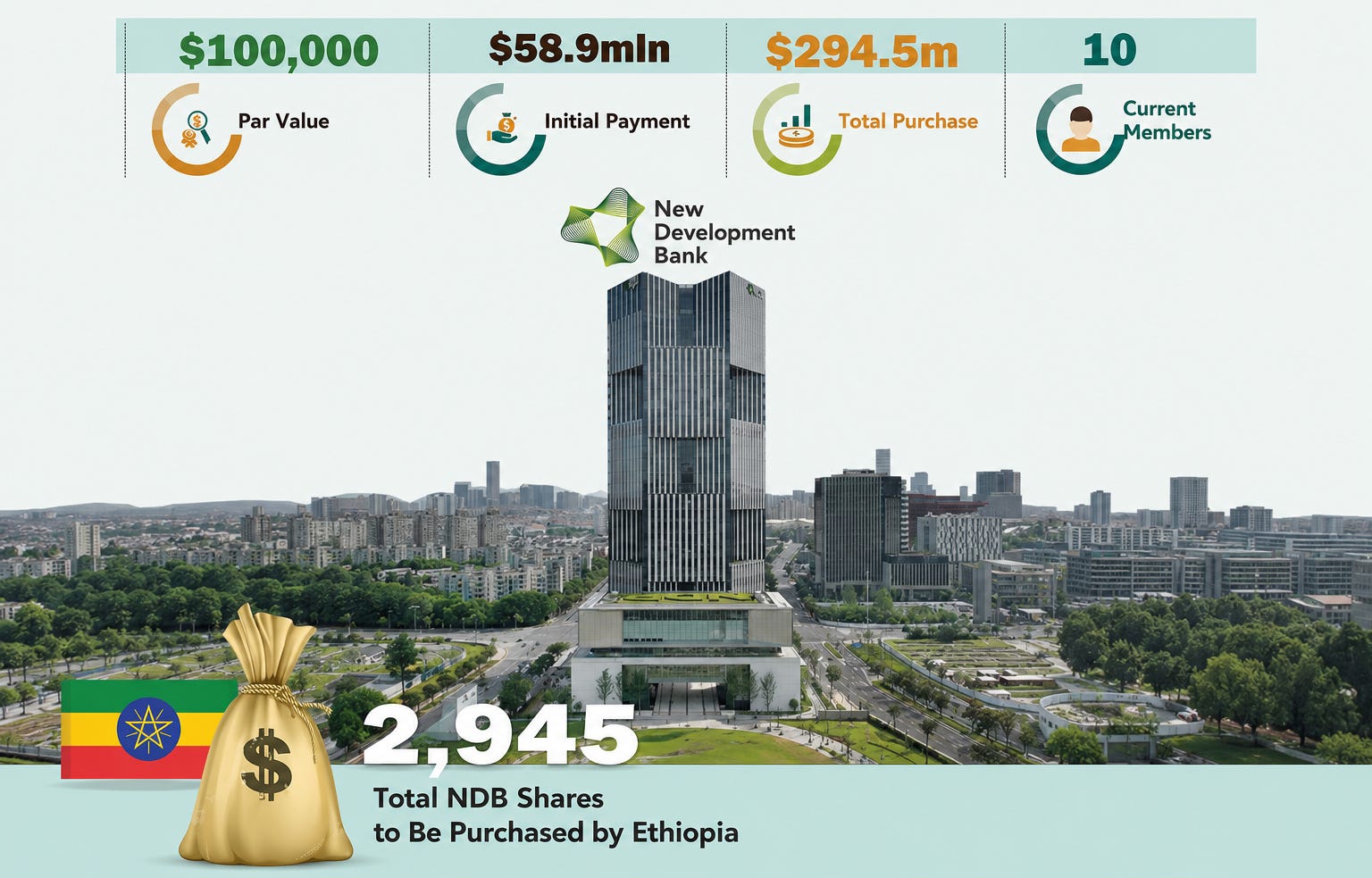
Ethiopia will purchase 2,945 shares in the BRICS New Development Bank (NDB) at a par value 100,000 USD per share pending parliamentary approval of a proclamation that would make the country an official member of the NDB. Read more.
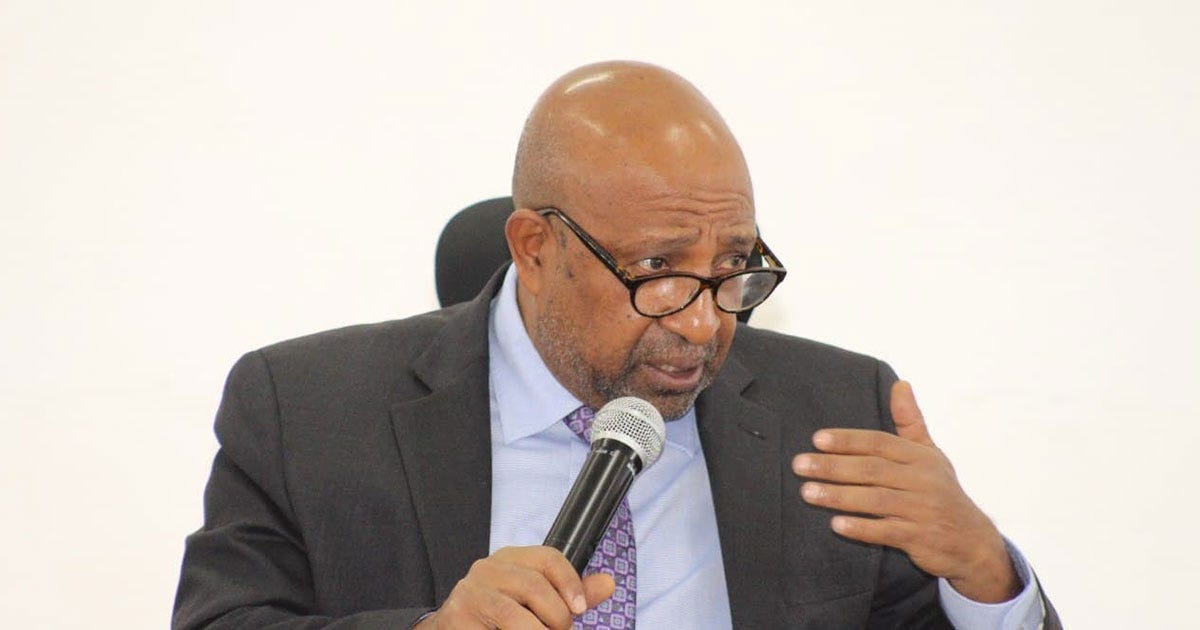
Education Minister Berhanu Nega (PhD) has rolled out a new directive outlining stringent requirements for public universities seeking a transition into autonomy.
The ‘Directive to Determine the Requirements and Criteria Expected of Public Universities to Become Autonomous Universities, No. 1143/2026’ compels universities to conduct self-assessments in governance, finance, human resources, and academic performance. Read more.

Ethiopia’s downstream petroleum industry is entering one of its most significant periods of transformation in decades following OLA Energy Group’s agreement to acquire TotalEnergies Marketing Ethiopia. The transaction not only reshapes the competitive landscape of the country’s fuel retail business but also marks the end of one of the longest-running international corporate legacies in Ethiopia. Read more.

Africa’s aviation sector is lagging behind global improvements in baggage handling, recording the highest mishandling rate of any region at 12.1 bags per 1,000 passengers, according to the 2026 SITA Baggage IT Insights Report. Read more.
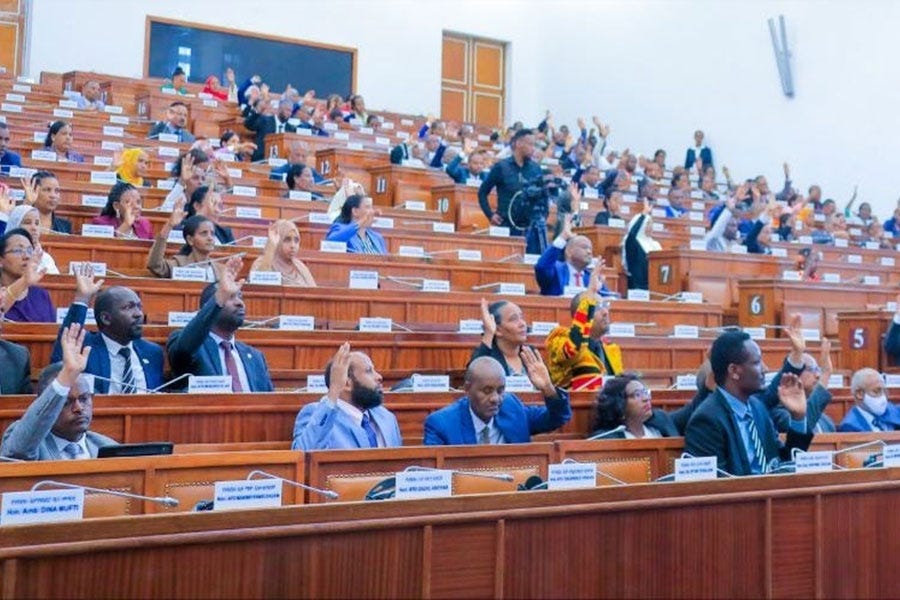
The Prime Minister’s Office will appoint independent tax conciliators while taxpayers face a 10pc penalty for late evidence under the Federal Tax Administration Amendment ratified by Parliament last week. By shifting the selection of “conciliators” from the tax authority to the PMO, authorities aim to establish a neutral dispute-resolution system to speed up out-of-court settlements. Read more.

Two decades back, cooking oil in Addis Ababa was pressed from noug in small neighborhood enterprises and sold at shops loose by the bottle. Then refined oil became standard, cheap imported palm oil flooded in, and the local press faded. Now small-scale oil production is returning, powered by pressing machines that start at a fraction of factory-scale cost and a growing trade on TikTok. But a mandatory requirement that loose oil cannot easily meet still hangs over the revival. Shega examines who is pressing, who is buying, and what could shut it down again.
No posts
Comments
Nothing yet. Say the first thing.
Sign in to join the conversation.