
Parliament Passes Ethiopia's Biggest-ever Federal Budget
Federal Auditor Flags 8.46 bn Birr in Uncollectible Tax Arrears
Debre Markos Airport Reopens After Three Decades to Boost Regional Connectivity
Bahir Dar University and Boeing Partner to Establish Aviation Innovation Center
Addis Ababa Introduces 5% Tax on Hotel and Lodging Services
Too Big to Regulate? CBE Says It Accounts for 70% of Digital Transactions
SIGNAL
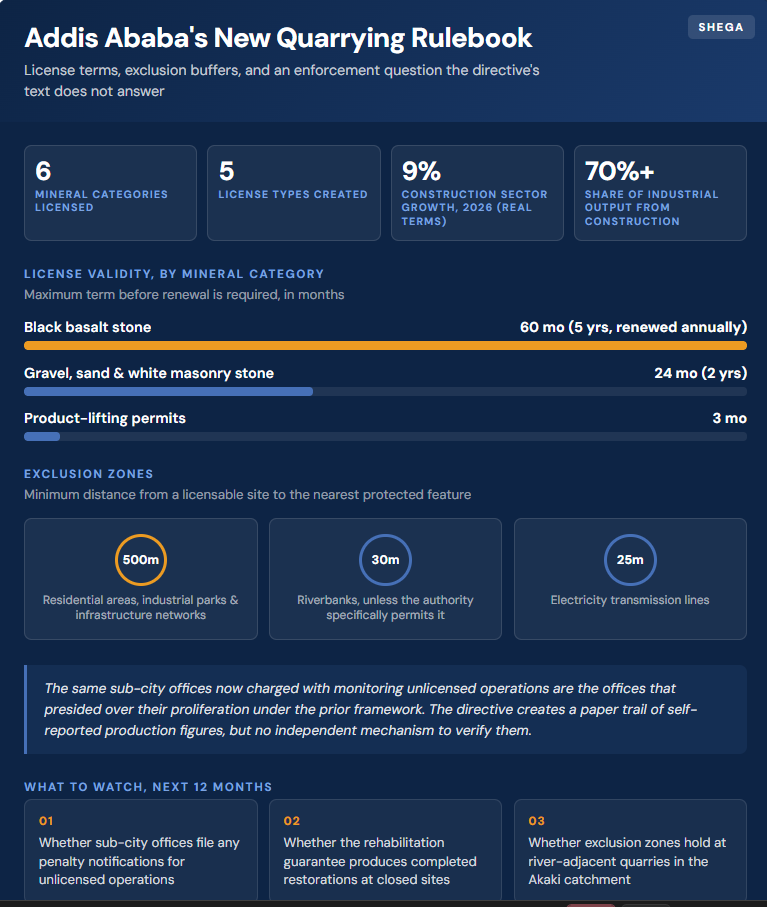
The Addis Ababa City Environmental Protection Authority issued a new directive two weeks back, establishing a comprehensive licensing framework for construction minerals extracted within the city administration boundary. The directive covers six mineral categories: black basalt stone, gravel, red sand, red soil, white masonry stone, and river sand. It creates five license types, including production-and-sale, production-for-government-use, product-lifting, and machinery-installation permits, each with differentiated validity periods. Black stone licenses run for a maximum of five years with annual renewal; aggregate, sand, and white stone licenses are capped at two years; product-lifting licenses at three months.
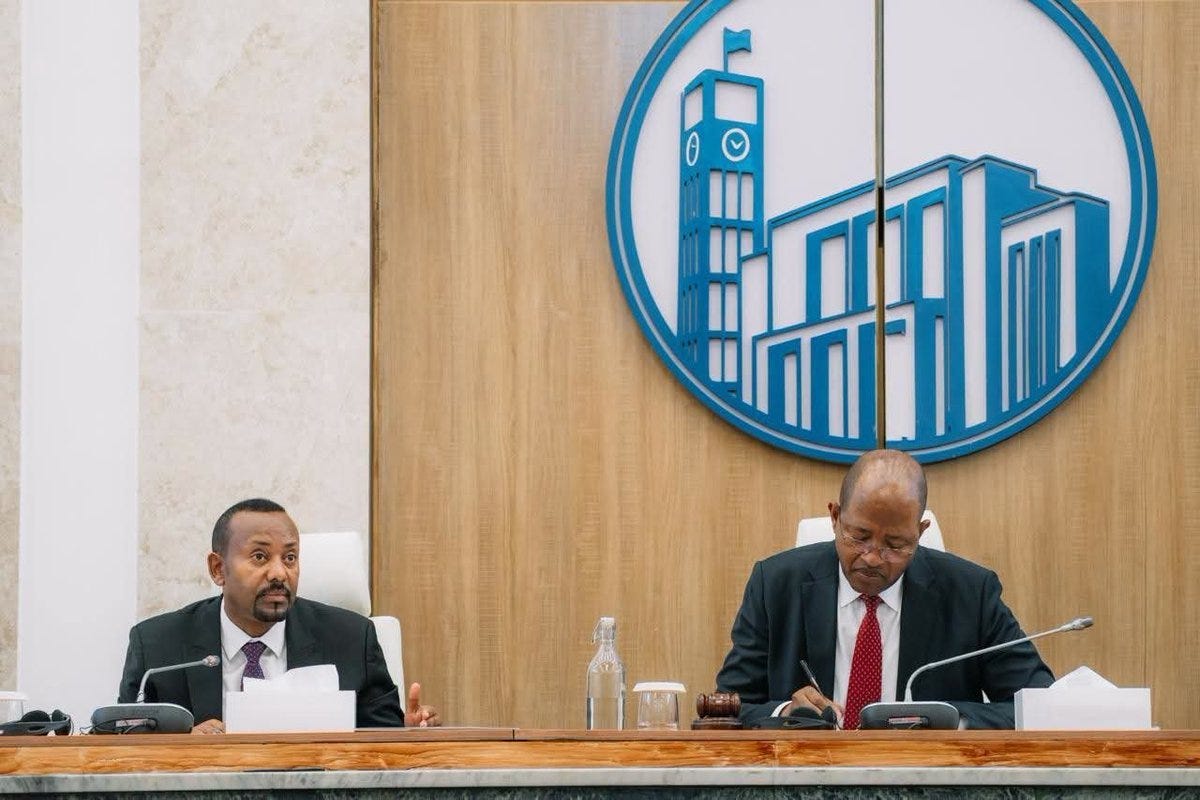
Ethiopia’s House of Peoples’ Representatives has approved a record ETB 2.34 trillion federal budget for the 2026/27 fiscal year, marking a 21.3% (ETB 411.6 billion) increase from the previous year’s allocation.
The approved budget will finance the government’s priorities and development programs for the fiscal year beginning July 8. The spending plan comes two weeks after the Council of Ministers endorsed the proposal before submitting it to Parliament for approval.
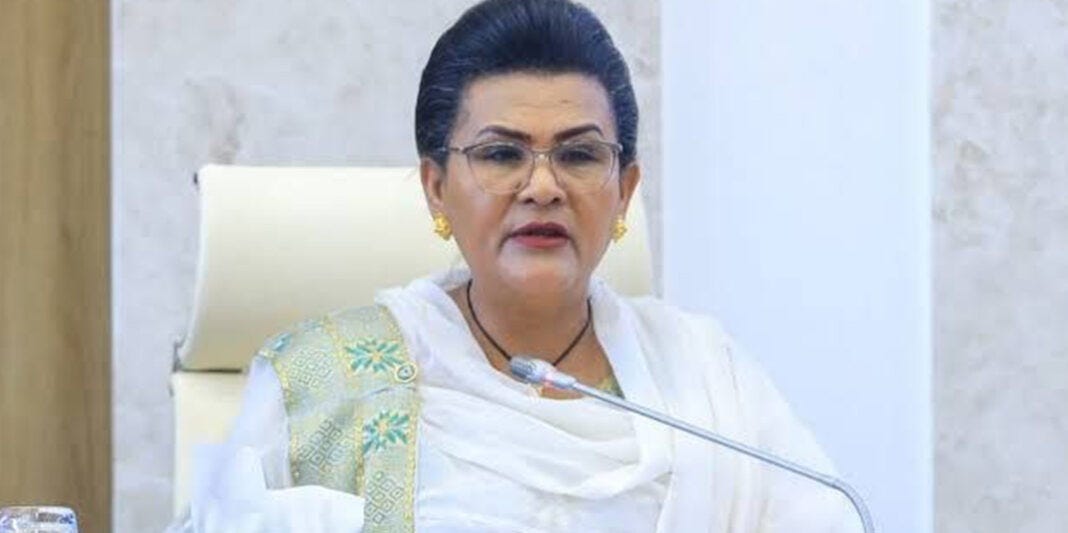
The Office of the Federal Auditor has identified ETB 8.46 billion in tax arrears considered uncollectible, citing weaknesses in Ethiopia’s tax administration system.
The finding comes from a performance audit of the Ministry of Revenue covering the period from 2022 to the first quarter of the 2025/26 fiscal year. The audit reviewed tax administration practices, digital systems, taxpayer records, and revenue collection processes across five branch offices.
The Auditor attributed the accumulation of arrears to challenges including poor management of seized assets, incomplete integration of tax liability records into the Standard Integrated Government Tax Administration System (SIGTAS), and limited coordination with banks to recover overdue payments.
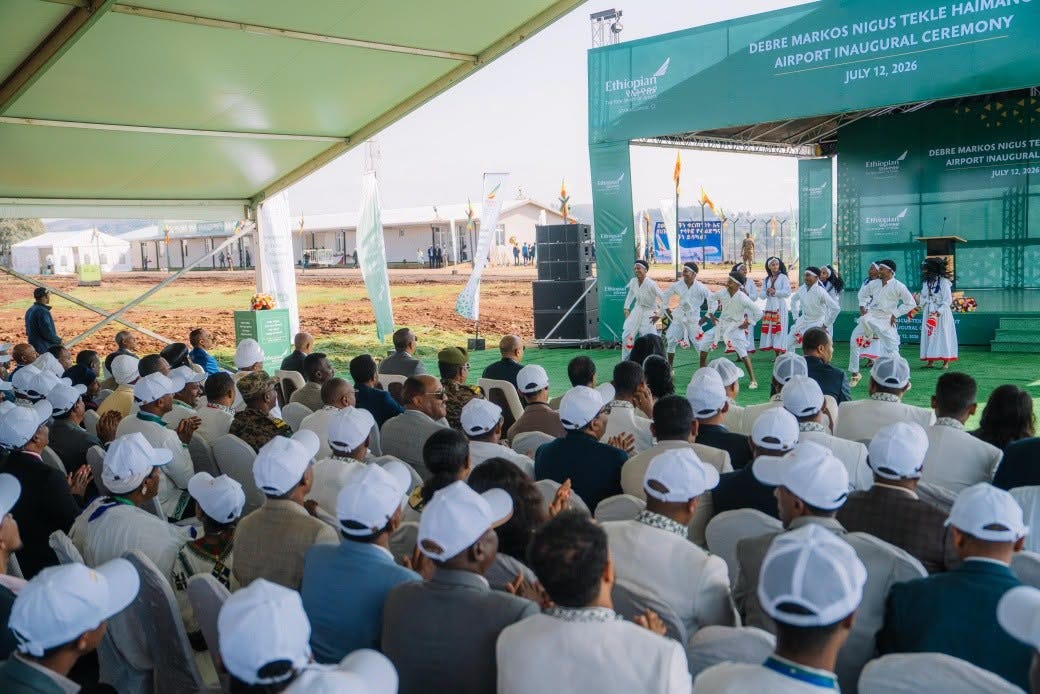
Ethiopia has reopened King Tekle Haymanot Airport in Debre Markos after nearly three decades of closure, as part of efforts to expand domestic aviation and improve regional connectivity.
The upgraded airport features a 2,400-meter runway designed to accommodate aircraft including the De Havilland Canada Q400 and Boeing 737, enabling regular passenger services to the East Gojjam Zone.
The reopening is expected to support trade, tourism, investment, and mobility in the region by connecting businesses and communities with Ethiopia’s wider air transport network. The airport is part of Ethiopian Airlines’ broader domestic expansion plan aimed at increasing access to regional destinations.

Boeing and Bahir Dar University have partnered to establish an Aviation Innovation Center aimed at strengthening aerospace education, research, and innovation in Ethiopia.
The center, to be based at the Bahir Dar Institute of Technology, will provide students and researchers with access to tools including flight simulators, 3D printers, engineering design software, drone assembly kits, and avionics testing equipment to support prototyping and applied research.
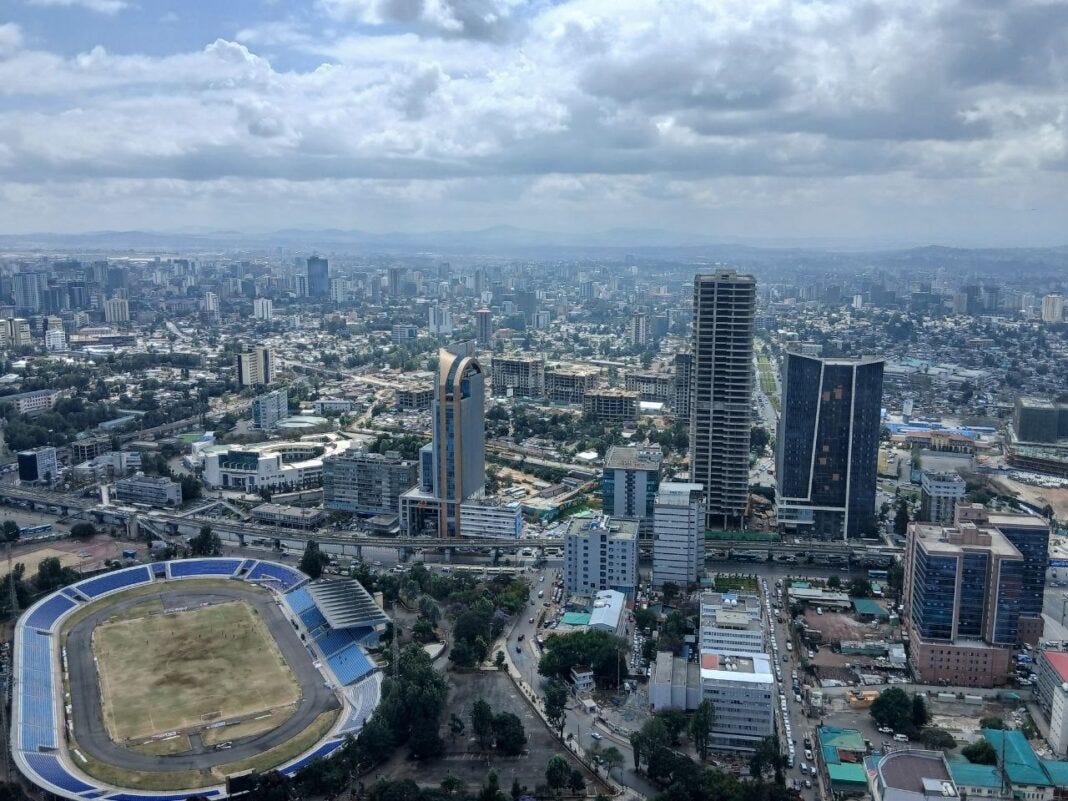
The Addis Ababa City Administration has introduced a 5% municipal tax on hotel and accommodation services, applying to hotels, resorts, lodges, guest houses, and other lodging facilities operating in the capital.
The levy will be charged on standard room rates before VAT, with accommodation providers required to register their room capacity and pricing details with the city’s Revenue Bureau. Category A taxpayers will remit the collected tax monthly, while Category B taxpayers will submit payments quarterly.
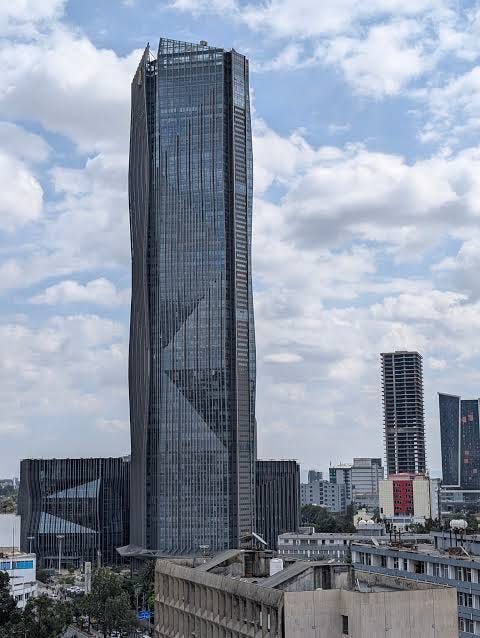
Earlier this month, the Commercial Bank of Ethiopia (CBE) closed its financial year, in line with the June 30 reporting cycle followed by most domestic institutions. In remarks delivered last week, the Bank’s president, Abie Sano, outlined what he characterized as years of labor of finally paying off.
The state-owned lender, which continues to dominate Ethiopia’s banking sector, reported processing 3.48 billion digital transactions valued at 22.24 trillion Birr over the past fiscal year. Notably, the share of transactions conducted through its digital channels has risen to 90%, up from 80% just two years ago, an increase that highlights the accelerating shift toward digital financial services within the bank’s vast customer base.

Ethiopia’s digital lending market has reached a new milestone as Michu, an uncollateralized lending platform operated by Cooperative Bank of Oromia, surpassed ETB 60 billion in cumulative loan disbursements.
The platform has provided loans through more than 3.2 million loan accounts since its launch, using digital credit assessment technology to expand access to finance for micro, small, and medium enterprises (MSMEs).
No posts
Comments
Nothing yet. Say the first thing.
Sign in to join the conversation.