
Summer can bring warmer temps, family vacations, beaches, pools and for me it also brings luscious, juicy, delicious and leisurely…library time. I always weave a little history into my novels and I’ve got some eras on the brain. Here are a few topics I’m excited to dig into and if you’ve got some research tips, drop them in the comments!
She’s a staple of Black History Quiz Bowls across the nation and she has children’s books and biographies and even an HBO biopic featuring Octavia Spencer, which I enjoyed. Much is made about her sales and marketing acumen and even her partnership and feud with rival Annie Turnbo Malone, but there isn’t much in the popular imagination about the salons and spas that she ran for everyday women and the elite. I’d love to know more about those startups and how they worked. What also interests me is her estate.
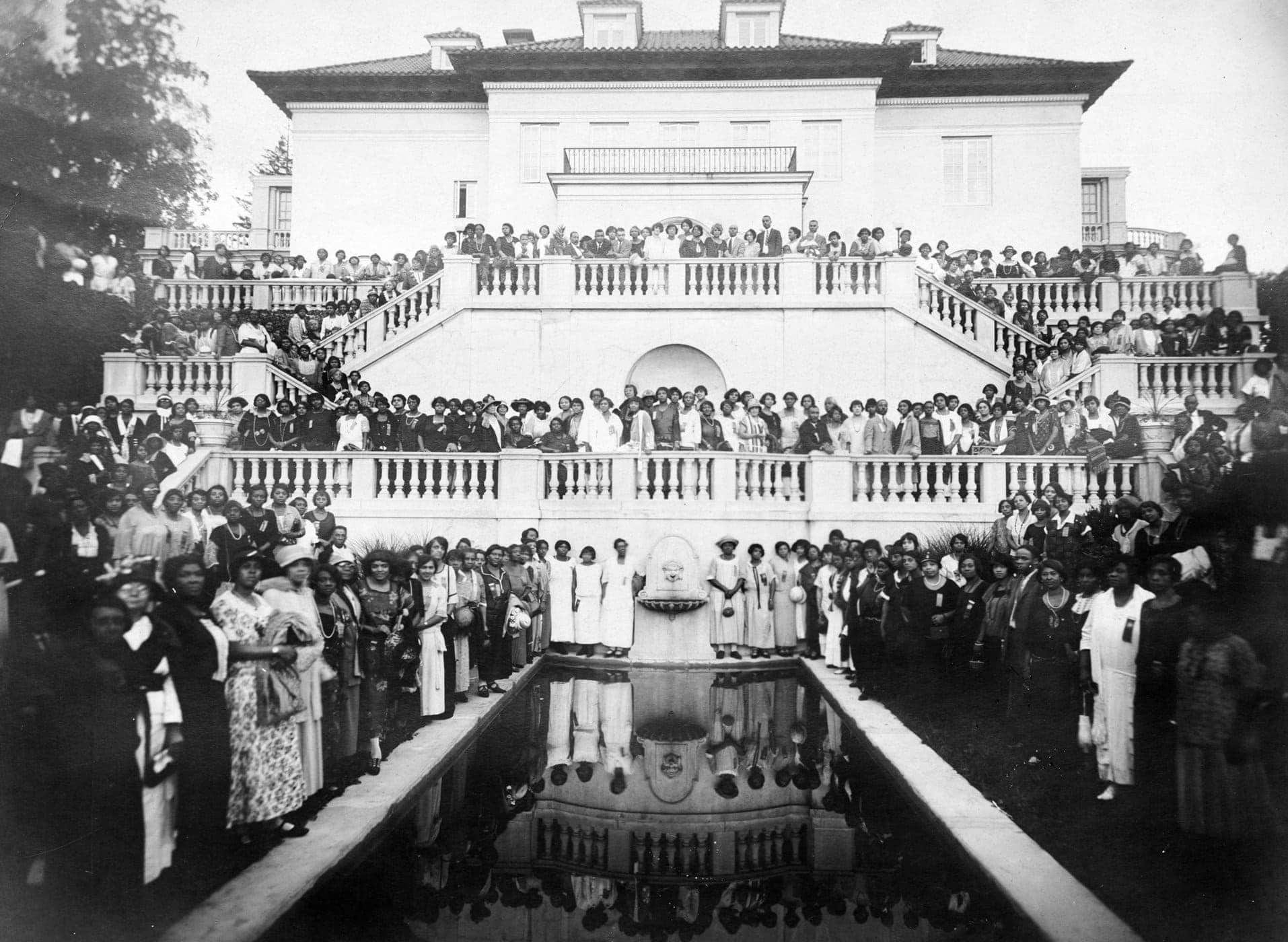
Villa Lewaro, as she called it, was a 34 room mansion in Irvington, New York. It was designated a national historic landmark in 1976. Of course, she was the only Black person in the neighborhood. Who visited, how was it furnished, how did she lose it, how did her neighbors treat her? I want to know it all. It’s all soil for stories.
Not everything is on the internet, contrary to popular opinion so I’m going to have to look into some newspapers, diaries, etcetera.
Application for Historical Preservation of the Madame CJ Walker building in Indiana
Textbooks of the Madam CJ Walker Schools of Beauty Culture
Appalachian Murder Ballads
It’s a mistake to say that White people have no culture. It’s a double edged sword that robs people who are called White in America and my call themselves White in America (it’s a social construct in any case) where may find themselves seeking community in less positive ways (looking at you J6’ers and those people in diapers at the Trump rallies) than sharing traditional recipes or singing funeral songs. But country people keep tradition. Ghost stories, pickling recipes, headache cures and superstitions are all part of culture and the Appalachian mountains has it in spades. I’d always wanted to clog as a child. The clogging class was right next to the tap class in dance school. It’s the Southern off-shoot of tap, likely a result of mashing up African styles with Irish folk dances in America’s early days. A hundred or so years later Sammy Davis Jr. is soft shoeing on National Television and a handful of kids in rural Tennessee are clogging at the annual state fair. One aspect of Appalachian culture is murder ballads, which are exactly what they sound like, songs about a gruesome death. Why am I so interested? I dunno, but I’m sure something cool will come out of the research.
I spent quite a few months digging into the antebellum practice of Plaçage, which was a spurious version of marriage wealthy white men engaged in with Black women in New Orleans. It was an elevated mistress system complete with debutante balls and social benefits. Anne Rice wrote The Feast of All Saints about the system in 1979. There was also a very, very good miniseries based on the book. What I didn’t know is that Senegal had a similar system. Senegalese women would enter into ‘temporary’ marriages with European merchants and officials during the slave trade.
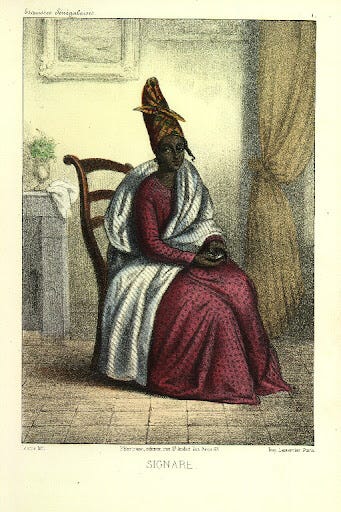
These women would, of course, gain financial benefits like property ownership and access to those in power. They wielded this power to influence politics and the social structure of the region. They were the foundation on which a new landed gentry was built. Remember, their husbands were temporary and would sail to their ‘homes’ elsewhere.
Race, Gender, and Power: Encountering the Signares of Senegal
Senegal: The Signares, or the battered memory of successful mixed-race women (translated from the French)
Susan Garrison was a founding member of the Concord Female Anti-Slavery Society, along with the Henry David Thoreau’s mother and sister. These were the women who helped orchestrate stops on the underground railroad while Thoreau wrote Civil Disobedience. She was the only Black member. What was it like to live in Concord at that time? What was the immediate aftermath of emancipation? It was not always sweet. Free did not mean equal. The information I’ve been able to find is SCANT!
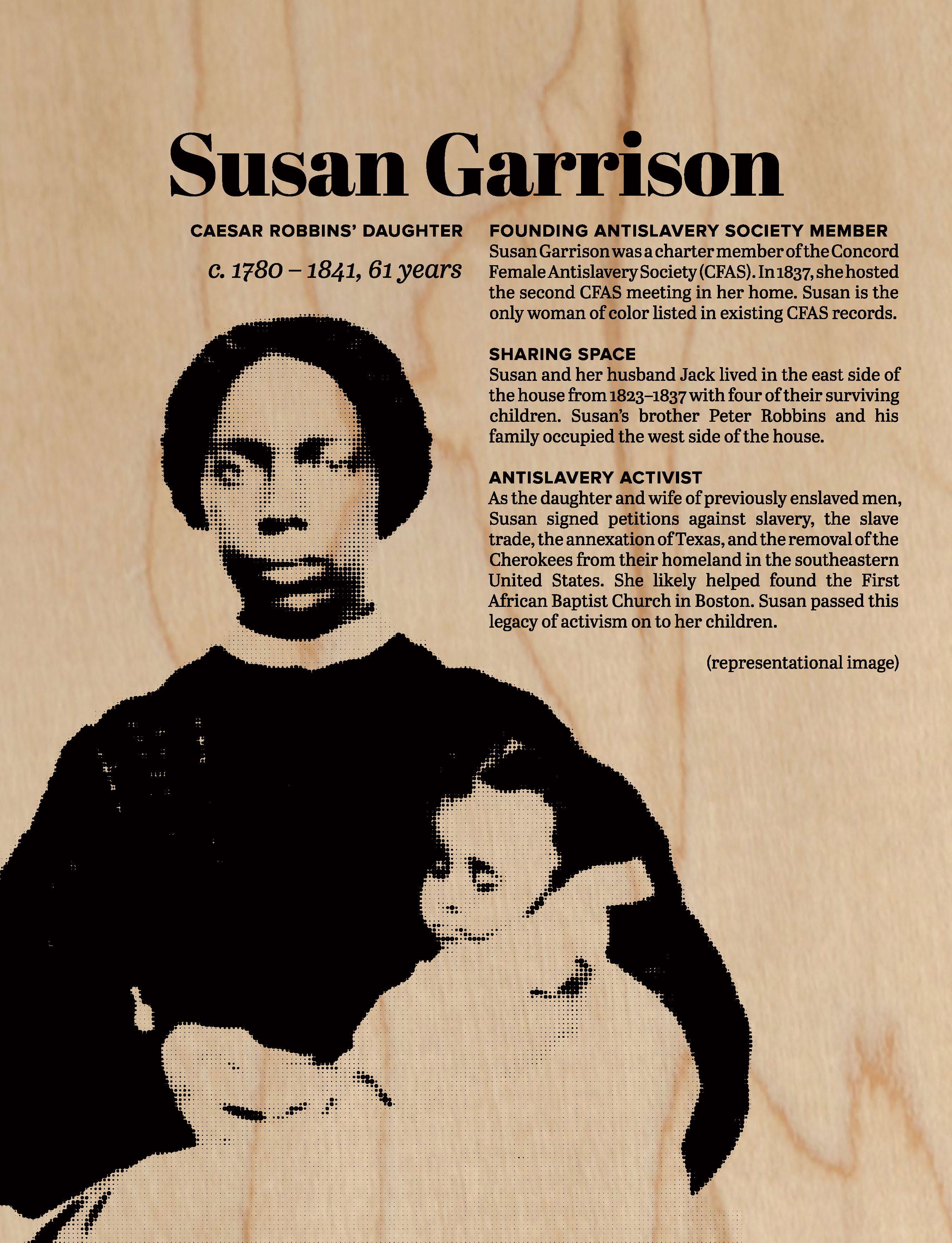
The Robbins House - the house Susan lived in, previously owned by other Free People of Color
Comments
Nothing yet. Say the first thing.
Sign in to join the conversation.