
Justin Fairfax, former Lietenant Governor of Virginia, killed his wife and himself this past week, leaving his children orphans. He did this while his children were home. Dr. Cerina Fairfax was 49. She’d filed for divorce and was preparing for a season of peace away from a man who’d been struggling for over a decade after an electoral loss, a political scandal and alcoholism. It wasn’t safe. It wasn’t happy and she was turning the page. He killed her for it.
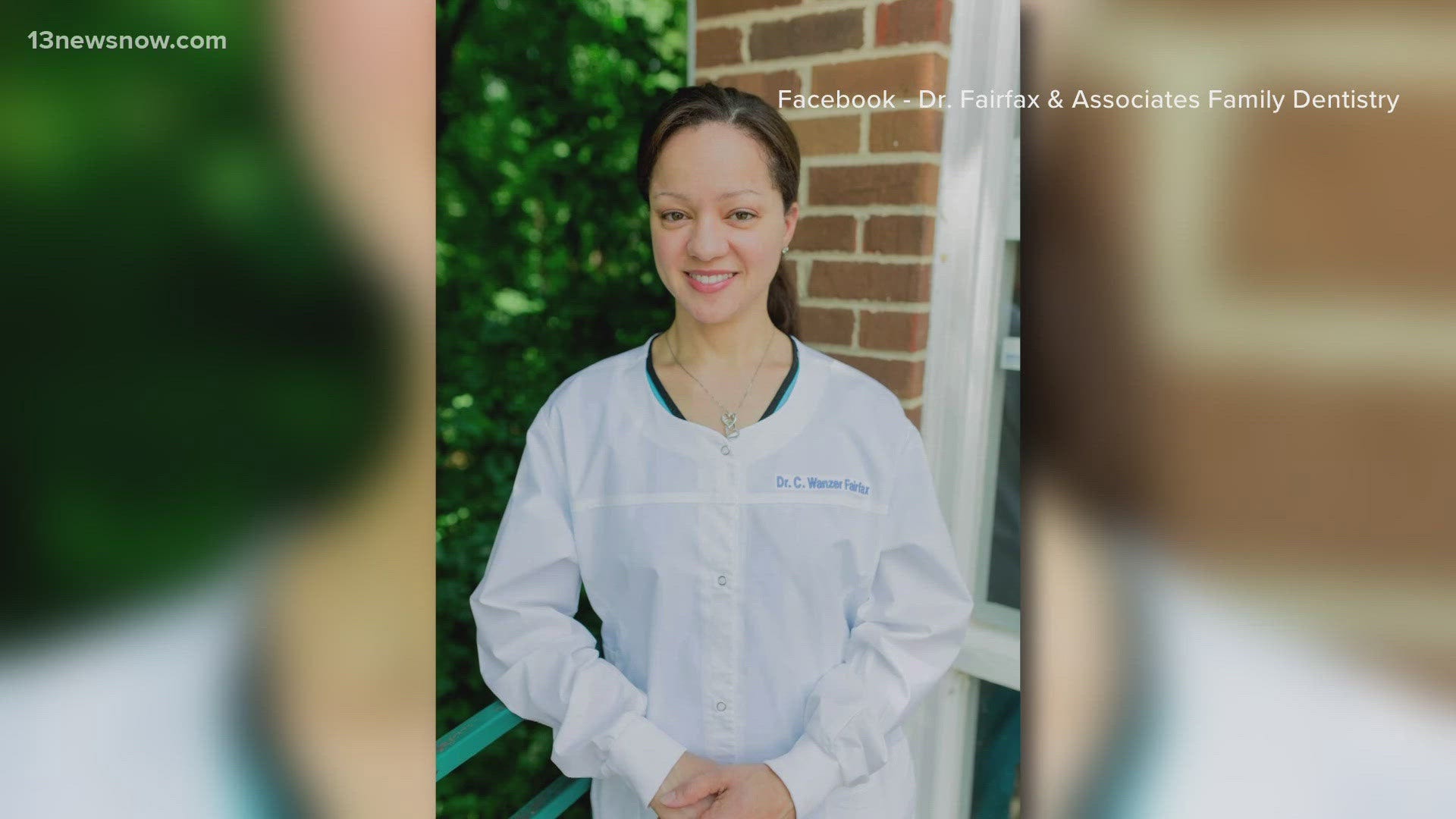
Dr. Fairfax is not the only woman to be killed by her husband this year, but there is a very strange pattern of accomplished Black women being murdered by their husbands. There is a long post on femicide on threads of people chiming in on friends and family that they personally know who were murdered by the men in their lives. Unfortunately, I had to join that same thread. Weeks before I got married one of my very best friends from high school was murdered in a triple homicide in her sleep. Rochelle was funny and bright and had decided to sleep over at a friends because it was too late to drive home. That’s what we tell people, sleep it off. But she didn’t wake up. For reasons no one knows and the murderer refuses to tell us one of the roommates came home and shot everyone in the house.
Much has been said about the male loneliness epidemic, and there are a slew of Justin’s frat brothers who are writing eulogies about how great a man he was before he did this horrible thing, but who he used to be doesn’t really matter. Who he became when he was frustrated, angry, and sad is the crux of the matter because girls and women are just as angry, oppressed, lonely AND mentally ill, but they don’t kill because of it.
Over 40% of Black women will experience intimate partner violence. Over 20% of Black women will be raped in their lifetime. Over 300,000 Black women lost their jobs in 2025 and they are more likely to be heads of household than non-Black women. Forty-seven percent of Black women have never been married. Suicide rates among Black women and girls have doubled since 1999. And yet, they are not out here murdering their boyfriends, husbands, stepbrothers, fathers and sons to fix it.
So, what do we do? I don’t think lamenting and listing the accomplishments of Justin Fairfax is useful. What he did isn’t as shocking as many of his frat brothers would have you assume. Public service, fame, and money don’t inoculate a person against sadness or erratic behavior. Patriarchy would have you believe that though. Capitalism would have you believe that. Both shun introspection in favor or achievement and acquisition. No need for internal work when there’s work to do, elections to win and money to make. If your self esteem is inextricably tied to your image and income, what happens when those things are stripped away? To often, for men and boys, the answer is to kill. It’s to make someone else hurt they way you hurt and far too often, they inflict that hurt on the closest woman in sight. Again, when the shoe is on the other foot, women do not do this.
This is man problem. This is a boy problem.
It is not an amorphous general mental health problem. Girls are not shooting up schools and concerts, and night clubs. Women aren’t losing their jobs or drowning in gambling debt and murdering their entire families (there are notable exceptions). So what do we do?
We elevate the names of the women harmed. Celebrate them.
We also talk more about the need for accessible menta health services ALONG with culturally competent supports. He had frat brothers. He had family. Where was the breakdown?
We think about how do we get more Black men in psychology and psychiatry?
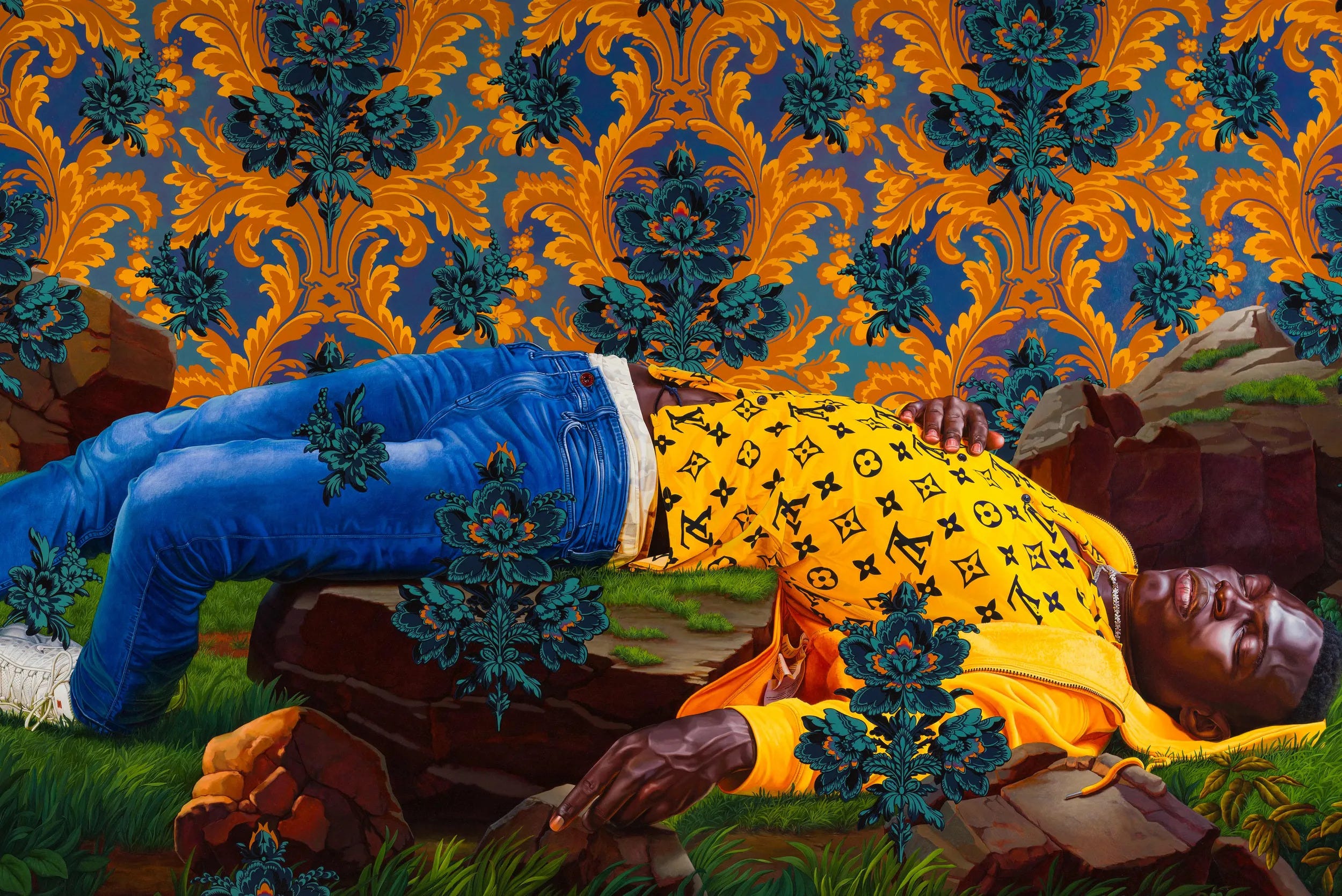
We fund arts programs that give all kids ways to express their emotions in healthy ways and we elevate those adult artists to icon status
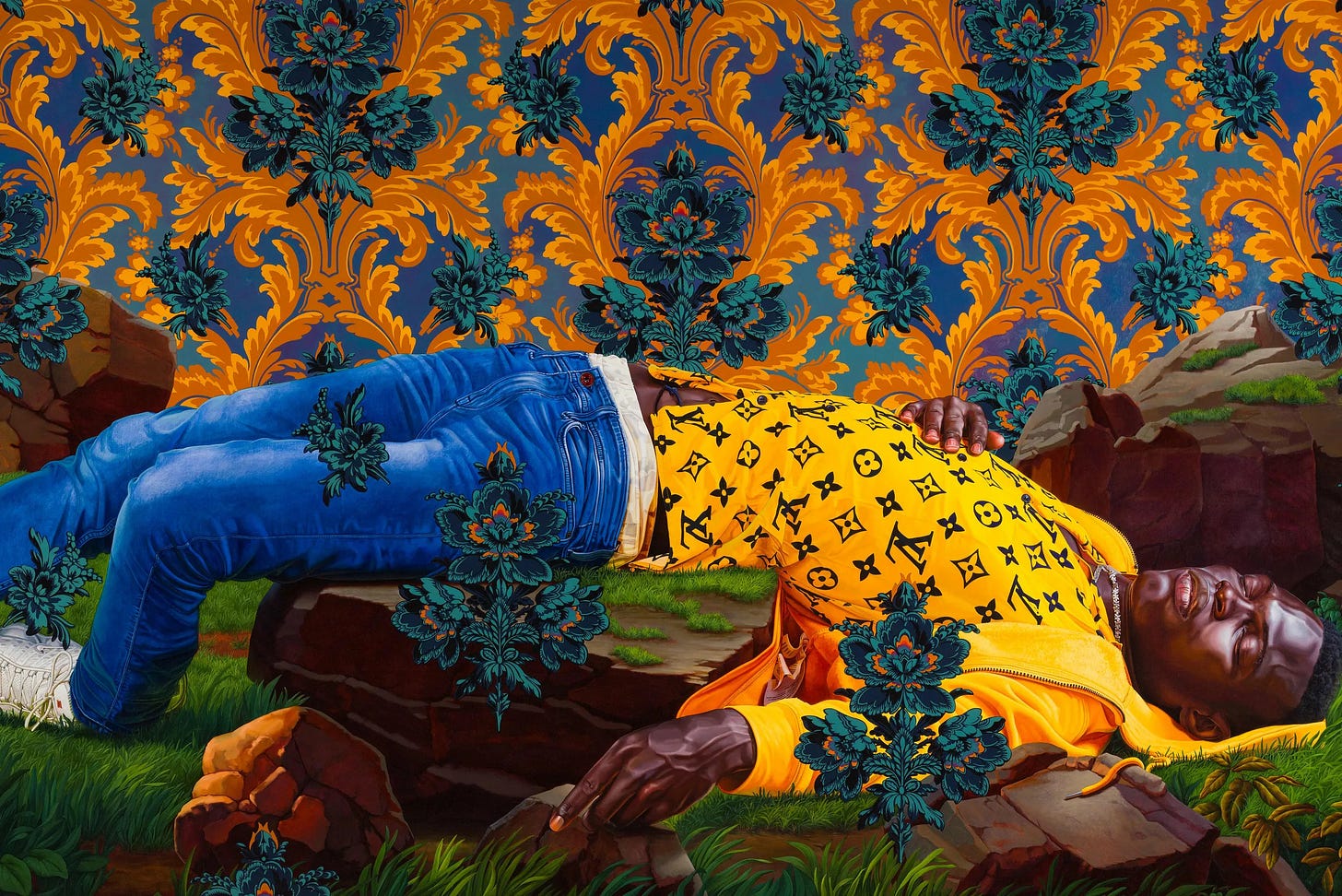
Femme Piquée par un Serpent (Mamadou Gueye), Kehine Wiley. (Photo credit: Ugo Carmeni via Galerie Templon, Paris)
We develop community centered culturally specific therapeutic methods and codify them. Forget Freud. Forget Jung. What would the Harlem specific, Geechee specific, Carribean specific psychoanalysis technique look like?
We advocate for domestic violence supports in communities, churches, schools and in our non-profit organizations
We look at the law and see where changes can be made, like this one:
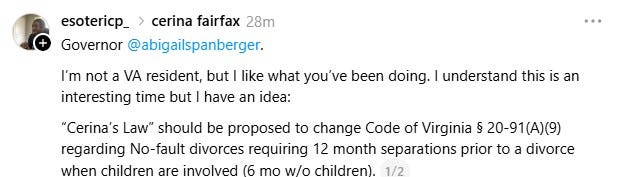
And We DO NOT talk ad nauseum to women about what they should or should not have done and when.
As with all of our problems, we can always learn more, read more, think more and I’ve found a few books over the years that delve into what it is like to live with anxiety and fear and loneliness in a Black Male body and examine it instead of letting it metastasize. Here are a few:
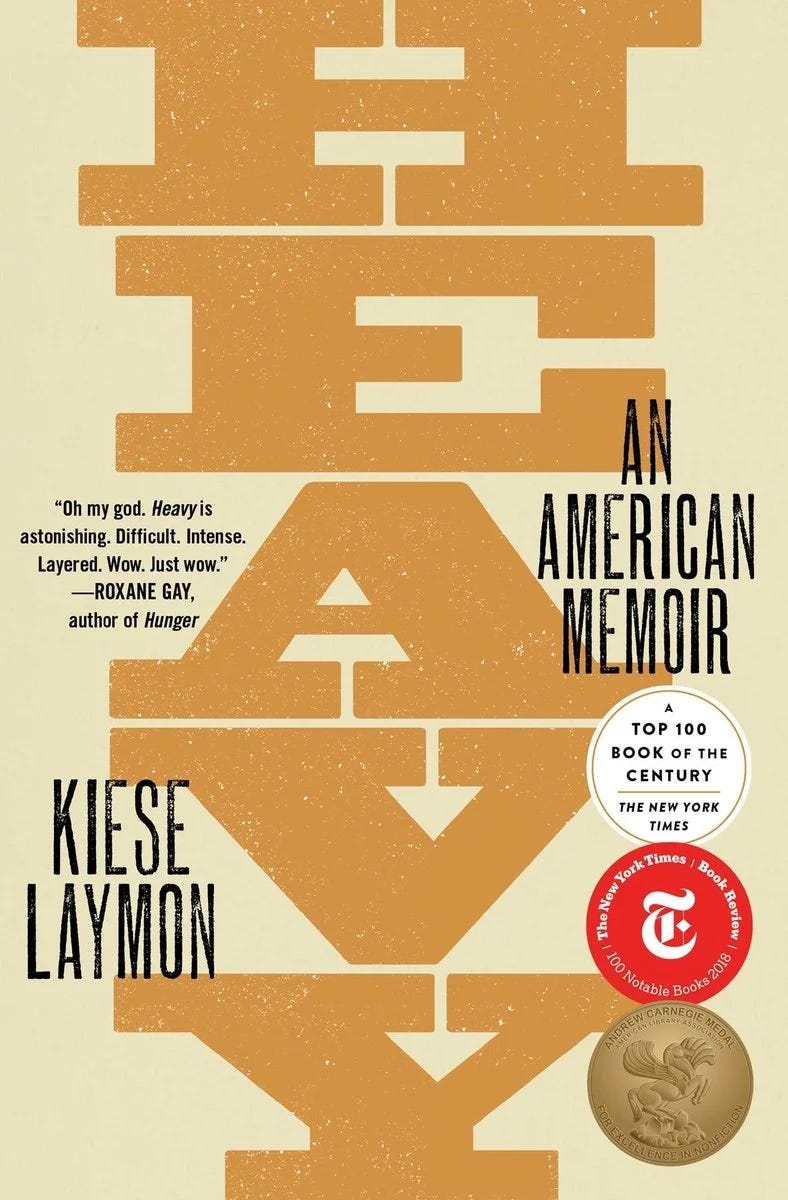
In Heavy, Laymon writes eloquently and honestly about growing up a hard-headed black son to a complicated and brilliant black mother in Jackson, Mississippi. From his early experiences of sexual violence, to his suspension from college, to time in New York as a college professor, Laymon charts his complex relationship with his mother, grandmother, anorexia, obesity, sex, writing, and ultimately gambling. Heavy is a “gorgeous, gutting…generous” (The New York Times) memoir that combines personal stories with piercing intellect to reflect both on the strife of American society and on Laymon’s experiences with abuse. By attempting to name secrets and lies he and his mother spent a lifetime avoiding, he asks us to confront the terrifying possibility that few in this nation actually know how to responsibly love, and even fewer want to live under the weight of actually becoming free.
They Can’t Kill Us Until They Kill Us
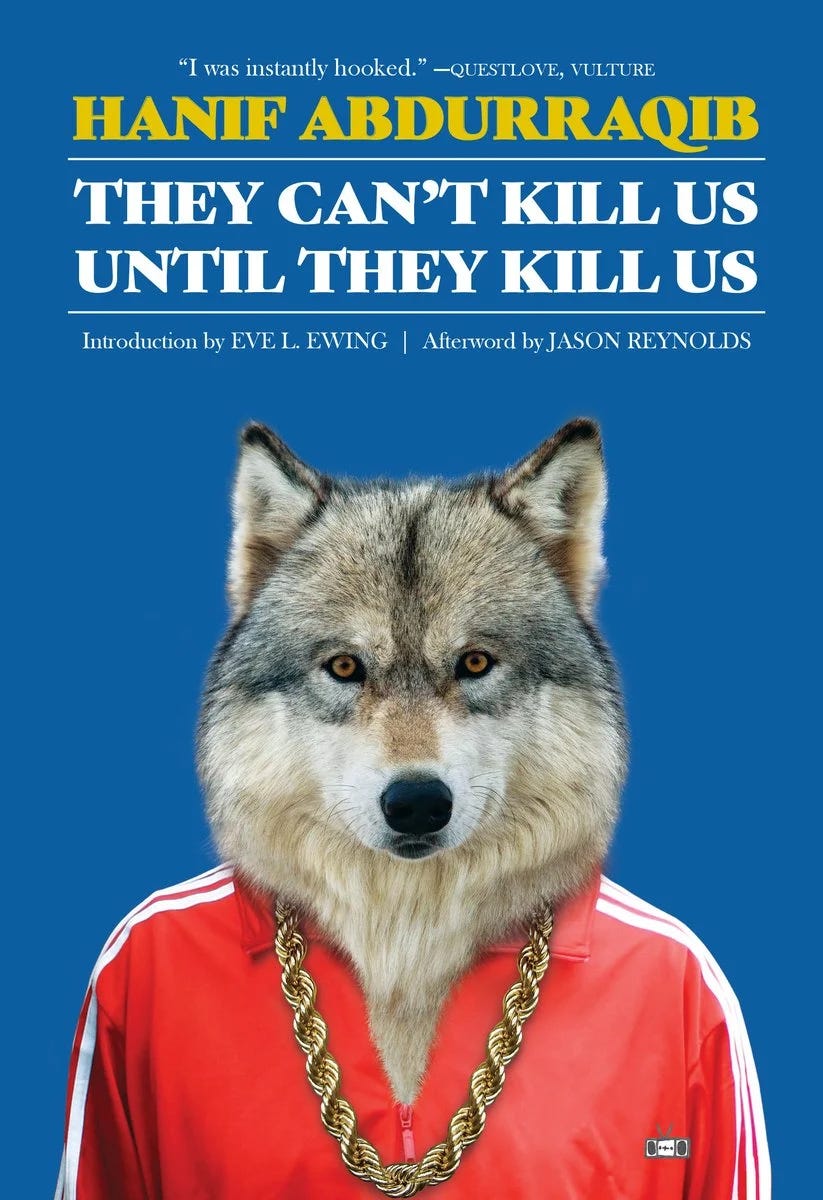
When first published in 2017, They Can’t Kill Us Until They Kill Us became an instant cultural sensation, appearing in music videos, B-sides to singles by The National’s Matt Berninger and Julien Baker, as an essay prompt on standardized tests, and led critics at NPR to herald Hanif Abdurraqib as “one of the most essential voices of his generation.” This expanded paperback edition includes three additional essays by the author and an original afterword by Jason Reynolds.
Whether he’s attending a Bruce Springsteen concert the day after visiting Michael Brown’s grave, or considering public displays of affection at a Carly Rae Jepsen show, Abdurraqib writes with a poignancy and magnetism that resonates profoundly. In the wake of the 2015 Paris nightclub attacks, Abdurraqib recalls how he sought refuge as a teenager in music, at punk shows, and wonders whether the next generation of young Muslims will be afforded that same opportunity. While discussing the everyday threat to the lives of Black Americans, Abdurraqib recounts the first time he was ordered to the ground by police officers.
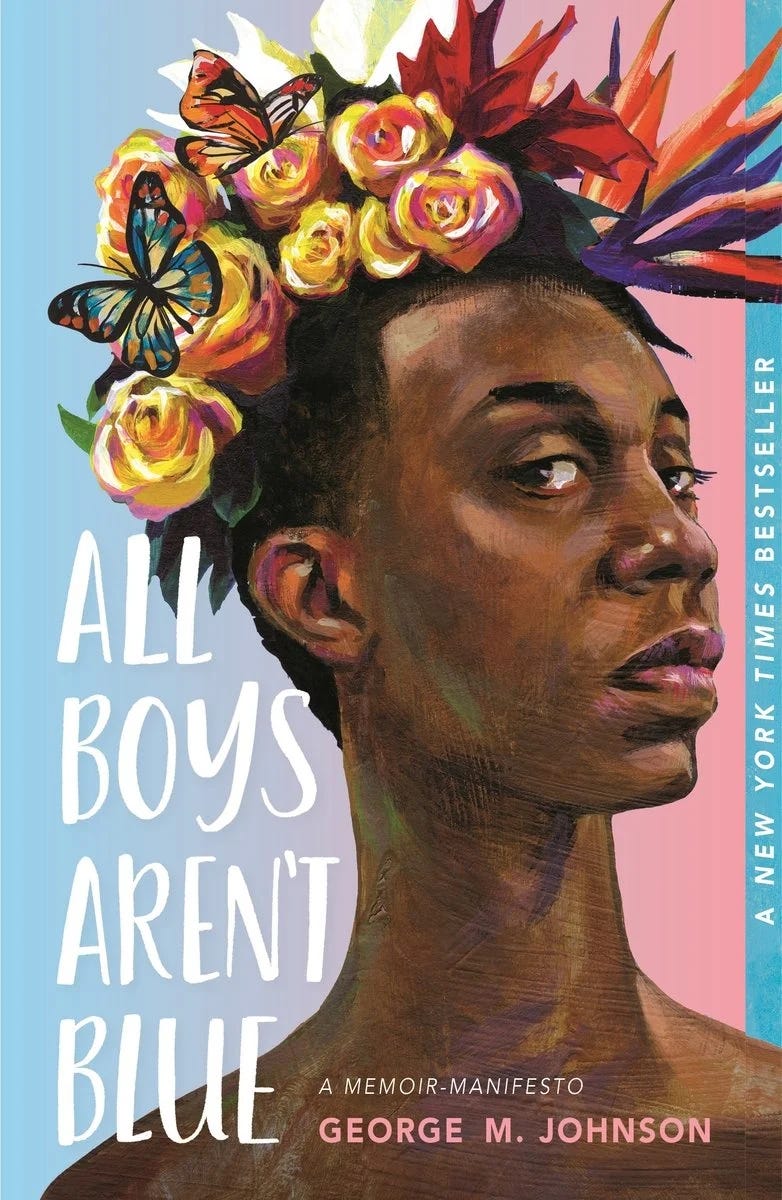
In a series of personal essays, award-winning author and LGBTQIA+ activist George M. Johnson's All Boys Aren't Blue explores their childhood, adolescence, and college years in New Jersey and Virginia. Both a primer for teens eager to be allies as well as a reassuring testimony for young queer men of color, All Boys Aren't Blue covers topics such as gender identity, toxic masculinity, brotherhood, family, structural marginalization, consent, and Black joy. Johnson's emotionally frank style of writing will appeal directly to young adults. (Johnson used he/him pronouns at the time of publication.)
From the memories of getting his teeth kicked out by bullies at age five, to flea marketing with his loving grandmother, to his first sexual relationships, this young-adult memoir weaves together the trials and triumphs faced by Black queer boys.
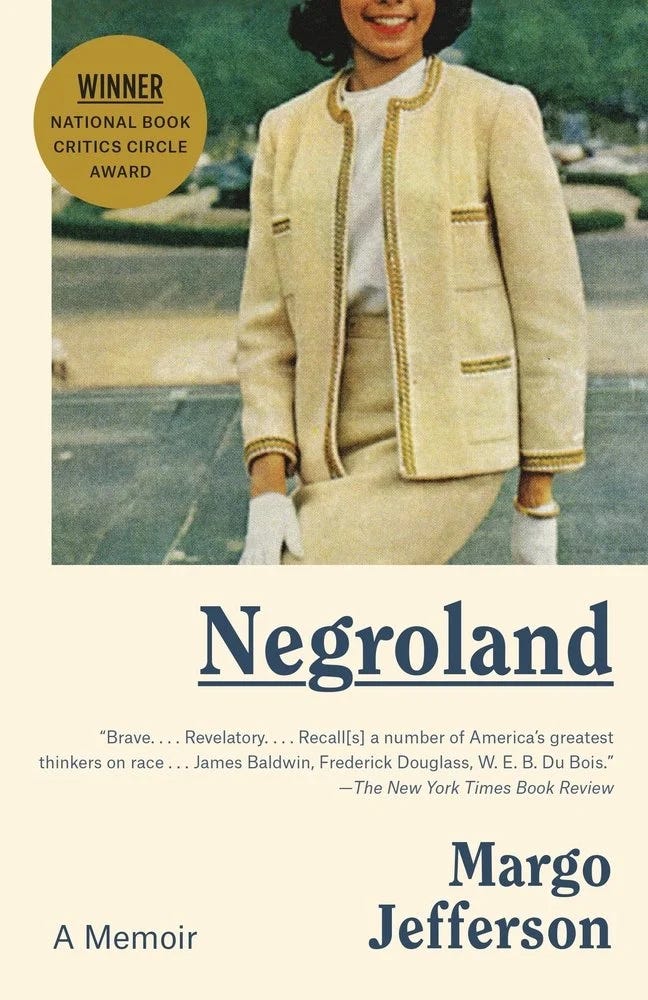
This one isn’t written by a Black man, but she delves into the experience of very high achieving Black boys and men in a certain tax bracked and their pressures to be shining examples to Black folks while existing in hostile, but monied and powerful White spaces.
Jefferson takes us into an insular and discerning society: “I call it Negroland,” she writes, “because I still find ‘Negro’ a word of wonders, glorious and terrible.”
Margo Jefferson was born in 1947 into upper-crust black Chicago. Her father was head of pediatrics at Provident Hospital, while her mother was a socialite. Negroland’s pedigree dates back generations, having originated with antebellum free blacks who made their fortunes among the plantations of the South.
It evolved into a world of exclusive sororities, fraternities, networks, and clubs—a world in which skin color and hair texture were relentlessly evaluated alongside scholarly and professional achievements, where the Talented Tenth positioned themselves as a third race between whites and “the masses of Negros,” and where the motto was “Achievement. Invulnerability. Comportment.”
Jefferson brilliantly charts the twists and turns of a life informed by psychological and moral contradictions, while reckoning with the strictures and demands of Negroland at crucial historical moments—the civil rights movement, the dawn of feminism, the falsehood of post-racial America.
Numbers to Remember:
National DV Hotline (1-800-799-7233)
National Suicide & Crisis Lifeline (call/text 988)
Comments
Nothing yet. Say the first thing.
Sign in to join the conversation.