
Note to readers: “Lives That Shaped Me” will include more personal - and perhaps longer - essays than I have published so far. I will of course still write about Europe, geopolitics, inclusion and global affairs. But I also want to tell some of the stories about the people I have loved – and who have loved me - and the places that have made me who I am. This is the first of those essays.
(Brussels - Karachi) – Last week, my mother died. And just like that, my world turned upside down.
It was the early morning phone call that so many of us dread. My mother was in the emergency ward of a local hospital. She was struggling to breathe. I went into automatic mode: booking the first available flight to Karachi, an almost 11-hour journey. I threw clothes into a bag, grabbed my passport and headed for the airport with a heavy heart.
As I boarded the plane, I kept hoping and praying that she would recover or at least I would get to see her one last time.
My partner and I had spent two wonderful weeks with her in Karachi in January this year. My son was thinking of taking time off from work in August to visit his grandmother. My daughter and her family had planned another visit to see “Nani” over Easter. But the illegal US and Israeli bombing of Iran forced the cancellation of their plans. This time, I found a Turkish Airlines flight and reached Karachi before she died.
It happened so fast.
Only 12 hours earlier, we had spoken on the phone. It was my birthday. She was her usual cheerful self, her signature laugh ringing out as she regaled me with stories from my childhood. She asked about my granddaughter - her great-granddaughter who she adored – and wanted to know what I was working on and where I planned to travel next.
We had agreed to spend part of July and August together in her house in Karachi. It would be just the two of us. As we had done last year, after my younger sister died and left our family broken-hearted, we would sit together and talk, meet old friends and enjoy Karachi’s extraordinary cafes and restaurants. We’d buy chocolate cake and eat croissants for breakfast - a taste she had acquired while living in Belgium during my father’s diplomatic posting here
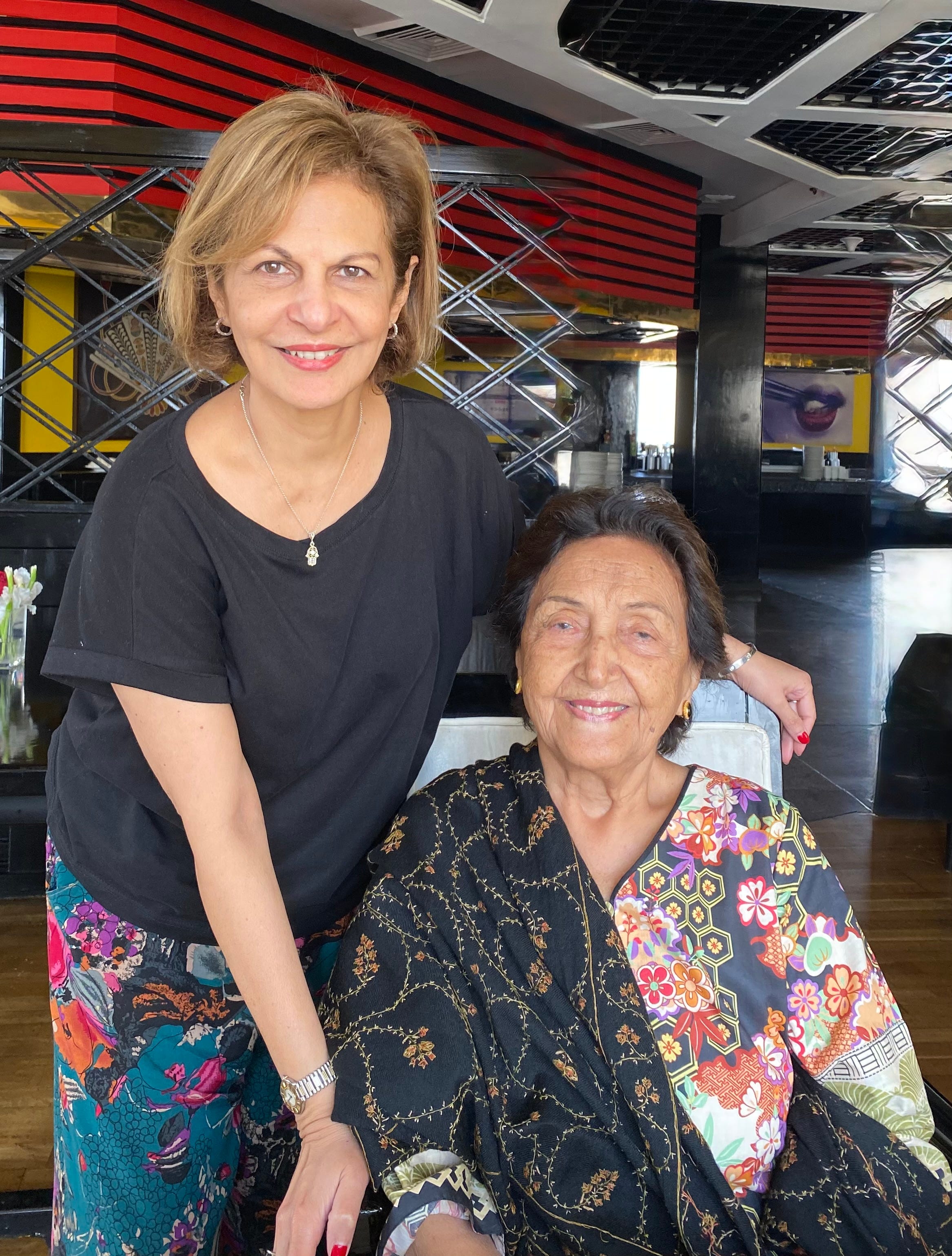
But those plans never materialised. And that evening in the hospital ward, she told me that after speaking to me on my birthday and talking to many of her beloved nieces, a deep sadness had descended on her as she went to bed. And she had cried and cried.
The last year had been difficult for her. She missed my younger sister terribly. A close neighbour and friend, with whom she had worked in a school for underprivileged children, had also just died in a tragic car accident while on holiday in Morocco. “I can’t get over the pain,” she told me quietly.
We hadn’t lived in the same town for years but our connections were strong. Every summer, my parents - who had spent five years in Brussels when my father was a diplomat accredited to what was then called the European Economic Community, Belgium and Luxembourg - came to visit us. Sometimes, we went to Spain, but often we visited parts of Belgium, tasting the grapes and strawberries, visiting the sites, eating pancakes and waffles.
And almost every winter, after my father ended his tenure as a diplomat in Tokyo and moved to Karachi, we spent weeks in their new home, my mother making sure there was Christmas turkey on the table and enough presents for everyone. My children ran around the garden, playing cricket, kicking footballs, riding their tricycles, all under my parents’ watchful eye.
After my father died, my mother continued to spend summer with us in Brussels. She grew to know and love my friends, a feeling that was reciprocal. The last few years, however, she said she was too frail to travel. So I started going to Pakistan even more frequently.
Only weeks before she passed, I had started exploring the idea of moving to Karachi temporarily, renting a place to be close to her or even asking her to come stay with me. But when I suggested it to her, she said no. “You have your work and your life. Just visit me this summer as you have planned. I shouldn’t have listened to her.
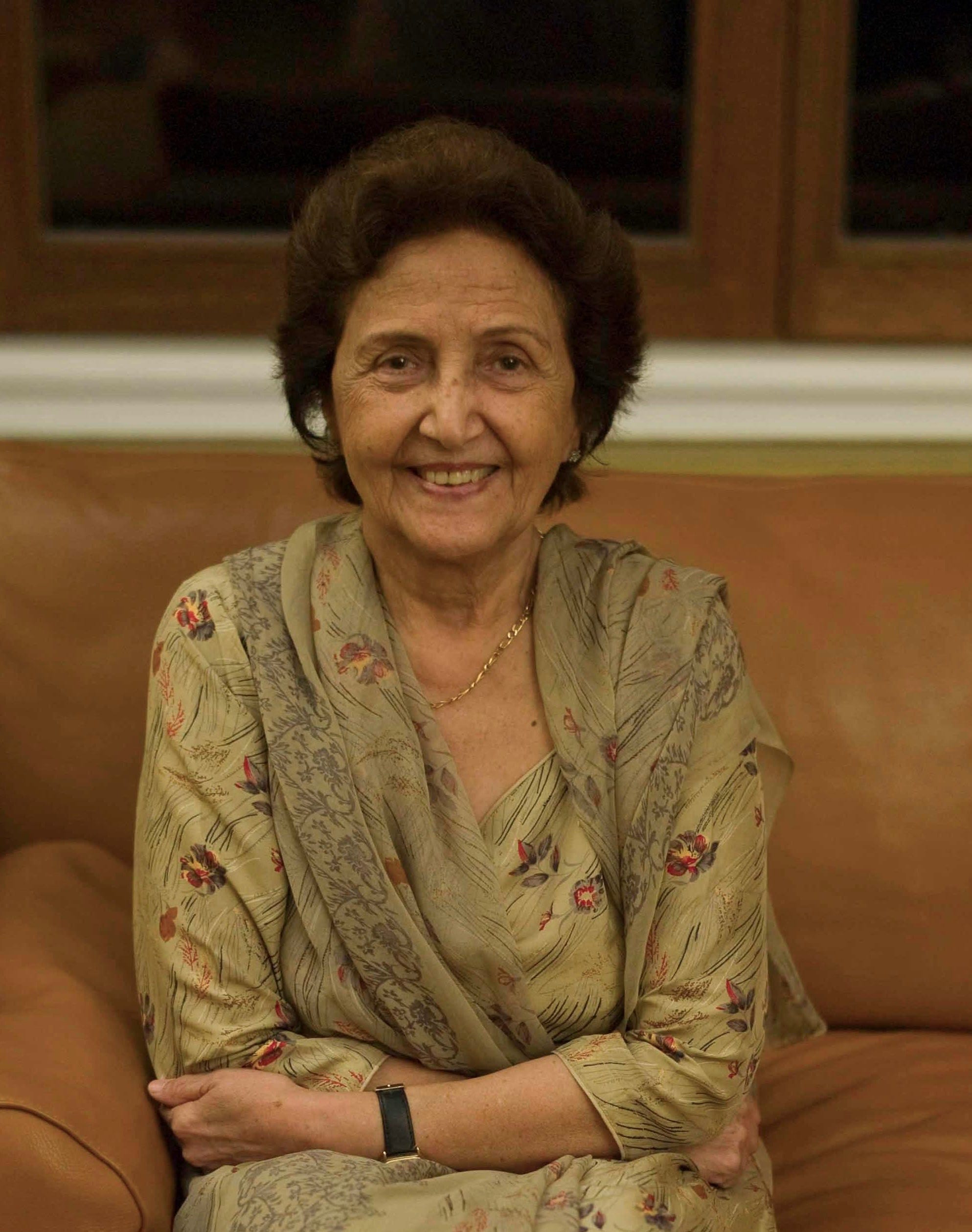
As I got off the plane and rushed to her hospital room, her face lit up. She held up her arms to embrace me. She chuckled as we looked at photographs of my granddaughter, including a short clip of her saying “Nani Ma”.
I held her hand, kissed her and told her I loved her. Her breathing was laboured, but she was as lucid as ever. She wanted her watch back so she could keep track of the time. She struck up a friendship with the young intern caring for her in the intensive care unit. She asked for water and sipped it slowly.
When I left that evening, I believed she would soon be home where she could be more comfortable and if she were to die, it would be peacefully in her own bed, with me by her side. Instead, she passed away in the emergency ward in the early hours of June 14.
In the days that followed, my son and daughter flew in to say a final goodbye to their beloved Nani. Friends and family began arriving to offer condolences. Messages poured in from around the world, each one a gift, bringing comfort not only to me but also to my son and daughter.
Piece by piece, these personal notes revealed parts of my mother’s life I had never fully known. Former students remembered acts of kindness she herself had long forgotten. Friends recalled conversations stretching back decades. My aunt spoke about their life in Lahore in their family house. Through their memories, we discovered her all over again.
A kind and much-loved neighbour led the short prayer at the graveyard and also at the small gathering of remembrance which was attended by family, friends and neighbours. I paid tribute to my mother: Abeeda Qamar ul Islam. I spoke about her laughter, her compassion, her elegance, her glamour, her love of poetry, her devotion to her students and her deep spirituality.
Then, one sleepless night, while I tossed and turned and the daze refused to lift, I realised that despite my overwhelming sorrow, I was among the fortunate ones.
I was fortunate to have been raised by parents who encouraged my independence, put up patiently with my rebellious streak, listened to my endless arguments, never said you can’t do this or that. They welcomed with open arms the Spaniard I married at a time when intercultural marriages were far from common.
After my divorce, when I went to Karachi with my Dutch partner, my mother welcomed him with a twinkle in her eye, telling me approvingly: “He is a good man.” They talked about art and geopolitics. My Swedish son-in-law spent hours looking at photographs of my parents’ stay in Japan and Belgium and listening to stories of her childhood.
I was also privileged in another, deeper way. Because I had been given the opportunity to mourn.
The week my mother passed, cruel wars continued unabated in so many parts of the world. In Gaza, Lebanon, Iran and Sudan, parents continued to bury their children, and children continued to bury their parents. Sometimes there was no shroud, no grave, no funeral. Sometimes there was not even a body to bury.
I realised that the Islamic rituals and rites that were helping me deal with my loss had themselves become casualties of wars and genocide. In so many parts of the world, people had no time, no safety, no certainty and no grave to visit or cover with flowers.
They could not simply sit with their sorrow.
When those we love die, we need moments to grieve. To surround ourselves with those who know us best. To cry together, remember together and celebrate the life that has passed.
We often speak of the privilege of wealth, education, mobility or security. For the first time in my life, I recognised that there is also the privilege of mourning.
Grieving requires time, physical safety, community and, ultimately, hope. It requires the assurance that tomorrow will come and that there will be space for remembrance.
My mother’s generation understood this.
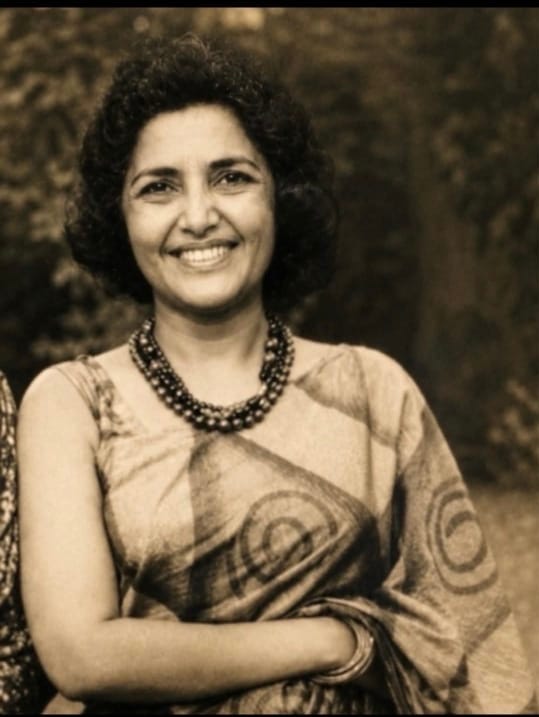
She lived through the painful Partition of India and Pakistan - Sam Dalrymple’s Shattered Lands lay on her bedside table - and she understood that history often deprives ordinary people not only of life, but also of the chance to honour the dead.
That is why she felt such solidarity with Palestinians, Kashmiris, Iranians, Yemenis and the people of Sudan. During our regular telephone conversations, she constantly asked me why Europe remained so reluctant to confront grave violations of international law and human rights.
She belonged to a generation of Pakistani women whose confidence was quiet but unshakeable. They were pioneers who worked to expand women’s rights, improve education, fight poverty and strengthen their communities without seeking recognition or applause.
She loved poetry as much as she loved people. On her bedside table lay a collection of poems by Akhtar Shirani, the Romantic poet whose exquisite Urrdu verses she could recite from memory.
Alongside it was the Quran. My mother came from a deeply rooted Sufi tradition and traced her lineage back to Fatima, the daughter of the Prophet Muhammad. Her spirituality provided her comfort when confronted with a cruel world. She spoke often of her father, Hakim Nayyar Wasti, a renowned physician, author and poet.
My mother was also proud of her husband, Qamar ul Islam. She loved telling stories of how she met my father - a dashing member of the Indian Civil Service who had opted for Pakistan at Partition.
The meeting at a shoe store in Lahore’s Anarkali market had been secretly set up by relatives who thought the two were perfect for each other. My mother remembers she bought red sandals under my father’s watchful – and appreciative gaze - and that the next day my paternal grandmother came to ask “Hakim Sahib” for my mother’s hand in marriage for her son.
The past few days have been an emotional roller coaster.
One moment I find myself remembering my mother’s infectious laugh. The next I am reading reports from Gaza, Lebanon, Sudan and Iran. The contrast is unbearable.
What I have learned is that grief is universal. But the ability to grieve is not.
My father taught me the importance of speaking truth to power. My mother, that compassion begins with truly seeing others. She went out of her way to help people. When she taught children English she also insisted on what she called “good manners”- respect, kindness and consideration for others.
She believed compassion knew no borders, no race, no religion and no age.
When I think of my mother now, I think of her progressive worldviews. I remember her mischievous sense of humour. Her banter with my friends, the many ways she showed her love for my children, teaching them to cook, giving them the recipes that I never learned or wanted to learn.
The messages and phone calls have not stopped. Together, they tell the story of a woman who changed lives through kindness, wisdom, generosity and love.
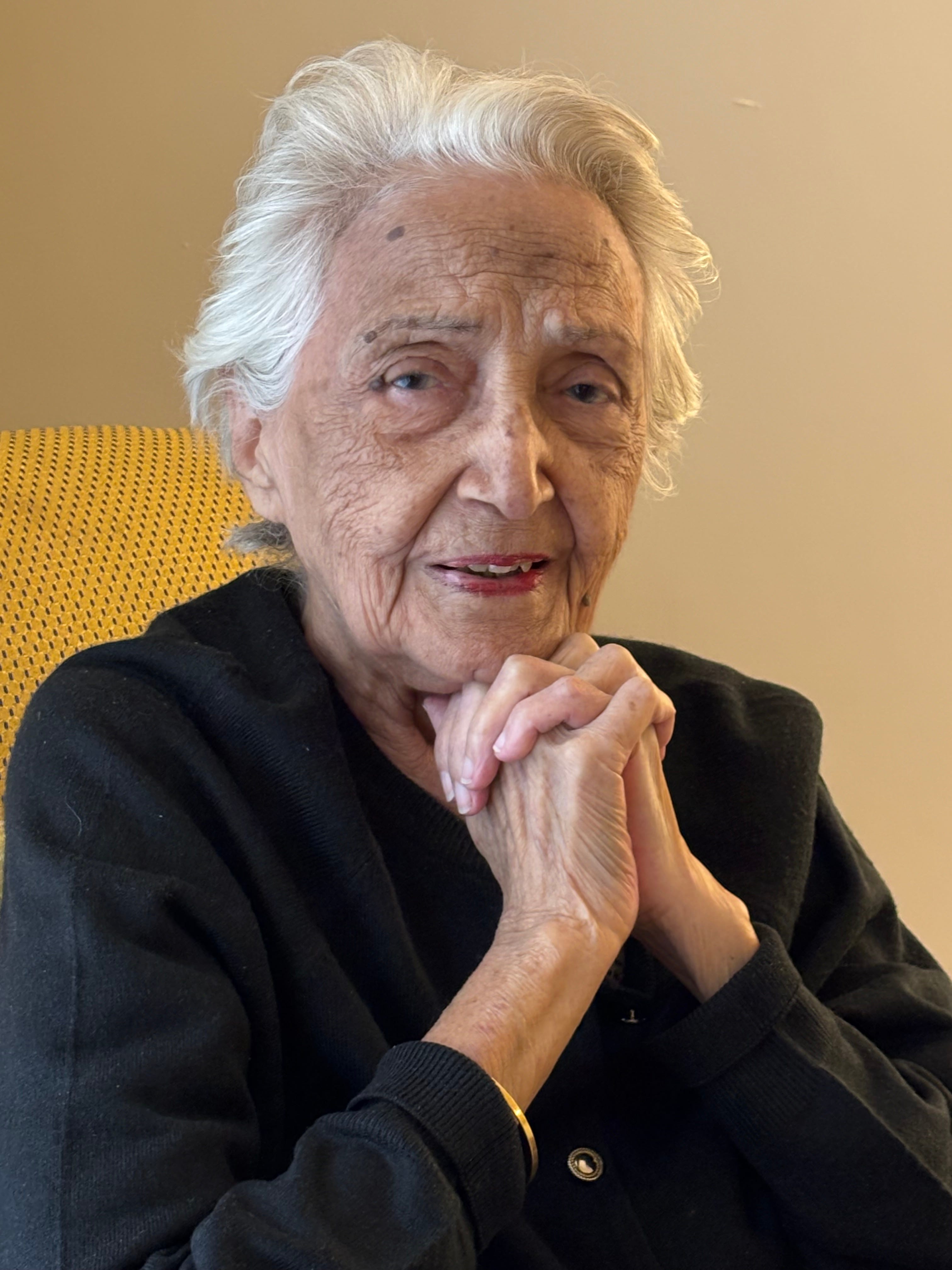
This is the inheritance left behind by Abeeda Qamar ul Islam - not simply for her children and grandchildren and wider family, but for everyone fortunate enough to have known her.
Sometimes, these days, my tears come without warning. I miss her so much.
But I know my mother lived a full and generous life. And I know how fortunate I am to have been loved by her and to have been given the chance to say goodbye.
In today’s dystopian world, it is a privilege to have the space to mourn when so many others cannot exercise what should be a basic and fundamental human right.
No posts
Comments
Nothing yet. Say the first thing.
Sign in to join the conversation.