
At least once a week, we get asked the same question about Baby Lock-- specifically, why on earth would a sewing machine company be called “Baby Lock” in the first place? How did Baby Lock get its name?
It’s actually a neat story, and it starts in 1950s with Juki, one of the most prominent manufacturers of industrial sewing machines.
A very common industrial machine is the overlock machine, which is commonplace in factories for finishing edges in garment-making. You can watch a fantastic video animation of how an overlock stitch is made in the video below:
Like all industrial machines, the overlock machine is large and heavy. It sits in a table with a motor mounted on the underside of the table. It is not really meant for home use.
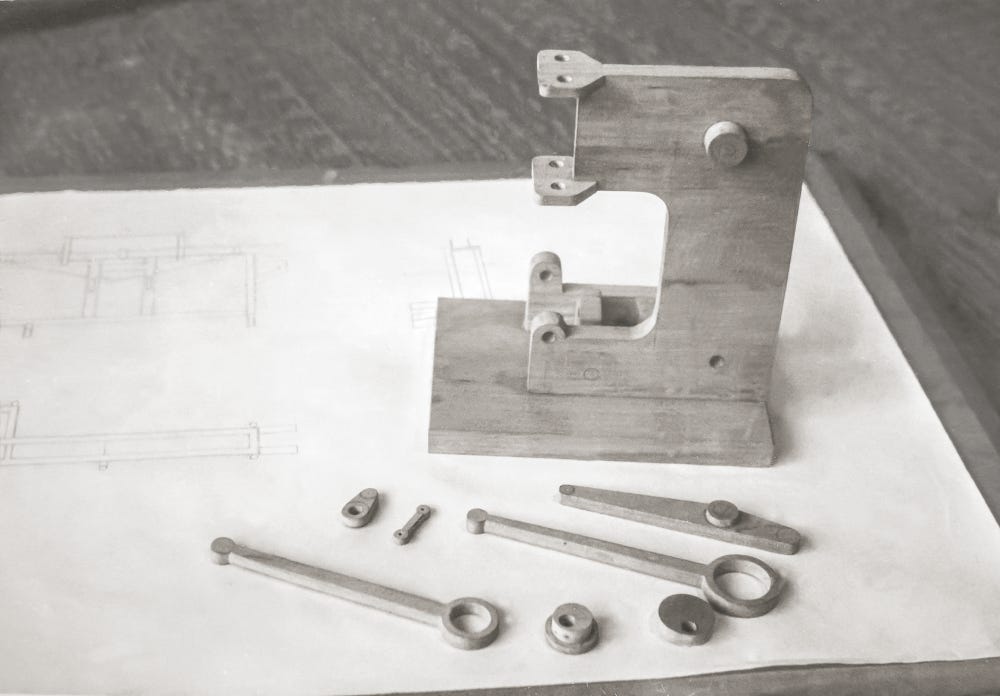
So, back in the 50’s, home sewing machines were becoming more and more popular, and a couple of engineers working at Juki thought it would be a great idea to invent a home overlock machine. They mocked up a design and presented their idea to their superiors, and the lore is that they were laughed out of the room.
‘Nobody is going to want to use an overlock machine at home!’ — that was the prevailing thought, so the idea was shot down.
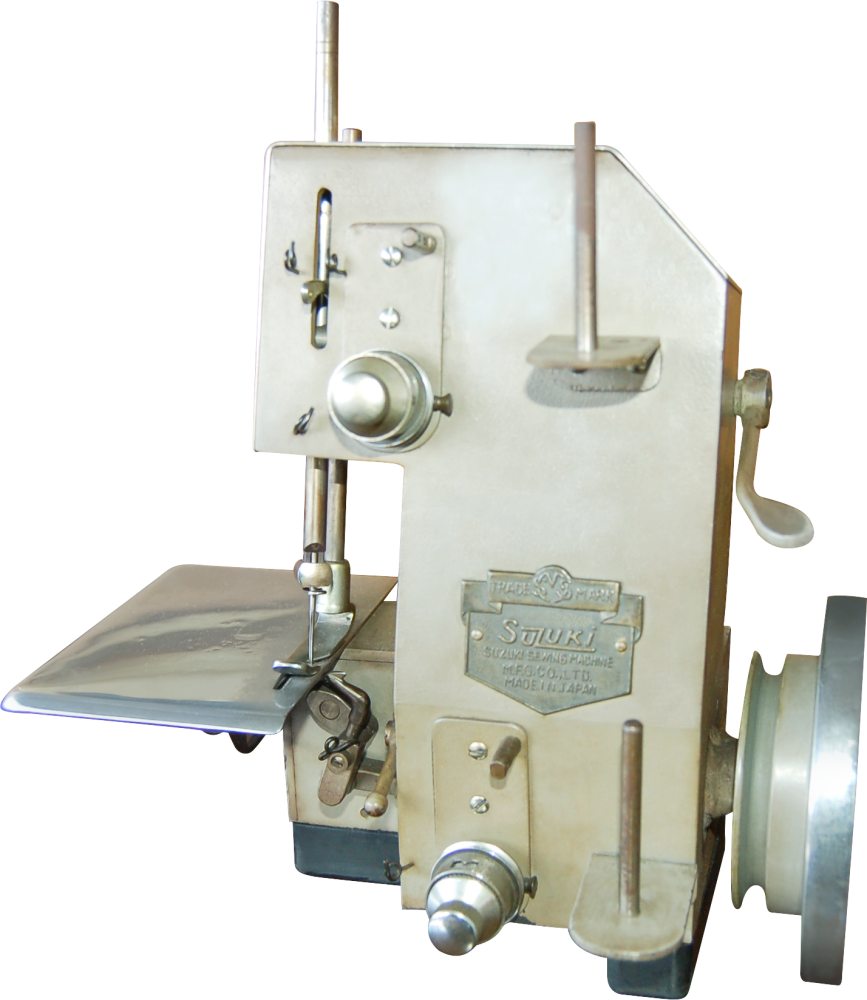
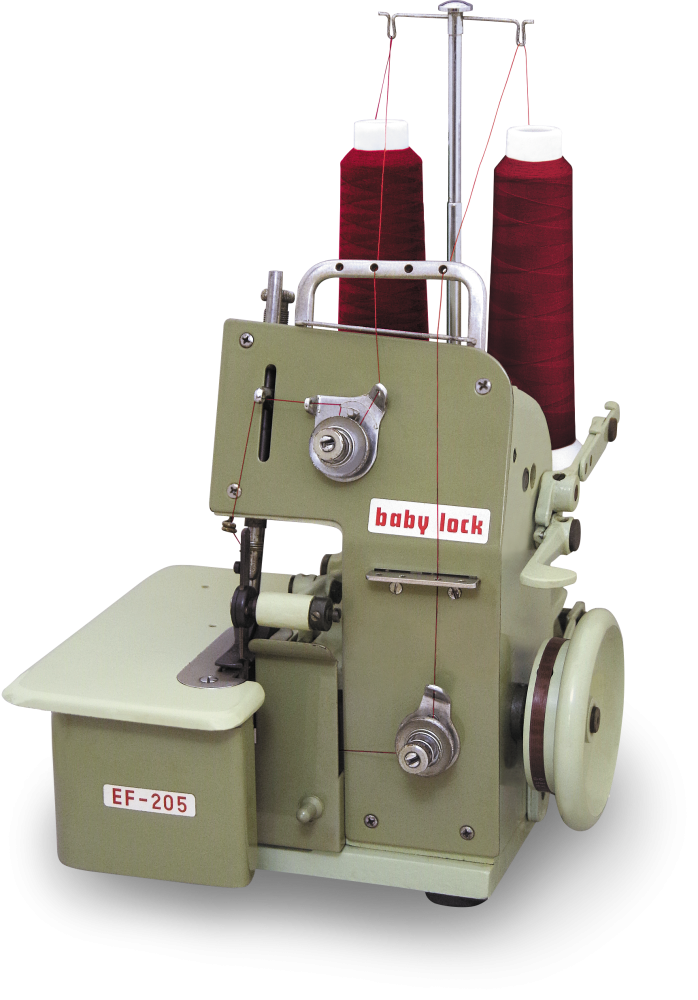
However, the engineers had a strong belief in their idea and their design, and they believed it was marketable, so they quit their jobs at Juki and started their own company that made overlock machines for home use— overlock machines that were light and portable, similar to home sewing machines...
... miniature overlock machine...
... BABY overlock machines...
Thus, the company was named BABY LOCK, that’s how Baby Lock got its name.
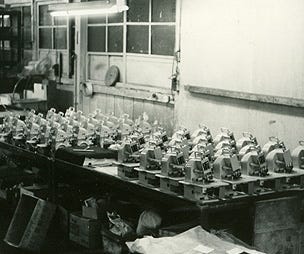
Baby Lock got a head start on the competition with home overlock machines, nowadays known as sergers, plus they have a spirit of innovation embedded in the company’s DNA.
In the 90’s, Baby Lock came out with two pieces of game changing technology: Air Threading for the upper and lower looper and Automatic Thread Delivery which replaces the traditional tension system and delivers a perfect stitch every time.
Now it’s 2026, and Baby Lock still reigns supreme in the world of sergers. They make ultra-reliable machine that is easy to use, difficult to break, and consistently produces beautiful stitches.
If you would like to read more about modern developments in Baby Lock serger technology, please click below to be linked to an article I wrote on the subject earlier this year:
If you find my work valuable, please upgrade to become a paid subscriber. All revenue supports my family and goes a long way in helping me to continue to write.
You will unlock the full archive of over 150 similar sewing machine educational essays and articles.
All support is hugely appreciated.
—Cale
Comments
Nothing yet. Say the first thing.
Sign in to join the conversation.