
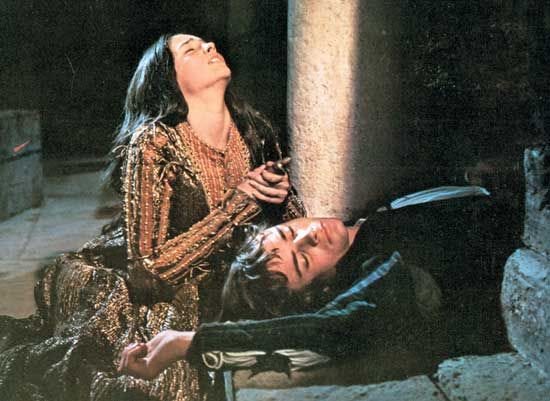
Two sewing machine retail and repair stores, both alike in dignity
(In Northern California, where we lay our scene). . . . . . . . . . . .
The Sewing Machine Shop is my father’s aptly named sewing machine business, located 25 miles east of San Francisco in Walnut Creek, California.
We are proud to call ourselves the premier sewing machine dealership in the Bay Area, and arguably the premier dealership in Northern California.
Who knows sewing machines like the Schoenberg clan? Who fixes them better than us? Who sells them like we do?
Nobody.
In German, Schoenberg ((schön - berg)) translates to “beautiful mountain.” Bernina, the world-renowned Swiss sewing machine manufacturer, is named after Piz Bernina, the highest peak in the Eastern Alps. The factory where Baby Lock manufactures the best sergers in the world is located in Yamagata Prefecture, Japan — in the shadows of Three Sacred Mountains of Dewa: Mount Haguro, Mount Gassan and Mount Yudono.
Our family tie to sewing machines is predestined. Nobody does it quite like us.
. . . . . . .
Nobody?
. . . . . . .
Alas, a fierce rival lies 70 miles east in the state capital of Sacramento:
The bloodshed between our two stores spans decades. Women in Berkeley threatening to drive to Sacramento because Meissner sells the new Bernina 770 for $50 less than we do. Kills me every time. If I had dollar for every time I had to price match a quote from Meissner’s, I’d damn near be a millionaire.
They were driving me insane.
We were on the eve of war.
Something had to be done.
I became a dedicated weightlifter, spending hours in the gym, preparing my mind and body for a Herculean feat ::::: to yank that 82 foot tall needle out of the ground and javelin-chuck it through Meissner’s front door. . . . . .
In 1930, Ernest Robert Meissner founded his industrial sewing machine business in the Los Angeles area. At the time, California’s garment industry was booming, with more than 900 manufacturers and 28,000 workers. Thanks in part to the movie industry, California fashion has always found plenty of buyers and its garment industry flourished until the lure of cheap foreign labor drew many manufacturers overseas.
Keeping the garment industry humming was the company’s main focus when Ernest’s son, William (Bill), came into the business. Bill moved the business to Sacramento in 1958, where the family lived upstairs from its Victorian storefront between 20th and P Streets. The industrial side of the business continued to prosper as Bill and Myrtle Meissner expanded into the home-sewing business, gaining a loyal base of customers throughout the Sacramento area.
The company extended its family tradition to the third generation when Bill and Myrtle’s son, Jim, took an interest at an early age. By the time Jim was 10 years old, he could be found in the downstairs shop after school, building industrial stands and learning to repair machines. Jim grew into his career as a service technician, which is the chief reason the company places a strong emphasis on their service and repair department.
When Bill Meissner retired in 1982, Jim took over the family business, moved the company to its current headquarters at Business 80 and El Camino Avenue in Sacramento, and erected the giant needle and thread. Today the company’s needle in the sky serves as a Sacramento landmark and a testament to the Meissner family’s more than 85 years in the sewing business.
Jim Meissner and his wife, Cindy, had two children: Kate and Collin Meissner. Neither grew up to work in the family business, but the influence sewing machines had on both their lives is worthy of note.
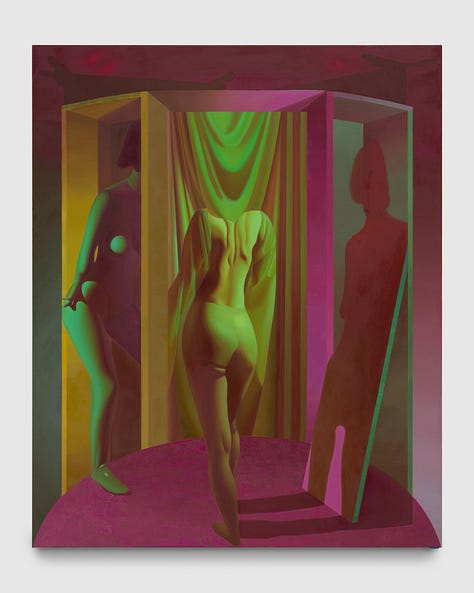
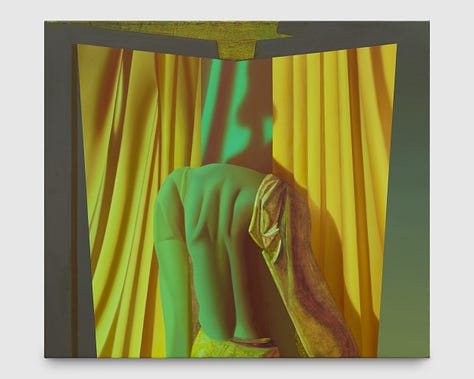
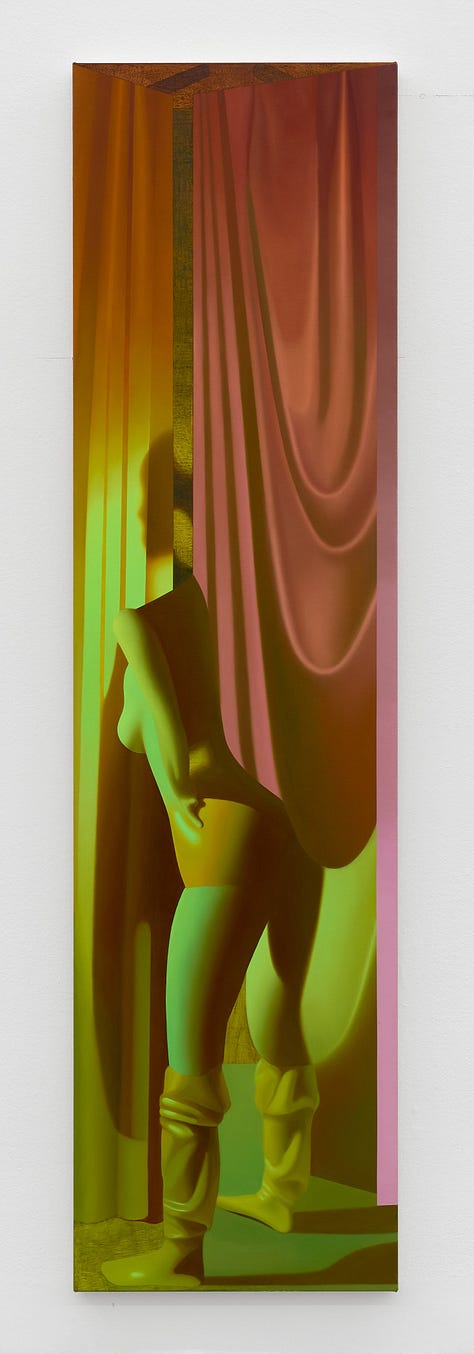
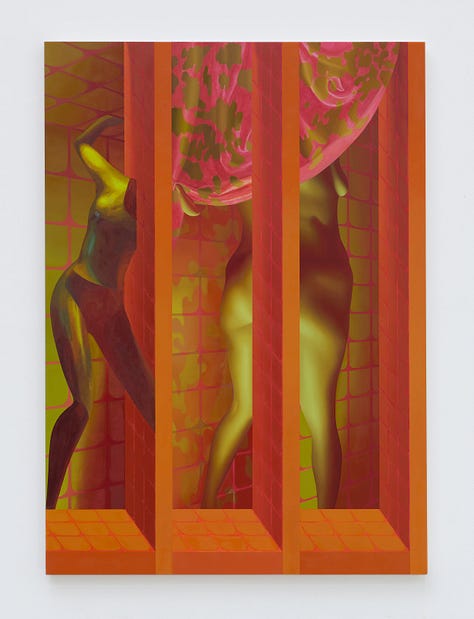
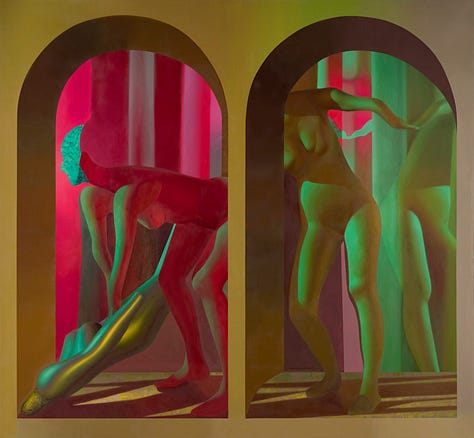
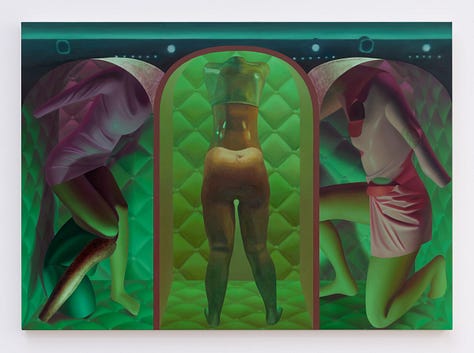
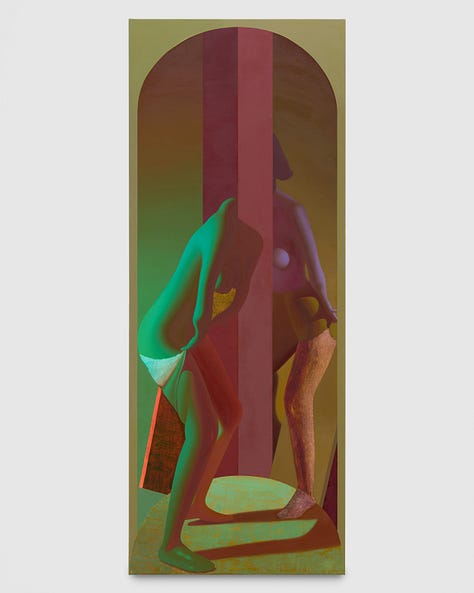
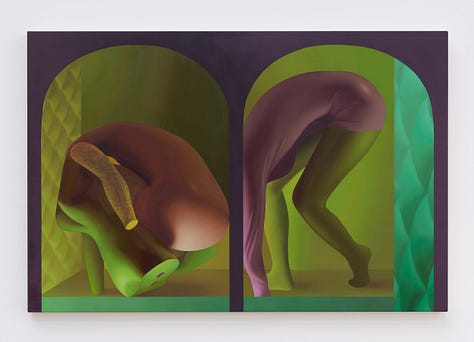
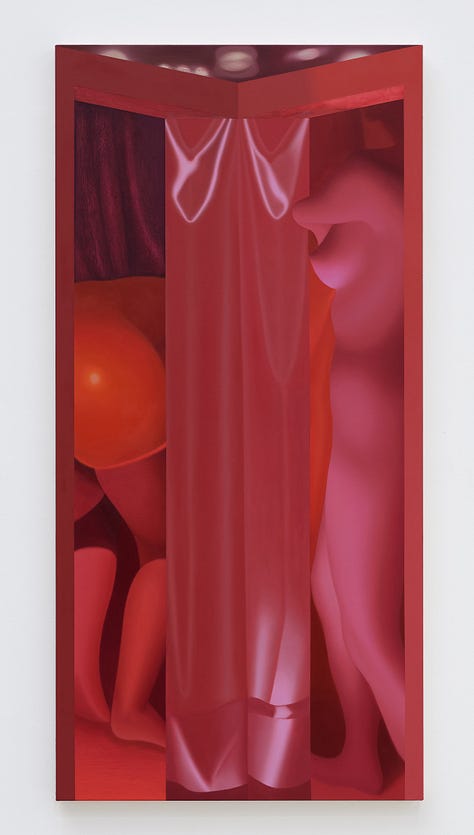
Born in 1995, Kate Meissner is an artist who makes incredible figurative oil paintings. As a child, she spent a significant amount of time in her father’s store, sewing quilts and clothes on the floor model machines. Much of her artistic works depict bodies draped in fabric in a most uncanny manner. Coincidence?
Her younger brother, Collin, spent some time in his adolescence fixing sewing machines in his father’s shop. His knowledge of machines would eventually help him secure a spot on his high school’s highly competitive robotics team. Collin was educated as a mechanical engineer and now works as a rocket scientist for SpaceX.
Born on the border of Argentina and Paraguay, Ramon wandered through the jungle as a young boy, tromping about, using a slingshot to fire rocks at exotic jungle birds, which he never hit. Until one day, he did :::: he slung a rock at a toucan, and a successful headshot killed the majestic bird. Ramon sobbed with guilt and regret, having discovered the concept of death.
Ramon grew up and was was educated as a mechanical design engineer in Switzerland. During his time in Europe, he travelled to England where he met a beautiful young British woman named Doreen. She was engaged to a sailor at the time, but Ramon stole her heart and the engagement was called off. Together they moved back to Argentina, where he got a job running a factory in Buenos Aires that manufactured sewing machine parts for the Swedish company, Husqvarna. Additionally, the factory also manufactured a sewing machine called MADEX.
Meanwhile, Ramon and Doreen manufactured 5 beautiful children: Adriana, Martin, Tomas, Guillermo, and Daniel.
In 1963, due to political instability in Argentina, the Schönberg family immigrated to Richmond, California. Shorty after their arrival, President John F. Kennedy was assassinated.
Ramon was hired as an engineer for a company in Berkeley that designed pumps and Doreen worked as a school teacher. Still, Ramon needed a second job to make some extra money and support his family. As a side hustle, he found work repairing sewing machines for the Berkeley Sewing Machine Company twice a week, on Thursday nights and Saturdays.
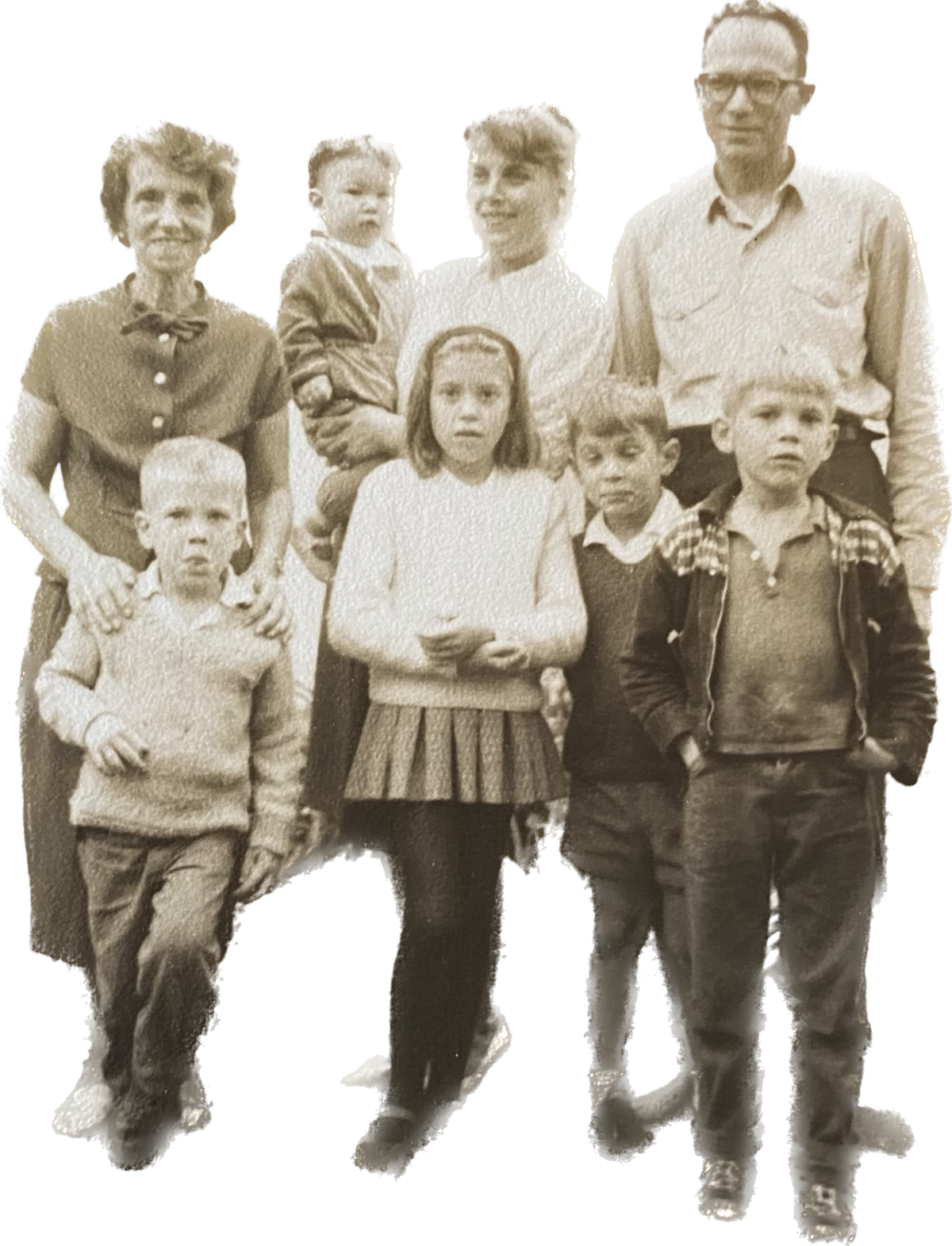
Ramon’s oldest son, Martin, accompanied his father on Tuesdays and Saturdays when Ramon worked his side-job repairing sewing machines. Marty was still a young boy at the time. Ramon would put an old junker sewing machine on the floor in front of his son, along with a set of screwdrivers.
“Take apart everything you can,” Ramon said. Marty did as he was told, disassembling machines into hundreds of individual parts. And so began the foundation of a skill set that would serve Marty well for the next 50 years.
In 1974 Marty began working full time fixing sewing machines for the Berkeley Sewing Machine Company. A few years later, he invested in a van and some tools and started a one-man business called Sewing Machine Engineering that offered traveling industrial sewing machine repair.
Meanwhile, Marty’s youngest brother, Daniel (my father), earned his college degree in Aeronautical Engineering. He was on track to fly jets in the Navy, but the discovery of a stigmatism in his eye disqualified him from flying. He ended up working for a Kawasaki motorcycle dealership in Richmond, showing great talent as a motorcycle salesman. Marty recognized this talent and recruited his baby brother to join Sewing Machine Engineering. Together, they expanded the business, renting a storefront in El Sobrante, CA and soon changed the name of the business to The Sewing Machine Shop. Eventually they moved the shop to Botelho Drive in Walnut Creek where it remains to this day.
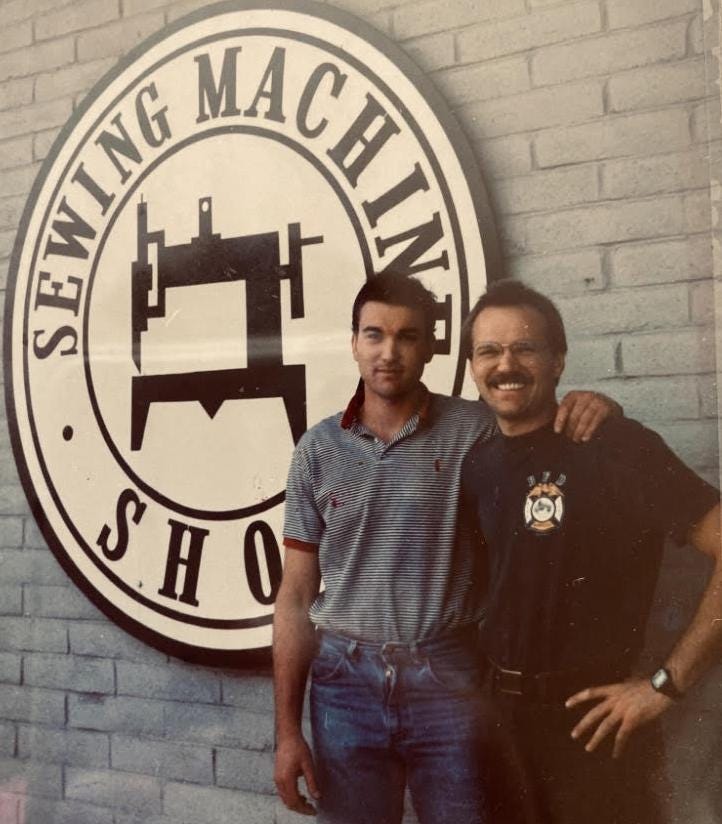
Son of Dan and Kelly Schoenberg, I was born in 1994, several years after the birth of The Sewing Machine Shop.
I have been around sewing machines as long as I can remember. First got into the family business when I was in high school, working part-time during the summer, learning the art of sewing machine repair. Initially I learned on the older Pfaff machines, but eventually moved onto Bernina, Janome, Brother, Baby Lock, Singer, etc.
After high school I continued to work for my Dad, fixing machines as I attended DVC, the local community college. At 22, I transferred from DVC to UCLA where I studied philosophy. After graduating in 2018, I stayed in Los Angeles for a few years and worked at the Hollywood Bowl, writing god-awful screenplays in my East Hollywood apartment. However, I was fired from my job in March 2020 at the onset of the Covid-19 pandemic and statewide lock-downs. People may have stopped going to concerts, but they were sewing more than ever before. My Dad was extremely busy at the shop and needed help, so I moved back to the Bay Area and started working for him again.
A few years later, my younger brother, Lewis, followed suit. Lew is a high school basketball coach, an eloquent speaker, and extremely handsome in the face. If you walk into the shop, it is highly likely that you under the spell of his smokey-green eyes and self-assured spirit, and you are in grave danger of falling in love with your next sewing machine with Sweet Lew by your side.
In the late 1980s, Jim Meissner paid an unsolicited visit to a young sewing machine dealership in El Sobrante, California to see if they wanted to start carrying Brother industrial machines, for whom he was the exclusive West Coast distributor.
So began a longstanding friendship between Jim and my father.
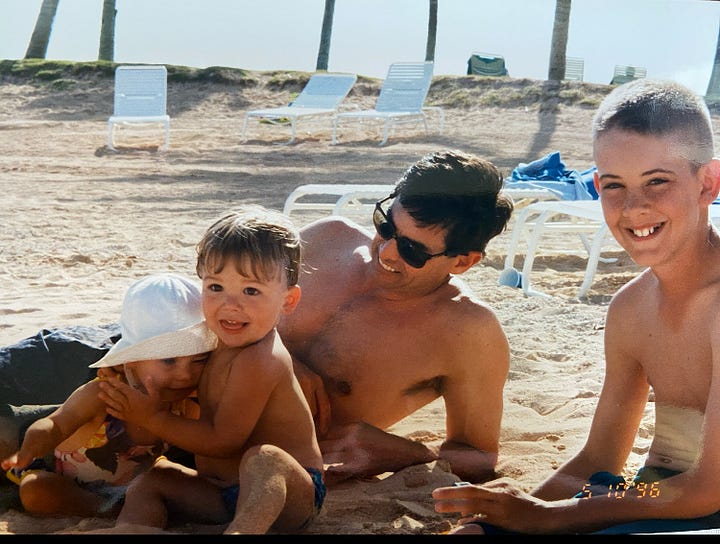
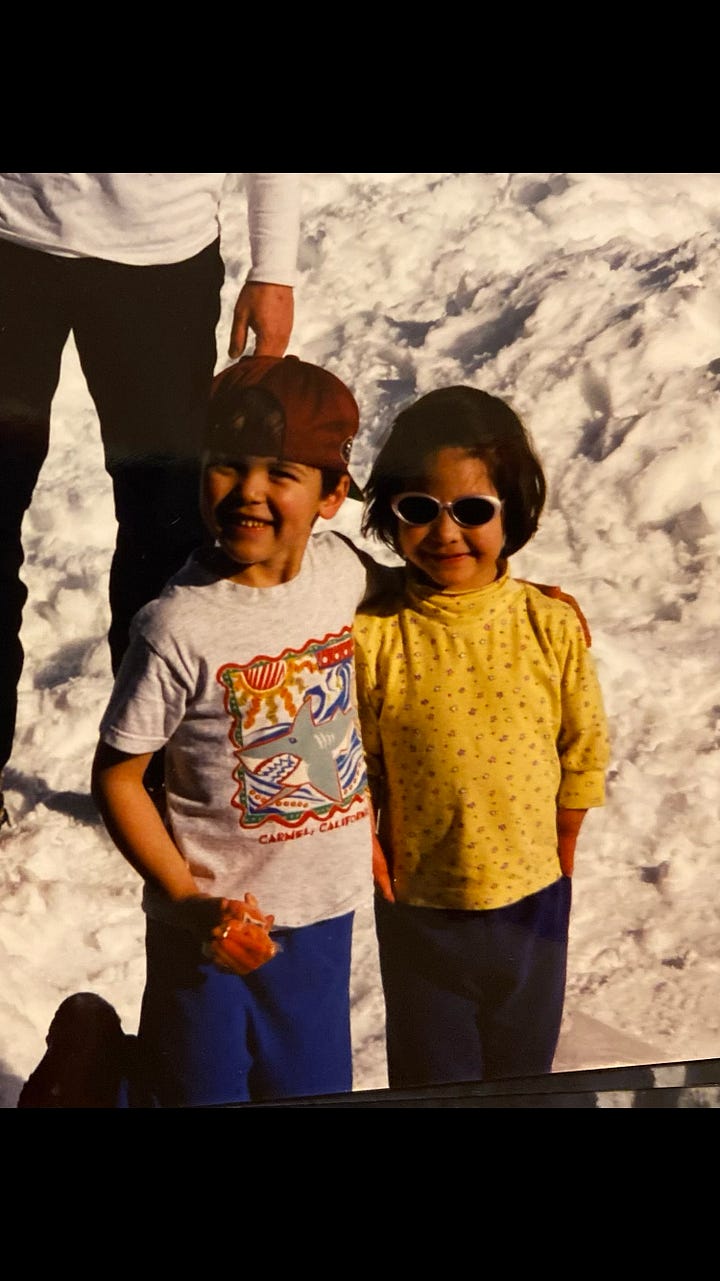
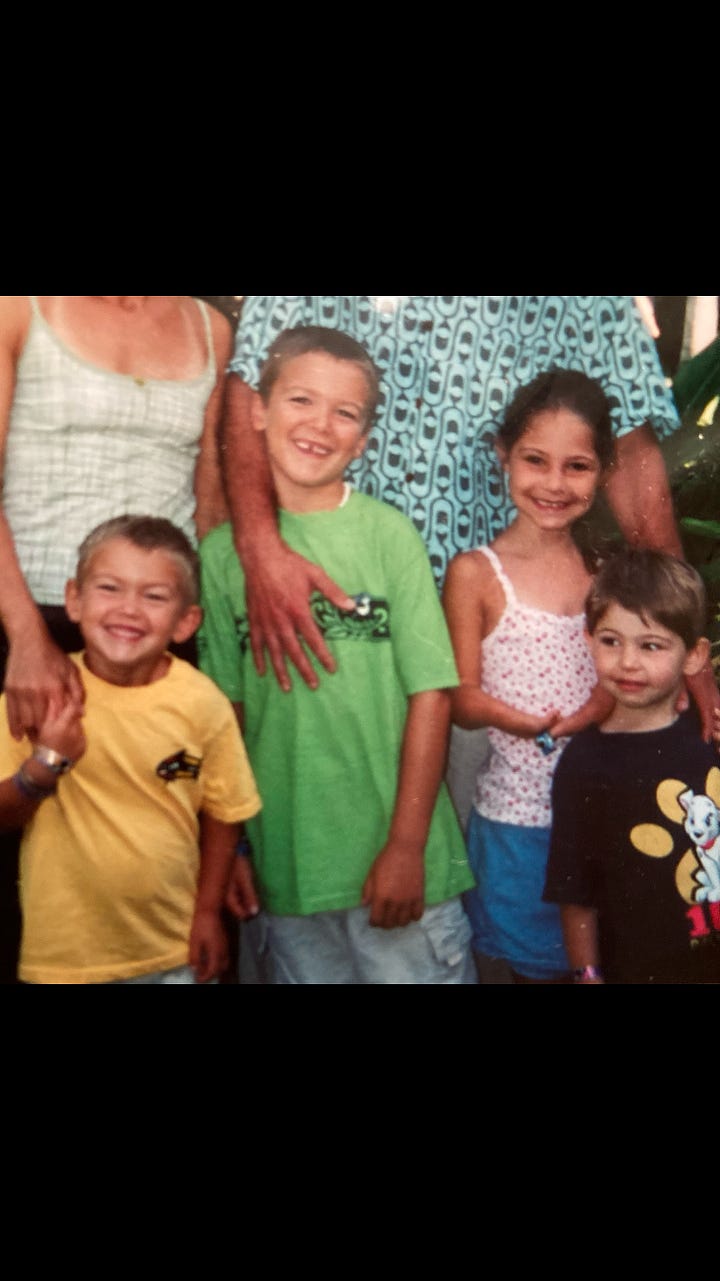
Over the years, the two men would would socialize at sewing machine conventions and dealership trips organized by the vendors. They had children around the same age and would vacation in Tahoe for wintertime skiing and sledding. When I was seven years old, there was even a joint Meissner-Schoenberg vacation in Hawaii, which I vividly remember.
Fast forward more than 20 years, I travel to Las Vegas with my father to attend a much anticipated sewing machine trade show where the Janome Continental M17 was unveiled for the first time. As we mull around the convention hall awaiting the M17, I hear commotion near the entrance of the conference room as Jim & Cindy Meissner enter the building, bona fide semi-celebrities in this niche world of ours.
Jim spots my Dad and makes a beeline straight toward us, beaming ear to ear. They immediately dive into conversation and yak for a good 15 minutes, catching up on all of life. Meanwhile, I enter conversation with Jim’s wife, Cindy, who I don’t think I’d seen in 20 years, and I surprise myself by first asking her a question about her son, as to not appear overly eager when I proceed to ask many, many questions about her daughter.
“You should reach out to her,” Cindy says. “I think you two would be kindred spirits.”
Kindred spirits? Such peculiar verbiage for a mother to use!
Noted.
It was months before I finally did pluck up the gumption to contact Kate Meissner. When the time came, I did so in a spirited fashion. We began to exchange lengthy messages via Instagram, taking days, sometimes weeks, to respond to one another. For both our parts, the responses were thoughtful, our pace old-fashioned, like how I imagine people once exchanged letters over long periods of time before phones or internet.
Somehow, in our ongoing communication, I maintained the discipline to sprinkle in a perfectly measured dose of aloofness, knowing all the while that she is way out of my league. Overachieving is the term— for her astonishing beauty, undeniable talent, and her kind, sweet soul grounded in a refreshing open-mindedness — certainly, I am not worthy of such a woman.
I dare not share the details of our messages here out of fear of embarrassment, but my thousand word diatribes, experimental use of parenthesis, daring to draw chords between her paintings and my vague recollections of misinterpreted core passages of Being and Time…. somehow it worked.
I was planning a solo camping trip to Joshua Tree, I told her, and afterwards I would drive to Los Angeles to visit friends — and, since you live in LA, Kate, would you like to grab a drink?
She said yes, so I planned the trip for real.
I camped in Joshua Tree. I drove to LA. We had our drink. We fell in love.
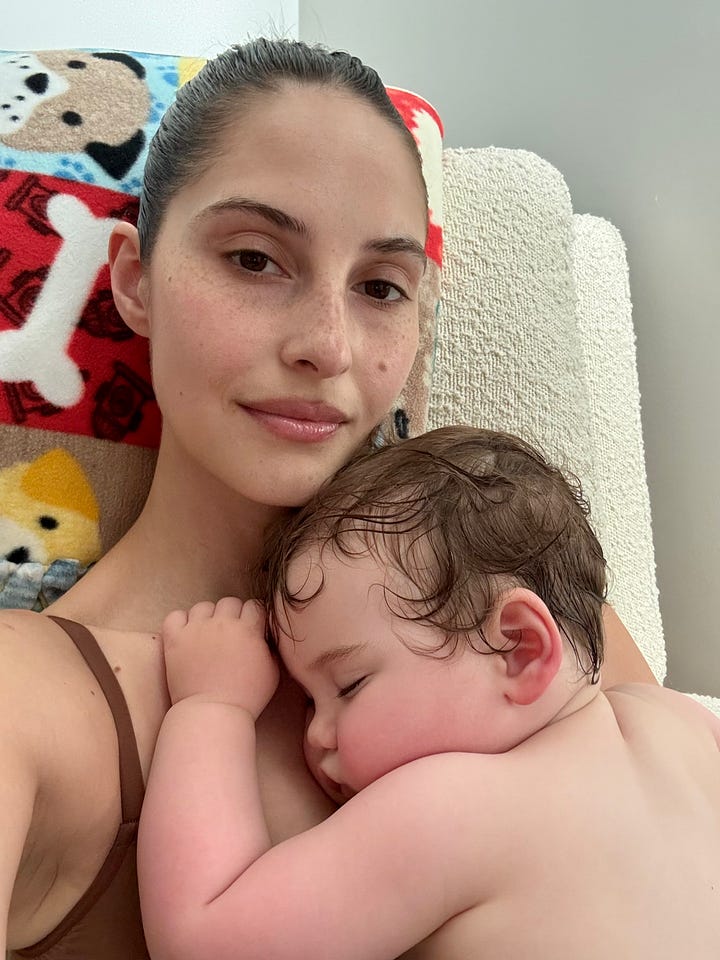
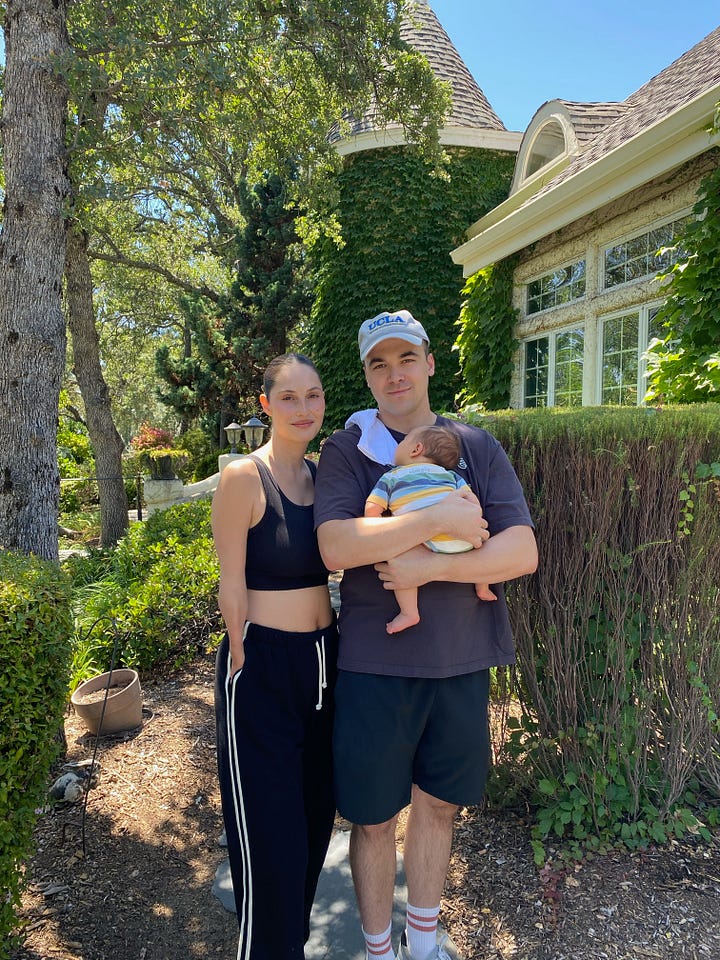
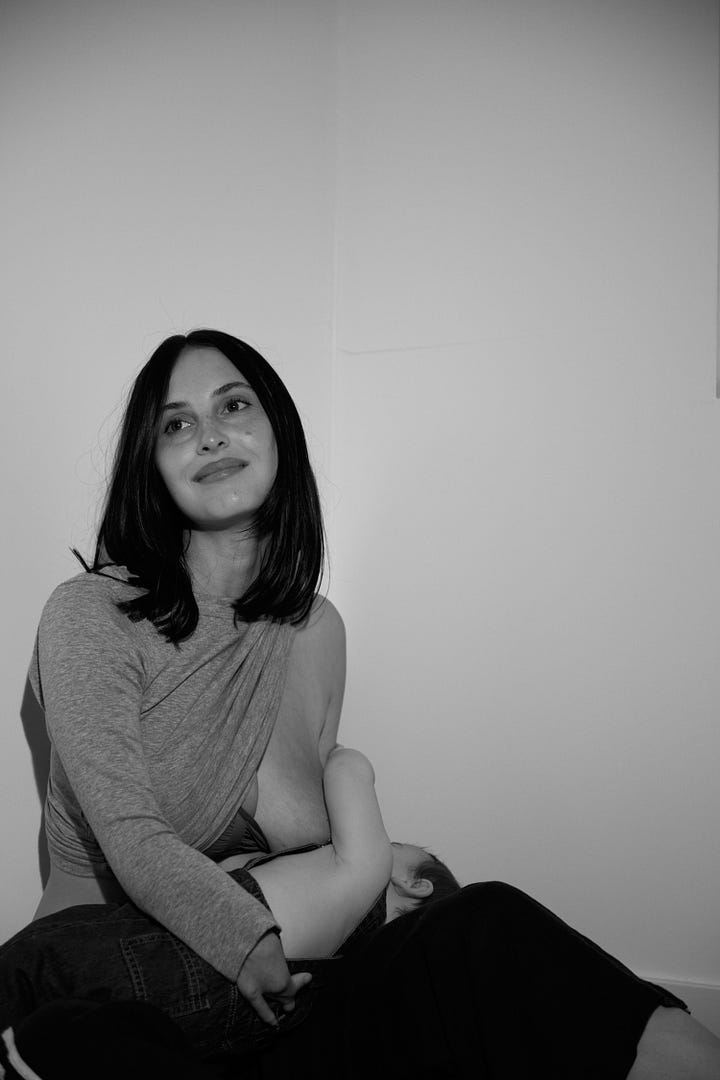
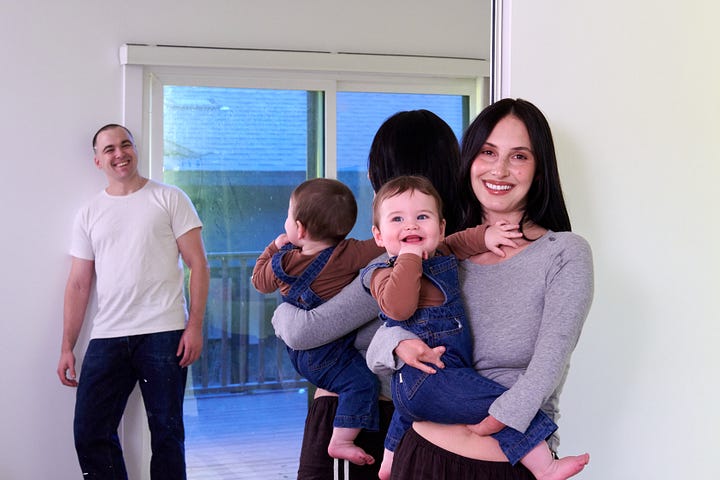
I moved down to LA, approximately 0.7 miles from her house. 10 months later, she gave birth to our son.
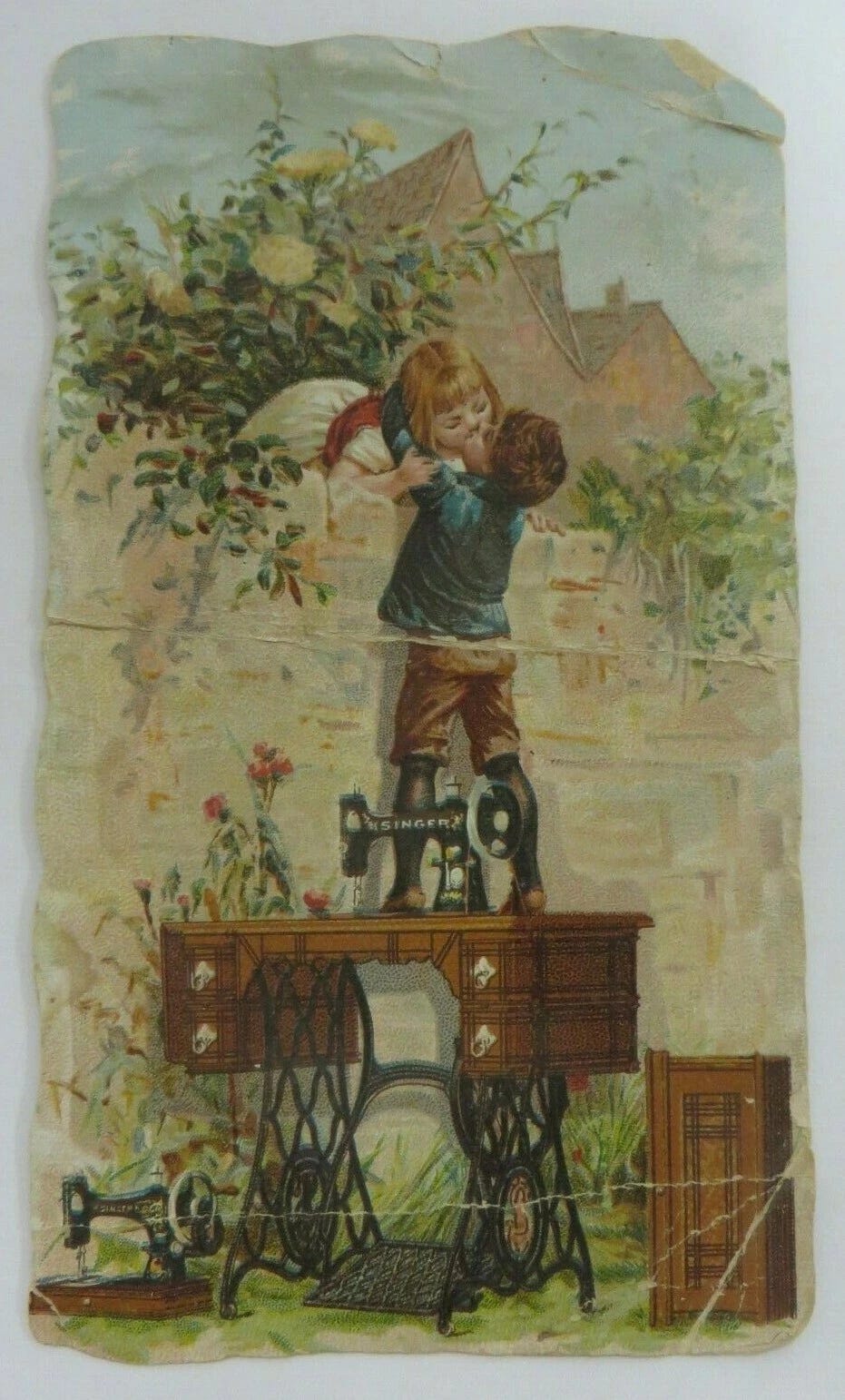
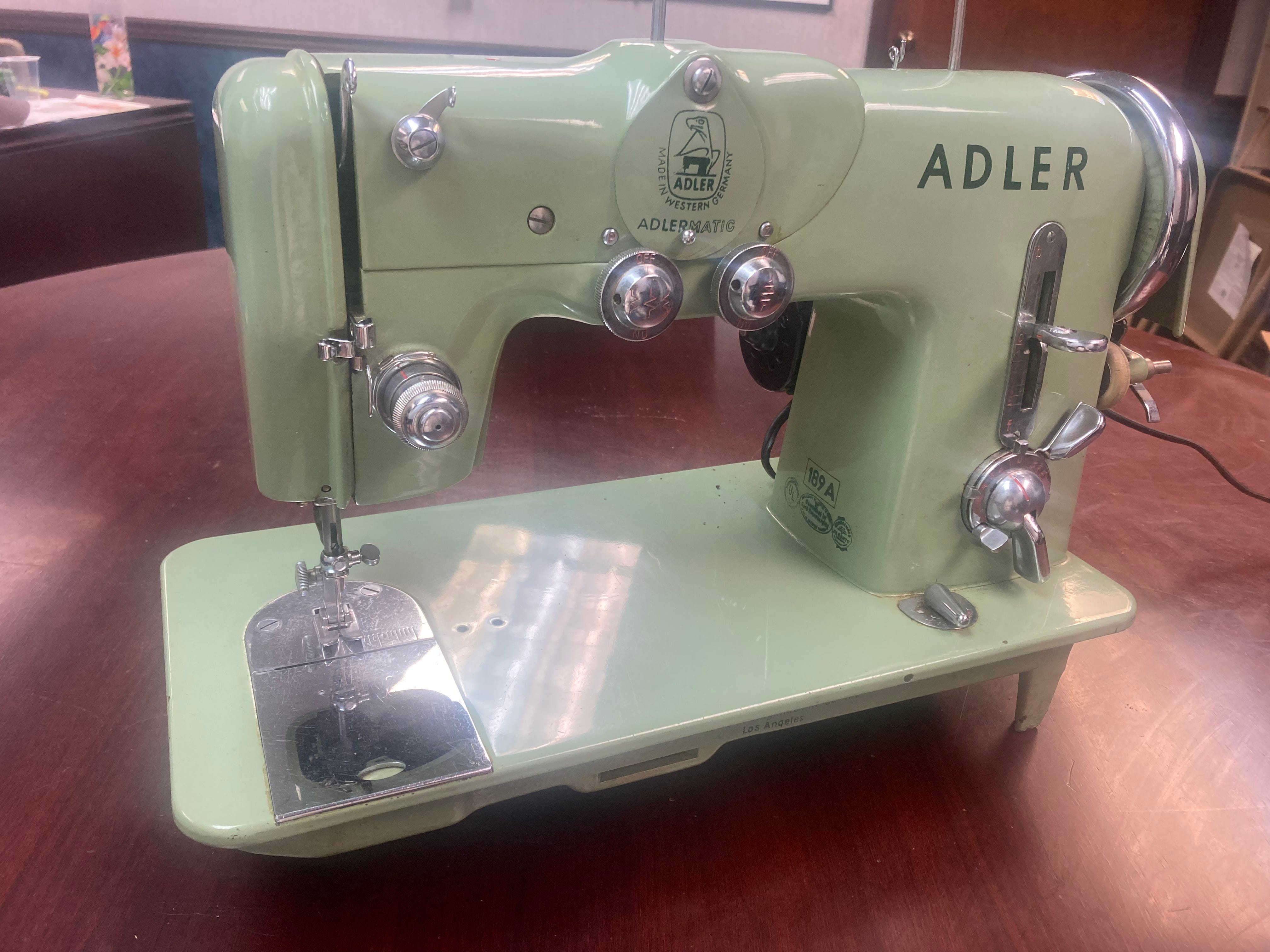
Given commonalities in our family trees, we had to name him after a sewing machine. Pfaff, Singer, and Viking were out of the question. Janome doesn’t work, neither does Brother. Bernina might be a beautiful name for a girl, but it also might not be. Thus, we settled on Adler, a somewhat obscure German sewing machine manufacturer, though not insignificant in sewing machine history.
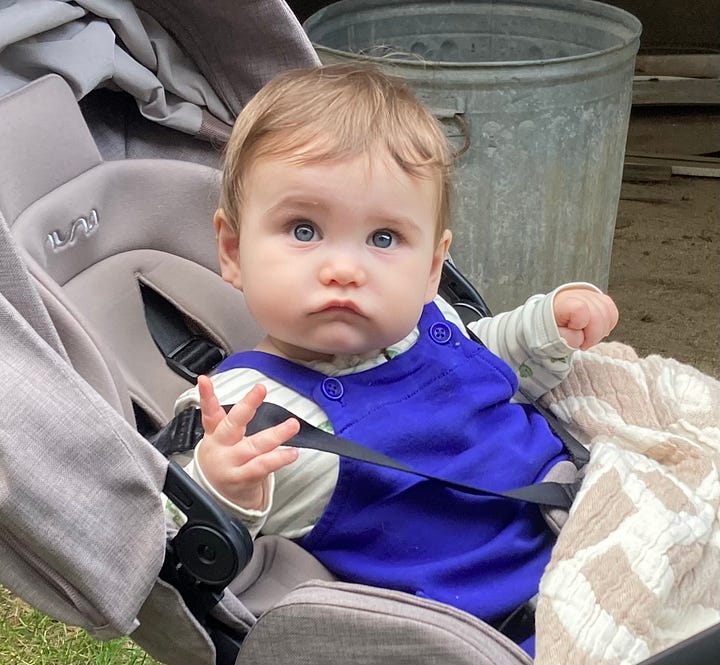
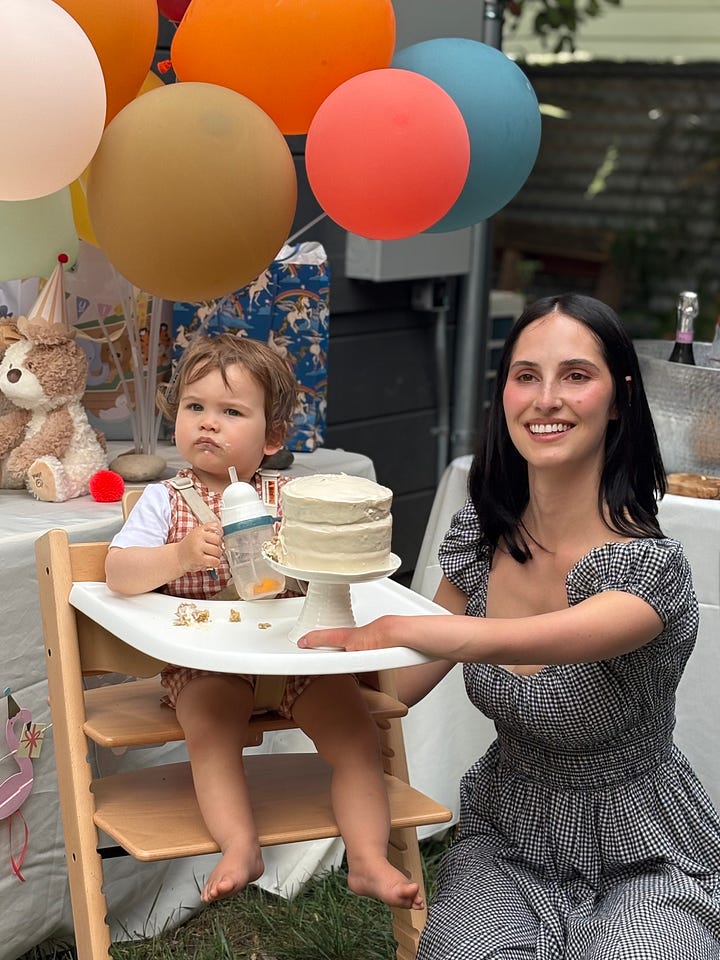
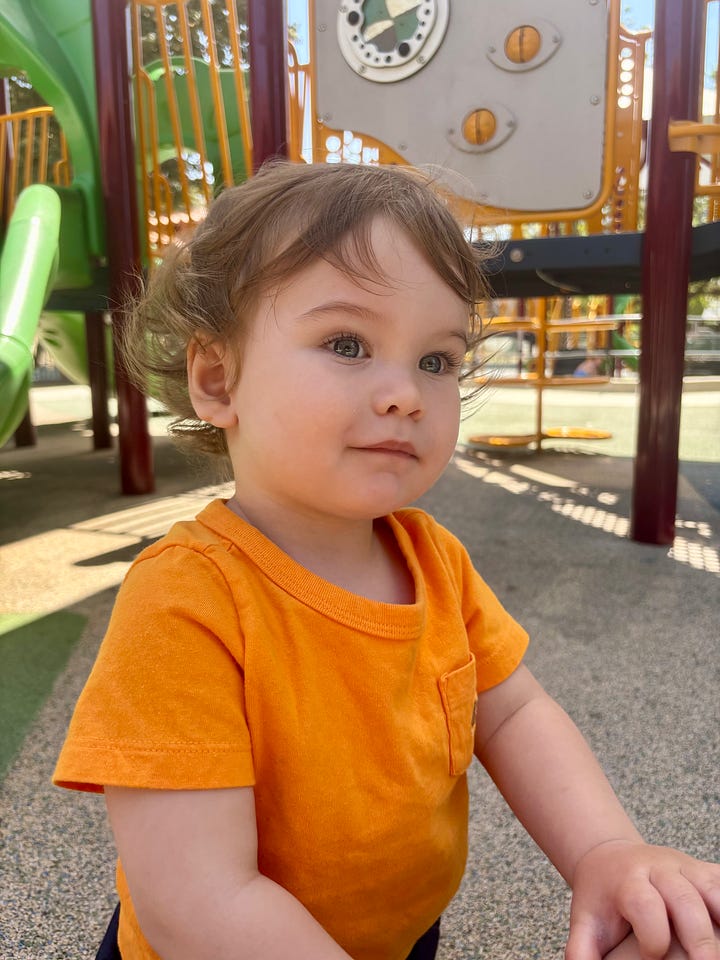
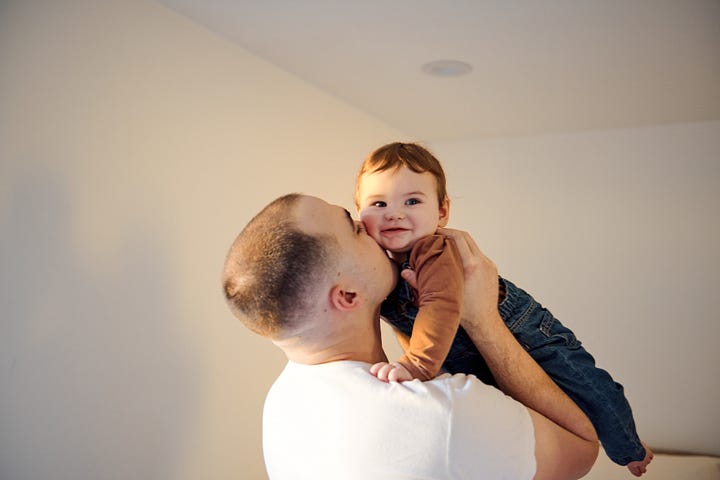
Adler James Schoenberg :: Model 267 :: the love of my life :: born May 17th, the same birthday as his great-grandmother, Doreen <3
I love my family more than words can describe. And I love that people can no longer price match The Sewing Machine Shop versus Meissner Sewing ever again.
If you find my work valuable, please upgrade to become a paid subscriber. All revenue supports my family and goes a long way in helping me to continue to write.
You will unlock the full archive of over one hundred similar sewing machine educational essays and articles.
All support is hugely appreciated.
—Cale
Comments
Nothing yet. Say the first thing.
Sign in to join the conversation.