
Many modern sewing machines tout “automatic tension” as a feature.
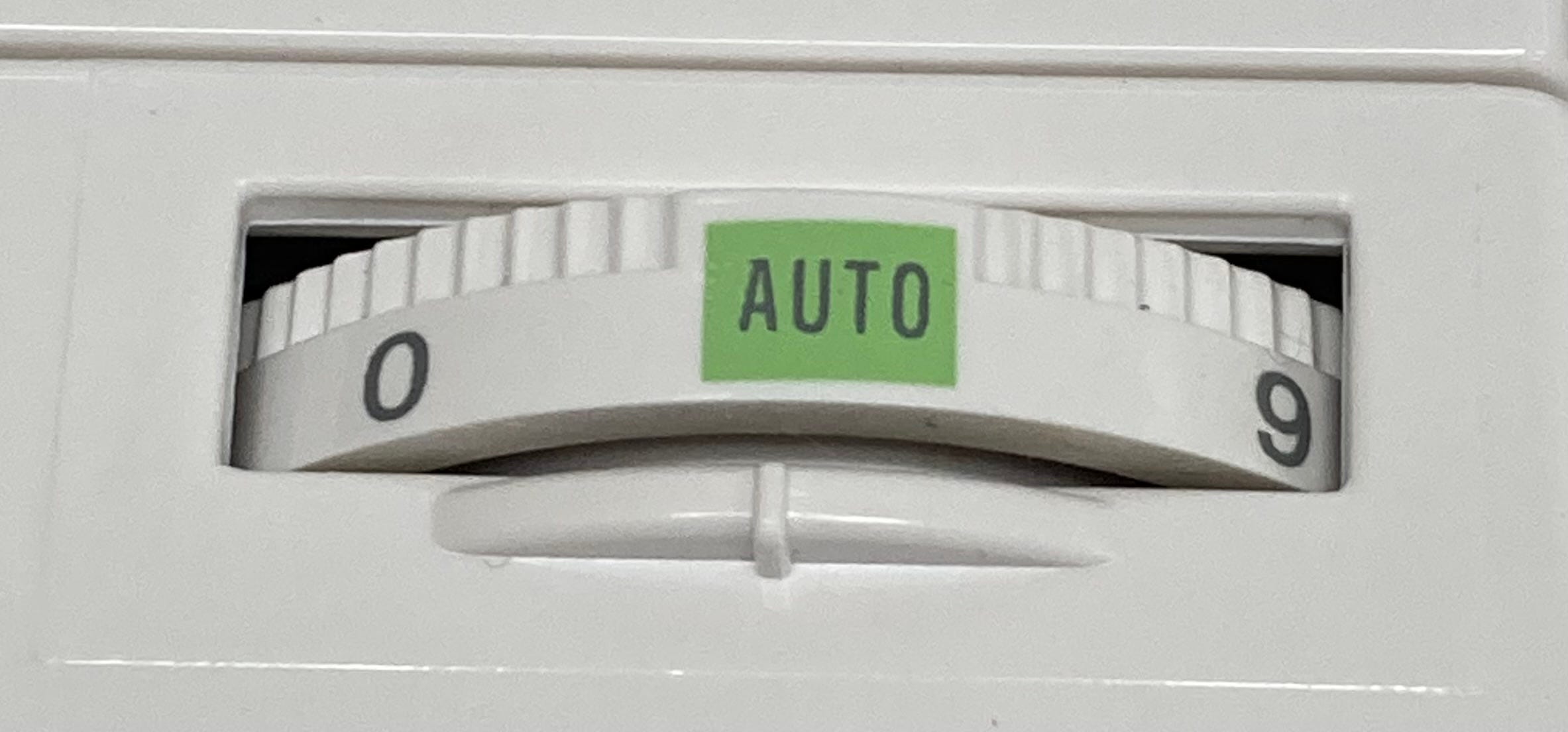
On the upper tension dial, which is typically numbered 1 through 9/10, with 1 being the lightest tension and 9/10 being the heaviest tension, you will see a slot on the dial that says “auto” or “automatic”.
The other day, I logged onto my LinkedIn profile for the first time in months, and I was happy to see a message from the owner of a sewing machine dealership in Sweden. He asked me the following question:
I am a Janome and Baby Lock sewing machine shop owner from Sweden. I really like your articles. It would be interesting to hear about your view on automatic tension. Some has Electronic tension but for exemple Janome S5 and s3 and even cheaper models it is also called auto. Is it really a difference in this setting compared to a specific number? for example number 4. In what way is it automatic?
Great question. It was on my mind for a while. Here is my response:
My honest opinion is that the manufacturer choosing to call it “automatic tension” is a slightly misleading choice of words. The tension dial does not automatically adjust itself if the tension is poor. The machine has no way of seeing what the stitch actually looks like. So why do they call it “automatic tension”? Probably because it makes for good marketing.
But how does a machine with “automatic tension” differ from machines that don’t offer “automatic tension”? How does “automatic tension” actually work?
With “automatic tension”, the manufacturer has done enough research to make an educated guess of the best tension setting in relation to the stitch pattern being used.
Here is an example:
Assume we are using a tension scale of 1-10 as most modern machines use, with 1 being light tension and 10 being heavy tension. If my tension is set to “automatic” and I select a straight stitch, then the machine will set the tension to what the manufacturer’s research has determined what is typically the best upper tension for a straight stitch. Let’s say it’s a 4 on the dial. Though the tension dial shows “auto”, internally the tension discs will adjust to a 4. If I was to select a zig-zag stitch, then the machine will set the tension to what the manufacturer’s research has determined what is typically the best upper tension for a zig-zag. Maybe that is 5 or 5.5.
If you were to go through all the different stitches, I bet the tension adjusts slightly for each category— for example, I think with “automatic tension” selected, the tension changes slightly for all stitches in the buttonhole category, all stitches in the appliqué category, the monogramming category, etc.
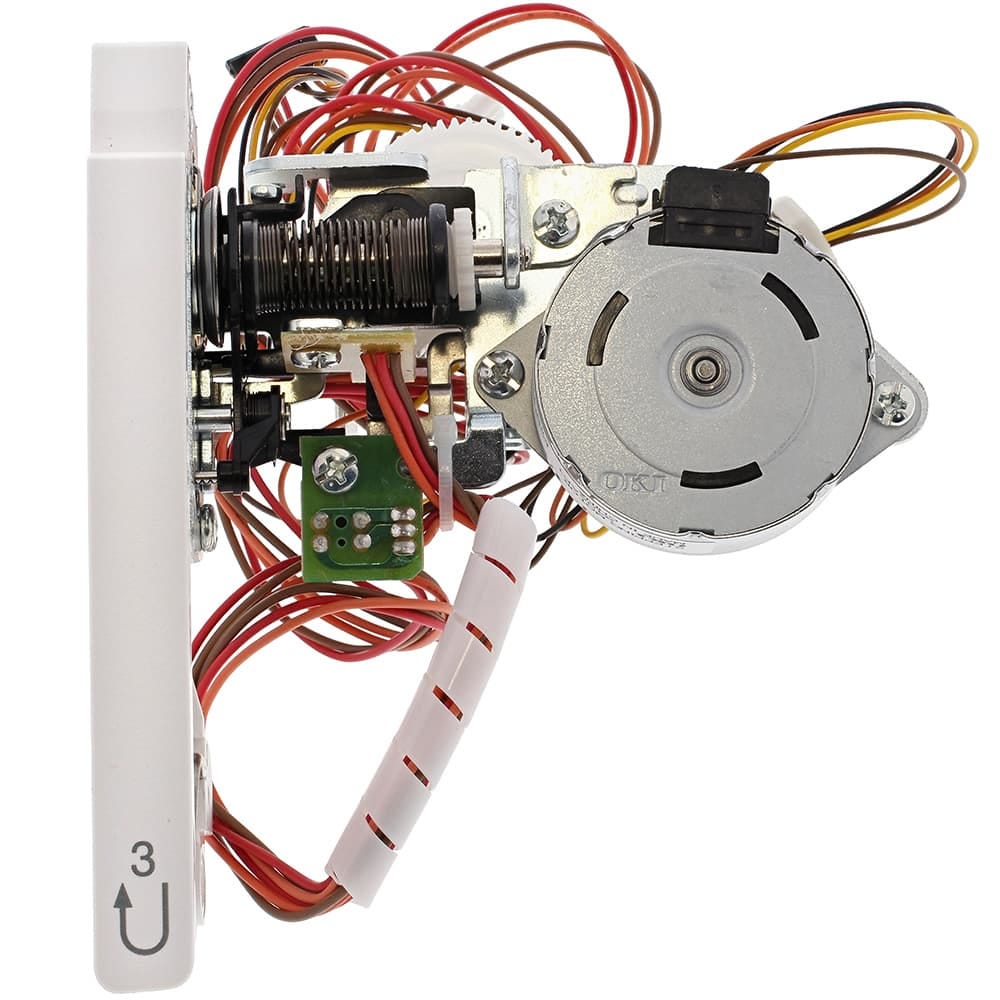
How does the tension change without turning the dial on these machines with “automatic tension”? The tension system on machines with “automatic tension” is not purely mechanical. There is a stepper motor attached to upper tension mechanism that will adjust the tension discs according to the stitch pattern selected, as long as tension dial is set to automatic. Once you go off automatic tension and turn the dial to a specific number, I believe the stepper motor (and therefore “automatic tension”) is no longer in play.
You can actually see the tension change on some Janome and Baby Lock machines with touchscreens. These machine tell you what the precise tension is set at on the screen (you have to press the tension icon in order to see it). If you take a picture of the tension setting on a straight stitch, then select a decorative stitch and take a picture of the tension, you will see the exact change being made due to the “automatic tension” feature.
Modern Bernina machines go one step further. They have a feature called “Creative Consultant.” With this feature, the machine will essentially ask the user what fabric they are sewing and what sewing application technique they are going to employ on that fabric. Fabric options give by Creative Consultant are quite wide, more than 10 in total, including: leather, denim, light woven, heavy woven, toweling, pile fabrics, and more. Sewing technique application options include: zipper, buttonhole, embroidery, decorative, and more. Once you tell the machine the fabric and technique, Bernina will recommend a specific needle (size and type) and specific thread (weight and material). Then it will adjust tension based your input of fabric and technique, and the Creative Consultant’s recommended needle type and thread type.
This Creative Consultant feature actually helps prove my earlier point, of how “automatic tension” is misleading terminology. The stitch type (straight, zig-zag, decorative, etc.) we’ve selected is not sufficient information for the machine to know how much to adjust the upper tension. Stitch type matters, but so does the fabric, thread, and needle— I think of it as a four ingredients to the “stitch recipe”. I have written a few articles on the relationship these four stitch ingredients have with one another (how each one affects the others), which I will link to you below.
But that is why “automatic tension” isn’t actually automatic. My stitch quality will look perfect when using high quality thread like Mettler, Isacord, or Aurifil, but if I switch to something of poor quality like Coats & Clark, or a significantly heavier thread (e.g. switch from 50 wt thread to 12 wt thread), the tension will become poor due to changing the thread. Our “automatic tension” does not have any way to see or feel the thread change, and it will not adjust automatically. As mentioned before, the machine is making an educated guess of what upper tension is best, and assumes the user is using quality thread and using the correct needle for the fabric they are sewing on.
Another point on how the term “automatic tension” is misleading: it only applies to the upper tension discs. When we talk about tension, we are talking about the tension balance between the needle thread and bobbin thread. But there is no mechanism in place to adjust the bobbin case tension automatically.
Small aside — the closest thing we have to “automatic tension” in the sewing world is the Automatic Thread Delivery (ATD) system found on most Baby Lock serger and coverstitch machines. ATD is a beautiful mechanical system of sliding metal blocks and wires (no electronics involved) that measures the amount of thread needed to make a perfect stitch. Tension dials are eliminated and any brand or type of thread can be used without adjustments. ATD works by sensing the thread feed and making precise adjustments in real-time, ensuring even, professional-quality stitches every time you sew. Whether you’re working with delicate silk, stretchy knits, or heavy denim, ATD ensures consistent results without the need for constant fine-tuning of tension, allowing users to focus more on creativity and less on fussy details.
If you find my work valuable, please upgrade to become a paid subscriber. All revenue supports my family and goes a long way in helping me to continue to write.
You will unlock the full archive of over one hundred similar sewing machine educational essays and articles.
All support is hugely appreciated.
—Cale
Comments
Nothing yet. Say the first thing.
Sign in to join the conversation.