
Every rainy season, the warnings return.
Boil your water.
Wash your hands.
Be careful where you eat.
Avoid contaminated water.
And for many people, those warnings fade into the background because cholera sounds like one of those diseases that belong in history books.
Something from another era.
Something that happens somewhere else.
Until another outbreak appears in the news.
Until someone in your neighborhood gets sick.
Until a hospital starts filling up with patients suffering from severe diarrhea.
Then suddenly, cholera doesn’t feel distant anymore.
It feels real.
And perhaps one of the most surprising things about cholera is that most people don’t actually know what it does inside the body.
Many assume the bacteria attacks the stomach.
Or destroys the intestines.
Or causes food poisoning.
But the truth is stranger than that.
The bacterium responsible for cholera rarely damages the gut directly.
Instead, it hijacks your own intestinal cells and turns them against you.
And the result is one of the most dangerous forms of dehydration known in medicine.
Cholera is an infectious disease caused by a bacterium called Vibrio cholerae.
It spreads primarily through:
contaminated water
contaminated food
poor sanitation
environments where sewage mixes with drinking water
This is why outbreaks often become more common during rainy seasons and flooding.
When sanitation systems become overwhelmed, bacteria can find their way into water supplies and food sources.
After someone swallows the bacteria, the journey begins.
At first, the bacteria faces a major obstacle.
The stomach is highly acidic.
In fact, stomach acid serves as one of the body’s first defenses against infection.
Many microorganisms never survive it.
But some Vibrio cholerae bacteria make it through.
They travel into the small intestine, where conditions are far more favorable.
And this is where the real story begins.
This may sound surprising.
But cholera’s greatest weapon isn’t the bacterium itself.
It’s a protein the bacterium produces called cholera toxin.
Think of the toxin as a biological hacker.
Instead of destroying intestinal cells, it reprograms them.
The lining of your small intestine is made up of millions of epithelial cells.
Normally, these cells carefully regulate:
water movement
salt balance
nutrient absorption
They constantly decide what enters the bloodstream and what stays inside the gut.
This balance keeps your body hydrated.
Cholera toxin interferes with that balance.
It attaches to intestinal cells and triggers a chain reaction inside them.
The toxin activates signaling pathways that cause cells to release enormous amounts of:
chloride ions
sodium
bicarbonate
water
into the intestinal lumen.
Instead of absorbing fluid, the intestine starts pumping fluid outward.
Imagine turning every cell in your intestine into a tiny water faucet.
That’s essentially what cholera does.
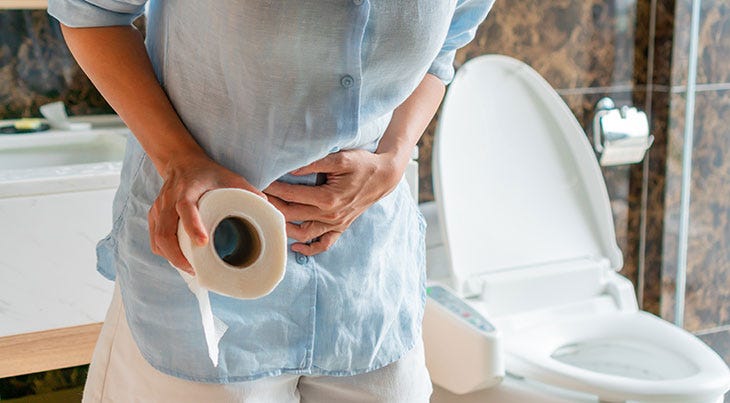
Most diarrheal illnesses cause inflammation.
Some damage tissue.
Others slow absorption.
Cholera is different.
It turns the gut into a fluid-secreting machine.
The amount of fluid lost can be astonishing.
A person with severe cholera can lose liters of fluid within hours.
Not over days.
Hours.
This is why cholera can become life-threatening so quickly.
The body simply cannot keep up with the rate of fluid loss.
One of cholera’s classic signs is something called rice-water stool.
The name sounds unusual until you understand what doctors mean.
The stool often appears:
pale
cloudy
watery
with small flecks of mucus floating inside.
It resembles water used to wash rice.
This happens because enormous amounts of fluid are leaving the intestine.
The stool contains far more water than solid waste.
And every trip to the bathroom means losing more fluids and electrolytes.
It’s the dehydration.
This is the part many people underestimate.
Diarrhea itself is unpleasant.
But dehydration is what kills.
As fluids leave the body, blood volume drops.
Less blood reaches vital organs.
Blood pressure falls.
The heart works harder.
Cells struggle to function normally.
Without rapid replacement of water and electrolytes, the body can enter shock.
This is why oral rehydration therapy has saved millions of lives worldwide.
Sometimes the most powerful treatment isn’t a complicated drug.
It’s replacing what the body is losing.
Not everyone experiences cholera the same way.
Several factors influence severity:
age
nutritional status
immune function
access to treatment
hydration status
A healthy adult who receives treatment early may recover quickly.
A child, elderly person, or someone without access to clean fluids may deteriorate much faster.
In many outbreaks, the difference between life and death is often how quickly rehydration begins.
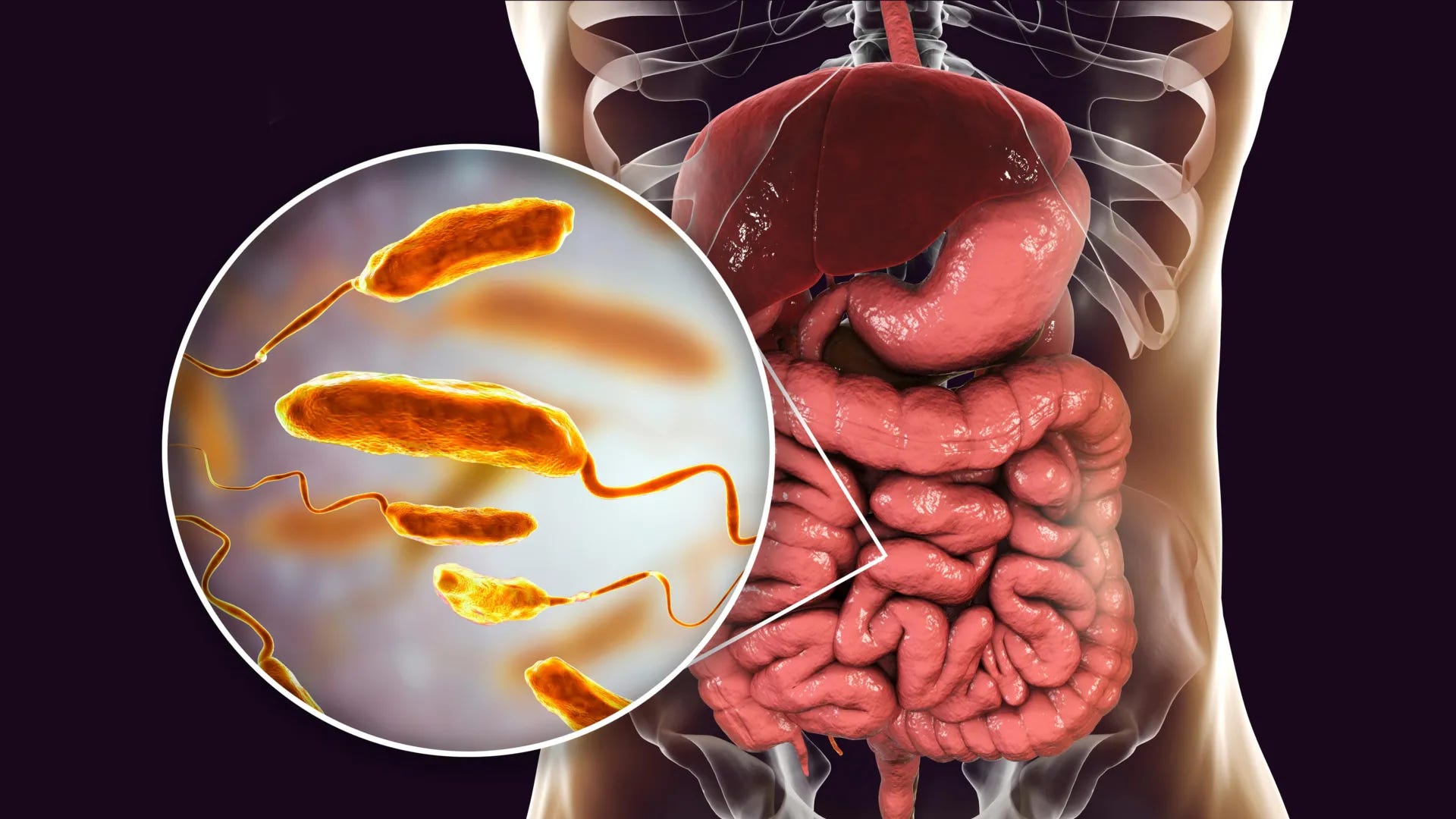
For years, scientists understood how cholera toxin causes diarrhea.
But researchers continue discovering new pieces of the puzzle.
A recent study suggests something fascinating.
The toxin may not only trigger diarrhea.
It may also change how cells lining the intestine process energy.
Researchers found evidence that cholera toxin increases production of a molecule called L-lactate in intestinal cells.
L-lactate is a normal metabolic product produced by human cells.
What’s interesting is that Vibrio cholerae appears capable of using this molecule as a fuel source.
In simple terms:
The infection may be changing the gut environment in a way that helps the bacteria grow.
The pathogen isn’t just causing symptoms.
It may be creating conditions that support its own expansion.
Scientists are still exploring exactly how important this mechanism is in humans.
But it offers a fascinating glimpse into how sophisticated some microbes can be.
They don’t simply invade.
They reshape the environment around them.
One reason cholera remains difficult to eliminate is that it creates the perfect conditions for transmission.
The same watery diarrhea that causes disease also releases massive numbers of bacteria into the environment.
Without proper sanitation, those bacteria can contaminate:
water sources
food
surfaces
allowing the cycle to continue.
This is why cholera is often described not only as a medical problem but also as a water and sanitation problem.
Cholera can begin suddenly.
Signs include:
sudden watery diarrhea
vomiting
intense thirst
dry mouth
weakness
dizziness
muscle cramps
reduced urination
As dehydration worsens, symptoms may progress to:
sunken eyes
rapid heartbeat
low blood pressure
confusion
shock
Severe diarrhea should never be dismissed, especially during an outbreak.
Rain itself doesn’t cause cholera.
But heavy rainfall can:
overwhelm sewage systems
contaminate drinking water
increase flooding
spread bacteria into communities
This creates opportunities for transmission.
Which is why public health officials often increase surveillance during rainy periods.
Water that looks clean isn’t always safe.
Treating, boiling, or properly filtering water can dramatically reduce risk.
Not every case of diarrhea is cholera.
But severe watery diarrhea can become dangerous quickly.
The sooner rehydration begins, the better the outcome.
Many disease-causing microbes are invisible.
Good hand hygiene remains one of the simplest and most effective protective measures.
Cholera reminds us that health isn’t only about what happens inside our bodies.
Sometimes it begins with the water we drink.
The food we eat.
The systems that surround us.
A single bacterium can enter through a cup of contaminated water and, within hours, completely change how the gut functions.
Not by destroying it.
But by hijacking it.
Turning the intestine into a machine that pumps out water faster than the body can replace it.
And perhaps that’s one of the most fascinating lessons in biology.
Some of the most dangerous diseases don’t win by brute force.
They win by persuading our own cells to work against us.
Still learning your body, one signal at a time.
Layo.
If this article clicked with you or made you think of someone, please share it. You might just be helping them hear their own body a little clearer.
Disclaimer: Curious Health is for informational purposes only. It is not intended to replace professional medical advice, diagnosis, or treatment. Always consult a qualified healthcare provider with any health concerns.
No posts
Comments
Nothing yet. Say the first thing.
Sign in to join the conversation.