
Most people think eating is controlled by a simple system.
You get hungry.
You eat.
You feel full.
You stop.
Simple.
At least, that’s how it seems on paper.
But if you’ve ever found yourself standing in front of the fridge after a stressful day, reaching for snacks when you’re bored, craving certain foods when you’re sad, or eating simply because you needed a break from thinking, then you’ve already experienced something most nutrition advice rarely talks about:
Food isn’t always about hunger.
Sometimes it’s about comfort.
Sometimes it’s about control.
Sometimes it’s about escape.
And understanding that might change the way you think about eating altogether.
Think about the last time you craved something specific.
Not food in general.
Maybe chocolate.
Maybe bread.
Maybe fries.
Maybe a cold bottle of soda.
Now ask yourself:
Were you truly hungry?
Or were you tired?
Stressed?
Lonely?
Overwhelmed?
Celebrating something?
Trying to procrastinate?
Many of us grow up believing that eating is simply a biological response to hunger.
But the human brain is far more complicated than that.
The reality is that several systems influence eating at the same time.
And they don’t always agree with one another.
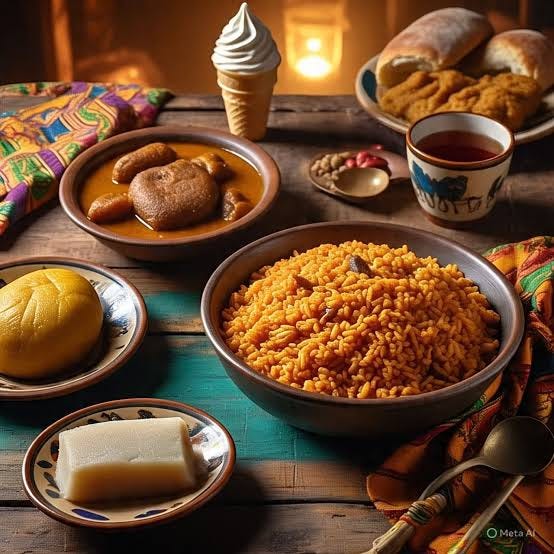
When researchers study eating behavior, they often find that food decisions are influenced by multiple overlapping systems.
Some care about survival.
Some care about pleasure.
Some care about emotional relief.
Understanding these systems explains why a person can be physically full and still feel pulled toward food.
This is the system most people are familiar with.
It involves:
Ghrelin
Leptin
Insulin
The hypothalamus
Its primary job is survival.
Ghrelin increases when your body needs energy and helps create the sensation we call hunger.
Leptin helps communicate that enough energy has been stored and that it’s time to stop eating.
The hypothalamus acts like a central control center, constantly monitoring energy needs.
This system evolved to keep us alive.
Without it, humans would forget to eat or stop eating entirely.
But here’s the thing:
This isn’t the only system influencing your behavior.
This system involves:
Dopamine
The nucleus accumbens
Motivation and reward circuits
While the energy system asks:
“Do we need calories?”
The reward system asks:
“Will this feel good?”
Dopamine is often misunderstood as the “pleasure chemical.”
In reality, it’s more accurate to think of dopamine as a motivation chemical.
It helps create anticipation.
Desire.
Wanting.
It pushes us toward rewarding experiences.
Including food.
Especially foods rich in sugar, fat, and salt.
Which makes sense when you consider human evolution.
For most of human history, calorie-dense foods were difficult to find.
A brain that strongly rewarded finding those foods had a survival advantage.
The problem is that modern food environments are very different from the environments our brains evolved in.
Today, highly rewarding foods are available almost everywhere.
The ancient reward system remains.
The environment has changed.
Then there’s another system.
One that often gets overlooked.
This system involves:
The amygdala
Stress pathways
Emotional memories
Learned coping behaviors
Its goal isn’t energy.
Its goal is safety.
Relief.
Comfort.
Emotional stability.
This is the system that often explains why eating can feel soothing.
Not because food solves problems.
But because it can temporarily reduce discomfort.
And when the brain discovers something that helps reduce discomfort, it tends to remember it.
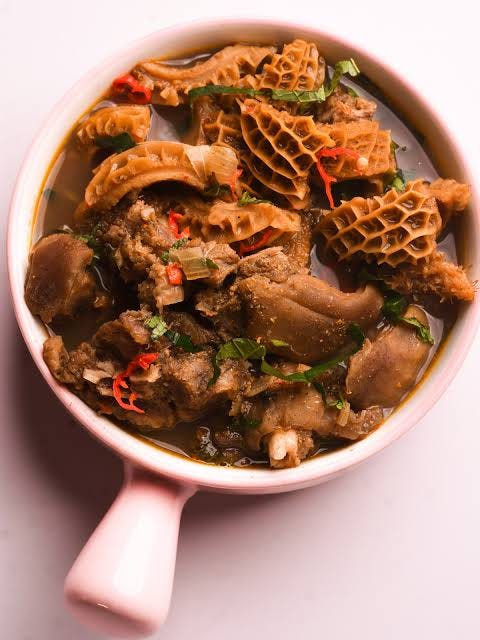
Imagine you’ve had a terrible day.
Nothing catastrophic.
Just one of those days.
The meeting didn’t go well.
Your plans fell apart.
You’re mentally exhausted.
You get home.
And suddenly that tub of ice cream sounds perfect.
Not because your body urgently needs ice cream.
Because your brain needs relief.
Research shows that stress can increase cravings for highly palatable foods, particularly foods rich in sugar and fat.
Part of this involves stress hormones like cortisol.
Part involves dopamine.
Part involves emotional memory.
The brain starts forming associations.
Ice cream becomes more than ice cream.
It becomes comfort.
Relief.
A familiar feeling.
The same thing happens when people crave foods from childhood during difficult periods.
The food itself matters less than what it represents.
Safety.
Familiarity.
A time that felt simpler.
Food can become an emotional bookmark.
A way of returning, even briefly, to a feeling.
This relationship can also move in the opposite direction.
For some people, food becomes less about comfort and more about control.
Life can be unpredictable.
Relationships change.
Work becomes uncertain.
Plans fall apart.
But food?
Food can feel controllable.
Calories can be counted.
Meals can be structured.
Rules can be followed.
And sometimes controlling food becomes a way of creating order when everything else feels chaotic.
This doesn’t necessarily mean someone has an eating disorder.
Many people experience milder versions of this.
The person who feels guilty after an unplanned meal.
The person who becomes anxious when their eating schedule changes.
The person whose self-worth quietly becomes tied to food choices.
What makes this relationship complicated is that it often starts with good intentions.
Health.
Discipline.
Improvement.
But sometimes the desire for health slowly shifts into a desire for certainty.
And food becomes the thing people use to create it.
Perhaps the most common relationship of all.
Food as escape.
You sit down to watch something.
A snack appears.
You start scrolling.
A snack appears.
You feel stressed.
A snack appears.
You aren’t necessarily hungry.
You just don’t want to sit with the feeling.
Food provides something immediate.
A sensory experience.
A distraction.
A break.
For a few moments, attention shifts away from whatever was uncomfortable.
And the brain notices.
That helped.
And because it helped, the brain stores the pattern.
The next time discomfort appears, the urge returns.
Not because you’re weak but because your brain is learning.
One of the most misunderstood aspects of eating behavior is repetition.
People often ask:
“Why do I keep doing this when I know better?”
Because knowing and learning are not the same thing.
The thinking brain and the learning brain operate differently.
Each time eating reduces stress, boredom, loneliness, anxiety, or emotional discomfort, reward pathways become reinforced.
The brain learns:
This worked.
The relief may only last a short time.
But the brain remembers the relief.
And over time, the association grows stronger.
This is how habits form.
Not through weakness.
Through repetition.
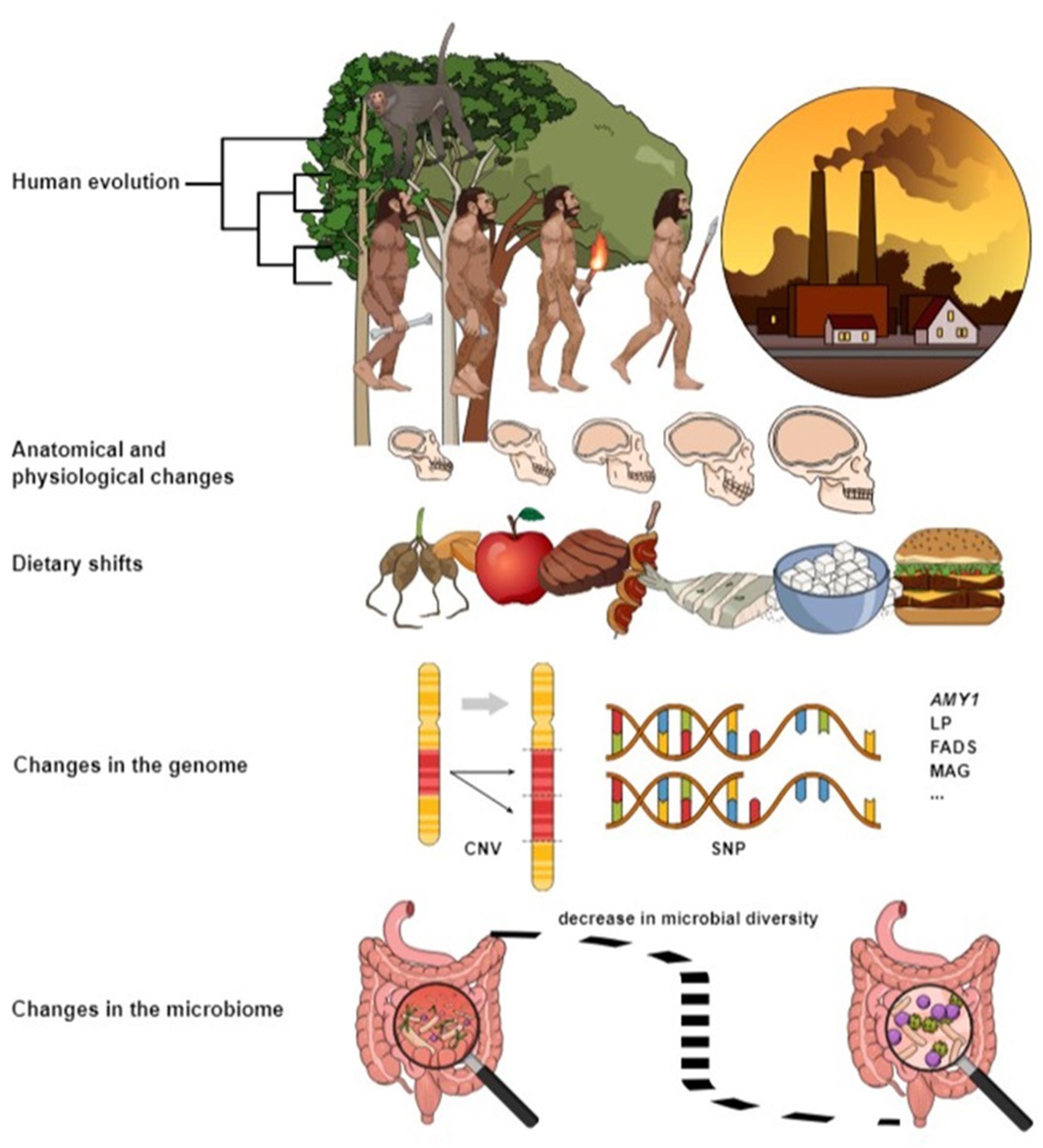
To understand modern eating behavior, we have to understand ancient human survival.
For most of human history:
Food was scarce.
Calories were valuable.
Hunger was a genuine threat.
Energy-dense foods increased survival.
The human brain evolved accordingly.
It rewarded food-seeking behavior.
It encouraged calorie consumption.
It promoted energy storage.
None of these traits were flaws.
They were advantages.
The problem is that the environment changed much faster than the brain did.
Today we live with:
unlimited access to food
food delivery apps
convenience stores
ultra-processed snacks
constant advertising
chronic stress
Ancient survival systems now operate inside a completely different world.
A brain designed to help you survive scarcity is now navigating abundance.
Sometimes awkwardly.
Sometimes unsuccessfully.
Sometimes exactly as it was designed to.
So… Is Emotional Eating Always Bad?
Not necessarily.
This is where conversations about food often become overly simplistic.
Humans celebrate with food.
Mourn with food.
Gather around food.
Comfort each other with food.
Food has always carried emotional meaning.
The issue isn’t that food occasionally provides comfort.
The issue is when food becomes the only tool available.
When every difficult emotion leads to eating.
When every stressful moment requires a snack.
When food becomes the primary solution to emotional discomfort.
That’s when awareness becomes important.
Many people approach eating with one question:
“Should I eat this?”
But another question is often more useful:
“What am I looking for right now?”
Food?
Comfort?
Relief?
Connection?
Stimulation?
Rest?
Distraction?
Because sometimes the body is asking for calories.
But sometimes the brain is asking for something else entirely.
And recognizing the difference can be surprisingly powerful.
Not just what you’re craving.
What happened before the craving appeared.
Stress?
Boredom?
Fatigue?
Loneliness?
Patterns often reveal more than willpower ever will.
Not to stop yourself.
Just to observe.
Sometimes a craving disappears.
Sometimes it doesn’t.
Either outcome teaches you something.
Food can absolutely be comforting.
But it doesn’t have to be the only option.
Sometimes what you’re actually seeking is:
rest
conversation
movement
distraction
connection
a break from decision-making
The wider your toolkit becomes, the less pressure food has to carry.
Maybe the question isn’t:
“Why am I eating so much?”
Maybe the more useful question is:
“What is the food doing for me in that moment?”
Because sometimes the body is asking for calories.
But sometimes the brain is asking for comfort.
Or relief.
Or familiarity.
Or simply a pause from whatever feels difficult.
And understanding the difference is often where awareness begins.
Before you leave, here’s something worth reflecting on:
Is there something you’ve been consuming almost automatically lately?
Sugar?
Bread?
Soda?
Fries?
Rice?
Energy drinks?
Maybe not because you’re hungry, but because it’s become part of a routine, a comfort, or an escape.
What would happen if you stepped away from it for 30 days?
Not as punishment.
Not as a diet.
Just as an experiment.
A chance to observe your relationship with it.
Because health isn’t about becoming afraid of food.
And it isn’t about food controlling your life either.
Food is one of the most powerful tools we have for nourishment, energy, enjoyment, and connection.
The goal isn’t to become a slave to food.
The goal is to learn how to use it well.
Still learning your body, one feeling at a time.
Layo.
If this article clicked with you or made you think of someone, please share it. You might just be helping them hear their own body a little clearer.
Disclaimer: Curious Health is for informational purposes only. It is not intended to replace professional medical advice, diagnosis, or treatment. Always consult a qualified healthcare provider with any health concerns.
No posts
Comments
Nothing yet. Say the first thing.
Sign in to join the conversation.