
There is a strange and genuinely wonderful thing happening in cinemas right now.
For years, the trip to the pictures became increasingly streamlined. Buy the ticket on an app. Scan a QR code. Order food from a screen. Watch the trailers. Go home. The whole experience got quicker, cleaner and about as romantic as renewing your car insurance.
Then, somewhere along the way, cinemas remembered that filmgoing is supposed to feel like an event.
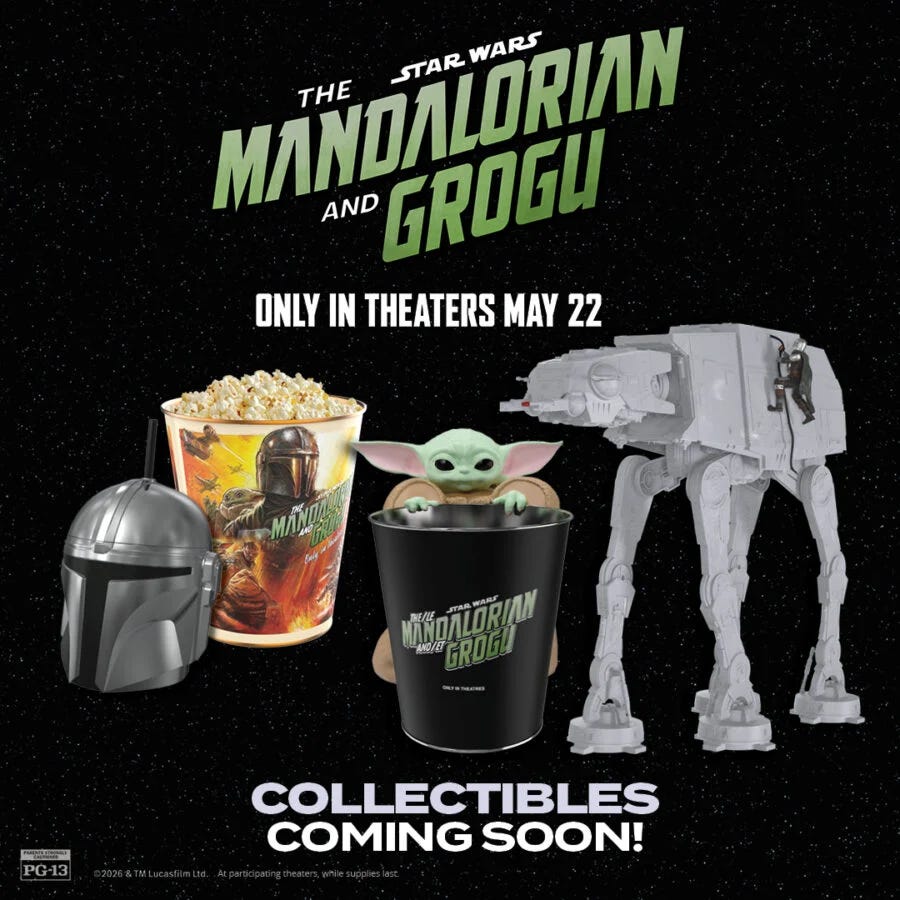
Enter the collectible popcorn bucket.
Not merely a cardboard tub with a film logo on it, either. We are now getting plastic spaceships, character heads, castles, handbags, monsters, cars, helmets and objects so impractical you wonder whether they were designed by a marketing department or a group of children locked overnight in a branch of Smyths.
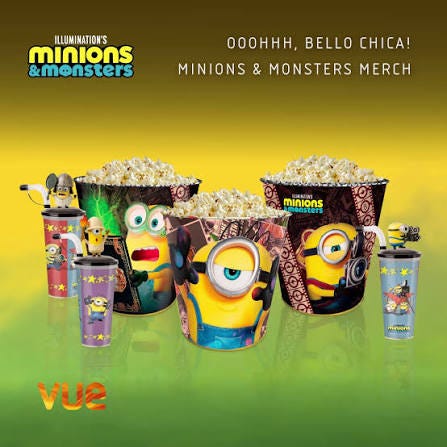
Vue is currently pushing film-themed cups and buckets for releases including Spider-Man: Brand New Day, Moana, Toy Story 5 and The Mandalorian and Grogu, while Cineworld’s Toy Story 5 bucket is being sold with popcorn for £12.99. At the higher end, collectible cinema merchandise has become serious business: Screen Daily recently reported that Cineworld’s Yoshi popcorn bucket for The Super Mario Galaxy Movie sold out at £34.99.
And frankly, I love that this stuff exists.
A cinema should sell memories as well as Maltesers. There is something reassuringly old-fashioned about leaving a screening with a physical reminder that says: I was there. I saw it when it mattered.
The problem is not the buckets.
The problem is that the buckets may be all we have left.
Back in the 1970s, 80s and 90s, a major film release did not simply arrive at the cinema. It moved into your house.
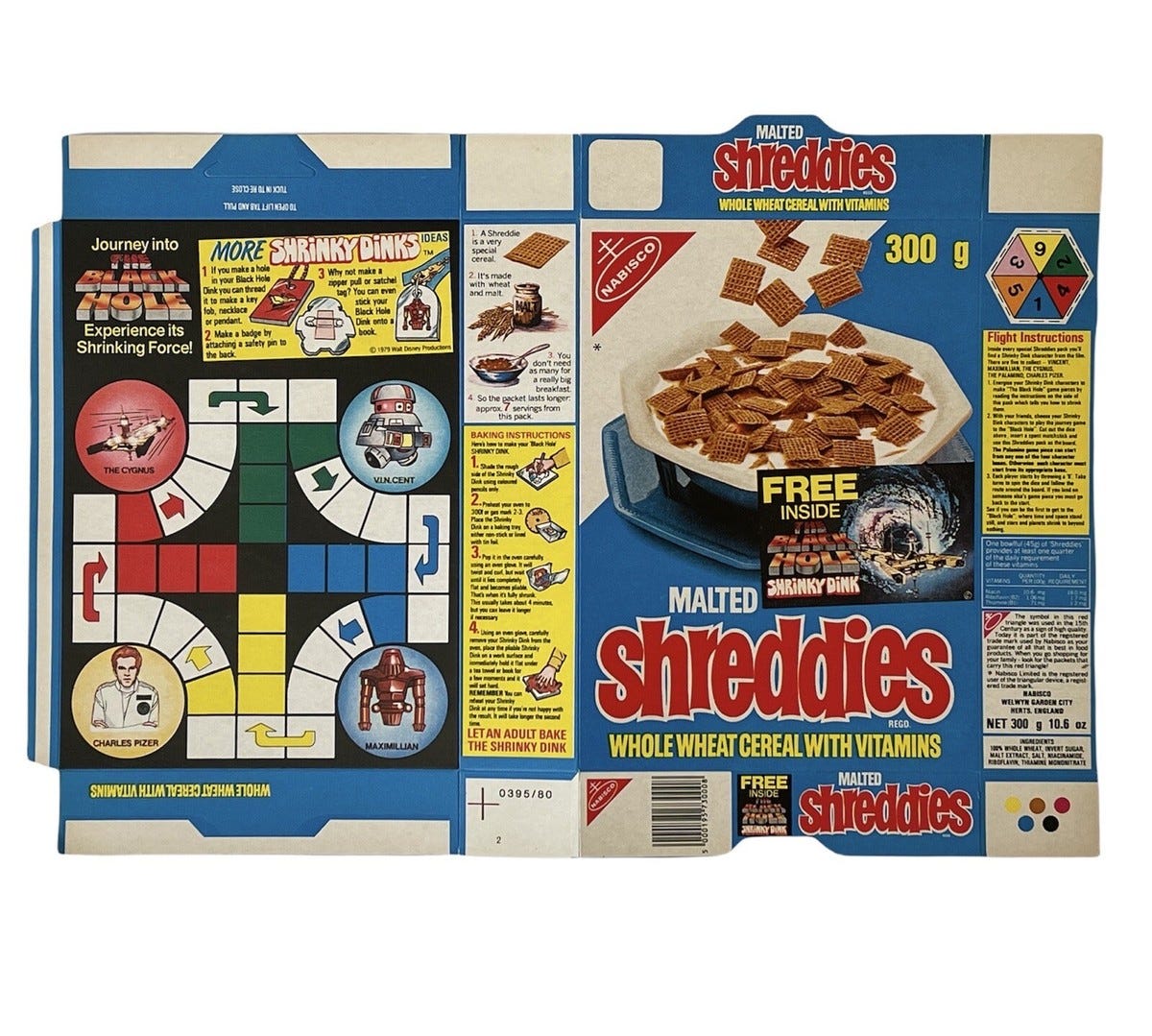
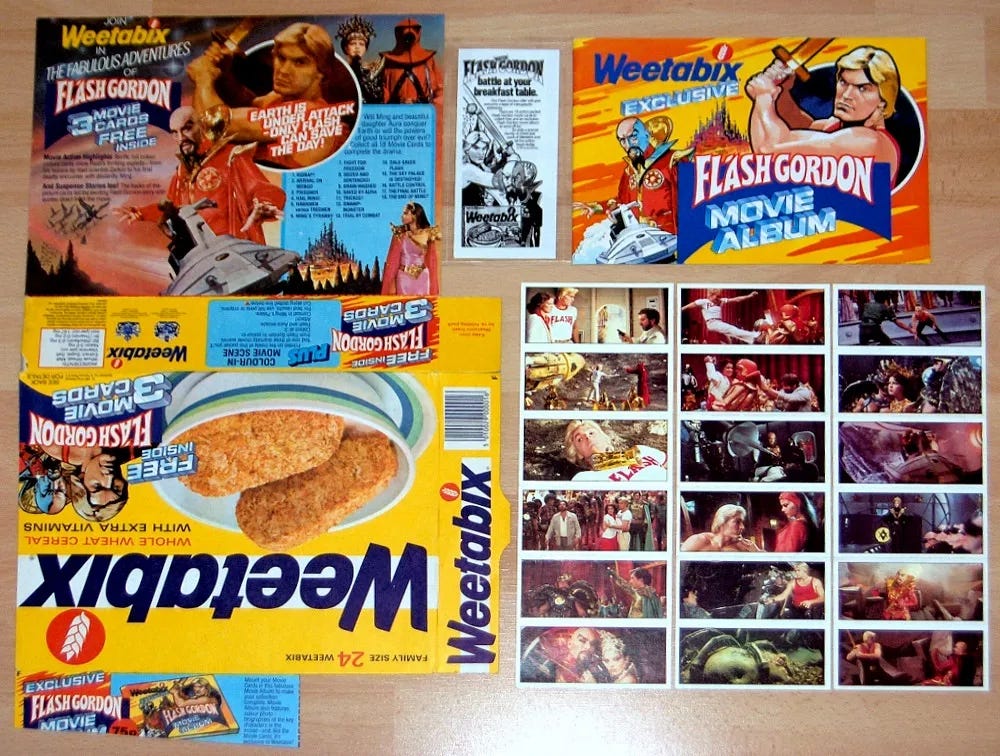
It was on the cover of magazines. It was in the toy shops. It was on your lunchbox. It was printed on the back of a cereal box. It came free with crisps, appeared in a fast-food promotion, turned up as a transfer, a sticker, a trading card, a poster, a badge or some tiny bit of plastic that would eventually be found beneath your bed twenty years later.
You did not have to be a devoted collector to get involved. You just had to eat breakfast.
There was a glorious democracy to it.
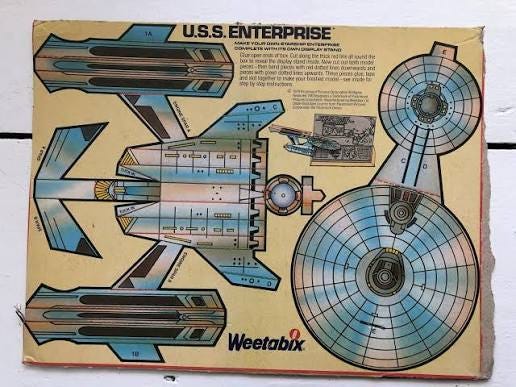
A child could find a plastic toy in a box of cereal, cut out a coupon, collect tokens or persuade their parents that the family absolutely needed another packet of something they did not particularly like because it came with a Superman card, a Ghostbusters sticker or a bit of cardboard that might eventually become part of a spaceship.
There were cereal-box film promotions for everything from Jaws 3-D to Superman III, with prizes that ranged from game cards to 3-D glasses.
Were they always brilliant? Of course not.
Some of them were tat. Some were tat that barely survived the journey from the packet to the kitchen table. Some were so cheaply made that you could probably defeat Darth Vader by breathing on him too heavily.
But that was not really the point.
The point was that films became part of everyday life.
You did not need £35 spare for a premium collectible. You needed a bowl, some milk and the willingness to search through several inches of cornflakes like Indiana Jones at an archaeological dig.
The best film promotions understood something modern marketing often forgets: anticipation is part of entertainment.
A big release used to build slowly.
You would see the trailer. Then the poster. Then the toy. Then the cereal promotion. Then the magazine feature. Then somebody at school would bring in a sticker album or a little plastic figure you did not have. By the time the film arrived, you had already spent weeks living in its world.
That is why Star Wars, Ghostbusters, Batman, Teenage Mutant Ninja Turtles, Back to the Future, Jurassic Park, The Lion King and so many others felt bigger than just films.
They were not merely releases. They were seasons.
Cinema chains today are trying to recreate a little of that with collectible buckets, and they deserve credit for it. A good bucket can give a screening a sense of occasion. It can turn opening weekend into something more tangible than a social-media post that vanishes before you have finished your popcorn.
But there is an obvious difference between a £12.99 bucket and a free item in a packet of cereal.
One is merchandise.
The other was participation.
The modern bucket boom is rooted in a sensible idea. Cinemas need ways to make a visit feel special, particularly when audiences can wait a few weeks and watch many films from their sofa.
Physical memorabilia does that.
The more inventive the item, the more it spreads online. The infamous Dune: Part Two sandworm bucket was not just a container for popcorn. It became a news story, a joke, a collector’s item and, somehow, a warning that perhaps not every idea needs to leave the meeting room.
That is valuable publicity. It gets people talking about the cinema again.
But it has also created a new problem: film tie-ins have become increasingly exclusive.
The old approach said, “Here is a little piece of the film for everyone.”
The current approach often says, “Here is a limited-edition plastic object for £25, while stocks last.”
That is not inherently wrong. Collectors deserve nice things, and nobody is forcing anyone to buy a popcorn bucket shaped like a Trojan horse or Castle Grayskull.
Still, there is a difference between treating audiences like fans and treating them like a revenue stream with pockets.
The old movie tie-in was often cheap, cheerful and everywhere.
The new one is usually expensive, limited and designed to sell out.
The disappearance of those everyday tie-ins is not just about films. It is part of a wider shift.
Look at tea cards.
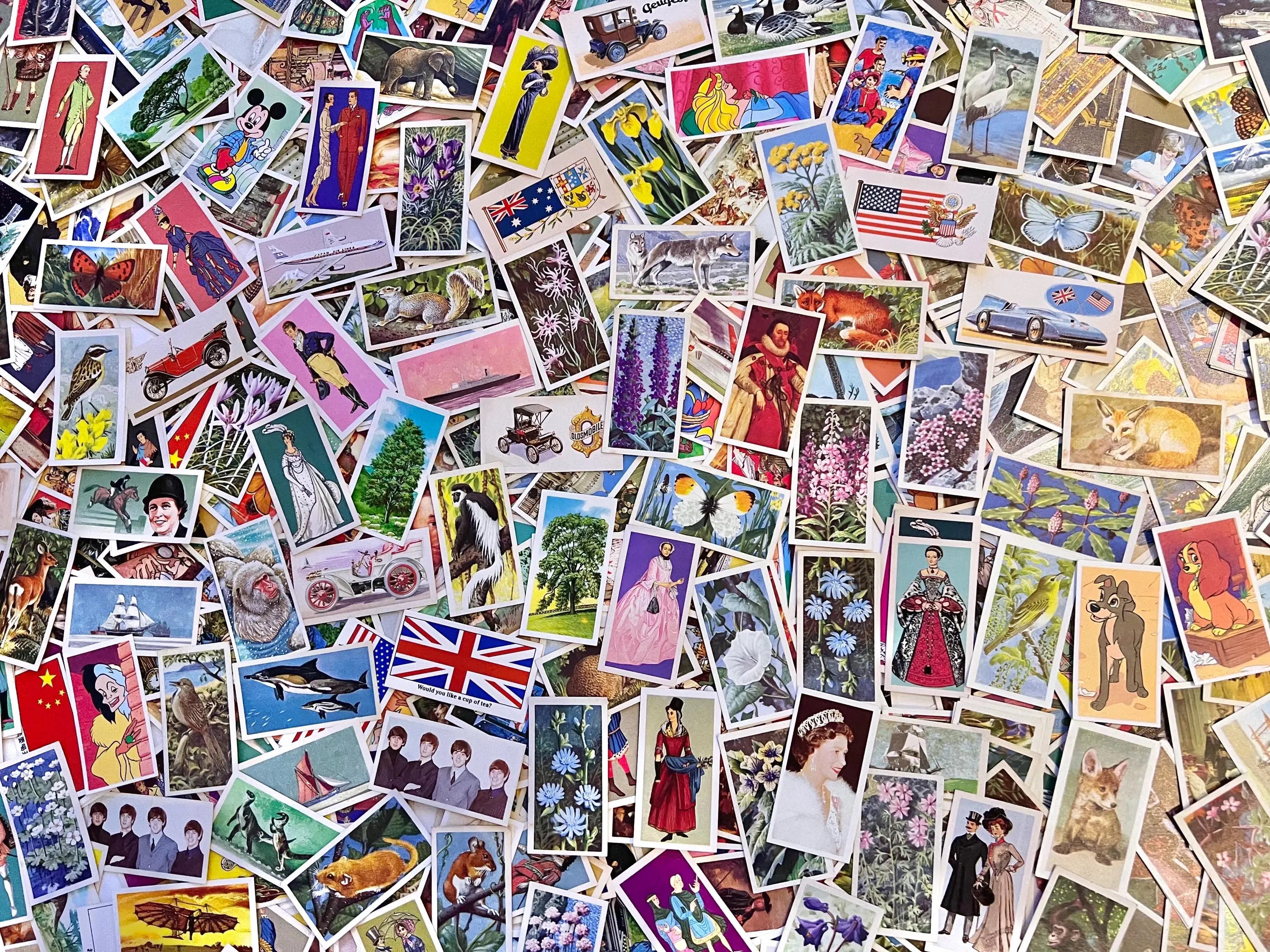
For generations, Brooke Bond and PG Tips cards were part of British family life. You collected them, filled albums and learned something almost by accident. Wildlife. History. Space. Transport. The sort of knowledge that entered your brain because you wanted the next card, not because a teacher told you it would be on the test. Brooke Bond’s tea-card promotions ran for decades, creating a culture of collecting that is now mostly remembered through old albums, car-boot finds and eBay listings.
That kind of thing has largely disappeared.
Perhaps it is because of costs. Perhaps it is health-and-safety rules. Perhaps it is packaging regulation, logistics, environmental concerns or the fact that brands would rather send you to a QR code than put something physical in the box.
Probably, it is all of the above.
But we have lost something in the process.
A QR code is not a prize.
A digital wallpaper is not a collectable.
And an app-based competition does not have the same thrill as hearing a bit of plastic rattling around in the bottom of a cereal packet.
The answer is not to get rid of collectible buckets. Keep them. Some of them are terrific. Some are ridiculous. The ridiculous ones are often the best ones.
But cinemas and studios should think bigger.
Bring back affordable film tie-ins that ordinary families can actually enjoy.
Give us film cards with kids’ meals. Put limited-edition mini posters in magazines. Partner with cereal brands for sticker sheets, character cards or little buildable models. Bring back collect-and-send-off promotions. Create cinema loyalty cards that reward repeat visits with physical items, not just another percentage off a hot drink.
And for heaven’s sake, let the items be fun.
Not “premium lifestyle merchandise.”
Fun.
A slightly dodgy plastic mini-figure. A cardboard mask. A set of stickers. A transfer that ruins your school jumper. A flimsy bit of film memorabilia that becomes priceless because you remember exactly where you got it.
That was the magic.
The current popcorn-bucket craze proves that audiences still want a physical connection to the films they love. We have not outgrown collecting. We have not outgrown souvenirs. We have not outgrown the feeling of bringing a little piece of the cinema home with us.
We have simply made it too expensive, too polished and too rare.
Give us the buckets, by all means.
But give us back the cereal-box magic as well.
Comments
Nothing yet. Say the first thing.
Sign in to join the conversation.