
If you wanted to see a video call, you’d watch Star Trek. If you wanted terror about AI, you’d watch 2001 or Terminator. Anything we take for granted from reusable rockets and conversations with robots to the possibility of colonies on Mars… they were restricted to science fiction movies, games, and novels. Science fiction was where humanity’s dreams went, waiting for the passage of time to catch up to them.
I never expected to catch up to them in my time.
So, this has left me wondering (which, of course, made me think it would be a good SciFi Camp article); So what actually happens when reality catches up?
This month at SciFi Camp we’re talking about the state of science fiction, and I’m curious my own self, if we’ll discover the genre has truly lost its sense of wonder.
But before we get to the doom and gloom, we need to acknowledge that the definition of Science Fiction might be truly flawed. To many, science fiction is about predicting the future, or in some contexts, imagining a better future. Still to others it’s a prophetic warning of our own demise. And to others, it’s a cheat sheet for what the next gears or gizmos (thanks 3PO, but he took a glancing turbolaser hit; he’ll need more than just a gear or gizmo) will look like.
Remember when talking to someone across the world with live video was (depending on your age) either impossible or extremely complex? I know it’s a trite example at this point, but my phone literally does that for free. My phone is a handheld computer with the power to emulate human speech, translate spoken language in real-time, and let me doomscroll Substack.
All of that is amazing, of course, but the point I want to make is, science fiction really struggles with predicting how technology changes us.
Going back to our trite example of smartphones. Science fiction saw them as utilitarian tools. These devices are the tool needed to get humanity connected and working its way forward.
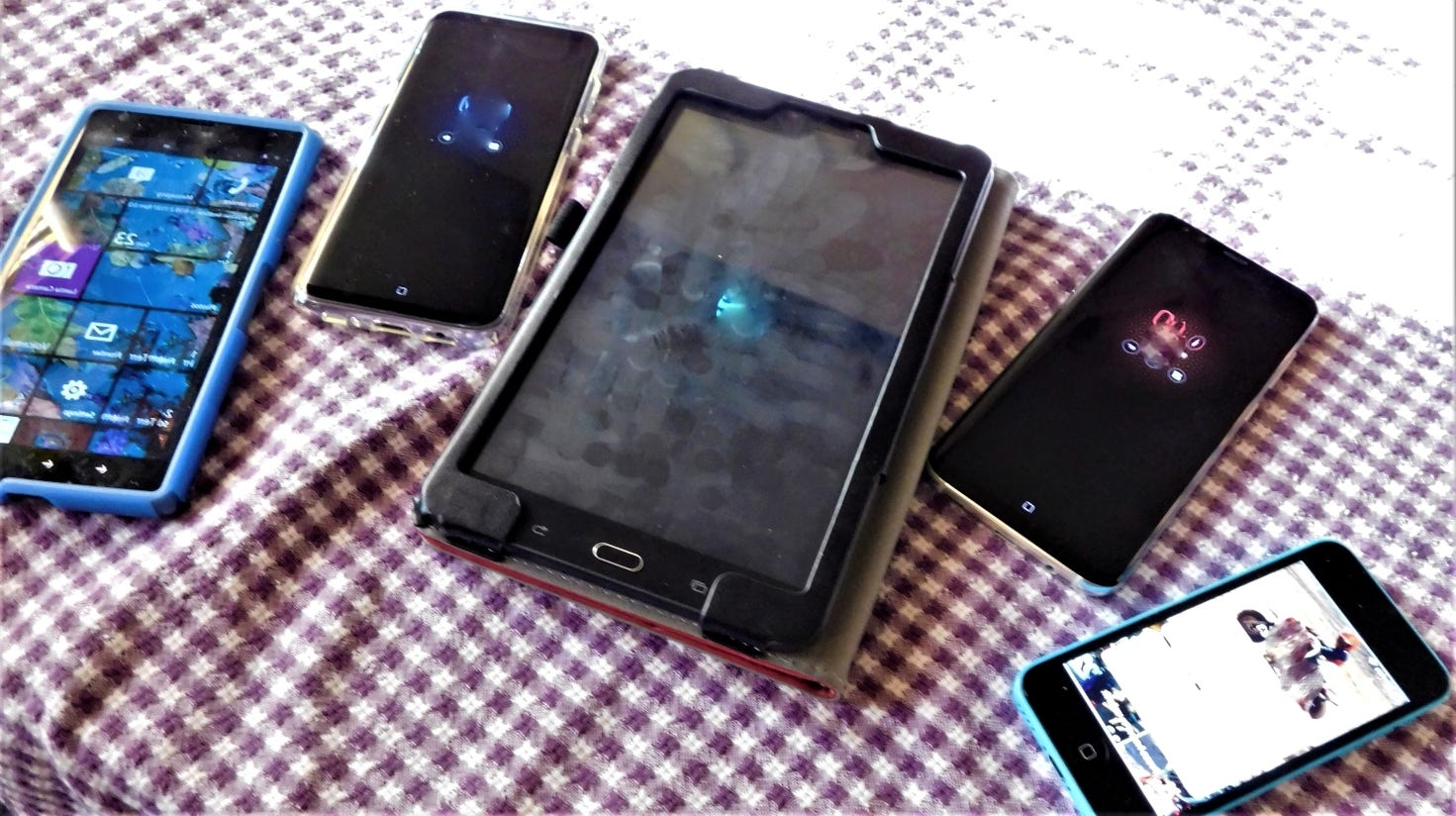
It didn’t predict (note: I am talking prediction, not vaticinium ex eventu, like Black Mirror) we’d use the devices to nullify boredom (being bored is good), or that we’d lose the ability to navigate and need them to give us directions to our nearest diarrhea session Taco Bell. Or, most absurdly, it never imagined our communicator would be the most expensive flashlight we’d ever own.
The predictions of technology were close, but the predictions of human behavior weren’t. That’s true, over and over again.
Does that mean science fiction is running out of ideas? I don’t think so. In fact, the opposite might be true. I think the ‘frontier’ has just moved.
For most of the twentieth century, science fiction asked, “Can we build this?”
Now, we’re increasingly asking, “Should we?”
Look at our world: artificial intelligence, gene editing, autonomous weapons, commercial spaceflight, even social media … these aren’t futuristic thought experiments anymore; these are today’s headlines.
Science fiction has always been at its best when it helps us think through the consequences of new ideas before we’re forced to live with them. Today, the gap between invention and reality is so narrow that writers have to sprint just to stay in contention.
So, I think that changes the job of the genre.
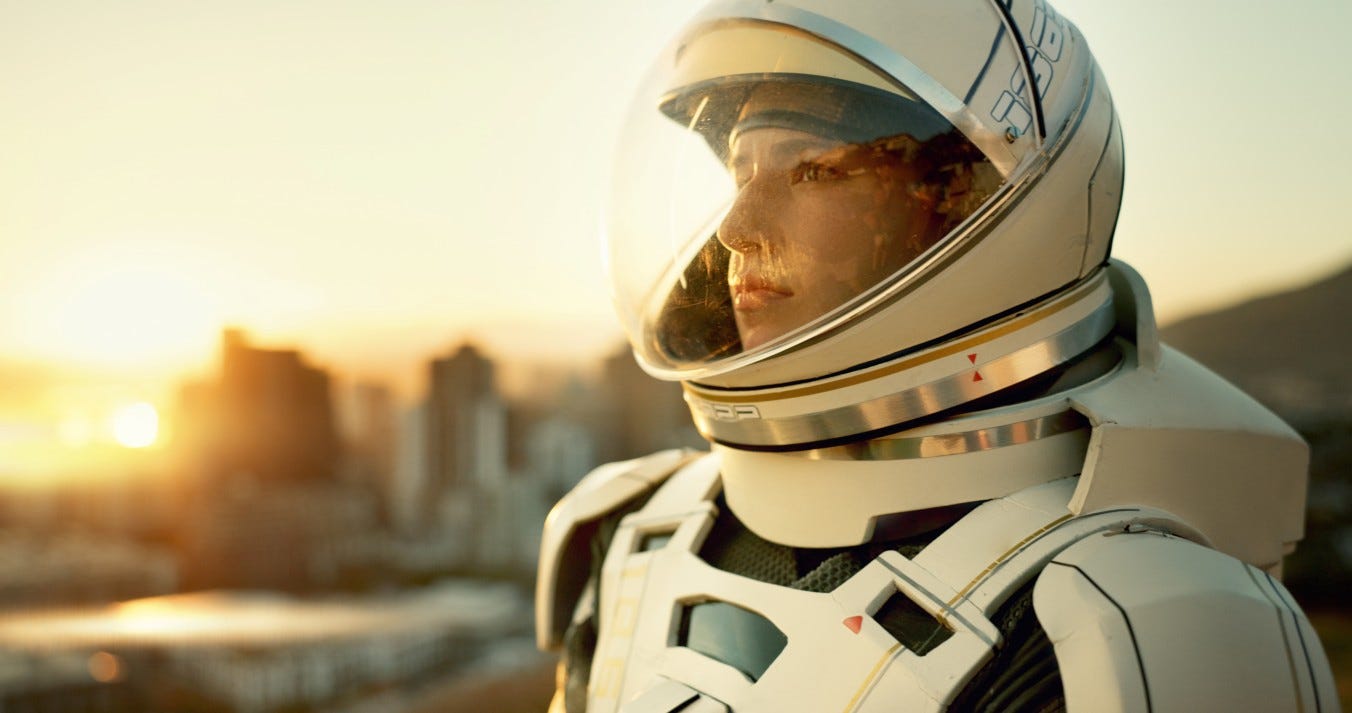
Here’s what gives me hope (and as a father of three, I need some hope). Science fiction has never really been about predicting gadgets. It’s actually always been about the people.
You see, Jules Verne wasn’t really writing about submarines, and Issac Asimov wasn’t really writing about robots. No, they were using tomorrow to help us understand today, and that’s why their stories stand the test of time, even today (and why we don’t guffaw at their imagined technology).
They understood what makes science fiction succeed; it’s not guessing the future correctly, it’s about understanding humanity. And, humanity, well, we’re still frustratingly unpredictable.
The biggest questions aren’t technological anymore; they’re philosophical. Science fiction has always moved the goalposts. Every time reality catches up, the genre asks a new question. That’s what keeps it alive.
As we continue our August series on the State of Science Fiction, we’ll be exploring those questions together. I want to talk about optimism versus dystopia, and if modern science fiction has become too cynical. Is trading exploration for social commentary making us lose what made us fall in love with science fiction in the first place?
But today, I want to leave you with this one question: what piece of science fiction from your childhood is no longer science fiction?
And maybe one banger to get the grey cells flowing: what science fiction idea do you think today’s kids will one day take completely for granted?
Comments
Nothing yet. Say the first thing.
Sign in to join the conversation.