
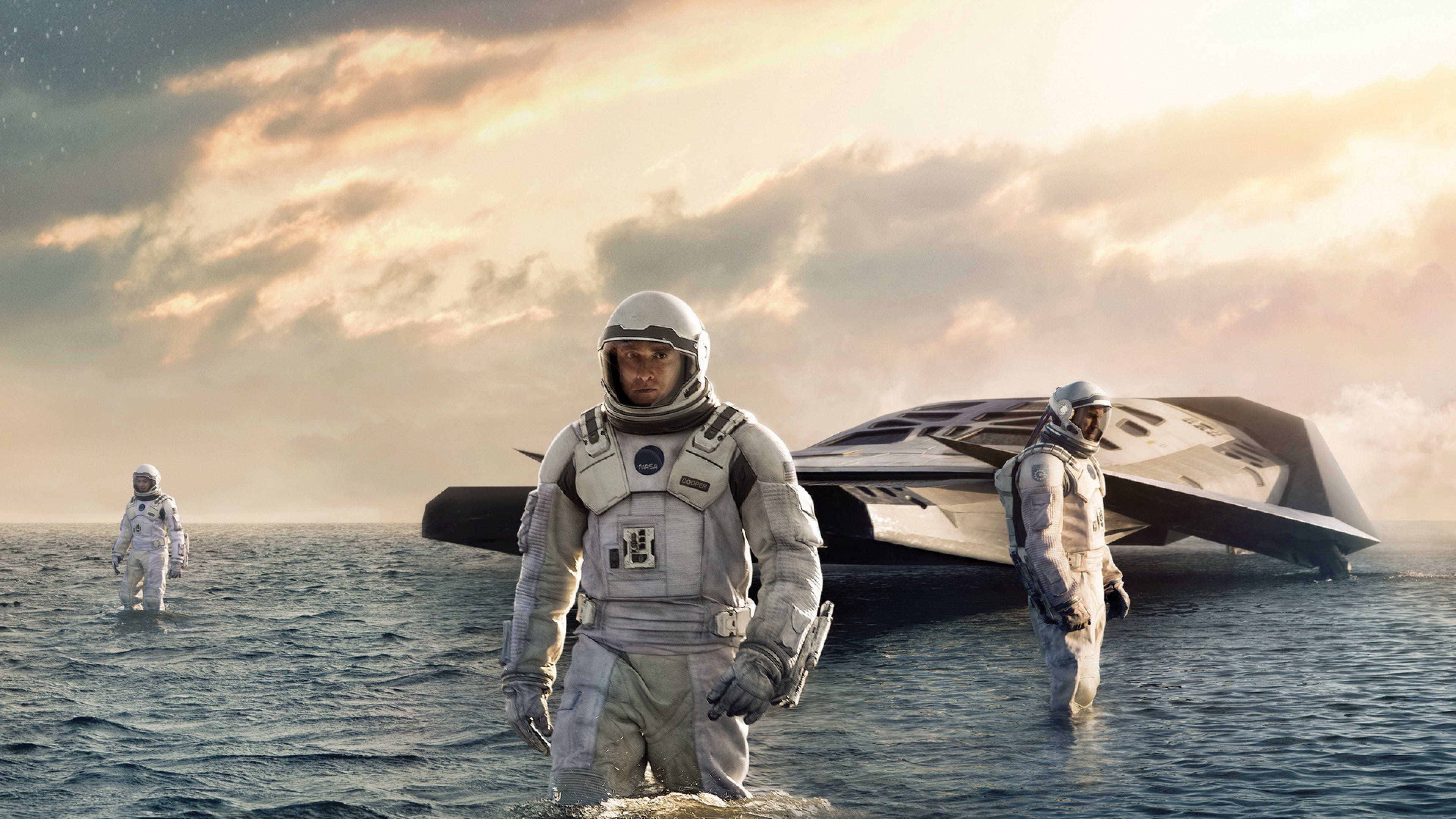
During the month of August, here at SciFi Camp, among our other posts and conversations, I want to look at the state of science fiction: where the genre is today, where it seems to be going, and what we still want from it.
During this month, we’ll be talking about the optimistic future and the dystopian ones, both in original stories and established franchises. I want to look at artificial intelligence, social commentary, and whether science fiction has lost some of its sense of wonder. Including, the science fiction that isn’t even science fiction at all anymore.
So, naturally, we should begin with some contention. And I decided to start with the contention between “hard” science fiction and “soft” science fiction.
On one side, we have stories filled with orbital mechanics, engineering diagrams, and the Andy Weir’s of problem solving. In these stories acceleration, gravity, and distance matter. If you don’t develop a plausible explanation for how, then you should really end up with your characters smeared across the rear bulkhead (that would be a short book, lol).
Then we have the stories that are more concerned with characters, cultures, politics, religion, and quite frankly, what just being human means … but in space. In these stories, the author doesn’t ruminate on the how as much as the why. These stories don’t care how gravity works, or use implausible amounts of power, and are able to traverse at the speed of plot.
At least, that’s how the separation usually falls when I look at the community. Now, there are very few readers (and authors, for that matter) who draw a line and say “I will only read/watch/consume hard SciFi” and there are equally few who dig in for “Soft SciFi” — but maybe we’re really using the wrong words to describe the difference in the first place?
Hard science fiction generally emphasizes things like accuracy and technical plausibility. If we wanted to actually build this, how might we do it? What limitations would we have? What problems do we need to overcome to do it?
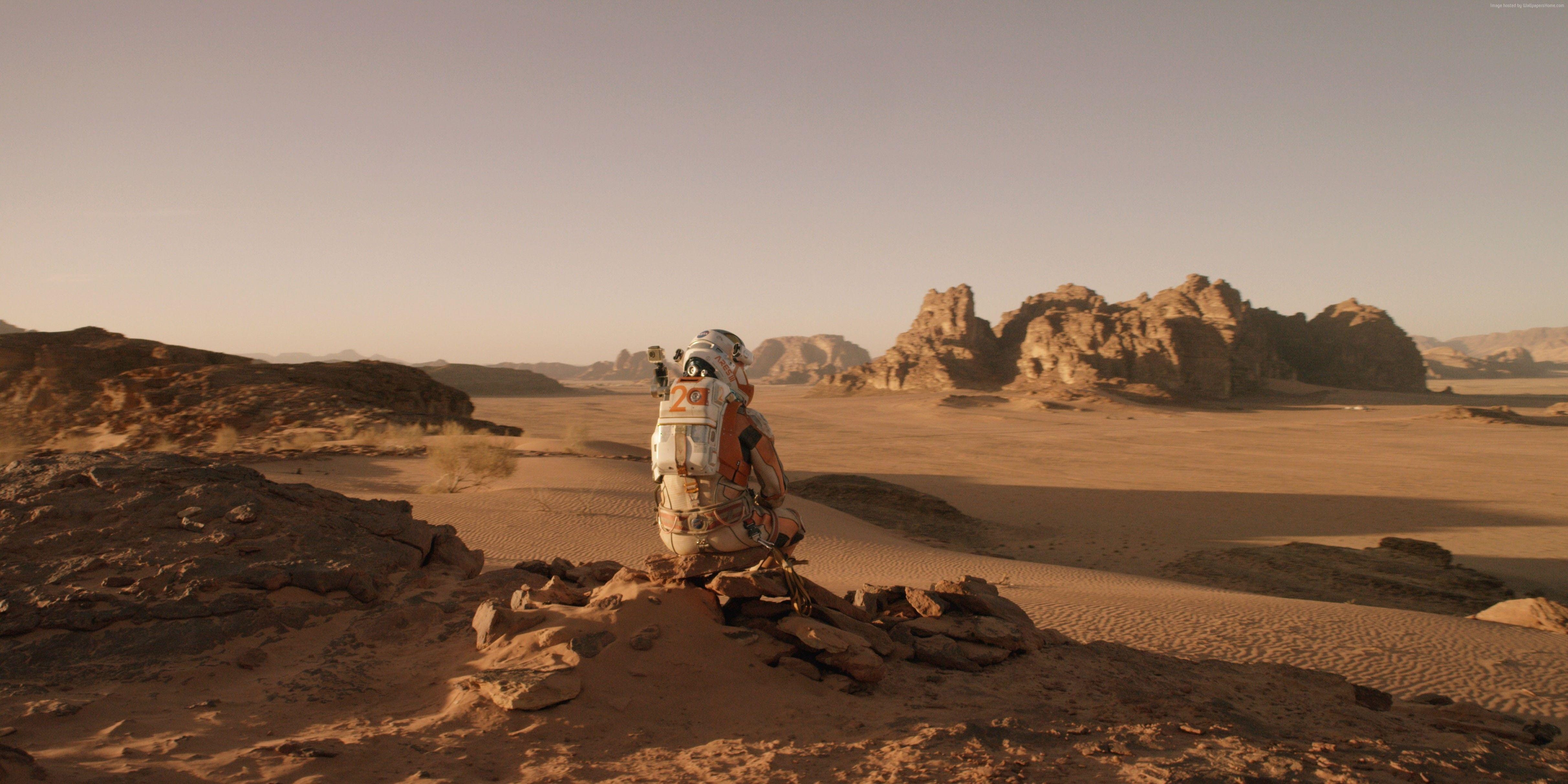
Andy Weir’s The Martian is probably one of the most familiar modern examples, and one that I reach back to quite a lot, but it’s a good example because its set so close in time to now, we can comprehend the maths and physics being used. So, in the story when Mark Watney is confronted with one technical problem after the next, we recognize the process he’s going through to solve them. Even if we ourselves are not astro-physicists ourselves (or botanists), we recognize the truth in what he’s saying. He takes the time to spell out the maths, to really attack the problem at hand, and we can follow the logical steps to the conclusion. But, The Martian was written to be a book about problem solving … in space!
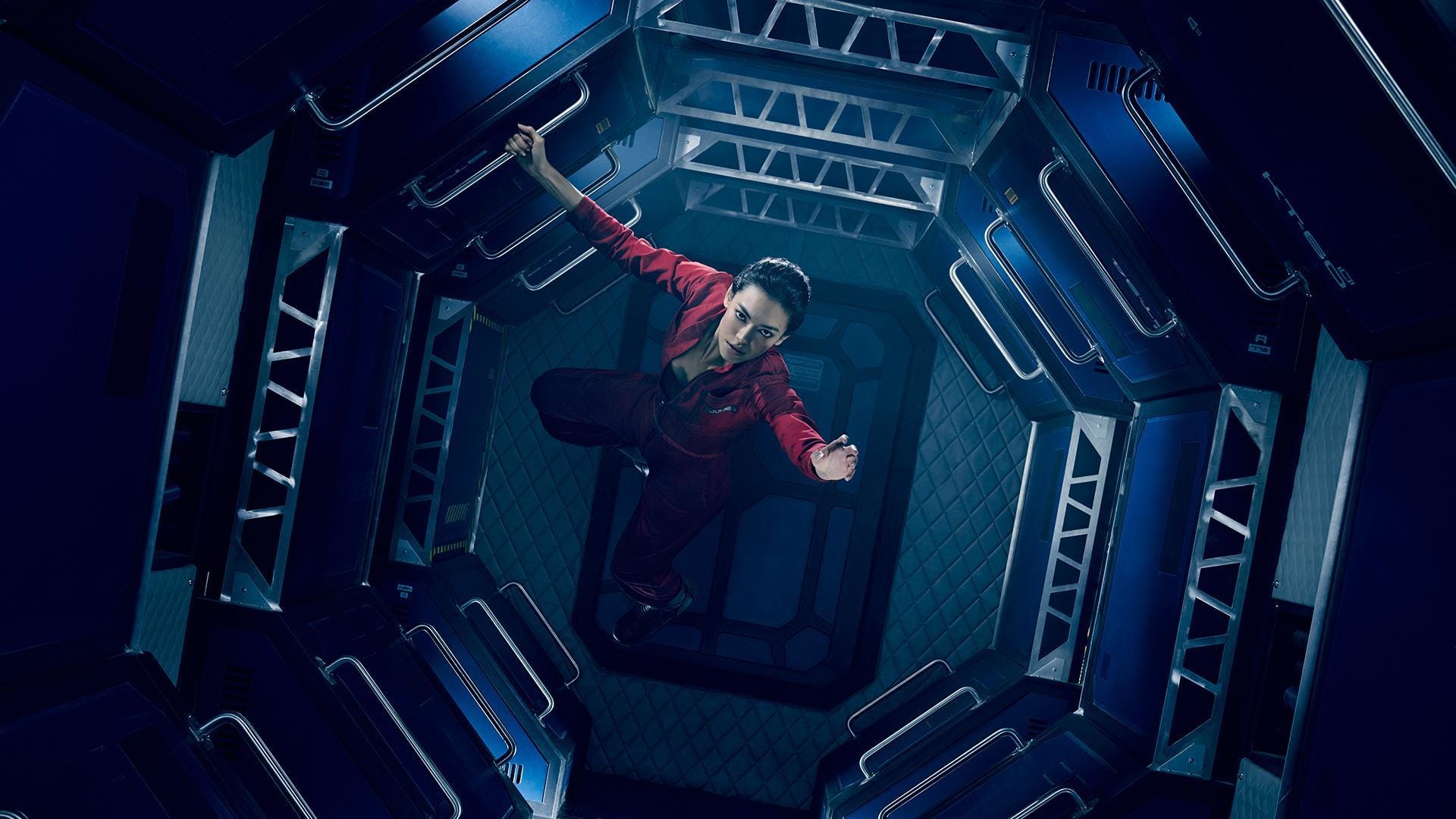
So, what about The Expanse? The show (I have yet to read the novel, so bear with me) leans into the hard SciFi experience. The ships do not maneuver like airplanes, the ships only have gravity during acceleration, and long distance travel takes time (with a few ‘special’ concessions). The Expanse is one of the few shows/movies that actually makes space feel vast, hostile, and unforgiving — instead of just a black ocean with conveniently placed breathable islands with coconuts.
Of course, The Expanse also contains mysterious alien technology capable of doing things that takes our current understanding of physics out back and shoot it … so, not hard SciFi in a purest sense.
That is the first problem with treating “hard” and “soft” as two completely separate categories. Most science fiction does not sit neatly inside one box. It exists somewhere along a spectrum, and it may move up and down that spectrum depending on which part of the story we are discussing.
Hard science fiction is allowed to speculate. It has to be, or it would just be a Jane’s technical manual. The “fiction” part of science fiction still requires the author to make a leap beyond what we can currently build or prove. The difference is often in how carefully the story constructs the need for suspension of disbelief.
Soft science fiction is usually less concerned with exactly how the machinery works, instead, it tends to focus on fields such as sociology, psychology, anthropology, politics, economics, and culture.
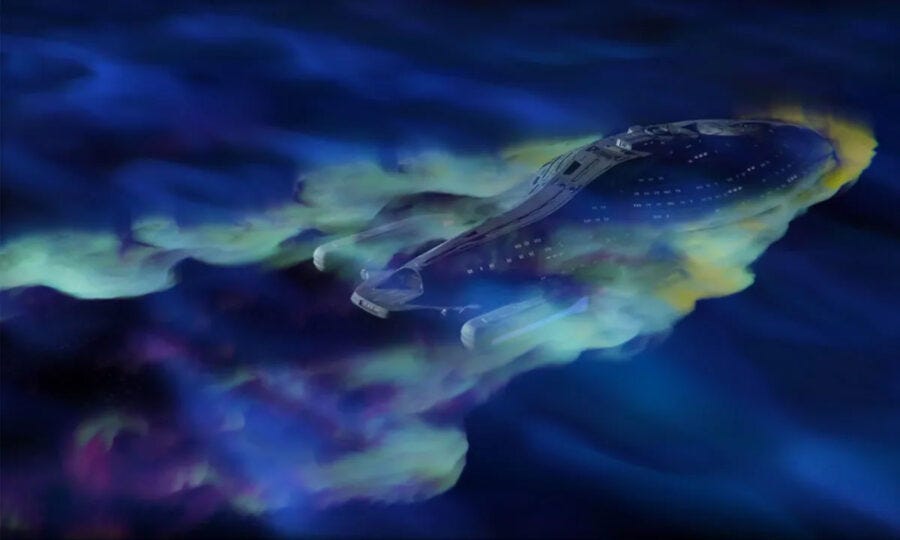
Star Trek is a good example. The franchise has always loved scientific language, but its science regularly consists of technobabble, fictional particles, reversed polarities, and whatever glowing gel or plexiglass Chief O’Brien has to repair this week. The technology is important, but it is usually there to create an ethical, political, or social problem for the crew.
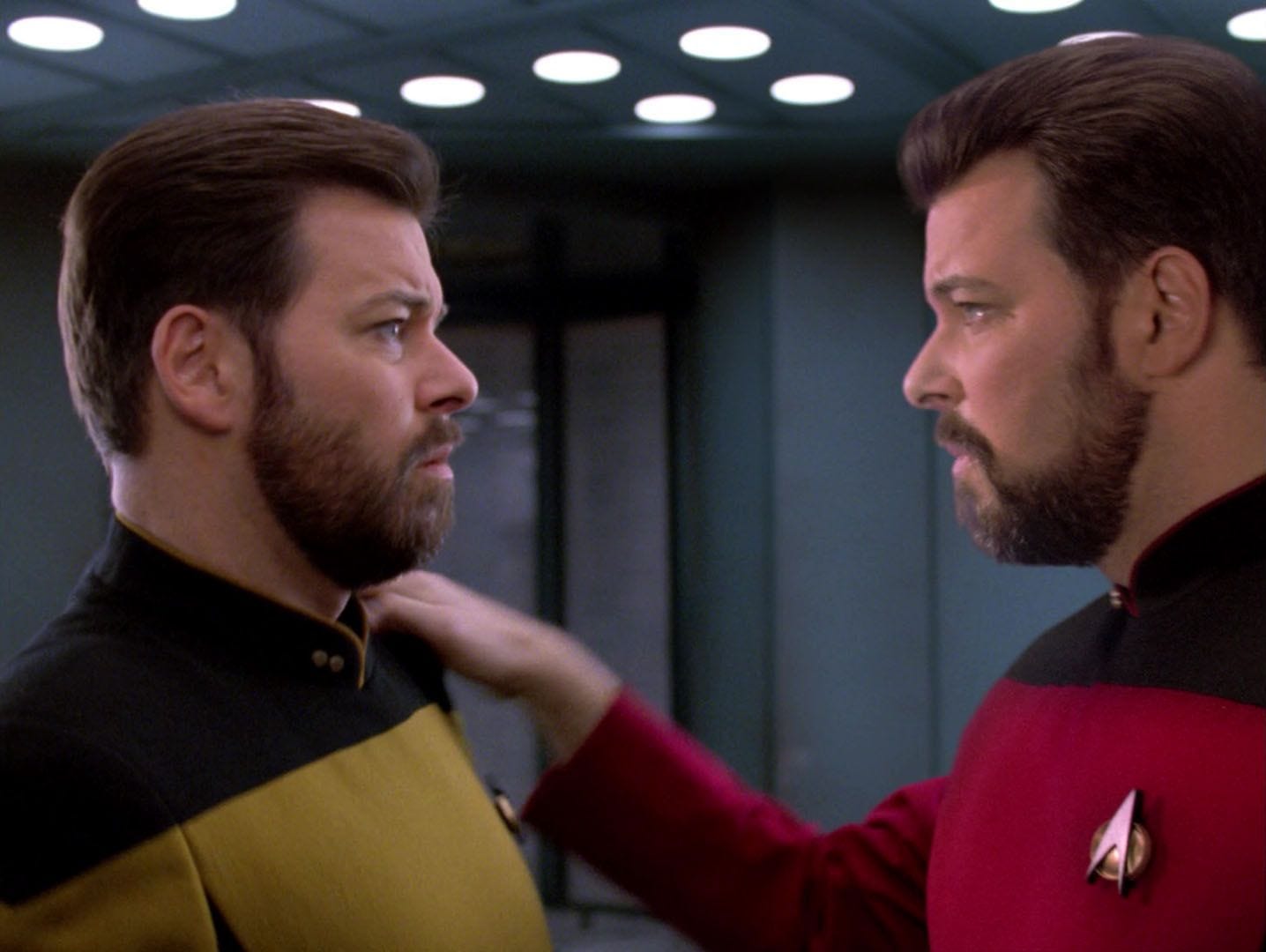
The transporter does not need to be technically possible for a story to ask whether Thomas is a real person, or what would an evil alter-ego of our hero look like.
Likewise, Dune does not spend much time explaining the engineering behind its shields, ornithopters, or interstellar travel. Instead, it spends its considerable run time talking about ecology, religion, colonialism, economics, political power, and myths. Its machinery may be speculative, but its examination of how people build and manipulate institutions is anything but.
Calling that kind of science fiction “soft” can sometimes sound dismissive, as though calculating a spaceship’s fuel consumption is serious work while constructing the politics of an interstellar civilization is not. But sociology can be rigorous. So can psychology, economics, linguistics, history, and anthropology.
A story can get human nature wrong just as easily as a story can get orbital mechanics wrong — and depending on the story, either one being wrong could be devastating to the plot.
Some fans treat hardness like a ranking system. A story with realistic orbital mechanics is considered intelligent, mature science fiction, whereas, a story with faster-than-light travel, psychic powers, or suspiciously convenient artificial gravity gets dismissed as “science fantasy.”
Sometimes that criticism is fair. A story that establishes scientific rules and then ignores them whenever the plot demands it is lazy writing. If your ship cannot survive a particular maneuver in episode four, it should not perform that same maneuver without a problem in episode eight (and, as a writer I would ask why you even introduced that limitation).
You see, a perfectly calculated and constructed ship placed inside a shallow and incoherent society is not better. Just because “the math checks out” does not automatically make the story smarter than an impossible spacecraft used to explore a carefully constructed civilization. Knowing exactly how your fusion drive operates does not excuse a political system that makes no sense.
Likewise, giving your story themes about identity, power, or oppression does not excuse characters who behave however the plot requires — but characterization is probably a topic for another article.
That is why I think the more useful divide is not hard science fiction versus soft science fiction, it’s thoughtful speculation versus decorative speculation.
Using labels like “hard” and “soft” can help us describe what a particular story is about, which ultimately help readers find the kinds of stories they enjoy. They can even help us explain why we are willing to forgive one story for breaking the laws of physics while another earns an angry lecture about it.
What those labels should not do is decide which stories deserve to be taken seriously, seriously. The hardness of the science should tell us what kind of questions a story is asking and if we can take something implausible as a warning foreshadow or a technobabble hand wave.
Where do you fall on the hard-to-soft science-fiction spectrum?
Do you need the science to work, or are you willing to forgive the impossible if it takes you somewhere interesting?
Comments
Nothing yet. Say the first thing.
Sign in to join the conversation.