
Photo: Sarah Grosso. Model: Puppy.
You wanted to move here. It’s beautiful. Maybe there are palm trees, flamingos, the sun is shining. And yet, you feel like a lizard in the snow putting a first, tentative foot onto the cold, icy ground.
Confused, trying to read the environment. Overwhelmed, as it feels disorienting and unwelcoming. Lonely, as interactions feel somewhat strange, perhaps even rude. If this is you – whether you moved recently or years ago – you are not alone.
Before we experience a transition like this, we may not realise how so much of our daily lives are shaped by culture. What is more, if we don’t recognise the subtle, cultural dimensions of life, we internalize the friction, which can cause great discomfort and shame. We may wonder: why can’t I just handle this? Your nervous system feels this friction and misinterprets the cultural landscape as a threat launching you into fight, flight or freeze. Your body braces. Your muscles tense. You become hypervigilant and exhausted, quietly longing for a place where you can truly let your guard down and just breathe.
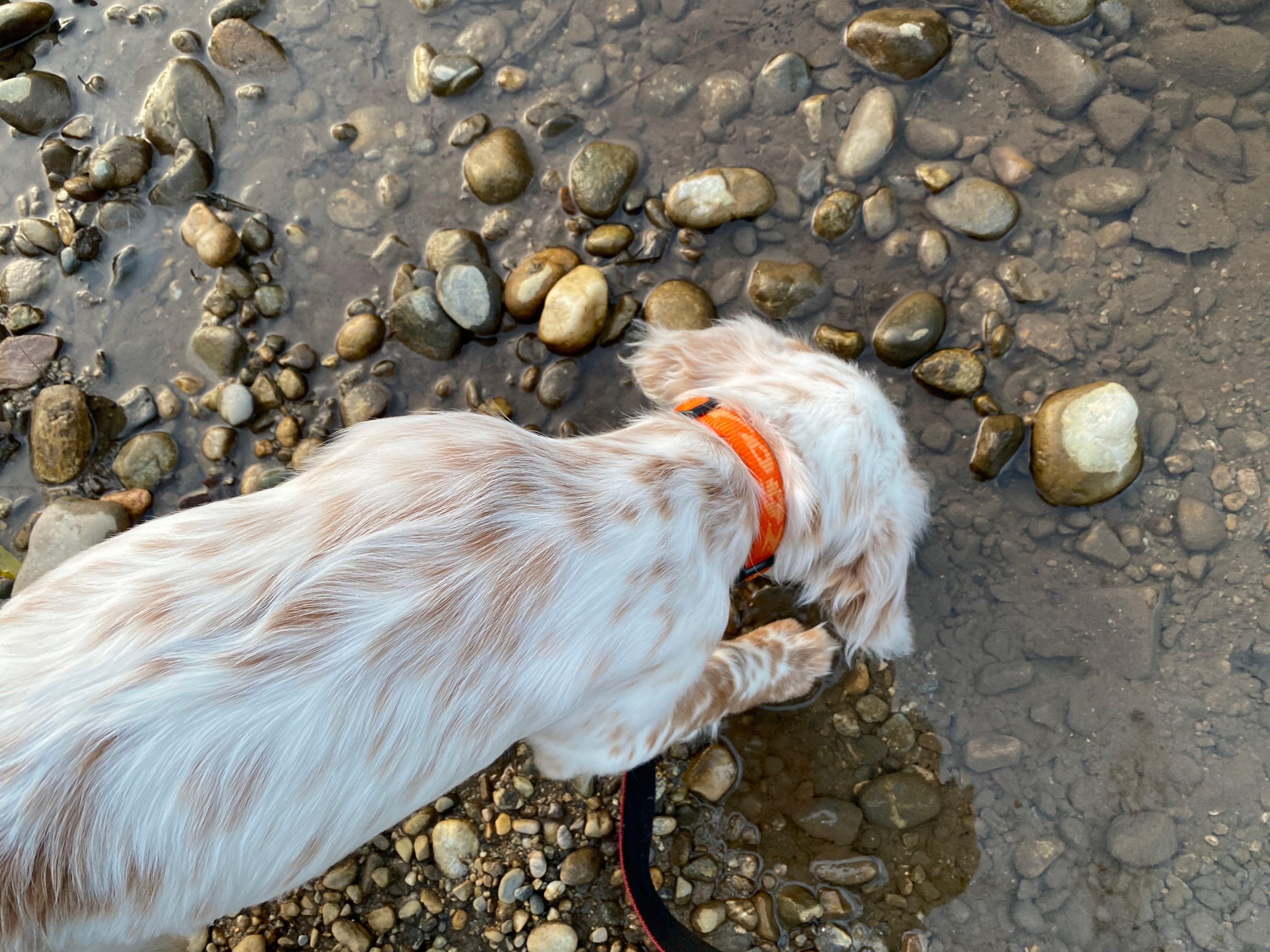
Photo: Sarah Grosso. Model: Puppy.
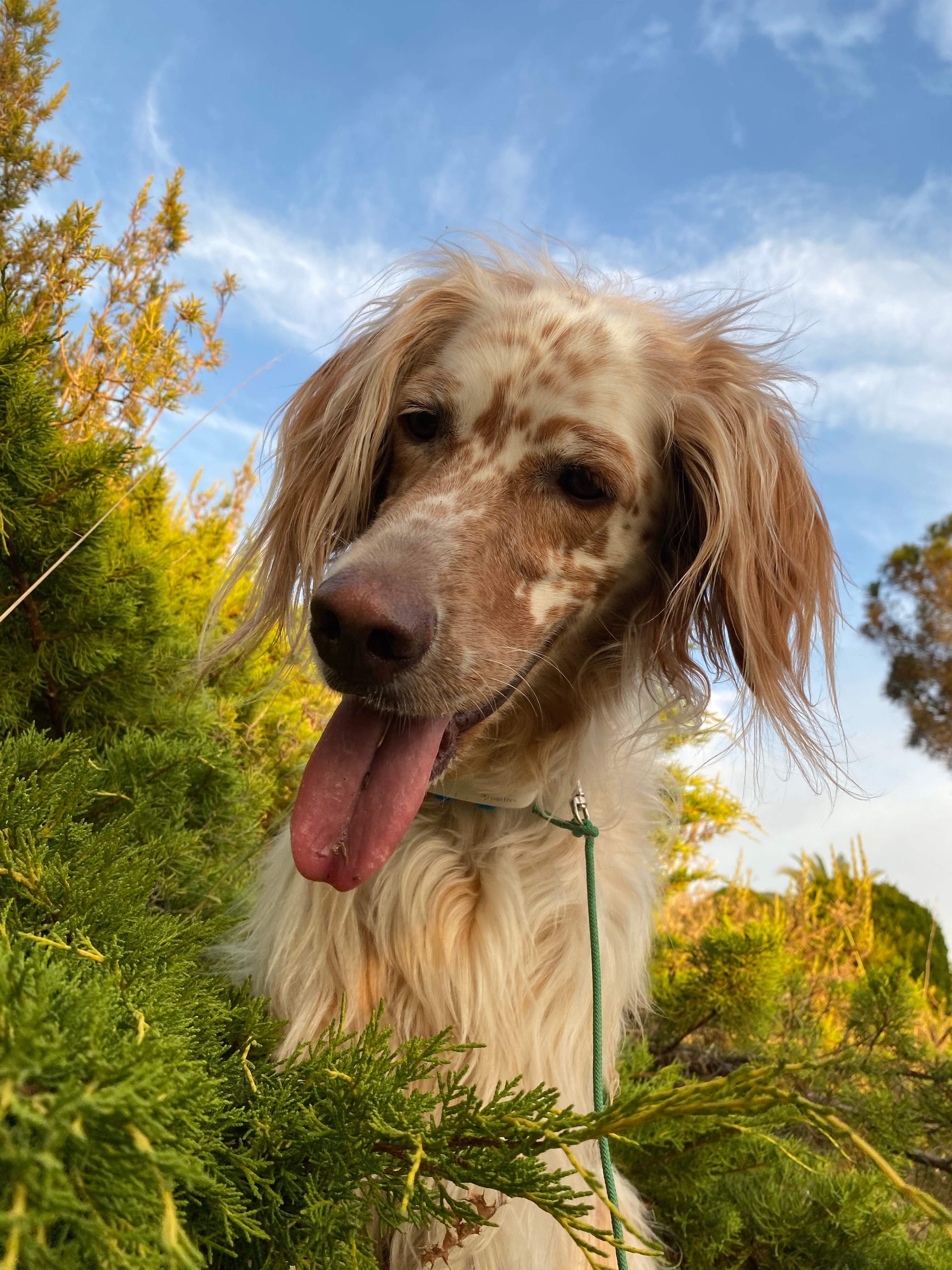
For several years now, I have started my anthropology course with this photo of my puppy. (He is now 5, but will always be a puppy to me). Most of my students don’t know what anthropology is when they start my course. Some assume it is close to archaeology and that we will be studying ancient bones. They are pleasantly surprised to find out we actually here to map contemporary, everyday life. They are surprised when I spend time asking them about how they eat breakfast, opening their minds to the fact that culture and values are hidden in plain sight. Culture surrounds us.
My main goal is to cultivate the “puppy energy” that is at the heart of anthropology. What does puppy do in a new environment?
He explores. He is curious. He keeps an open mind. And he does not judge what he finds.
We can more from the braced lizard freeze state– I don’t like this cold thing it makes me feel bad. I don’t belong here - to the curious puppy explorer state - What is this cold thing? Snow? Aha. That’s interesting. What is the texture? Hmm feels crunchy. What sound does it make when I walk on it? Oh look, other lizards are wearing shoes ….
Our frozen lizard can look at the crunchy ice and notice: Ah, this is different to the warm earth I am used to. It is not a threat. Just a different landscape.
Here in Montpellier, where I live, I often see this playing out with expats struggling with the intricate, rigid formality of French bureaucracy. Coming from a seamless service culture back home, this formality can land as rudeness and rejection. It becomes “proof” that they are not welcome here.
Looking at this through an anthropological lens, we can see this as an administrative cultural script. The local bureaucrat is just performing a role. Relativizing the interaction doesn’t make the admin less frustrating, but it can stop the experience from hurting you. Our frozen lizard can look at the crunchy ice and notice: Ah, this is different to the warm earth I am used to. It is not a threat. Just a different landscape.
At the end of each semester, my students tell me the same thing: learning to think like an anthropologist taught them that what they considered “normal” was just their own cultural assumption. They stopped judging so quickly. They start to notice little things in daily life. They became more brave, made new friends, found community and felt more connected. They stressed less navigating the unfamiliar.
These qualities are at the heart of the method that defines anthropology: fieldwork. To write my book, I spent two years immersed in a Tunisian divorce court and six months living with a local family. I shared meals, interviewed judges, and held the hands of women recounting their experiences of domestic violence. I learned a great deal about humanity by spending time immersed in a culture in this way.
You don’t need a PhD to use these tools in your life. You can awaken your inner anthropologist today to move from confusion to curiosity, letting your hypervigilance drop so you can finally land in your bones and feel more at home.
Take a stance of methodological relativism
Put simply, this means consciously putting aside your own values temporarily and allowing yourself to explore the culture you are in with an open mind. You do not have to give up who you are or what you hold dear. You are simply stepping outside your frame for a moment to see how the local culture looks in its own terms. You can decide how you feel about it all later.
Find your own puppy energy: treat daily life as fieldwork:
Think like an anthropologist in daily life. As you go about your life, imagine you are an anthropologist observing and taking (mental or literal) notes on what you notice. Be curious!
Take photo “fieldnotes”
As you go on this voyage of discovery, take some photos of anything that strikes you are strange, beautiful or different. Documenting it creatively helps you make friends with the new cultural environment. (I would love you to hit reply and share some of these observations and discoveries with me!)
Little by little, wherever you are, the soil beneath your feet will start to feel less strange, more familiar and, eventually, a lot more like home.
If this resonated with you, I want you to know that you do not have to carry the weight of transition alone..
I’m Sarah, a counsellor, couple therapist and anthropologist. I help global souls, expats and cross-cultural couples heal from trauma, drop the bracing and feel securely at home in their bodies and relationships. You are welcome to reach out if you could benefit from personal support.
EARTH Group Workshop
If your nervous system is tired or bracing and you are ready to build an internal sanctuary, I invite you to join my upcoming mini-course, EARTH, starting June 4th.
Over 4 weeks, our small, intimate circle of international souls will meet live online to combine stabilizing somatic practices with anthropological insights. It is a gentle, step-by-step journey designed to help you stop surviving your environment and finally land back home in yourself.
Comments
Nothing yet. Say the first thing.
Sign in to join the conversation.