
Hi there,
Welcome back to Saludos from Somewhere. This week, I’m writing from Valle de Guadalupe Mexico. [if you can, play some Hermanos Gutierrez tunes while reading to this letter for a perfect pairing :) ]
My husband and I have a little tradition. Once a year, we escape for a few days just the two of us… no work and no kids allowed. Just good food, good wine, and the kind of conversations that only happen when you really clock-out.
As two wine lovers, it’s hard to believe this was our first time in Valle de Guadalupe. Over the years, we’ve planned trips to Napa, Tuscany and other wine regions. We’ve traveled across countries chasing great wine, yet somehow, I had never made it to Mexico’s own wine country. The trip also made me realize how much of my own country I still have left to discover (that’s a perfect excuse for more Saludos content).
I came expecting to learn about wine, but of course instead, I left thinking about hospitality or more specifically, the intersection of hospitality, retail, and branding.
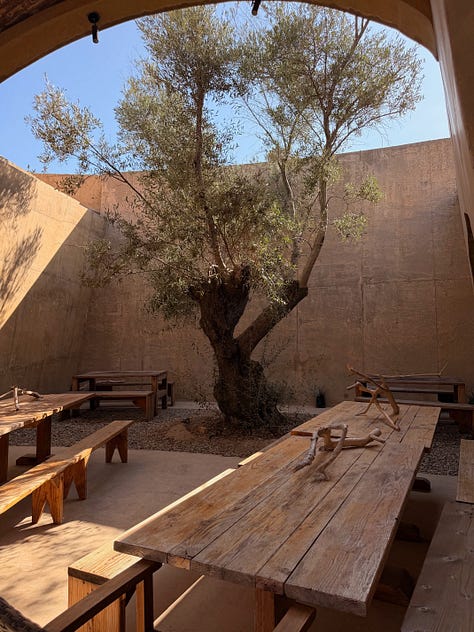
We stayed at the most perfect hotel for this experience The Banyan Tree Veya Everywhere I looked, I noticed the same thing: The hotel wasn’t simply selling a room. The winery wasn’t simply selling a tasting. The restaurant wasn’t simply serving dinner. They were all inviting people into an ecosystem.
For years, hotels focused on rooms, restaurants focused on food, and retail focused on products. Everything lived in its own lane but somewhere along the way, not too long ago, those lines connected.
Now, the hotel becomes a place where all the senses come alive.
You don’t just buy the poncho you couldn’t stop wearing during those chilly desert nights. You take home the signature scent created exclusively for the property, bring back the locally produced rosemary oil you discovered while wandering through the medicinal gardens, and spend an afternoon in a spa that feels more like a wellness sanctuary than an amenity.
Restaurants are no longer just introducing you to a menu. They’re introducing you to local producers, telling the story behind every ingredient, and making you discover the ceramic artist who crafted the plates beneath your meal. Every detail feels intentional: the music, the uniforms, the lighting, the tableware, and the pace of the service. Nothing feels accidental.
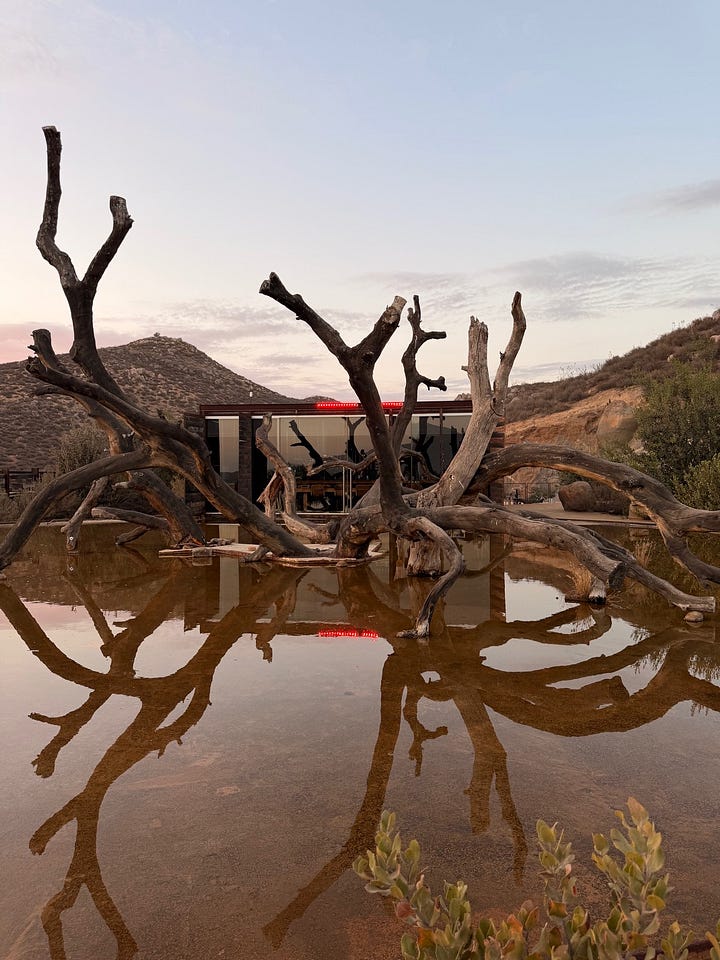

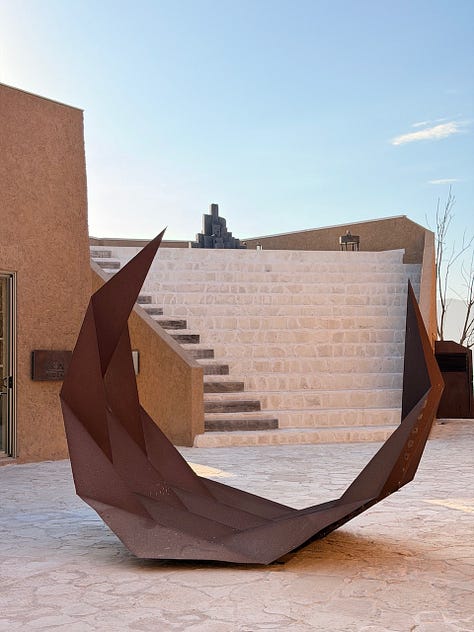
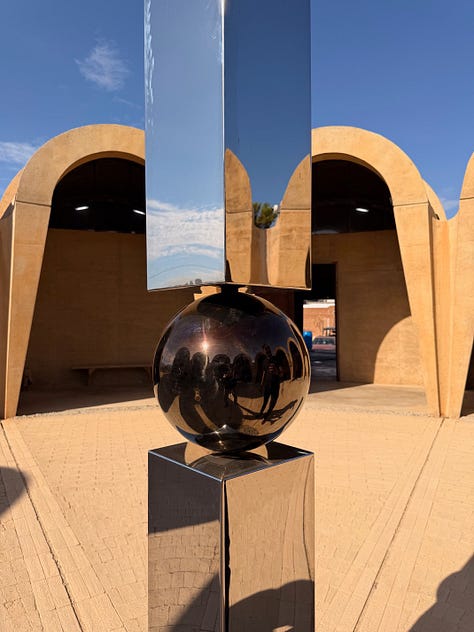
Even wineries have evolved. They’re no longer just places to taste wine. They’re destinations where architecture, design, gastronomy, art, hospitality, and culture come together.
This wasn’t a new observation, it’s something I’ve been noticing for many years, watching fashion houses expand far beyond retail, but Valle de Guadalupe reminded me just how quickly this evolution is accelerating. The boundaries between hospitality, retail, wellness, food, design, and luxury aren’t disappearing, they’re becoming beautifully interconnected.
Fashion figured this out years ago. Luxury brands are no longer just opening stores. They’re opening hotels, restaurants, beach clubs, cafes, wellness spaces and so on. They’re not expanding into new categories, but they are building worlds people want to belong to. That’s a lesson every founder should pay attention to (if you missed my previous letter about this important subject click here)
One of my favorite examples is, of course, is retail.
I still remember, not that long ago, even during the early years of LAFS when hotel gift shops felt like an obligation. They were filled with shitty postcards & magnets, horrible sunglass fixtures, flip-flops, sunscreen, and things you never actually wanted to take home.
Today, it’s quite the opposite, some of the most beautifully curated retail spaces are inside hotels. Not because they’re trying to sell you more, but because they’re extending the experience. The best hotel boutiques feel more like concept stores, thoughtfully curated with local designers, artisans, beauty brands, homeware, books, and resort wear that reflect the spirit of the destination.
In fact, 9 years ago, a hotel group approached LAFS with an unexpected project: they wanted us to completely reimagine the retail experience across ten of their hotel boutiques. At the time, it felt like a massive job for our small team… almost too ambitious- unfortunately we had to pass.
Today, I regularly find myself encouraging emerging brands (especially resort wear labels) to look beyond traditional retail and consider hotels as a distribution channel. These spaces are deeply curated, highly aligned with their customer, and reach people at the exact moment they’re most open to discovery and nostalgia.
The best hotel boutiques aren’t there to maximize transactions. They’re there to make sure the experience doesn’t end at checkout. I honestly believe that great hospitality doesn’t interrupt the experience with retail; it actually extends it.
As someone who spends a lot of time thinking about brands, I kept coming back to one question:
If every business is becoming a memory business, what memory are we leaving people with?
Whether you’re building a winery, a hotel, a fashion brand, or a startup, maybe that’s becoming the question that matters most. Not what people will buy but what they’ll remember long after they do.
Until the next somewhere,
Saludos,
Samantha.
The Edit | Valle de Guadalupe
This isn’t just my itinerary.
It’s my breakdown of one of the most interesting hospitality ecosystems I’ve experienced in years. I’ll share the wineries, restaurants, hotels, local brands, and design details that are quietly redefining modern luxury and what founders in any industry can learn from them.
Think of it as opening my notebook after a weekend in Valle.
No posts
Comments
Nothing yet. Say the first thing.
Sign in to join the conversation.