
It started with a Summer Fridays lip balm, or maybe it was a Touchland sanitizer, a Wild Berry Poppi or a Pink Palm Puff hoodie. IDK but lately, spending time with my 11-year-old daughter has felt like getting a backstage pass to an entirely different consumer economy.
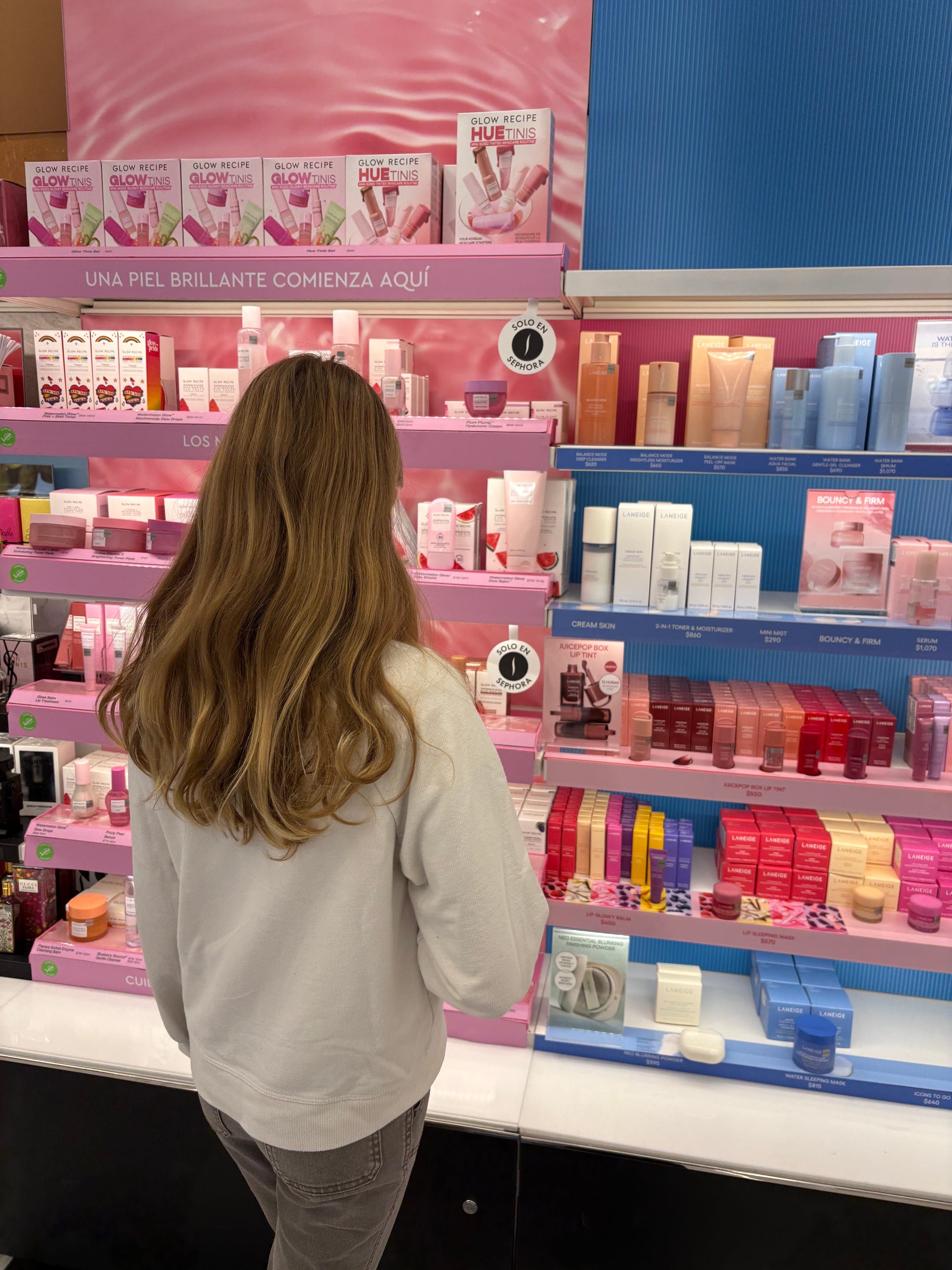
Our weekends have become unexpected research trips. We hunt for dumplings, NeeDohs and the newest squishies. We walk into Sephora looking for one product (simple & clean) and leave talking about five brands I’ve never heard of. And now, as we’re getting ready to take my daughters to tennis camp in Texas, she already has an itinerary of her own: Target, Five Below, Sephora…. you name it.
At first, I dismissed it as another tween phase. Then I started paying attention, not just to what she wanted, but why.
When I looked into the companies behind these products, I noticed a pattern. Some of these brands are less than a decade old. Others have been around longer but only recently became a cultural phenomenon.
What they all have in common is remarkable growth, earning attention at a pace that brands with decades of history, larger teams, and bigger budgets would envy. Some, like Poppi have already been acquired for billions of dollars. Others like Touchland are redefining entire categories almost overnight (+ a huge acquisition kudos to Andrea Lisbona.)
The funny thing is, I spend a lot of time reading market reports and talking to founders yet some of the best consumer insights I’ve had this year haven’t come from a conference or an investor presentation. They’ve come from the back seat of my car.
Listening to my daughter explain why one lip balm is “cool” and another isn’t made me wonder:
What do these younger brands understand that so many established ones don’t?
I don’t think the answer is age, I think it’s timing.
Many legacy brands were built for an economy where information was scarce. Their job was to educate consumers, explain features, build credibility, and communicate more.
Today’s founders are solving a different problem; information is everywhere but attention isn’t. That changes everything.
Watching my daughter and her friends also reminded me how children communicate. They don’t overexplain. They don’t soften their opinions. They don’t hide behind complicated language. They simply tell you what they like, what they don’t, and what everyone should know about next.
The brands winning today feel remarkably similar.
They know exactly who they are, who they’re for, and why they matter. There’s very little friction. Very little explanation. Just clarity.
Ironically, many established brands have evolved in the opposite direction. More teams. More approvals. More messaging. More campaigns trying to say everything at once. Eventually, they become harder to understand, and in an economy where attention is the scarcest resource, complexity is expensive.
This isn’t really a story about Gen Alpha or skincare, or viral consumer brands. It’s a story about where founders should be looking.
Consumer reports tell us what happened, but culture tells us what’s about to happen. Sometimes that culture starts on TikTok or in a Sephora aisle. Sometimes around a lunch table at school and sometimes, if you’re paying attention, it starts in the back seat of your own car.
I’ve come to believe that one of the most underrated skills a founder can develop today isn’t market analysis but cultural observation.
I think that the founders who win tomorrow will be the ones who notice the right signals before everyone else does and the ones that use clarity as competitive advantage. My daughter thinks we’re talking about skincare, dumplings, and squishies but I think she’s teaching me where the next generation of brands will come from and more importantly, where founders should be looking if they want to build one.

No posts
Comments
Nothing yet. Say the first thing.
Sign in to join the conversation.