
I was thinking about how to start this story:
1)the recipe for the fish
2)the short journey with my dad trying to find new recipes
3)my memories with him and the Caspian shore
4)the tomatoes, that grow in the villages of the Abşeron peninsula pair well with the fried fish and onions
5)Water
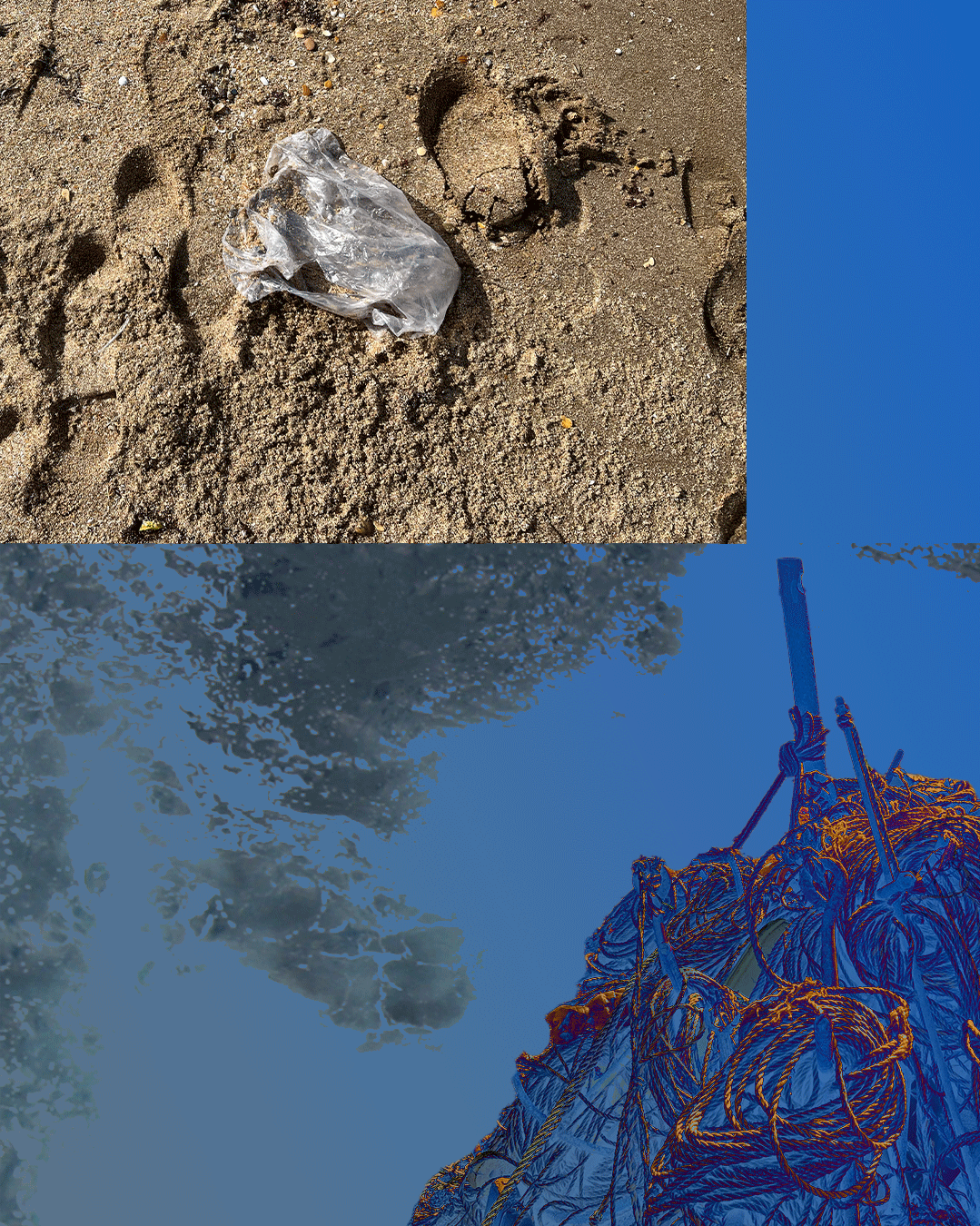
WATER
Maybe some creatures can live without water, but fragile humans are not one of them. For some bacteria and shellfish, the filth of the sea presents an opportunity to expand their populations. The fate of humans does not seem auspicious under these circumstances. We are water, blood is water, apple is water, the steam we breathe in is water, showers we take to decompress, lemonades and teas we drink, and the saliva when we kiss.
The water of the Sea, our Sea, is salty. It is a lake, it is not as salty as the oceans, it doesn't hurt your eyes when you open them underwater, and it doesn't crystallize on your skin while sunbathing. It leaves a salty and bitter aftertaste in your mouth if an unexpected wave swallows you suddenly from behind. That taste was my lighthouse when people from the YouTube videos told me repeatedly to salt the boiling water as the Sea. “As salty as the sea, we all know this by now”, said one of the cooks I follow.
I salted the pasta water as salty as the Caspian. My pasta turned out bland many times before I realized that I should double or even triple the amount of salt. Pasta water should be saltier than your tears. Pasta water should be as salty as the water of the foreign seas, deceivingly turquoise, alluring, burning your eyeballs when you dive in. I learned how to cook my pasta, and how to season it properly, but I still undersalt it sometimes and blame it on the Caspian.
SHORE
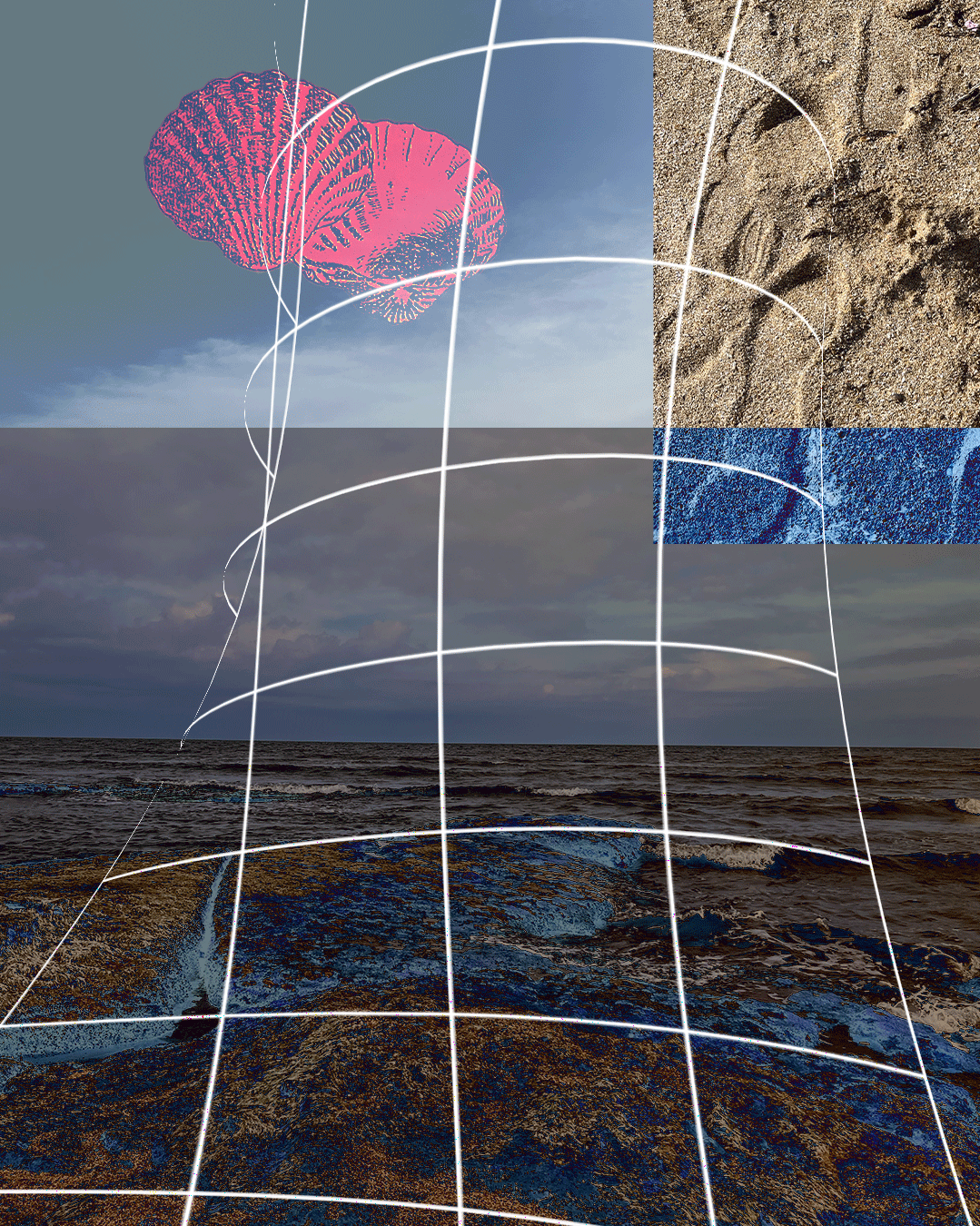
I went with my father to the shore in the village of Bilgəh on the Abşeron peninsula. This is a shore that makes other shores, the ones of oceans or of the azure seas, seem impertinent with their growling beauty and purity. To me, they are mere obtrusions in the world where the shore of Bilgəh is the center.
We were waiting for the fishermen to come back from the Sea to buy some fish. A man was waiting for them, their manager, their salesmen sort of, and a representative of the coastal police, who I at first did not notice. I spoke to the 60-year-old man with a mustache and he told me that he was from the village of Bilgəh. I asked him about the food whether he loved fish and how he liked it to be prepared. He told me that among all the fishes his favorite is kütüm. “Kütüm is the shah of all the fishes... We just fry the fish”, he replied briefly, looking at the Sea awaiting the boat. When I followed up with questions he told me that they also made a dish with fish and tomatoes called Mitəmçə before telling me hastily that I better ask women this kind of questions. I immediately think this is similar to some Italian recipes I have heard about - how Eurocentric of me. I heard the name of the dish for the first time, though I have eaten fish fried in the skillet with tomatoes.
Our dialogue didn't last long. I thanked the man and walked around the shore when I got the remark from the coastal policeman not to take photos of the boats, as there were numbers on them. I tried to negotiate, but my mood was not as enthusiastic as before. I was suddenly reminded that my uncle’s words “this is yours, this shore is yours” while teaching me to swim were not true.
The fishermen arrived. The boat slid in the sand with gusto and then got tied to a metal tube in a pile of knotted fish ropes on the hill up near the cars. My father approached and tried to buy the fish, but it seemed these fish were reserved for a restaurant. The fishermen were in waterproof green and yellow clothes and rubber boots. Both of them were swarthy men with salt and pepper beards in wool gray hats.
In two minutes the second boat arrived and the person I had the dialogue with about the fish and Mitəmçə rushed to the boat, took the fish, and brought it to the trunk of a red Zhiguli car. My dad bought two kütüms while the officer ran to the boat and wrote some numbers in the registry.
THE RECIPE
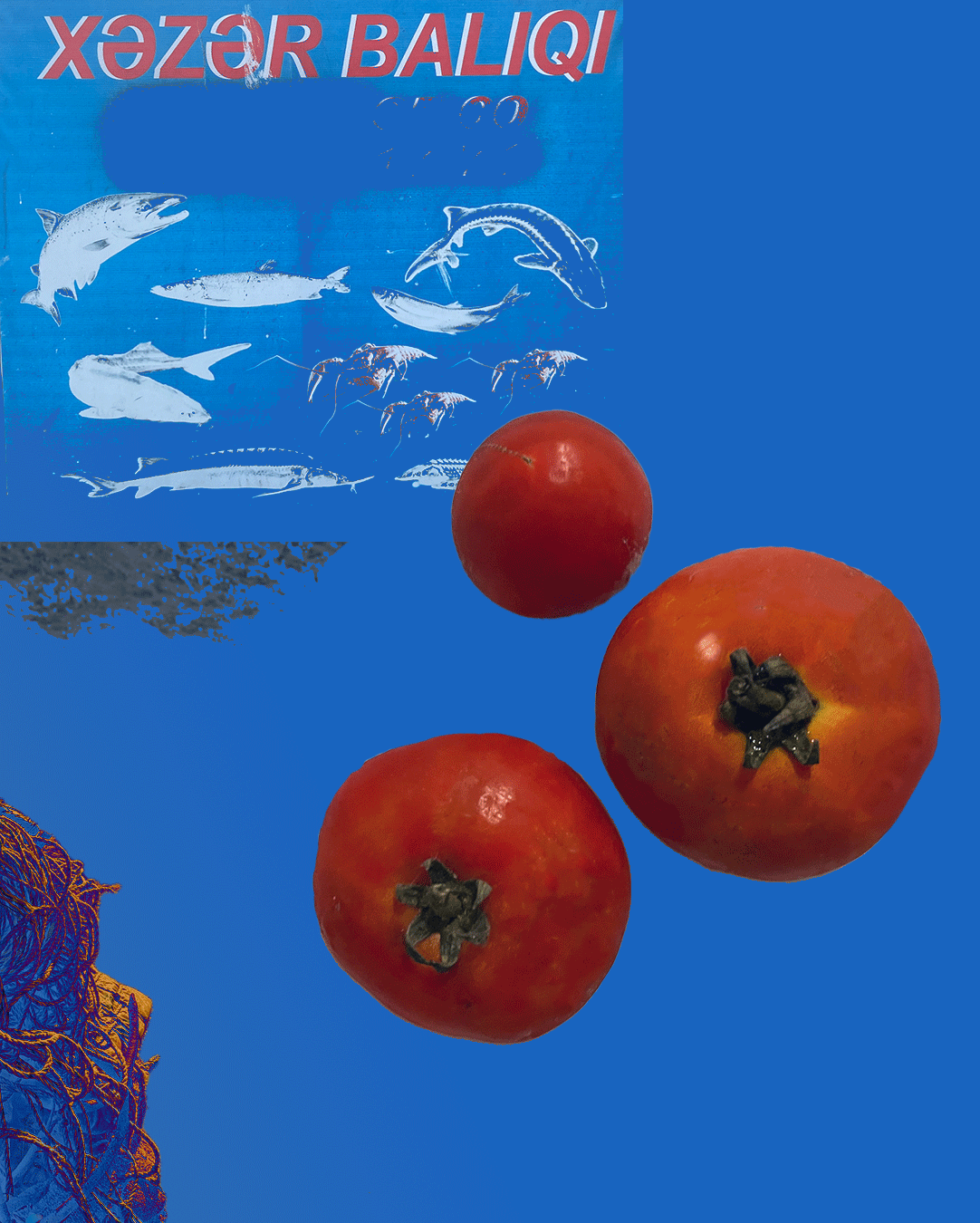
Inspired by my conversation at the Sea, we tried to make a version of a Mitəmçə, fish with fried onions and tomatoes. It turned out to be quite tasty. I think it is a simple recipe that I need to ask around about. I want to share another recipe that has been loved by my family.
My family has always had a love for fish and fish products. One of the beloved dishes for generations was Südlü aş. To my surprise, when I asked friends about Südlü aş, the milk rice made with cured fish, everyone seemed to associate it with a sweet rice porridge, appropriate for breakfast or times of cold. But in our family, it was a fully-fledged main dish with the salty cured fish that was boiled to be served next to the saffron-infused milky basmati rice mixed with softened steamed raisins and dried fruit. Would you guess where I am from based on the knowledge of this dish? The components include 1- basmati rice prepared in milky, buttery, saffrony liquid, 2-raisins, dried fruit softened in melted butter with oil or ghee,
3-The cured fish (usually kütüm) is either boiled or prepared and wrapped in a wet piece of paper in the oven. Salt and pepper to taste, I think, as salty as the Sea, Caspian Sea, would work here.
I wonder what questions you, the reader, have at the end of the text. My text started with questions, questions about what to write, and what part of my knowledge/memory/passions to include. It turned out to mention almost all of the themes I lined out in the beginning, except the tomatoes. They deserve a text dedicated just to them, but I featured them in the visuals- the tomatoes from Bilgəh.
The questions and themes that Caspian poses and answers are endless. These were some of them. What puzzles you about the Caspian Sea?
No posts
Comments
Nothing yet. Say the first thing.
Sign in to join the conversation.