
“It is great that you do this research before everything disappears… the sea, us (fishermen), and the fish''. The conversation with the fishermen in Lənkəran started with a deep and disturbing tone. In the background of the idyllic black sand and waves of the Capsian, fishermen shared with us their struggles in the sea, and efforts to collectivize in order to ‘survive the change’.
The decline of artisanal fishing in various water bodies of the world due to the rise of industrialization, particularly through aquaculture and large-scale fish and seafood production, is a widely acknowledged issue. In the specific case of the Caspian Sea - Azerbaijan shore, this phenomenon is contextually situated - complex geopolitics, historical and institutional legacies of the USSR, industrial extractivism - oil and gas extraction, with the current potential exploration of water and sand extractivism. These anthropogenic changes equally influenced the ecosystem of the Caspian Sea and the livelihoods of the artisanal fishermen and communities living around it. The extraction of oil and gas in the area impacts fish migration patterns and leads to oil pollution, adversely affecting the fish population. The overarching issue of climate change contributes to the problem through elevated temperatures, the introduction of invasive species, and the decreasing levels of the sea. In addition to all of that, policies on fishing designed by the Ministry of Ecology and Natural Resources impose conservation frameworks with stringent fishing quotas making artisanal fishing even more challenging, as in order to adhere to the quantity and distance quotas fishermen are able to fish less. Artisanal fishing risks becoming obsolete due to all of the above accompanied by cultural shifts, such as the waning interest of the younger generation in fishing and the heightened difficulties associated with deep-sea fishing caused by declining sea levels.
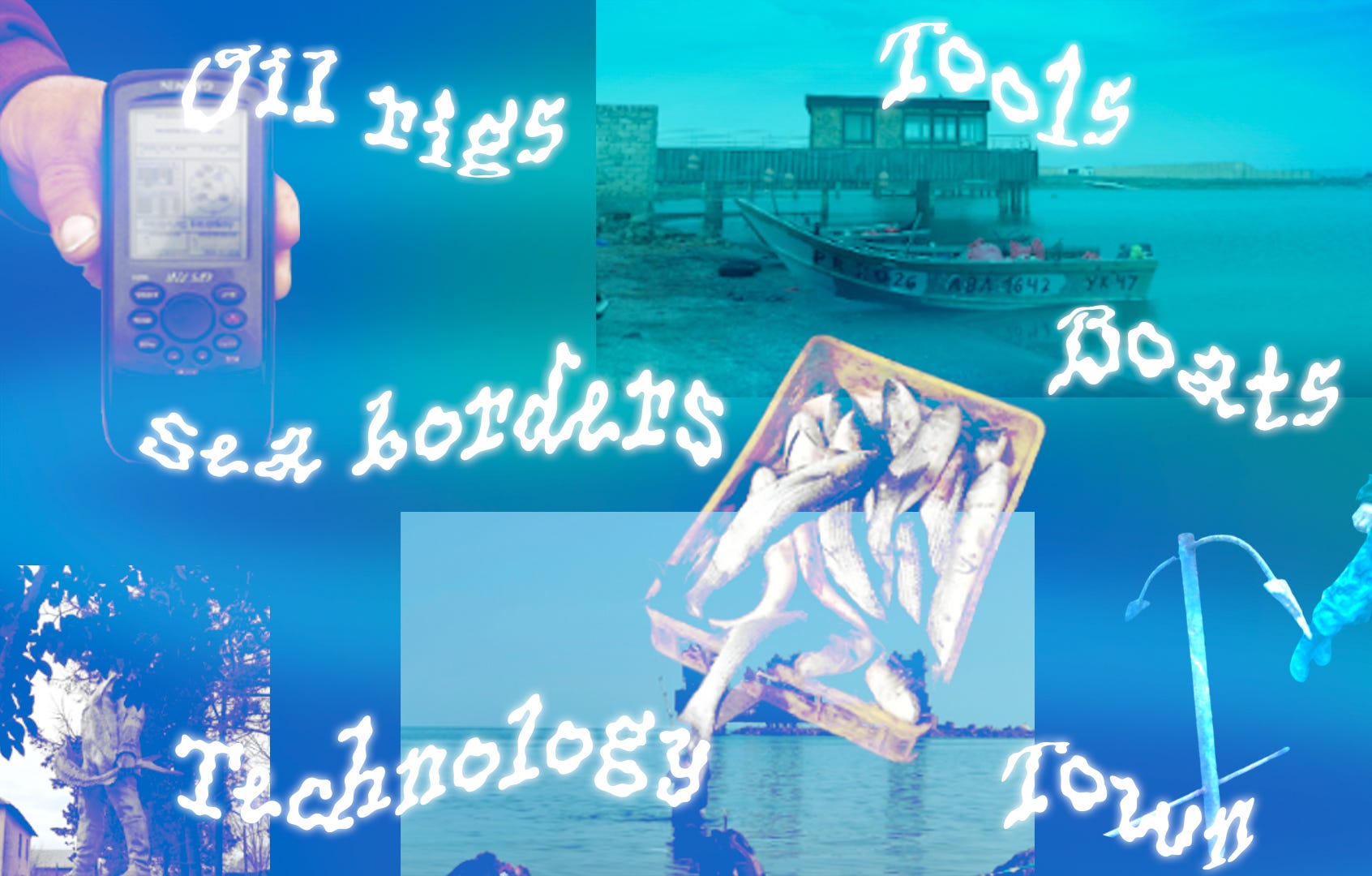
Our research on local knowledge regarding climate change in the Caspian Sea region led us to investigate various locations, including Pirallahı Island, Şıxov village, Dübəndi village, Sarı Island, and Nərimanabad (fishermen villages of Lənkəran). These places, though modestly built during the Soviet era, have been largely overlooked by government bodies, international development organizations, and broader society. Nonetheless, they exist in parallel with what the locals perceive as the unfiltered and authentic nature of the sea. Among the affected communities, fishermen residing in Pirallahi Island and Narimanabad face the greatest hardships. Due to the receding sea levels, they are compelled to venture farther into the sea on small boats to catch fish. This shift towards deeper waters poses inherent dangers, as many fishermen lack proficient swimming skills and harbor deep-seated fears about the sea, often steeped in unjustified ‘myth’ on sea draggin in the swimmers in the Caspian Sea. Despite these challenges, the shared "blue" fear and the impetus to provide for their families foster cooperation among the fishermen, who struggle alone. The primary driving force behind their collaborative practices is the need to sustain their families, coupled with the subtler objective of preserving their fishing culture—an integral part of their communal identity—and demonstrating respect for fish migration patterns while safeguarding the natural resources as the fishermen believe that the "Sea belongs to God."
In the face of climate and anthropogenic change in the Caspian Sea, collective adaptation among the local fishing communities occurs through sharing knowledge, information, and technologies. Some groups of fishermen pool their financial resources to invest in life-saving vests, GPS trackers (essential for navigating deeper waters), larger boats, fishing nets, and rods. Additionally, they actively share their geographical coordinates through WhatsApp groups and casual conversations at tea houses known as çayxanas. These WhatsApp groups serve as a crucial means of survival, facilitating the exchange of coordinates for weather events and fish migration patterns. Fishermen perceive their knowledge, often overlooked by policymakers, as more reliable than the government data on which the fishing quota system is based. With generations of experience in fishing and spending more than six hours at sea, they have developed a deep understanding of various anthropogenic impacts on the ecosystem. Their expertise extends to areas such as fish migration, nutrition, and contamination, enabling them to assess these domains accurately.
An intriguing aspect of the coordinate-sharing practice is the redefinition of territorial boundaries. Prior to the significant impact of declining sea levels, fishermen adhered to a code of conduct that involved respecting each other's territories and village boundaries to ensure a fair distribution of the available fish resources. However, the shifting dynamics resulting from the need to venture into deeper waters have challenged these traditional boundaries. By sharing coordinates, the fishermen aim to establish equitable access to fishing grounds for all individuals, enabling them to fish on an equal basis and support their respective families. This cooperative approach reflects their desire to navigate the evolving circumstances and maintain fairness in changing environmental conditions.
Collective action in post-Soviet Azerbaijan, particularly within the context of the Caspian Sea fishing communities, presents an intriguing subject for further examination. During the Soviet era, collectivization was primarily enforced as a top-down resource and labor management approach. However, historical records indicate a lack of grassroots self-collectivization among the sea and fish laborers in the region. This highlights the significance of exploring and understanding the emergence of contemporary collective actions among these communities, which may differ from the previous Soviet-era collectivization models.
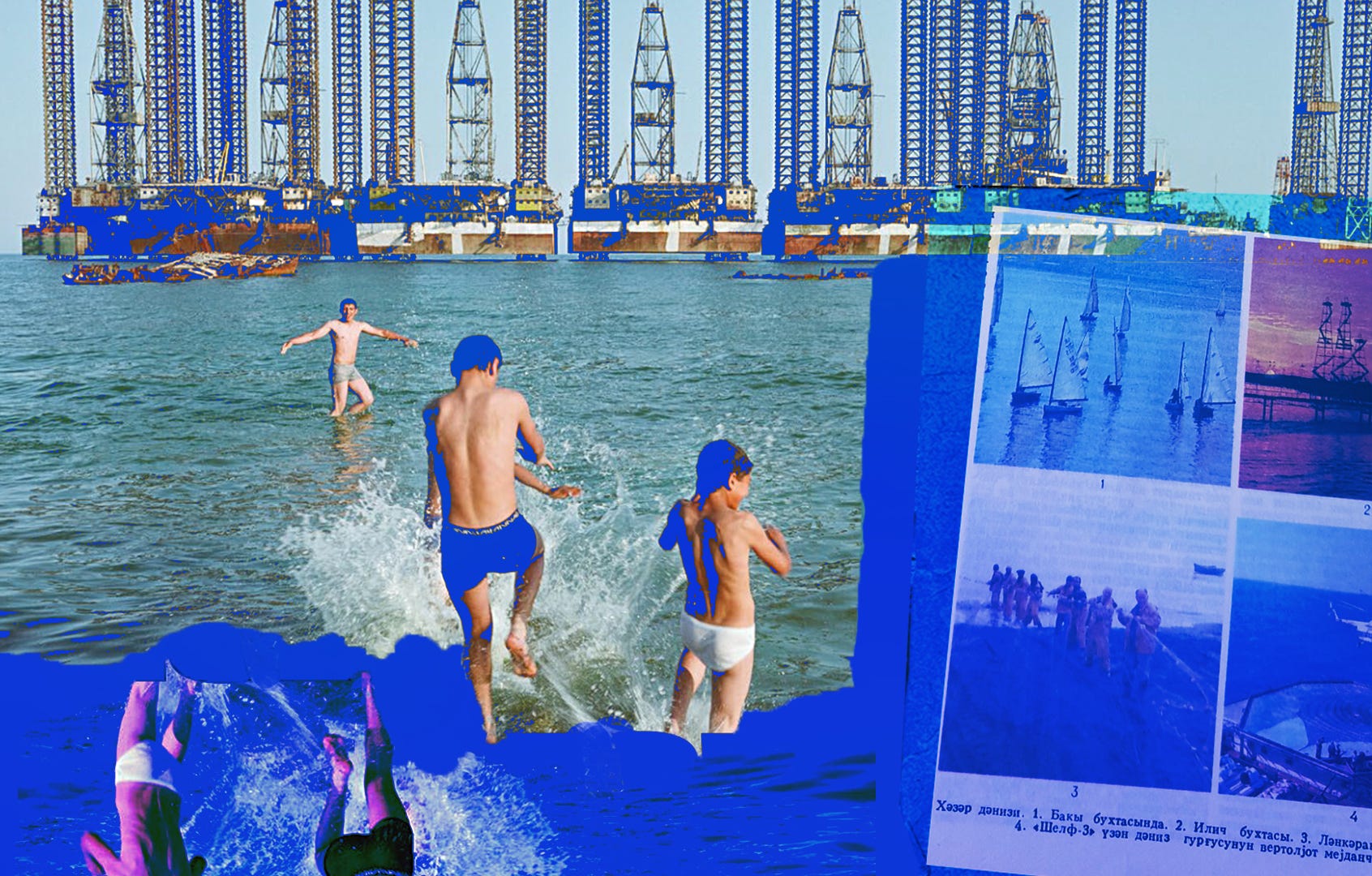
Undoubtedly, this fieldwork has generated numerous questions and left a lasting impact on us through the cultural and social significance of artisanal fishing. Additionally, it has underscored the relevance of the fishermen's knowledge in adapting to the challenges posed by climate change and anthropogenic transformations. The wealth of insights from this research prompts further exploration into the interplay between traditional fishing practices, anthropogenic and climate change, resonating with broader discussions on preserving traditional knowledge systems and their contribution to contemporary adaptation strategies.
No posts
Comments
Nothing yet. Say the first thing.
Sign in to join the conversation.