Recent Findings
Sorry that I've not posted in a while but now I have some interesting findings.

My personal Substack
Dormant Last read · last published · next check
Read 17 hours ago and current, but nothing has been published for 24 months.
Sorry that I've not posted in a while but now I have some interesting findings.
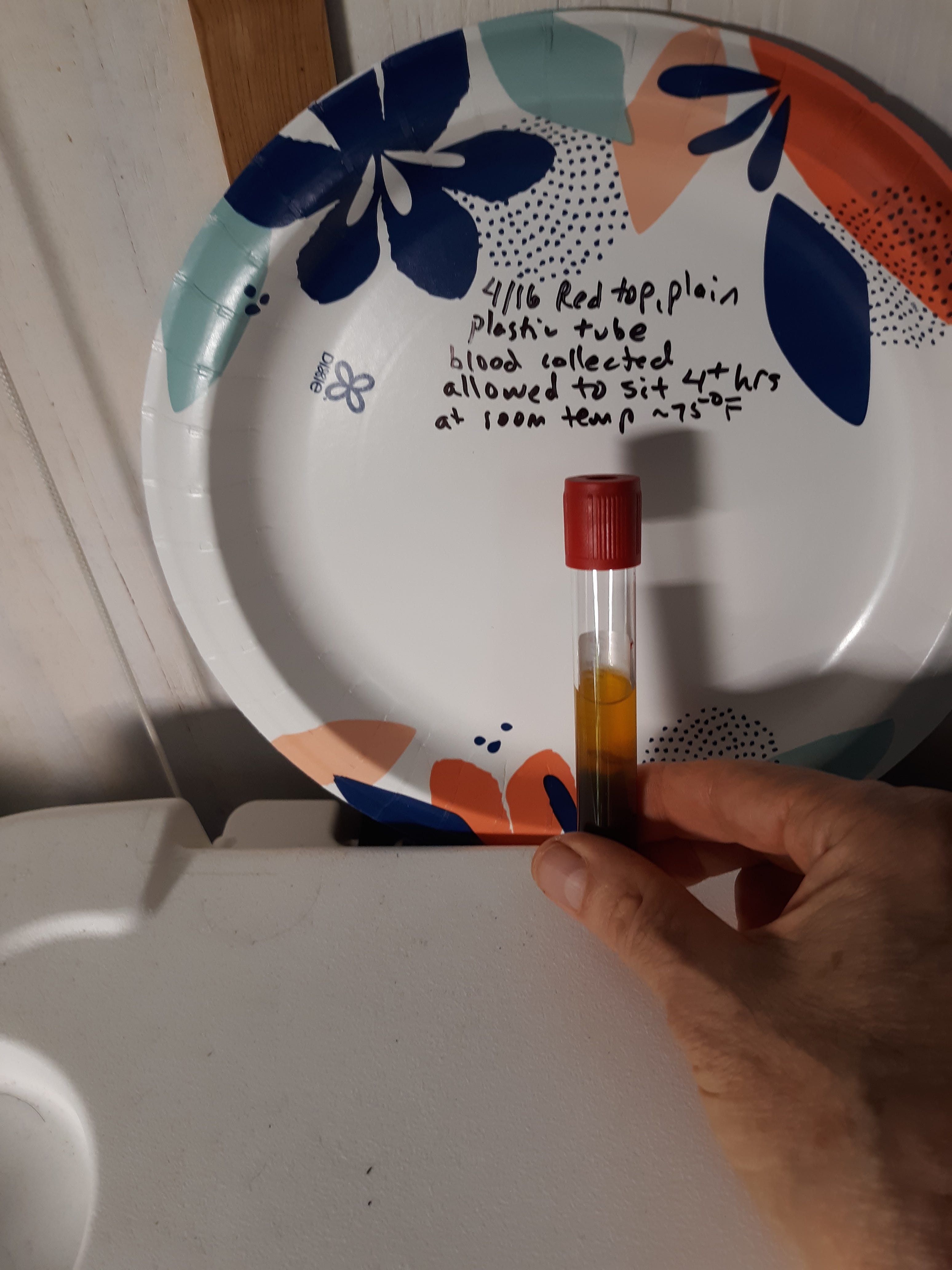
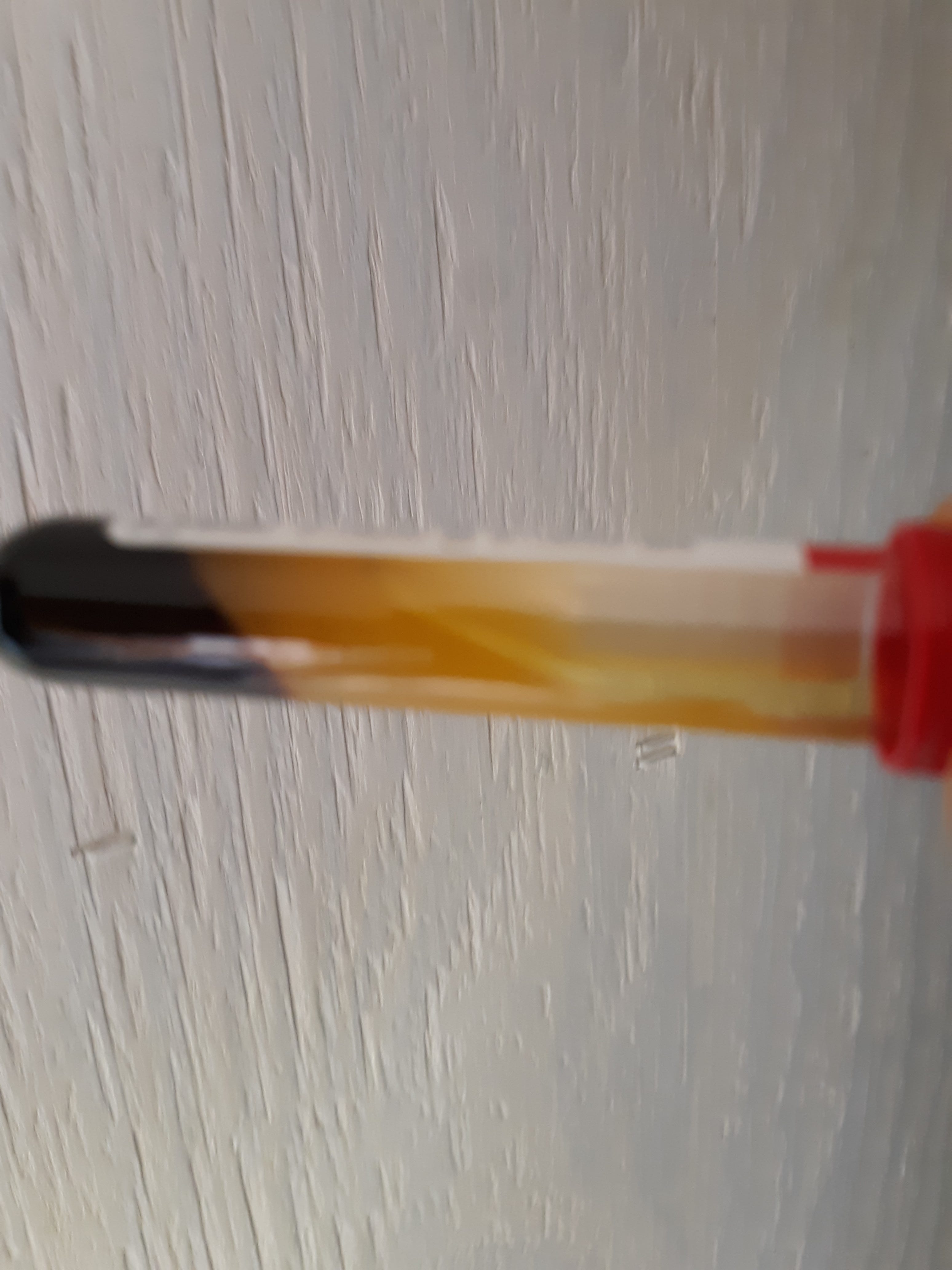
Prior posts showed a second hydrogel also to be present in the blood. This hydrogel appears to be temperature sensitive and suppressed when hemolysis is present. What changes can reduce it further?
In the last post I suggested we have one common hydrogel shown on PRF (platelet rich fibrin) and another hydrogel with the 4 hr test.
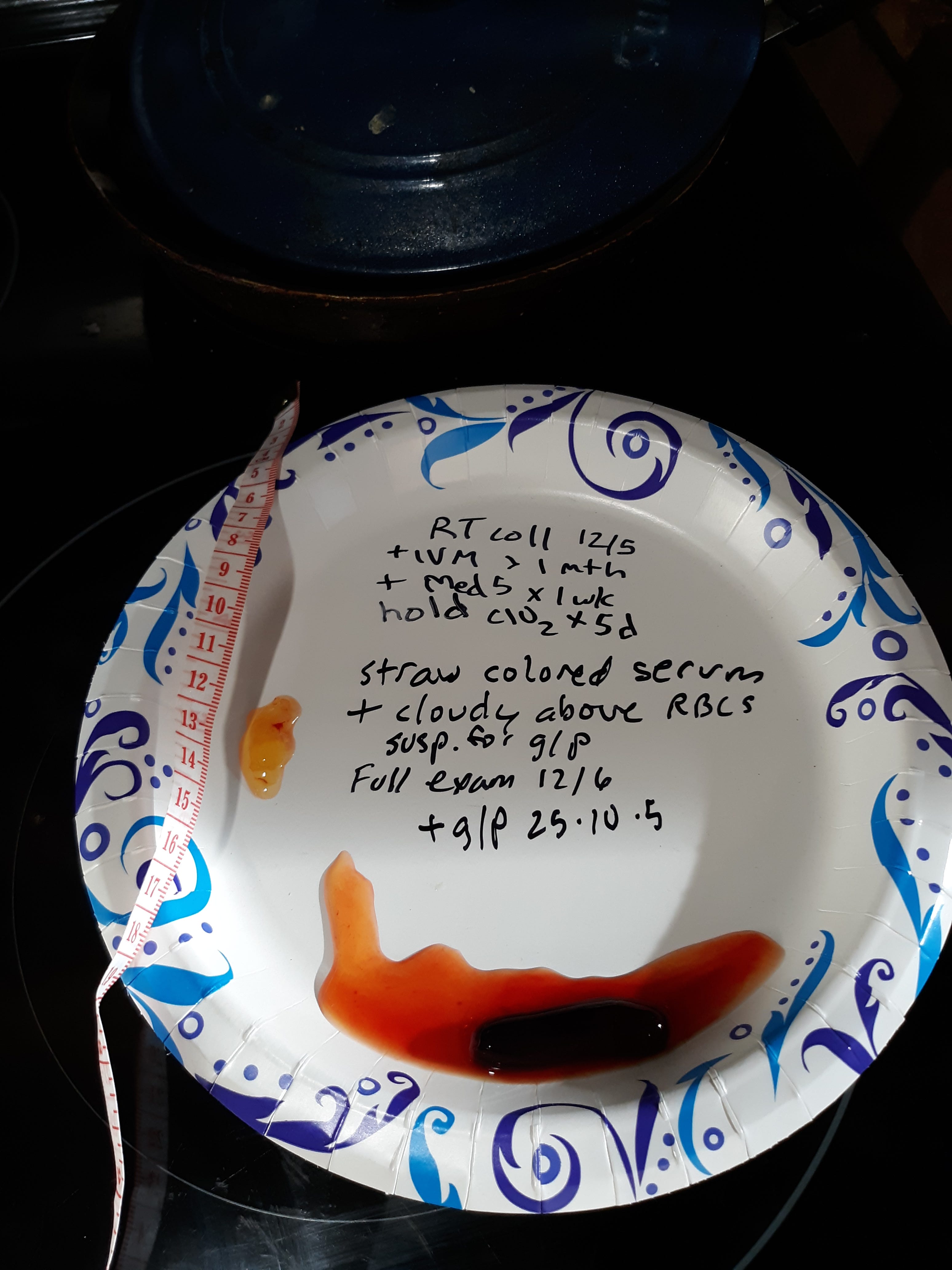
Most of us follow the work of Dr Ana Mihalcea and have seen her show rubber clots from living patients formed in a large syringe from blood obtained from her patients.
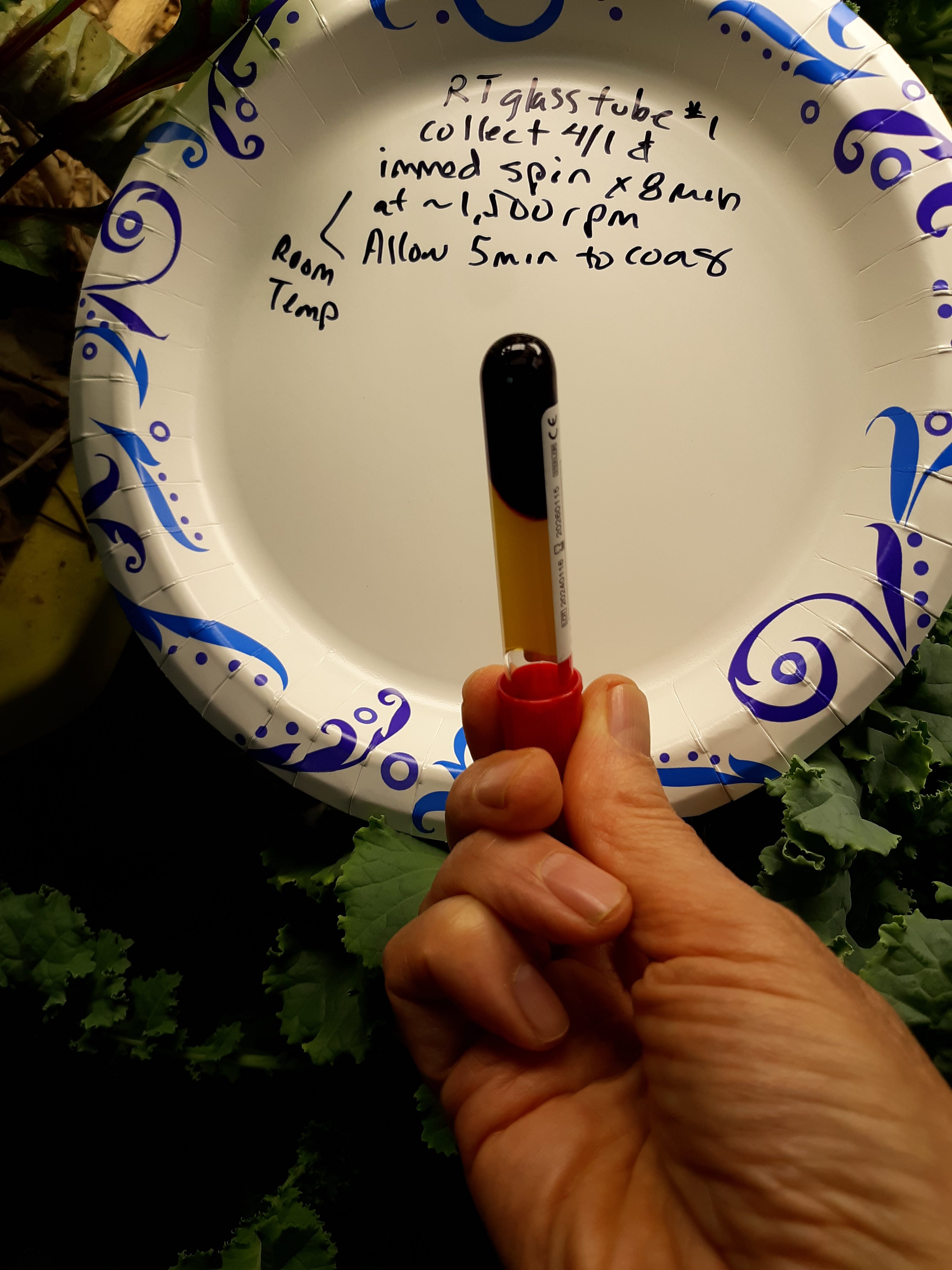
In the last post I showed how PRF was superior in demonstrating hydrogel rubber clot. Let's see how PRF testing showed no evidence of a temperature sensitive hydrogel.
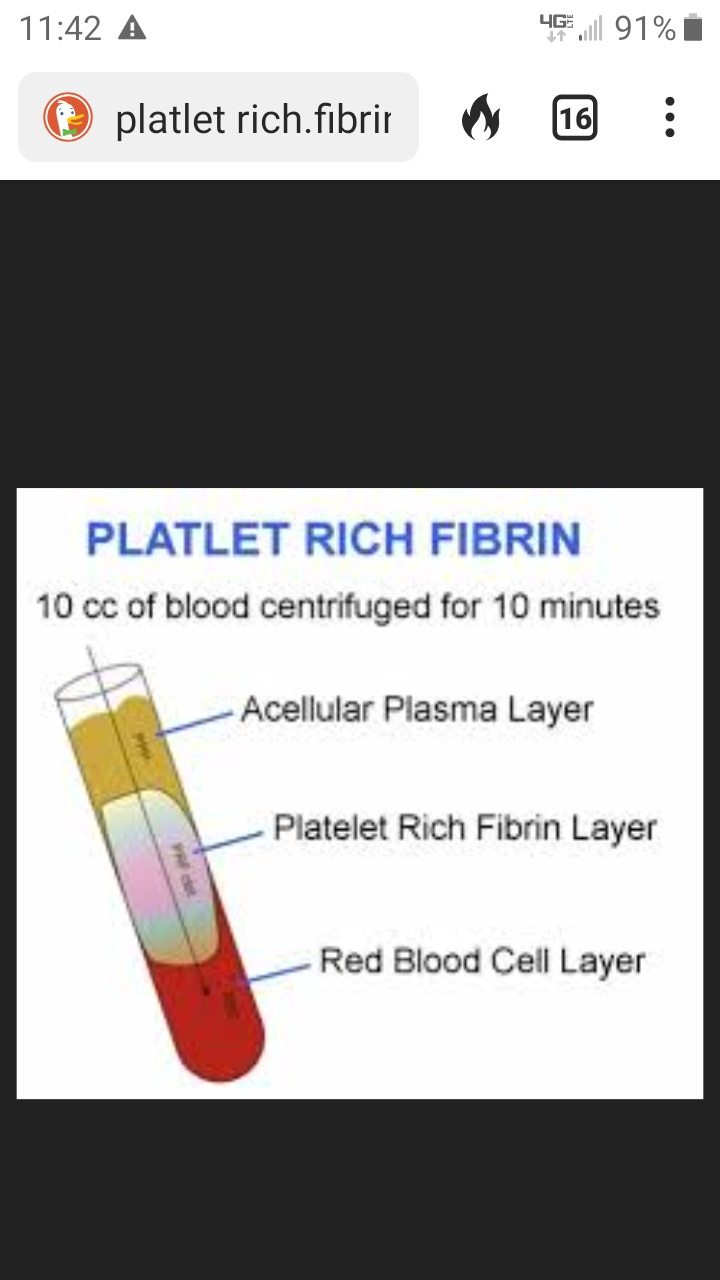
I was sent an article on platlet rich fibrin (PRF) that showed its use in dentistry and how its preparation resembled the hydrogel rubber clot test.
I have posted in the past how I have seemingly eradicated the hydrogel rubber clot by using ivermectin, fibrin proteases, a particular EDTA product and nutricuticals with unknown benefit toward this.
The prior post showed hydrogel rubber clot is suppressed by a normal body temp of 100°F/38°C. Let's refine the details.
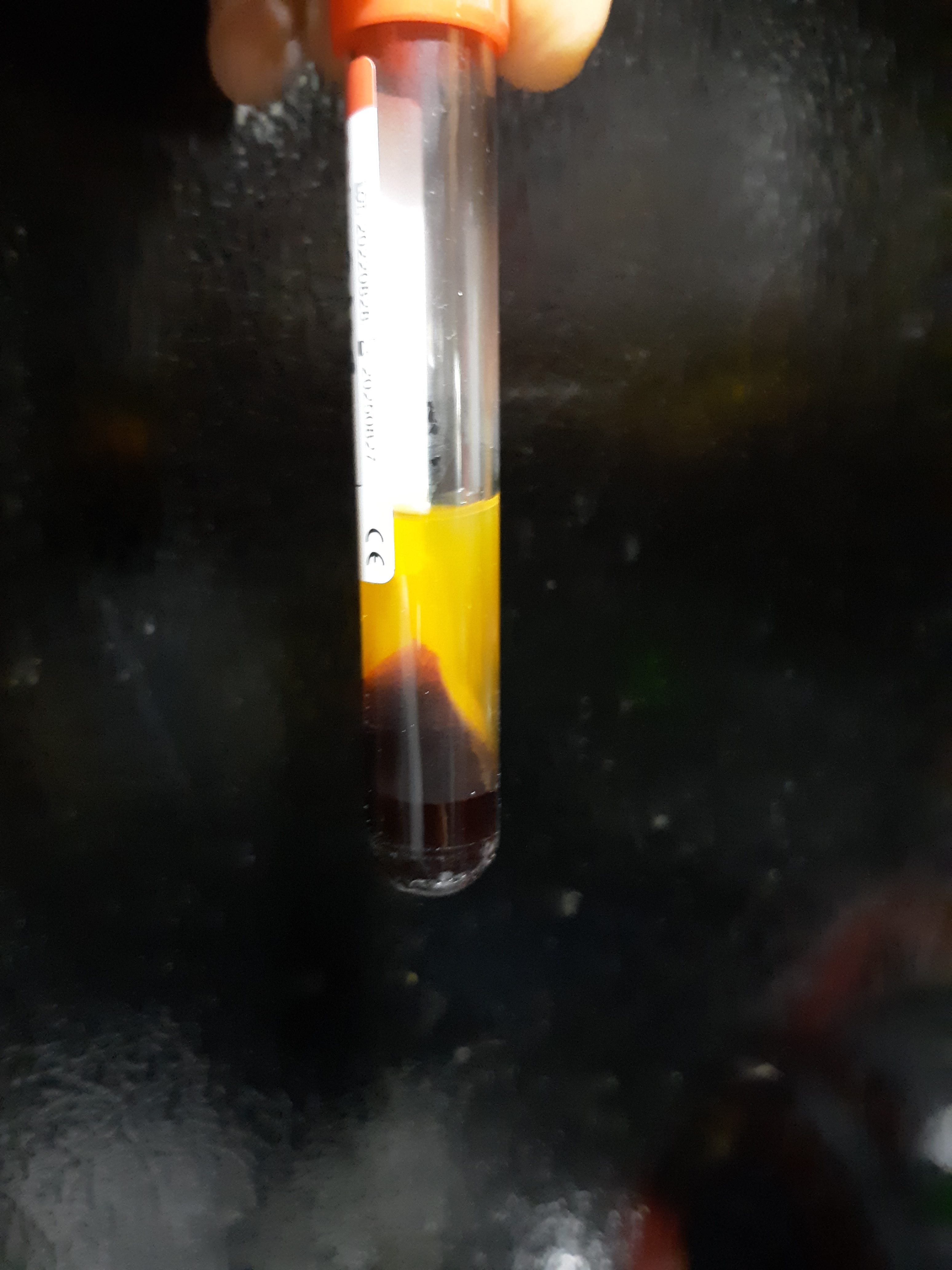
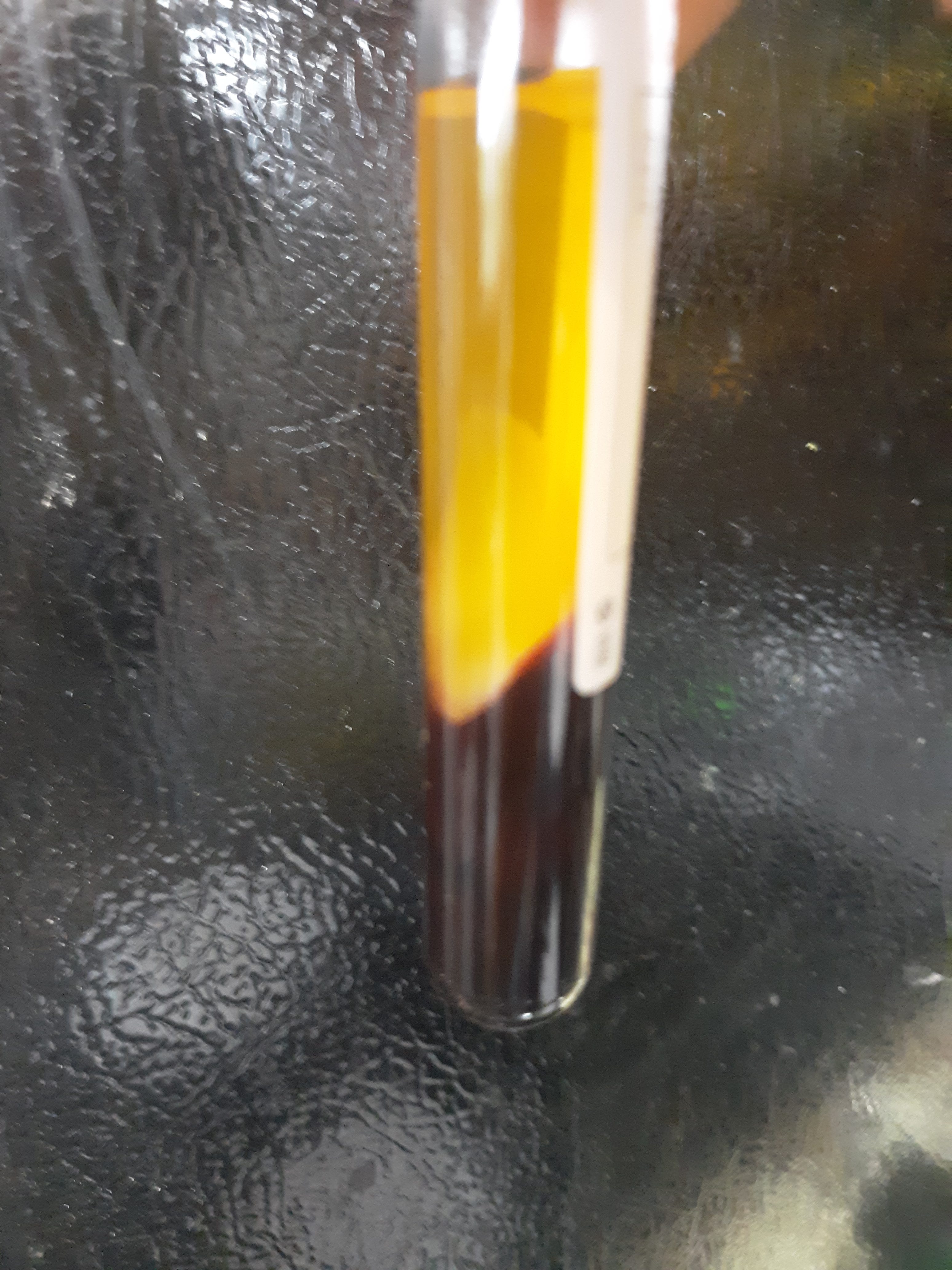
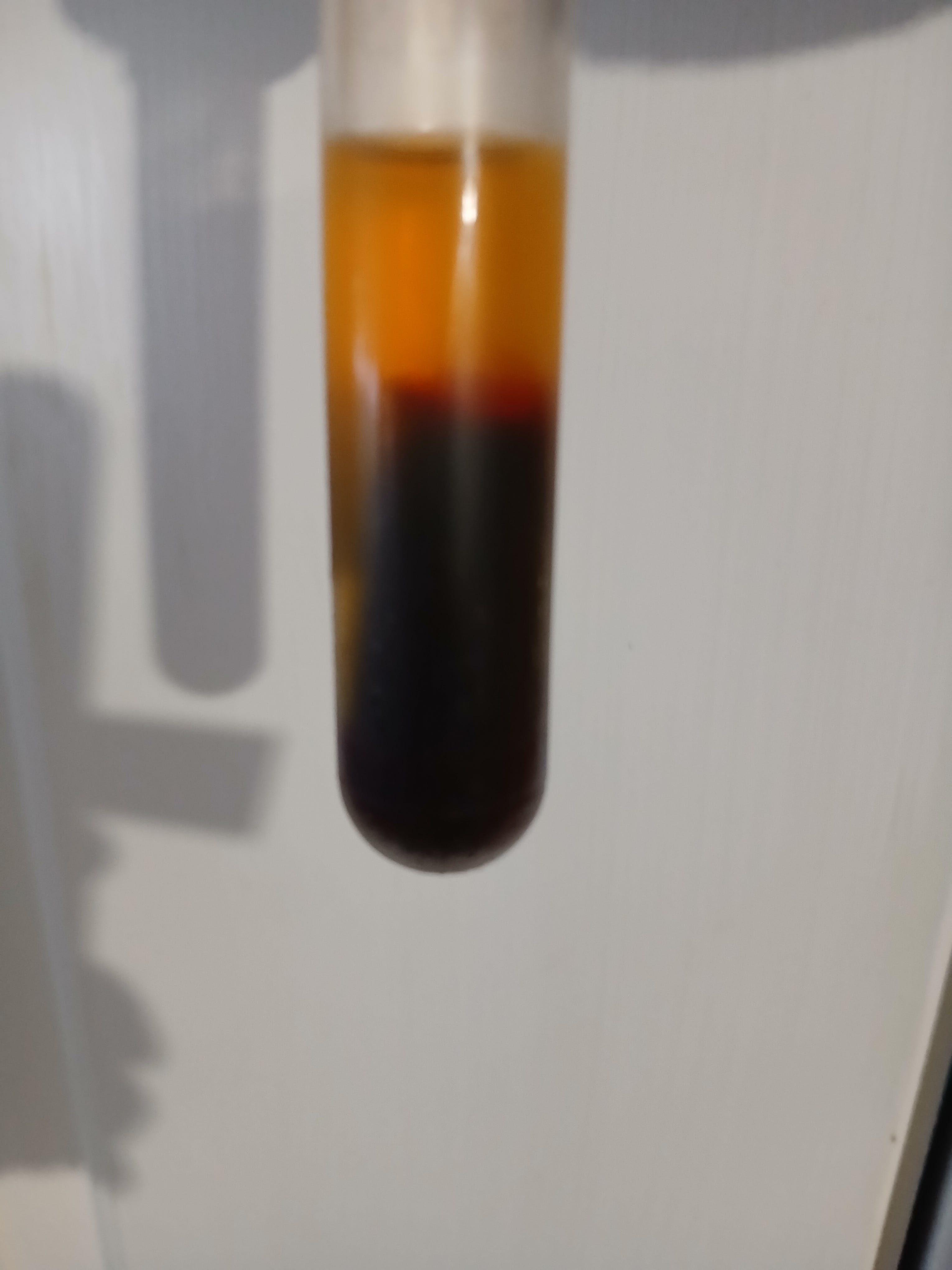
Vacutainer tube blood collection and use of a centrifuge is a good way to detect the presence of hydrogel, rubber clot in the blood.
I thought I was making a few minor changes to the protocol to stop the expression of gel/plastic, rubber clot, but seemed impossible to return to the no rubber clot state.