
Attention to one’s health effectively always proceeds with a focus on weight loss. The accumulation of excessive adipose tissue is indeed a cause for concern, as these fat deposits are far from passive bystanders — adipose tissue is a metabolically active and highly influential organ. However, discussion in both common parlance and professional circles insinuate (or simply proclaim) that the epidemic of overweight we face in the modern world is a simplistic, linear relationship between mere inputs and outputs. The insistence on machine analogies in describing the complex nature of biological processes has produced a deep-seated cultural perception that serves only incompetent medical professionals and the marketers who capitalise on their continued failure.
“[A] state of well-being resulting from a dynamic balance that involves the physical and psychological aspects of the organism, as well as its interactions with its natural and social environments.”
— Fritjof Capra
The view that weight gain is a simple consequence of excess food consumption and lack of physical exertion obfuscates the nuance regarding how complex systems like the human body function. Take the calorie, for example. The calorie is a unit of energy developed in the early days of steam engines ostensibly to understand how much coal would be needed to travel certain distances. It was only much later that the concept of a calorie was applied to living system — a poignant application of machine analogy to the unparalleled complexity of life. A calorie is defined by the amount of energy required to heat 1 litre of water 1°C. This fact often startles people as they often reflexively consider its implications; or lack-thereof.1 How the concept a calorie could be applied to the incomprehensible complexity of the human body, particularly as a linear relationship, is bewildering. This is perhaps even more incredible that the notion of energy balance simply as ‘calories in-calories out’ can still be taught at any level.
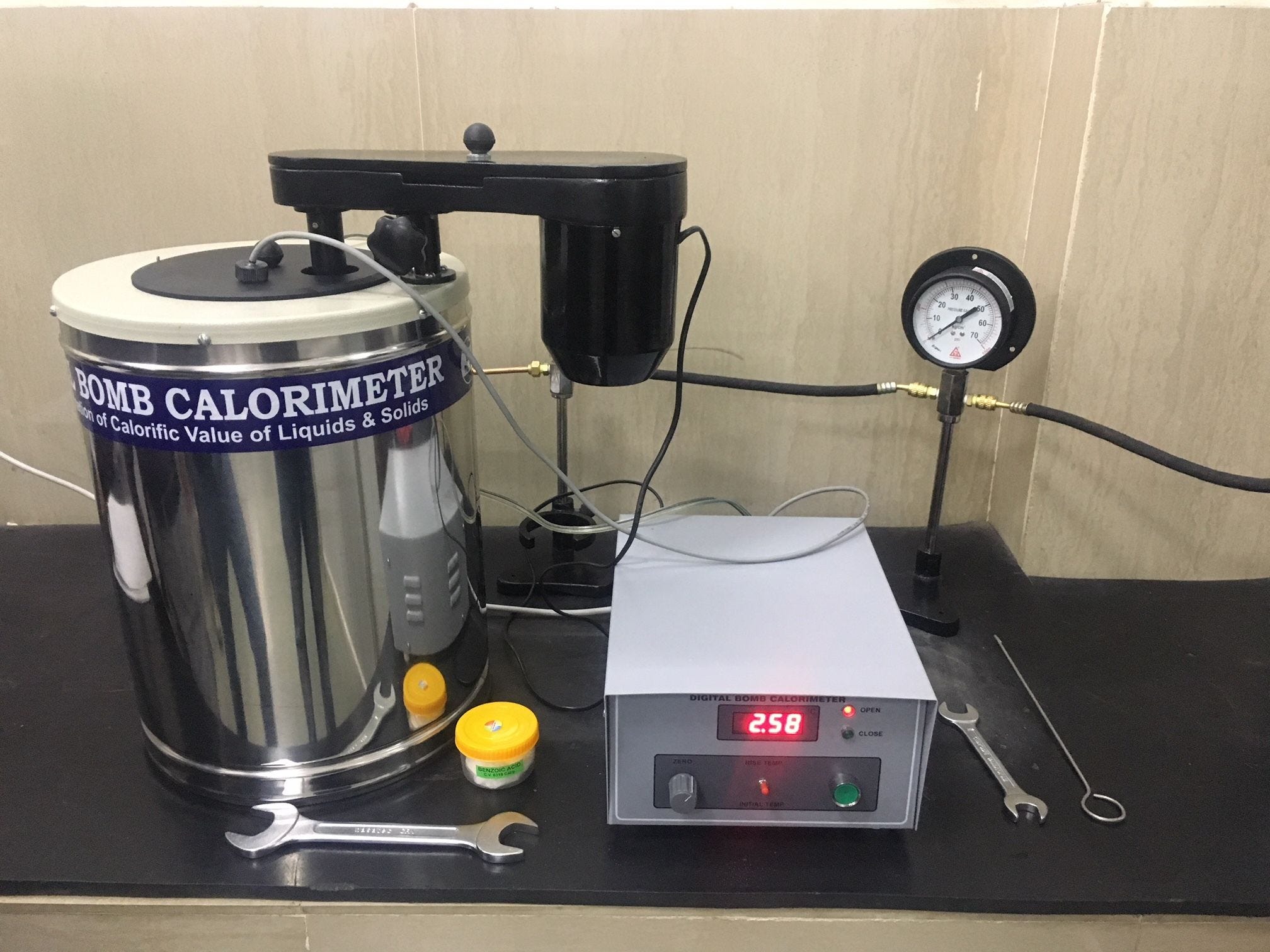
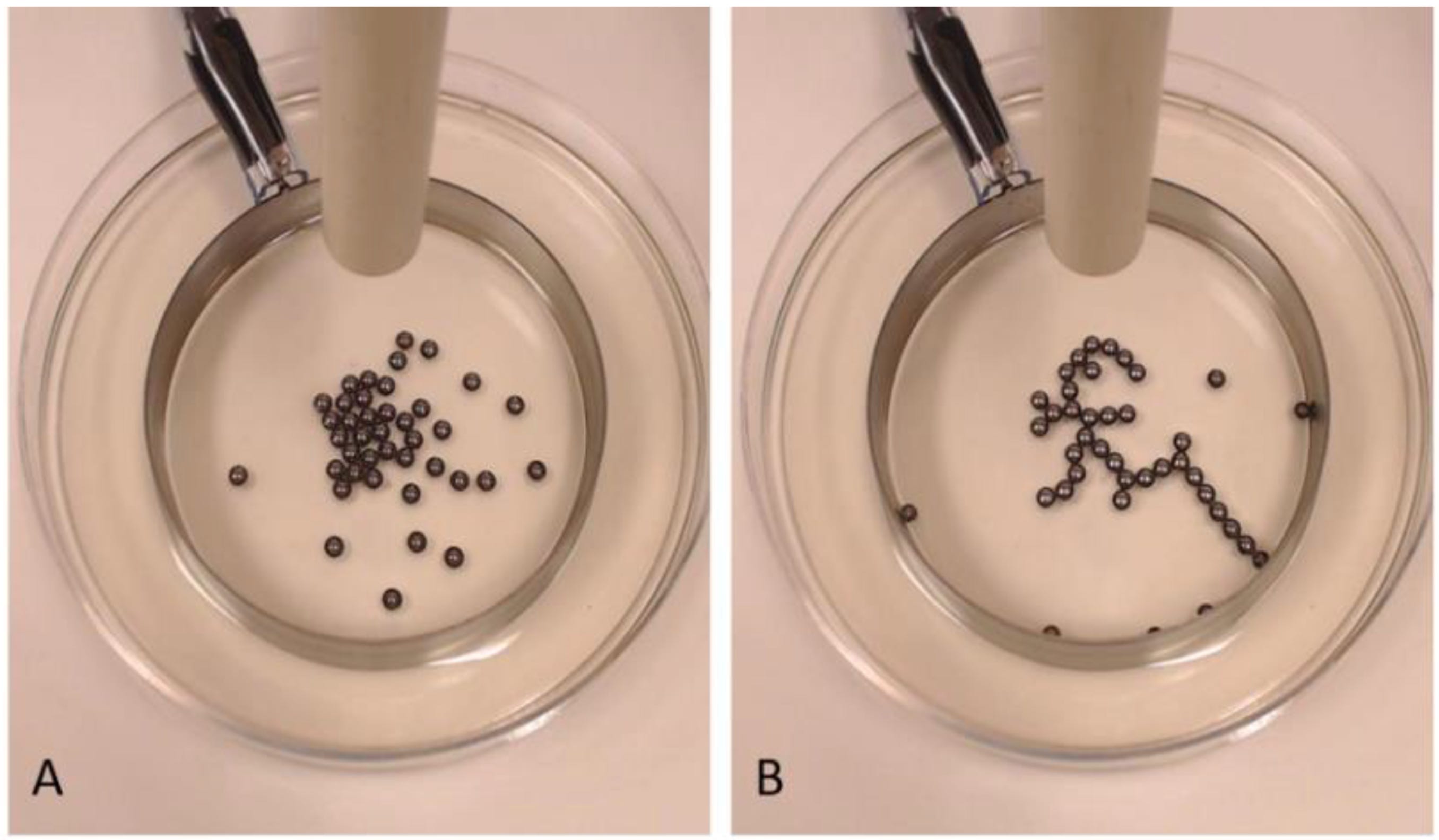
To gain a deeper, more fundamental understanding of why, in the modern world, there is an overwhelming tendency to store energy as adipose tissue, an intuitive framework for how energy flows through our bodies must be established. The human body maintains both its form and capacity for dynamic adaptation by the process of energy flow.2 Energy in diverse forms interact with our bodies, undergoing constant transformation while organising structure before it (now likely in a different form) is dissipated back into the environment. So what happens if this flow of energy through our body is disturbed?
Comments
Nothing yet. Say the first thing.
Sign in to join the conversation.