
In the summer of 1974, Americans were still reeling from Watergate, inflation, and a sense that the ground beneath their feet was shifting.
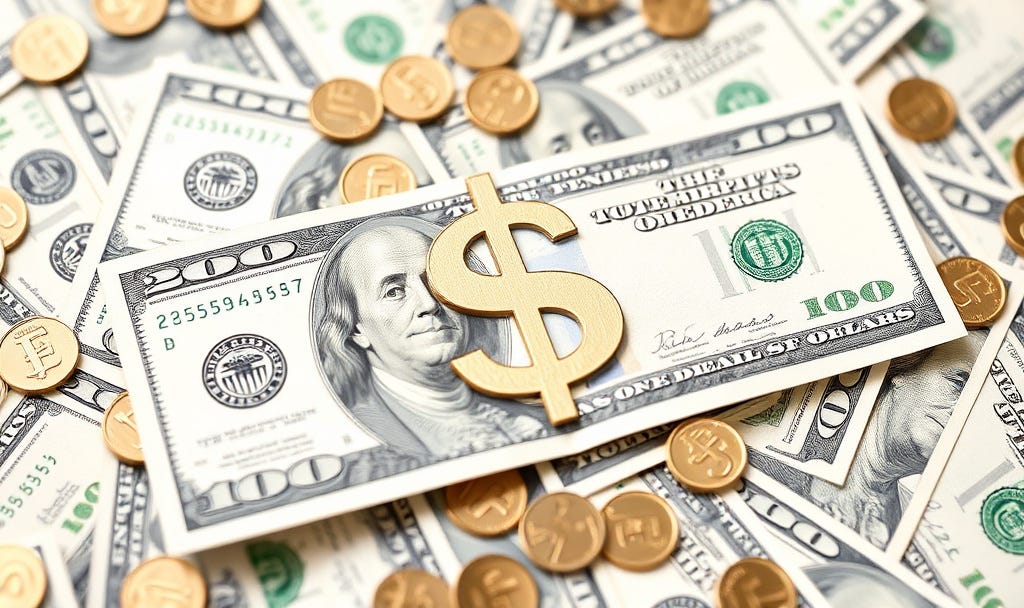
Amid that turbulence, President Richard Nixon made a quiet but monumental decision: the U.S. dollar would no longer be tied to gold. From that moment on, the value of America’s currency rested not on metal locked in vaults, but on something far more abstract — the full faith and credit of the United States government.
For everyday families, that phrase felt almost poetic. Faith. Credit. Trust. These were human words, emotional words, the kind you might use to describe a marriage, a friendship, or a promise between neighbors. And for decades, Americans believed that promise would hold.

But behind the scenes, another story was unfolding — one that would shape the lives of millions without them ever knowing it.
Henry Kissinger, with his trademark gravelly voice and geopolitical chessboard mind, traveled to Saudi Arabia and brokered a deal that would become the backbone of American prosperity. Oil — the lifeblood of modern civilization — would be sold exclusively in U.S. dollars. In return, America would protect the Gulf monarchies from threats foreign and domestic.
The arrangement was simple, elegant, and enormously powerful. Countries needed dollars to buy oil, so they bought U.S. bonds. America borrowed cheaply. Interest rates stayed low. The dollar became the world’s anchor.
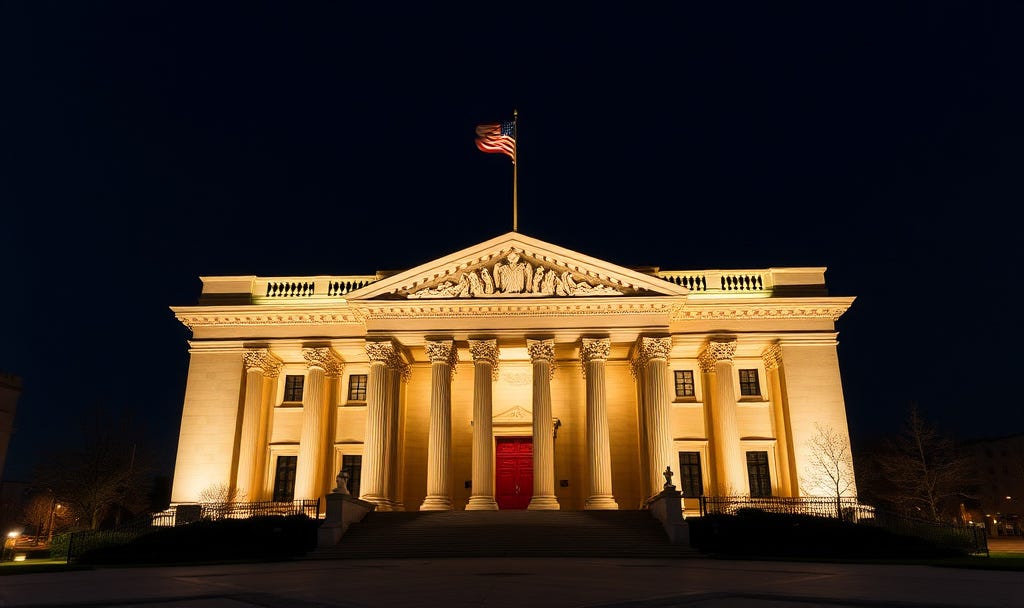
Most Americans never heard the term Petrodollar, but they felt its effects every day — in affordable mortgages, stable grocery prices, and a sense that the U.S. economy, for all its ups and downs, was ultimately safe.
But monopolies breed complacency. And over time, America’s ability to borrow cheaply became a temptation too strong to resist. Year after year, administration after administration, the national debt ballooned — $1 trillion, $5 trillion, $10 trillion, and now over $40 trillion.
It was as if the country had been living on a credit card with no spending limit, trusting that the world would always need dollars, always buy our bonds, always believe in our promise.

Then came a new era of geopolitical volatility. Under President Donald Trump, U.S. policy in the Middle East shifted sharply. His confrontations with Iran, including the strike that escalated regional tensions, led to retaliatory attacks on U.S. bases and damage to Gulf infrastructure.
Some Gulf nations — quietly, cautiously — began to question whether America could still protect them. And when protection is the foundation of your financial arrangement, doubt is dangerous.
At the same time, a new alliance was rising. The BRICS nations — Brazil, Russia, India, China, and South Africa — launched the mBridge system, a digital platform allowing countries to trade in their own currencies rather than the dollar. For nations long frustrated by U.S. financial dominance, this was a lifeline.
And for America, it was a warning.
Behind every economic headline are real people — retirees whose pensions depend on Treasury bonds, families whose mortgage rates hinge on global confidence, young workers whose futures are tied to the stability of the dollar.
When foreign nations buy fewer U.S. bonds, America must offer higher interest rates to attract buyers. Higher rates mean more expensive debt. More expensive debt means less money for schools, healthcare, infrastructure, and the social fabric that holds communities together.
It’s not just a financial story. It’s a human story.
Some economists argue that Trump’s foreign policy accelerated a trend already in motion — a world slowly diversifying away from the dollar. Others believe his actions created unnecessary instability, weakening trust in America’s reliability as a global protector. Still others say the Petrodollar system was always destined to erode, and no single president could have stopped it.
But the deeper question — the human question — is this:
What happens to a nation when the world begins to doubt its promise?
Faith and credit are fragile things. They are built slowly, lost quickly, and felt most deeply by ordinary people who never asked to be part of a global financial experiment.
America is not bankrupt. It is not broken. But it is standing at a crossroads where decisions made decades ago — and decisions made today — are converging in ways that touch every household.
Whether Trump hastened this moment is a matter of perspective. What is undeniable is that the world is changing, and the systems that once quietly supported American prosperity are no longer guaranteed.
And perhaps, in this moment of uncertainty, the question is not just about blame, but about responsibility — how a nation rebuilds trust, restores faith, and reimagines its future in a world where power is no longer a given, but something that must be earned again.
Comments
Nothing yet. Say the first thing.
Sign in to join the conversation.