
Last week I was in Tallinn for the first conference of its kind, Nex Day, featuring a number of speakers from self-managing organisations of different sizes and sectors. We heard about the radical experiment at Dutch bank ABN AMRO, life inside the RenDanHeYi model at Haier and GE Appliances, lessons from a two and a half year transformation journey at Roche and more. Here are some reflections from the two main highlights for me, and a few of my comments.
When I interviewed Topi Jokkinen, founder and CEO of Vertia, in 2021 things were looking good. They had been listed as one of Financial Times’ fastest growing companies in Europe, Net Promoter Scores for customers and employees were impressively high, and profit was trending upwards each year. As Topi put it, “we thought we had cracked the code.” But two years later, things took a turn. The Finnish construction market crashed and by December 2023, their revenue halved in just one month. At first, they did what self-managing organisations do: they discussed and took decisions together to negotiate redundancies. But then the cracks started to show: “Self-organisation became self-preservation.”
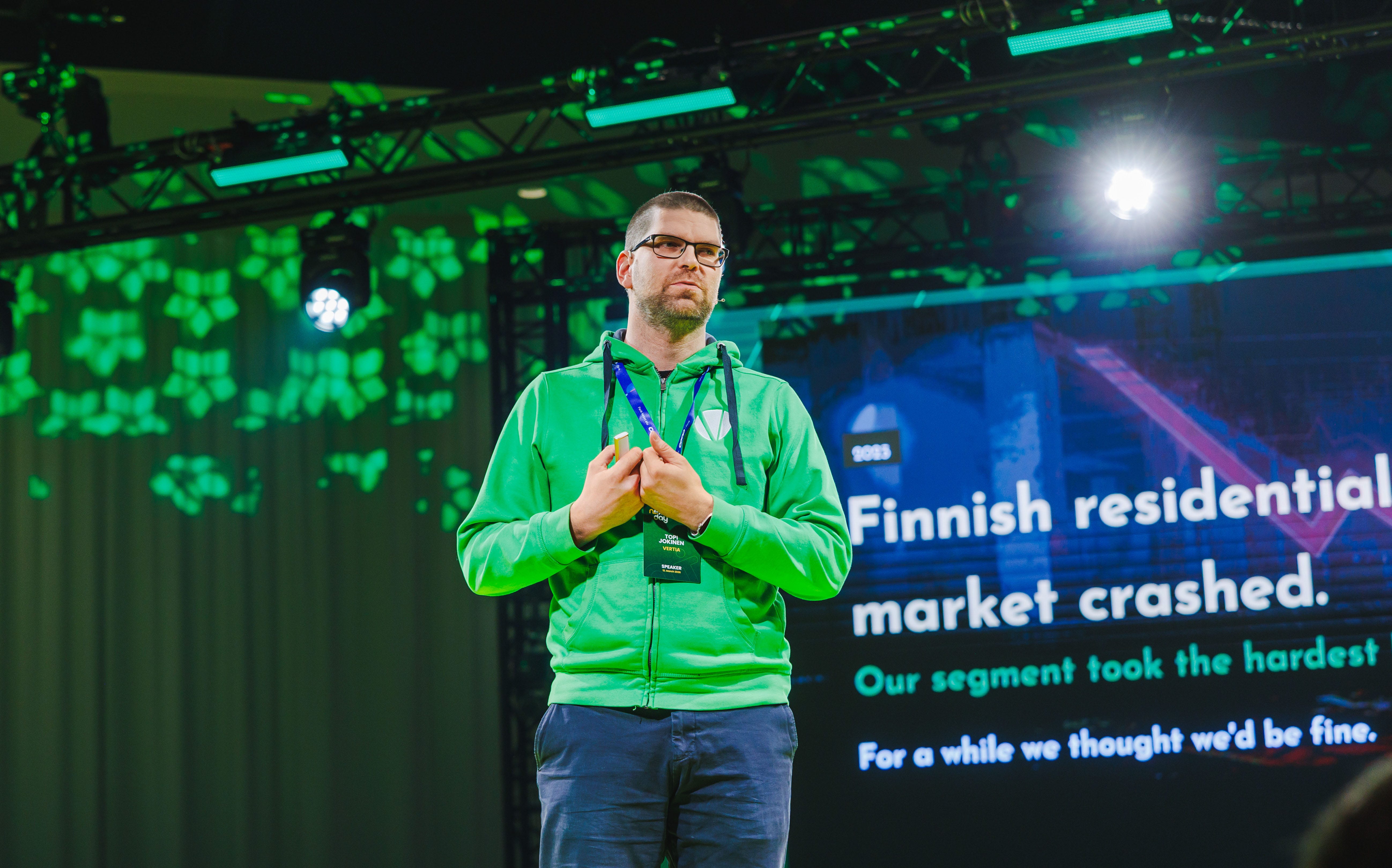
Initiative vanished – people were suddenly afraid to take decisions, even though they had the authority. Communication broke down and people were no longer solving problems together in the way they used to. Many, including Topi himself, began racking up overtime in an attempt to get things back on track. And performance was declining, with the company making its first ever loss in 2024.
Topi shared his key learnings from this 18-month crisis period.
Although they had mapped out roles in the organisation and decentralised decision-making authority, Topi realised there wasn’t true ownership. People were reluctant to take high stakes decisions. The decision was taken to create new roles with clear decision-making responsibility: Sales Lead, People Lead, Operations Lead. At first, he was hesitant about this. Didn’t this mean a return to managers? But it slowly became clear to him that although self-management means being equal in many ways, it doesn’t necessarily mean being equal in responsibility. Topi was also forced to confront the fact that in all honesty, the ultimate decision-making responsibilities in the domains of Sales, People and Operations had still been on his table up to this point.
Even before the crisis, there had been a team at Vertia that was consistently underperforming. Looking back now, Topi can see that he had explained this away for too long. “Maybe if I coach them a bit more, they’ll turn things around. Maybe they just need a bit more time,” but nothing seemed to help. The reason, he realised, is because the pain of the underperformance was not being experienced directly in the team. It remained Topi’s problem, not the team’s.
The solution was to introduce a transparent traffic light system that would outline clear boundaries and required actions:
If the metrics were on green, the team would maintain full autonomy about how to operate
If the metrics dropped into amber, the expectation was that the team needed to self-correct or ask for help
If the metrics went into red, the team would be alerted in advance about potential serious measures to be taken, such as layoffs
This learning reminds me of Frederic Laloux’s video about creating self-correcting systems. He shares the story of the CEO of a university hospital who asked him how to solve the issue of one team that was under-resourced versus another team that had too much spare capacity. His advice? Find ways to expose the teams to a direct experience of the pain felt in the system. In this case, for the extra capacity team to hear directly the suffering of the overworked team, at which point they immediately volunteered their spare resources.
As Frederic summarises, you need three things for self-correcting systems:
Psychological ownership (i.e. people care about the organisation’s purpose, their work and so on)
Everyone in the organisation must directly experience the outcome of their work (in other words, everybody directly feels the pain and the pride that comes from their work)
Everyone has power to make changes (if I feel the pain of something not working, I need to be able to take action using, for example, the Advice Process, without approval from up the chain)
The final lesson from Vertia was that their previous approach of measuring individual performance was actually de-incentivising collaboration and collective responsibility. Today, bonuses are tied to team performance, and not individual outcomes.
Having navigated this bumpy period, Vertia is slowly starting to recover, with growth back at 30-40%, even though the market has remained unsteady. In fact, their profitability is better than before the crisis. Their operating model, though, is still under development.
Topi’s main takeaway from this whole experience was that in self-organisation, leadership still matters. It reminds me of a phrase I coined a few years ago in response to a common misconception that self-managing organisations are leaderless. I describe them instead as: boss-less but leader-full.
Last November, I interviewed Tom van der Lubbe, founder of mortgage advice company Viisi, another self-managing organisation that also had to endure a financial crisis. Researcher Kristina Stoiber analysed hours and hours of recorded Holacratic meetings to discern key lessons of where the decentralised model broke down under stress. Viisi’s crisis, she found, exposed two key weaknesses:
1. Transparency doesn’t automatically translate into understanding (data, for example, about the P&L was shared, but not fully understood)
—> the ‘transparency-understanding gap’2. Decentralised autonomy doesn’t necessarily translate into shared responsibility (decisions were distributed, but accountabilities were unclear)
—> the ‘authority-responsibility’ gap
“How they centralised predicted and determined whether the system was supported and preserved, or whether people ultimately lost faith in the system and the leaders’ commitment to it.”
In the cases where leaders started making decisions without discussing or asking questions, employees started questioning the model. In the other organisations, leaders initiated dialogues and got consent from other stakeholders before they started centralising. They also centralised in a very transparent way.
The theme here – whether in Lee’s research, or in the cases of Vertia and Viisi – is that some ‘democratic deviations’ may be helpful or even necessary in times of crisis. What’s important is how those democratic deviations are enacted. The how will determine if self-management is undermined or strengthened after the business has recovered from the crisis.
Finally, what I wish to communicate to self-managing companies whose models face the ultimate test in a business-threatening crisis is this: beware the Pendulum of Doom. On the one side, you might be tempted to swing back to the perceived safety and familiarity of autocracy and centralisation, without consulting others. On the other, you might swing too far in the other direction, feeling that you are “not allowed” to exercise leadership or choose to re-centralise some necessary decision-making domains.
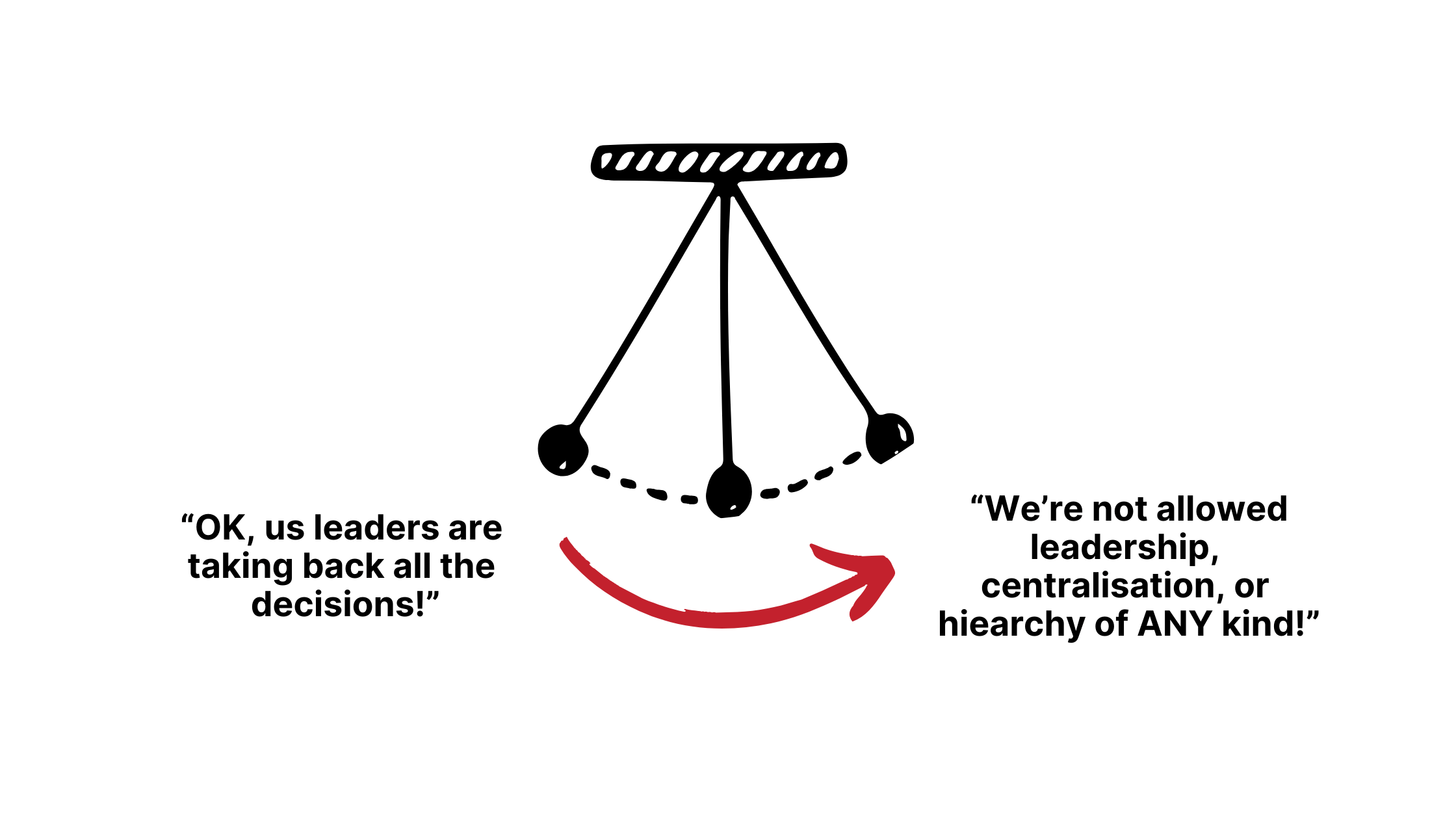
The key is not to be reactive, but to consciously choose what steps are necessary to take and land on a hybrid of democratic and ‘leaderful’, which might mean a few places of temporary centralisation. We may decide, by consent, that we think the CEO is the best person to take crucial operational decisions in this challenging moment. Or we may feel unable or unwilling to take high stakes decisions such as what layoffs are needed and who should be selected, and therefore establish a temporary centralised crisis team (as Viisi did). There is no right or wrong here, it simply matters how we decide. Is our decision in line with our purpose and values? If yes, great!
Another highlight of the Nex Day conference for me (and many others) was the presentation by Annika Essén-Suuronen from Bayer. I’ve heard a lot about the organisation’s bold move towards Dynamic Shared Ownership, or DSO (I wrote about it here when it was announced in a press webinar in February 2024.) But Annika gave a more human, personal perspective on what it actually feels like to be one of the managers in this transition who loses their title, their formal authority.
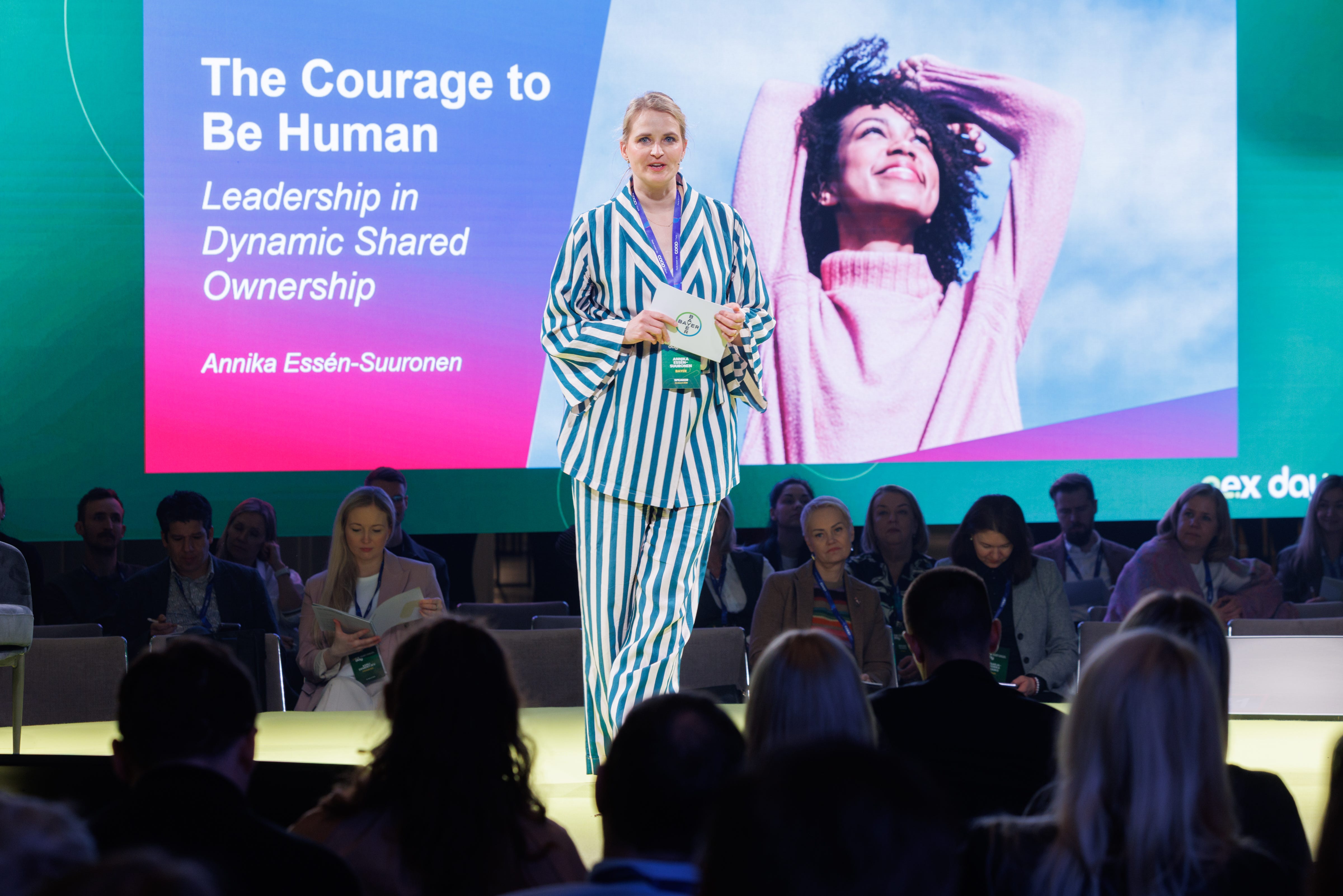
Speaking with honesty and a quiet determination, she said at first the change in her role was a painful loss, almost akin to an identity crisis. What’s more, it brought up familiar uncomfortable feelings from adversities she had faced in her personal life, including her recovery from ovarian cancer. She realised her tried and tested strategy of “fix it, people please, do more” wouldn’t cut it here. It turns out, she told us, that her cancer journey had not just been about surviving an illness, but a preparation for the inner DSO journey she would need to undertake. Annika shared her most profound lesson:
“Sometimes the most brave thing a human, or a leader, can do is let go.”
I really resonated with her observation that the greatest risk to initiatives like DSO is not structural, it’s human. Our unexamined patterns, Annika stressed, are what shape the culture. And I have met many leaders who, consciously or otherwise, experience the shift to self-management as a sort of identity death. It’s so important to have spaces to process this, to feel heard in the feelings of grief, and to be supported to emerge from the chrysalis with a new identity. If not, we will continue to enact manager-subordinate behaviours, creating friction, and we will suffer much more than is necessary.
As Annika said, what these transformational processes require of us is psychological courage, emotional maturity, and identity strength – the willingness to take ownership, even without formal authority.
Because again, in decentralised organisations, we need more leadership, not less. It’s just a different kind of leadership, and it needs to be energised by many more people, not just the privileged few with a job title. Annika asked herself a powerful question: who am I without the role? She confronted the part of herself she had not needed to look at before: the need to be needed, to be right, to be in control, to be relevant, and the discomfort of not having all the answers. At Bayer, DSO has necessitated new leadership archetypes: visionary, architect, catalyst, coach.
As Annika found, this journey is not necessarily going to be easy or fun. In my own presentation, I talked about the need to break the hierarchical dynamic, including what researcher and practitioner Veiko Valkiainen calls “unlearning the learned helplessness” (I plan to write more about his paper soon).
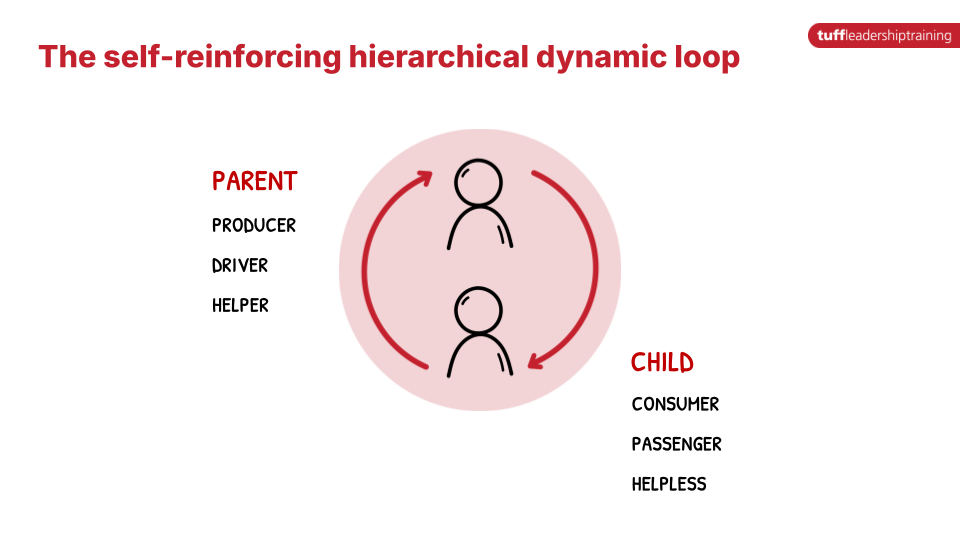
One facet of this is for leaders to stop being problem-solving robots and advice addicts, and to instead strengthen their ability to be more coaching. In other words, to “stay curious a little longer” (as Michael Bungay Stanier puts it), to listen more, to ask questions. But, as I explained, this is not a simple switch, because when you start to practise coaching conversations, you don’t get the same dopamine hit as giving an immediate solution or piece of advice. It will be unsatisfying. Slow. You’ll find yourself feeling: “Am I actually adding any value here?” Or even: “What is my self-worth if I’m not solving or advising?”
That’s why it’s so helpful to anchor new habits to a clear why and to remind yourself that it’s not a quick fix – the journey to becoming more adult-adult as a leader is gradual and non-linear. It will take commitment and even a little bit of blind faith. According to neuroscience, we cannot delete old habits, but we can rewrite them.
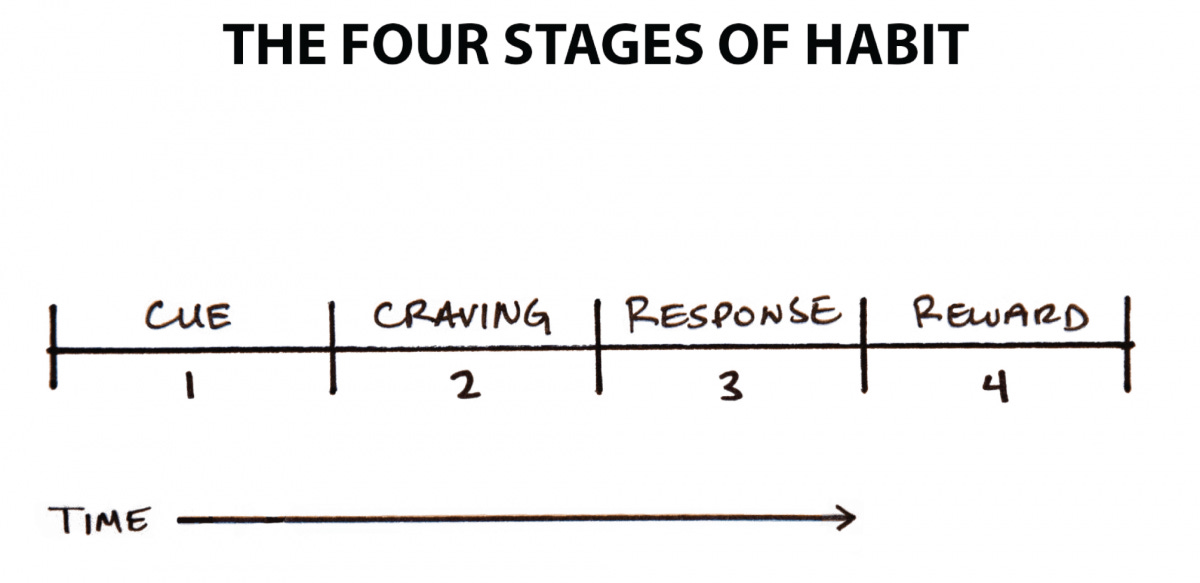
One part of rewiring a habit is to identify a new reward system. In the case of choosing to be more coaching, without the dopamine hit of delivering advice or a solution, what could you seek instead? For example, you could ask people at the end of a coaching conversation: what was most useful for you in this conversation? Or note when someone comes up with a solution that you never could have thought of. Or write down when you notice someone solving an issue without needing to come to you first. Little by little, you’ll realise the long-term benefits for you and others when you give up the instant gratification of always giving advice for something more nourishing and sustainable. It’s not that you can never give advice again, but the distinction is that you have access to more choice.
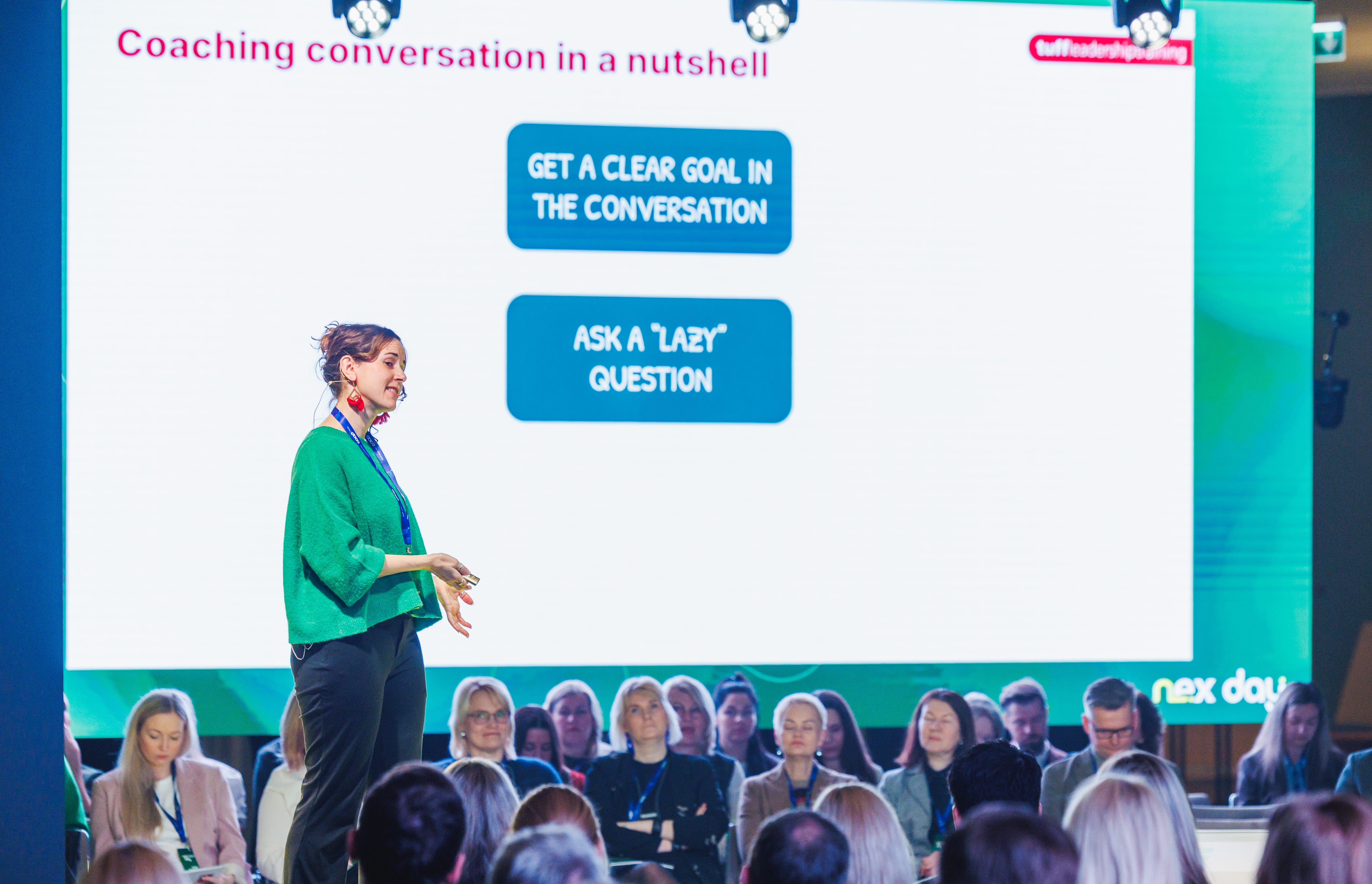
There was a red thread in all of the speakers’ keynotes: this is not just a structural journey, it’s a human one. If we don’t also upgrade our mindsets and our ways of being, especially as leaders, these new organisational models will not work. And we must embrace the paradox of bossless but leader-full. As Topi put it: in self-organisation, leadership still matters.
You might be interested in some of my other posts on this topic such as:
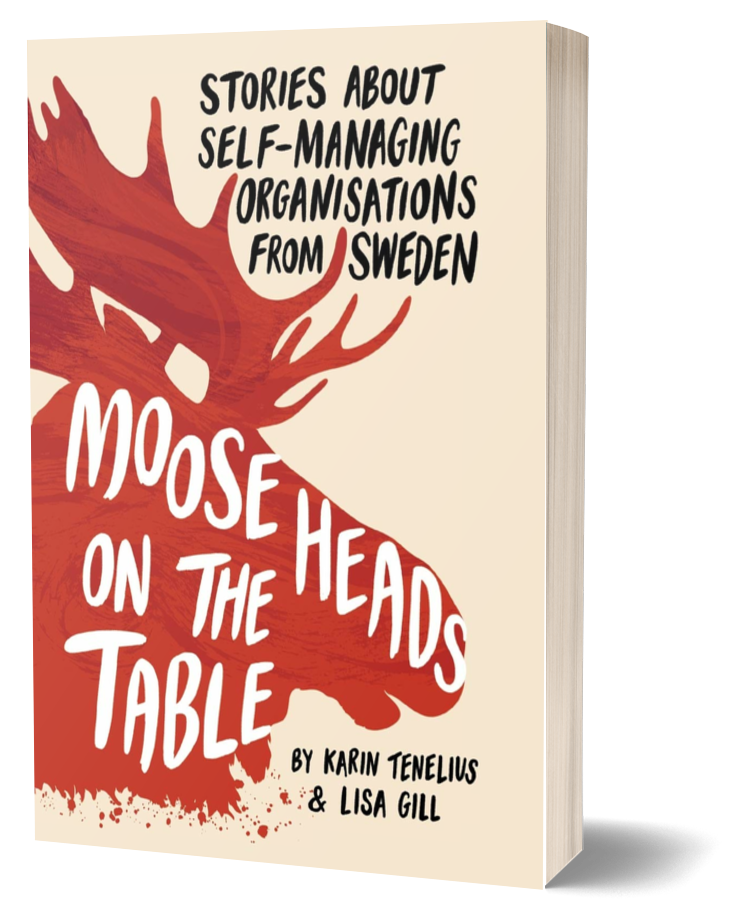
I’ve also written a book called ‘Moose Heads on the Table: Stories from Self-Managing Organisations in Sweden.’ As Pim de Morree from Corporate Rebels said:
“Truly love this book. It fills an important gap in self-management literature. It has a strong focus on coaching towards self-management and less on structures and processes. Very powerful perspective!”
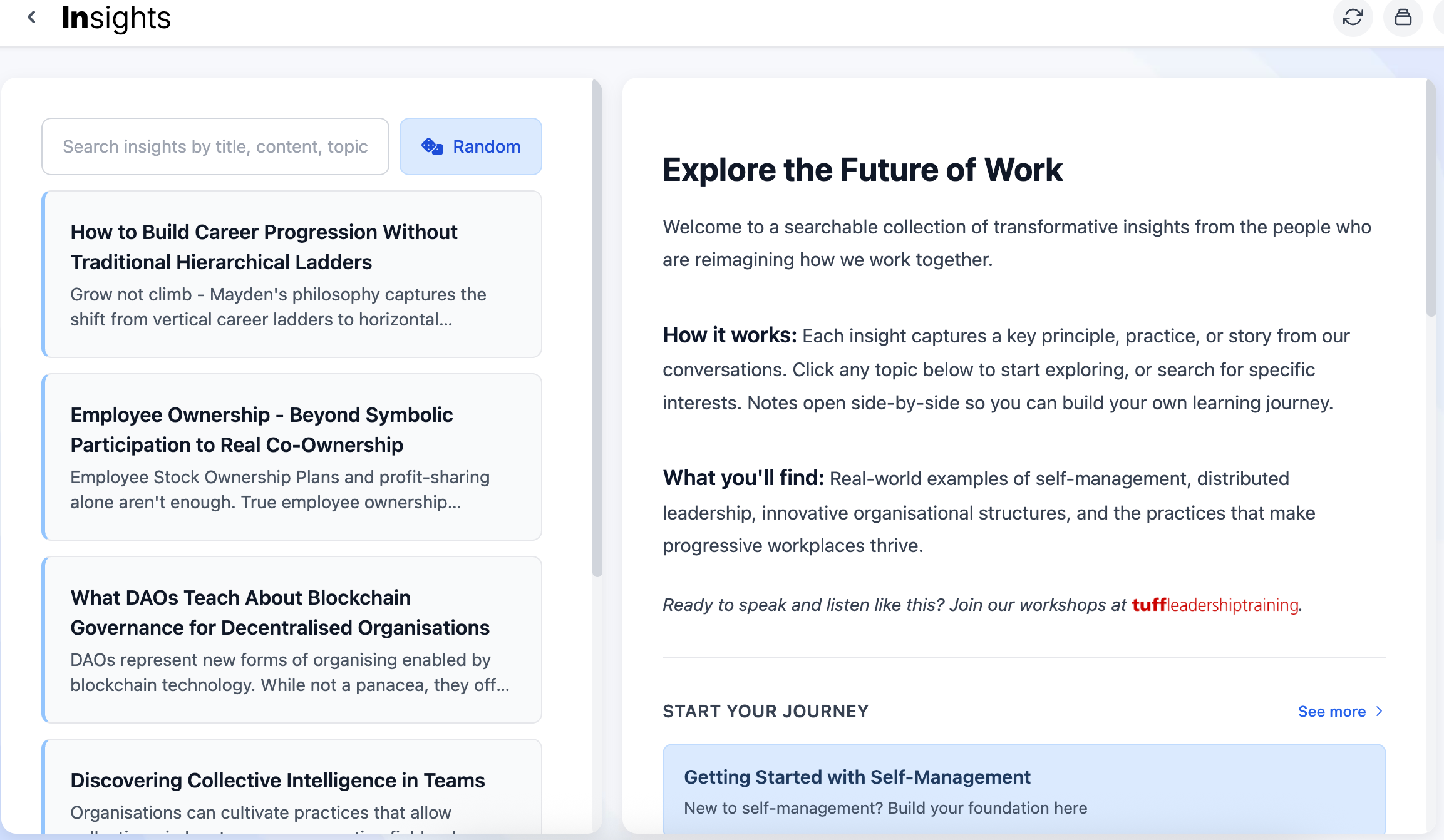
And finally, check out my podcast Leadermorphosis where I’ve interviewed over 100 practitioners of new ways of working. Popular episodes include: Frederic Laloux, Jos de Blok, Margaret Wheatley, and Amy Edmondson. You can also search the podcast website for ‘Insights.’ For example, want to know about self-managed salaries? Go to the Insights tab and type it into the search bar to find examples and soundbites about this topic.
No posts
Comments
Nothing yet. Say the first thing.
Sign in to join the conversation.