
There was a season of my life when the voice in my head was crueler than anyone I had ever met.
I’d lose entire weekends stuck in bed, drifting between sleep and tears while my mind replayed every failure, every fear, every reason I wasn’t enough.
Nobody really prepares you for how much life can hurt sometimes.
I thought I was serving a life sentence of hating myself. The voice in my head told me I had simply been dealt a bad hand. It whispered things will never really get better, so why even try?
Depression has a strange gravity to it; it weighs you down and traps you in the darkness. What I didn’t understand then is that nobody is born hating themselves.
If the voice in your head tells you that you’re stupid, that you’re not enough, that you’ll never figure life out — someone put that voice there. Somewhere along the way those words were spoken, absorbed, and repeated until they started to sound like truth.
And just like that voice was learned, it can be unlearned too.
Reprogramming those immediate, subconscious thoughts takes time and patience. I still work on it myself. But I’m living proof that it’s possible.
“Are you stupid? Are you really that stupid?” My college voice teacher shouted across the piano during a lesson.
At 21, I was a music education major. I loved singing, but my goal was to teach, not chase an opera career the way this professor had. When that didn’t work out for him, he found himself in rural Iowa, taking out his life regrets on us.
Week after week, he berated me in our lessons.
Nothing was ever good enough. Every mistake became an opportunity for ridicule. The angrier he became, the worse I performed.
My depression was completely unchecked and untreated. I didn’t have the language yet for what was happening inside my mind; I just knew that when someone yelled at me, my body went straight into fight-or-flight.
My childhood had wired my nervous system that way.
Sometimes I didn’t even make it back to my dorm room before the tears began to fall.
Eventually, I asked the department head for help. His jolly advice was simple: “Tough it out.”
So I did. For years.
Then, six months before my senior recital—a required performance of thirty minutes of memorized classical music in front of faculty and peers—everything collapsed.
“I don’t want my name on your recital program,” he said. “You should find another teacher.”
I didn’t know at the time that when we live around a voice like that long enough, it slowly starts to move in and make itself at home.
And for someone who was already fighting to stay alive, that kind of internal voice can be devastating.
After he told me to find another teacher, my world collapsed for a few weeks.
I went home for the summer and cried. I beat myself up for ever having the courage to pursue music in the first place.
But eventually, I did what we all have to do sometimes: I got out of bed and took one, small step toward help, and texted my high school voice teacher.
She was one of the funniest, most joyful humans you could ever hope to meet, let alone trust with something as vulnerable as your singing voice.
During our first lesson back, I broke down and told her everything. When I finished, she stood up and walked slowly around the piano.
Then she gently placed her hands on my face. She wiped another tear from my reddened eyes.
Not promising to fix it, just in the mess with me.
Then she smiled and said,
“You can do this, Sammy Eaton.”

That moment in her studio is still with me. Looking back now, I realize she was replacing a voice that had been tearing me down for years.
That’s the strange power our words have. A few sentences spoken at the right moment can interrupt a story someone has been telling themselves for years.
And ever since, those words have kept appearing at pivotal moments in my life.
Sometimes from a teacher.
Sometimes from a therapist.
Sometimes from a friend who could see I was struggling.
Eventually, they started showing up in my own writing, too. And slowly, I realized I wanted to pass that same encouragement along to as many people as possible
I began paying attention to what actually helps people keep going when life gets heavy. The real practices that help someone rebuild their life from the inside out.
Patterns began to emerge. Certain ideas kept appearing again and again during the seasons when my mental health was strongest.
Taking bold action when fear tells you to hide.
Learning to speak to yourself with kindness instead of cruelty.
Remembering your worth is bigger than your productivity.
Building coping skills and resilience for the days life swings hard.
Caring for your mind and body.
Finding purpose in ordinary days.
Building meaningful connections with others.
Eventually, those ideas became the seven core practices I return to:
Bold Action
Self-Talk
Self-Worth
Resilience
Self-Care
Purpose
Connection
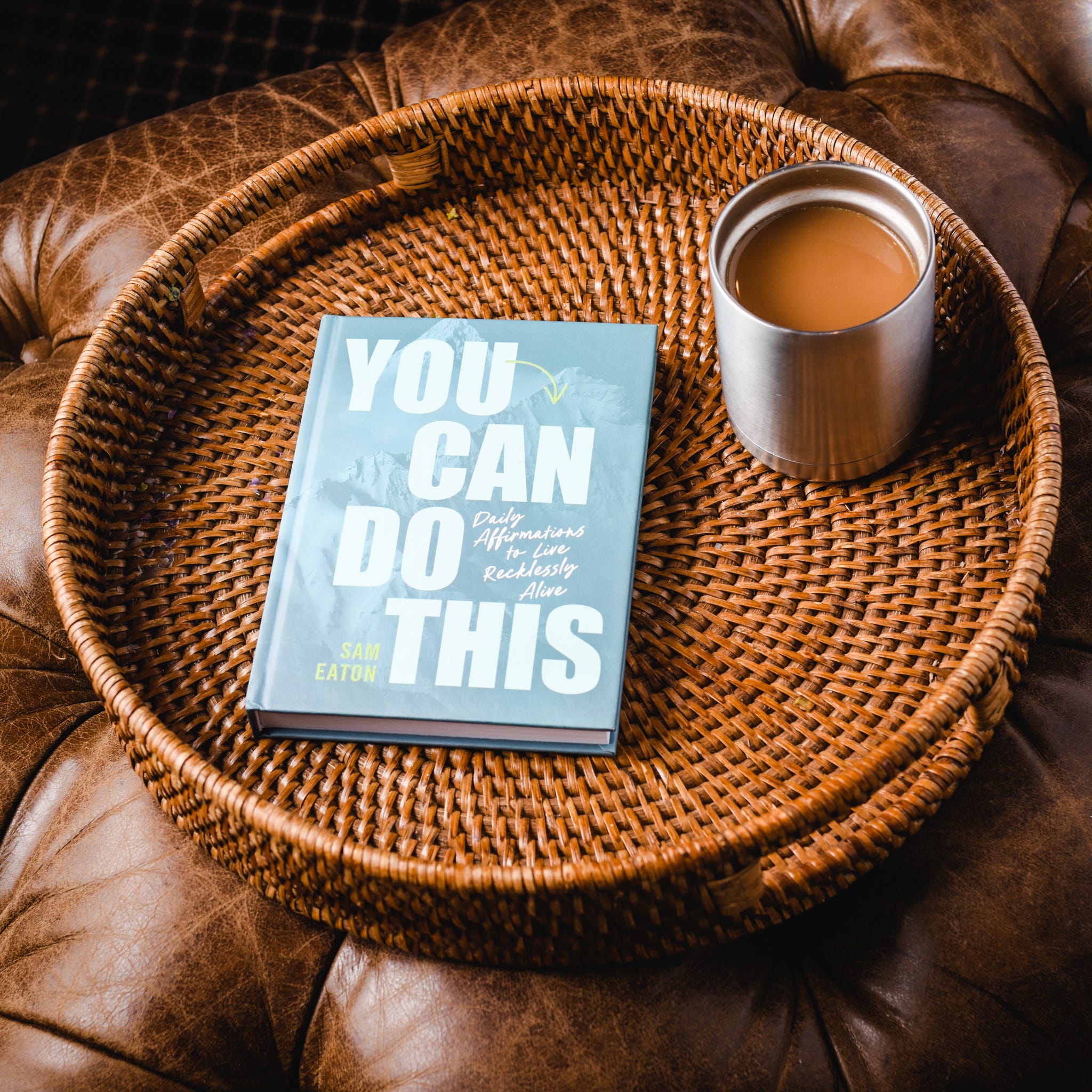
And then, HarperCollins gave me the chance to turn them into my new book — a 13-week daily reader designed to feel a little like that moment in the piano studio, a steady voice reminding you that forward is still possible.
The book is called: You Can Do This: Daily Affirmations to Live Recklessly Alive.
Check out the full announcement video here:
Comments
Nothing yet. Say the first thing.
Sign in to join the conversation.