
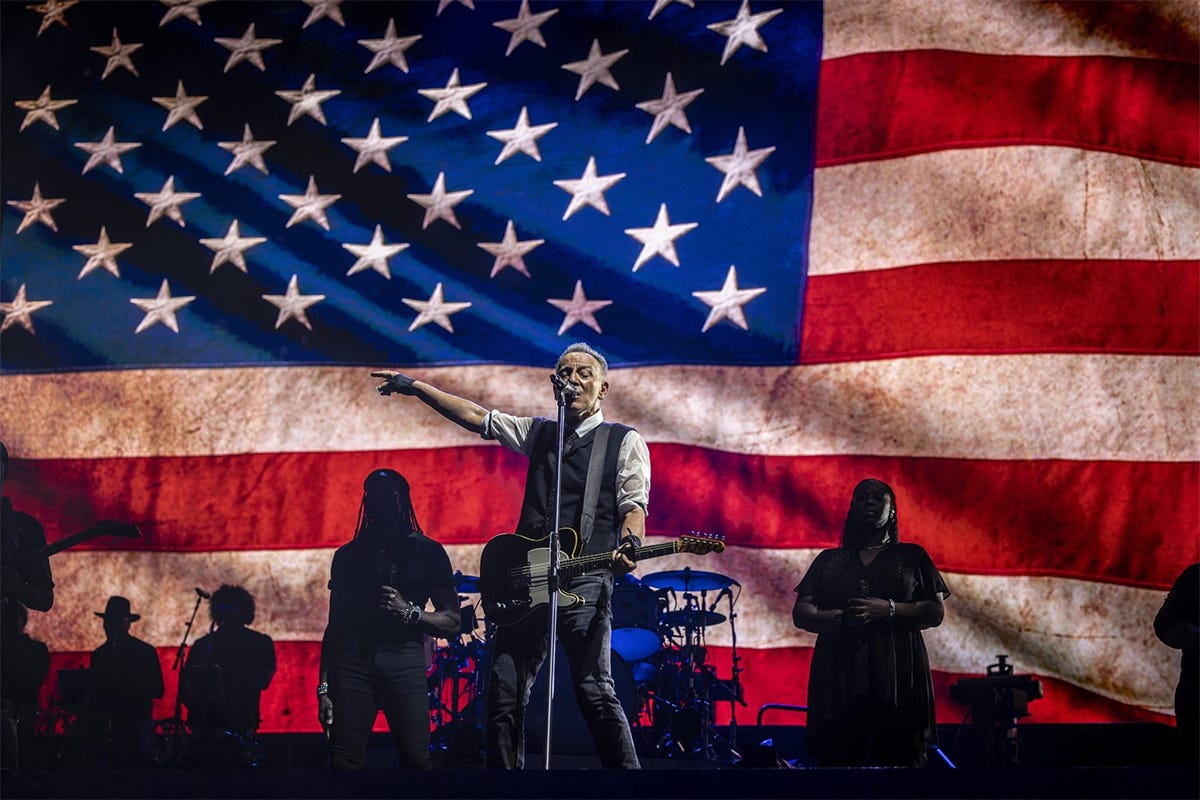
Musicians understand something policymakers have largely forgotten: tradition is not the enemy of innovation.
Every musician begins with an inheritance. A jazz standard has a structure. A sonnet has fourteen lines. A blues progression has twelve bars. A fugue has rules. A raga has conventions. Even improvisation happens within a shared framework.
Form is not a prison. It is a conversation across generations.
Musicians do not become original by escaping these forms. They become original by inhabiting them so deeply that they can stretch them, reinterpret them, and occasionally transform them.
Structure does not suppress creativity. It gives creativity somewhere to happen.
That strikes me as a beautiful way to think about democracy.
Democracies are also built on inherited forms. Constitutions, institutions, procedures, civic traditions, and laws are not accidents of history. They are the accumulated wisdom of generations that struggled with many of the same questions we face today.
They were never intended to become museum pieces. They were frameworks within which each generation could solve problems the founders themselves could never have imagined.
Artists understand this instinctively.
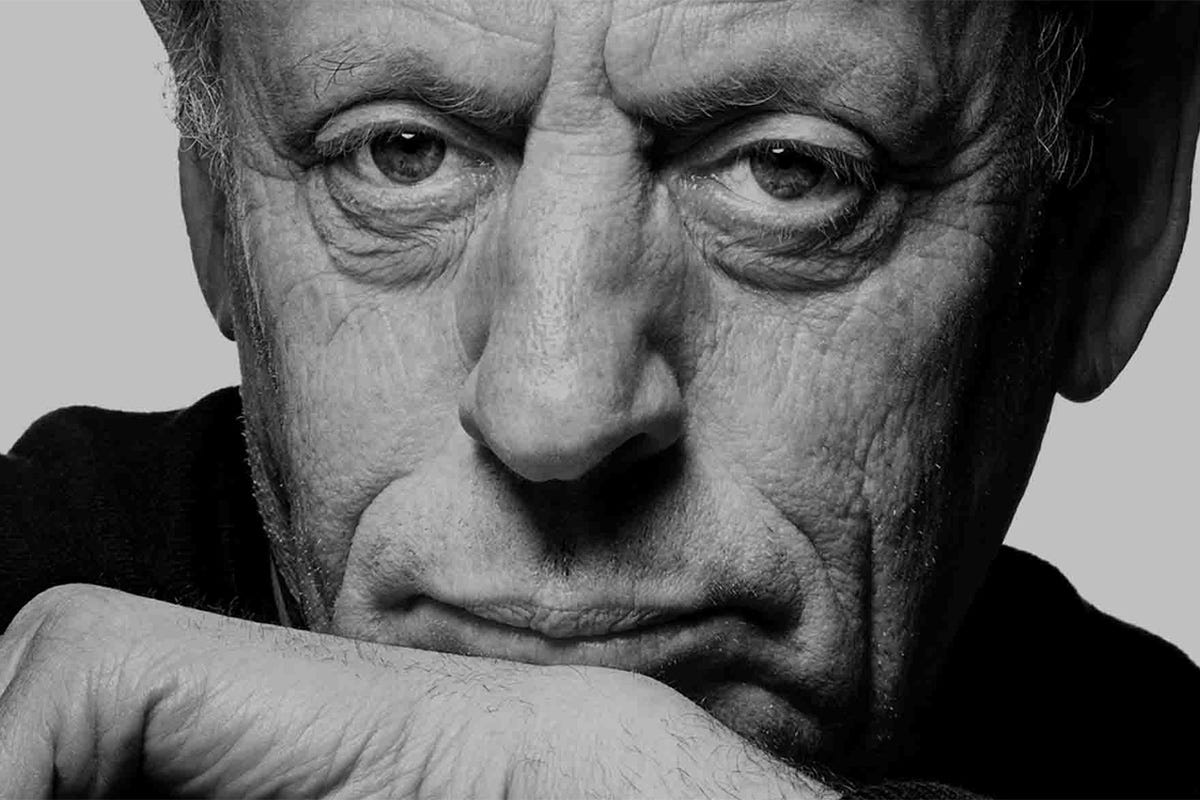
Consider Philip Glass. His minimalism sounds radical when you first listen to it. Repetitive and hypnotic and unlike almost anything that came before it. But it never abandons tonality or meter. It obeys them so closely that repetition itself becomes the innovation.
Glass didn’t escape the constitution of music. He found something inside it that centuries of composers had never noticed.
There’s a thought for us all. It’s not only a beautiful way to think about democracy. It may be the only way democracies survive their own age.
Too often our politics swings between two temptations, and both are visible on every continent right now.
One insists that inherited institutions must remain untouched, treating founding documents as sacred texts to be recited rather than living frameworks to be used.
The other treats those same institutions as obstacles, convenient checks to be worked around, ignored, or dismantled whenever they slow down whoever currently holds power. The justification is usually an emergency, a tradition, or a claimed “will of the people” that excuses ignoring the very framework that granted that authority in the first place.
A constitution treated only as a monument and a constitution treated only as an obstacle end up in the same place: unused for what it was built to do.
Musicians spend their lives practicing a more demanding discipline. They honor standard forms without treating them as sacred. They adapt legacy structures rather than discard them. And they imagine new elements without destroying the framework that gives them meaning.
Policymakers could learn from people who spend their lives practicing and demonstrating that limitations don’t restrict creativity.
— Randall White

We envision governments, institutions, and communities drawing on the creative intelligence of artists, across every discipline, to build a healthier democracy.
Comments
Nothing yet. Say the first thing.
Sign in to join the conversation.