
Prefer to listen? Let me read this to you:
0:00
-3:27
For months, I’ve been asking artists to imagine helping strengthen democracy.
I’ve come to think I was asking the wrong question.
The question wasn’t how artists could become more civically engaged.
It was this:
What have artists been practicing all along that healthy democracies cannot function without?
That realization changed the way I think about Res Creativa.
It may change the way you think about your own work.
If you’re a musician, you’ve spent years learning to listen, improvise, and create harmony without requiring everyone to play the same note.
If you’re an actor, you’ve practiced inhabiting lives unlike your own.
If you’re a writer, you’ve learned that stories can reveal truths arguments alone cannot.
If you’re an architect, you’ve thought deeply about how people move through shared spaces.
If you’re a ceramic artist, you know that repair is not the opposite of brokenness. Sometimes it is its fulfillment.
Different disciplines.
Different practices.
The same result.
Each cultivates capacities that democratic life depends upon.
For generations, artists have been asked to justify their existence.
We point to economic impact.
Education.
Tourism.
Entertainment.
Mental health.
Those are all worthwhile.
But perhaps we’ve been making the wrong argument.
Perhaps the arts are indispensable because they cultivate ways of seeing, listening, questioning, remembering, collaborating, repairing, and imagining that no healthy society can afford to lose.
Those are more than artistic practices. They are civic capacities.
So, I’d like to ask you something. Not what you make. Not where you exhibit. Not how many people attend your performances.
Instead:
What have you been practicing your whole life that democracy also needs?
Don’t answer that too quickly.
I suspect your answer is more important than you realize.
The future will not be shaped only by better policies. It will also be shaped by people who have spent a lifetime cultivating the human capacities that make good policies possible.
That includes you.
This is where Res Creativa begins.
Not with the question, What should artists do?
But with the question, What have artists been preparing for their whole lives?
That’s where we’ll begin next time.
— Randall White


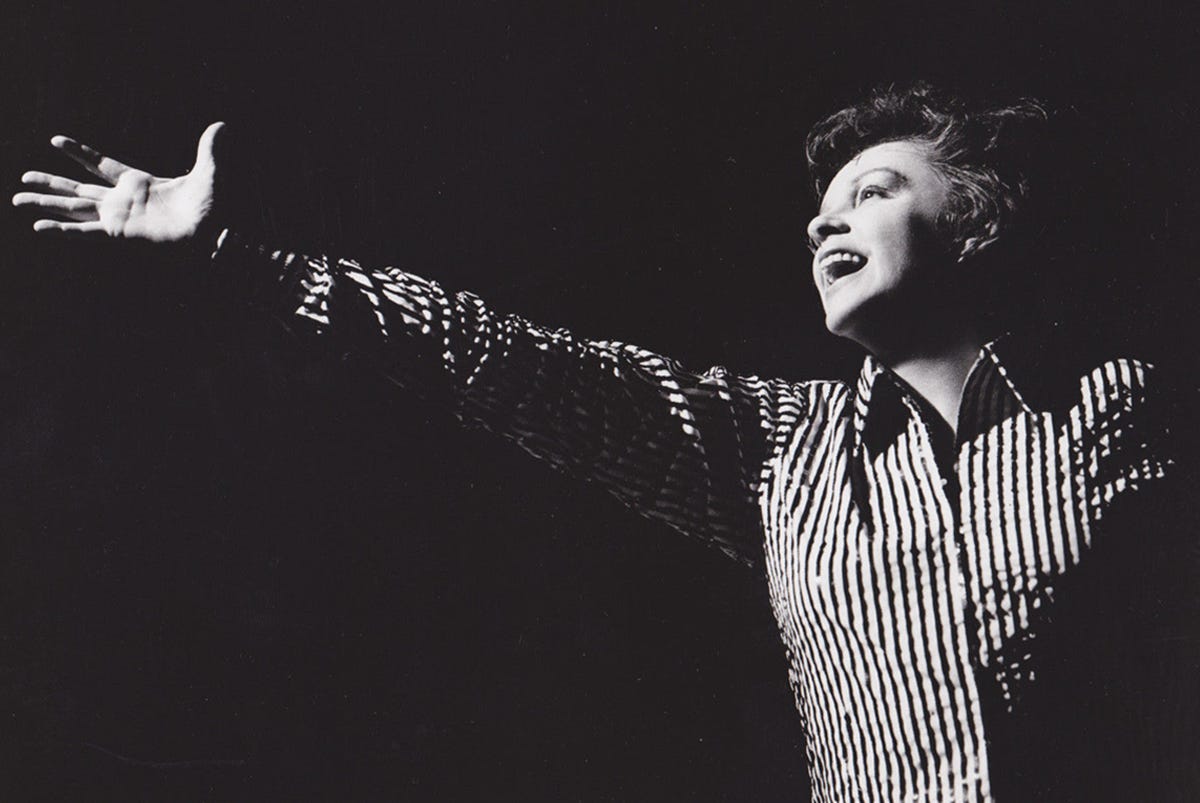
1 Judy Garland in I Could Go On Singing (1963). Barbican / United Artists. Image courtesy of The Judy Room.
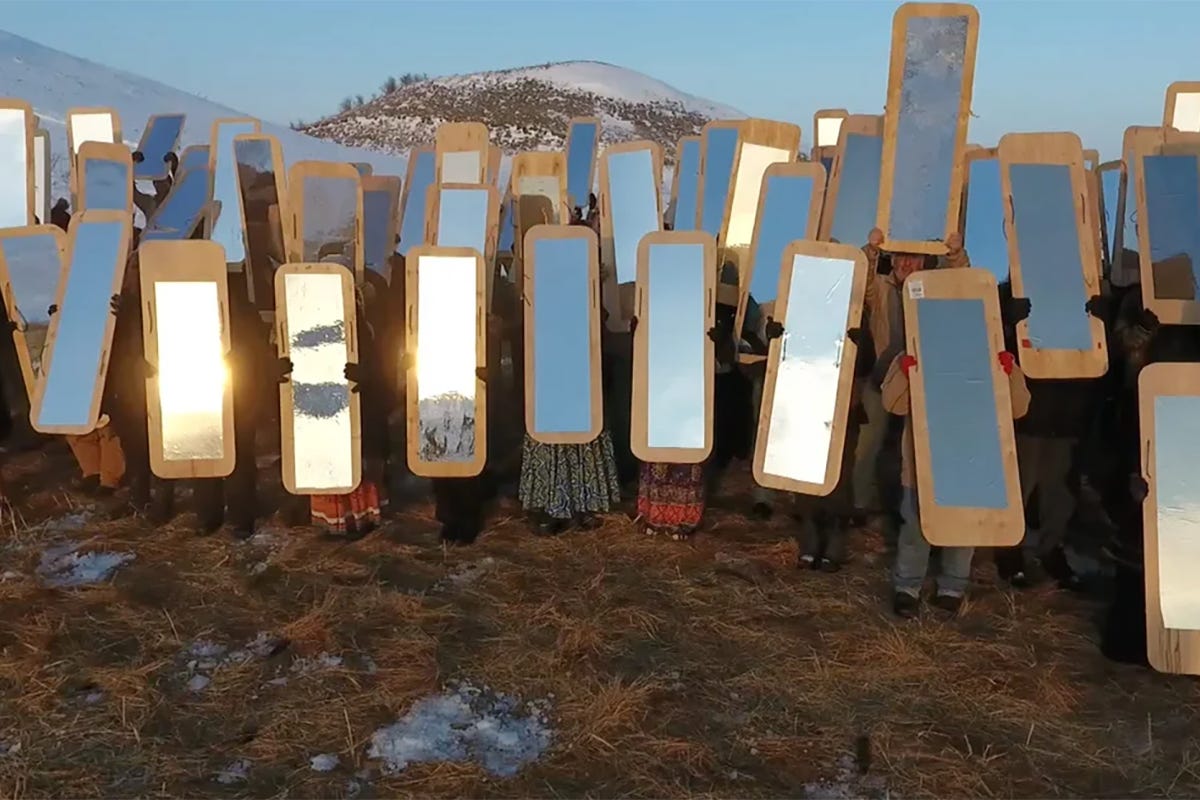
2 Cannupa Hanska Luger, Mirror Shield Project (2016). Image courtesy of the artist. © Cannupa Hanska Luger.
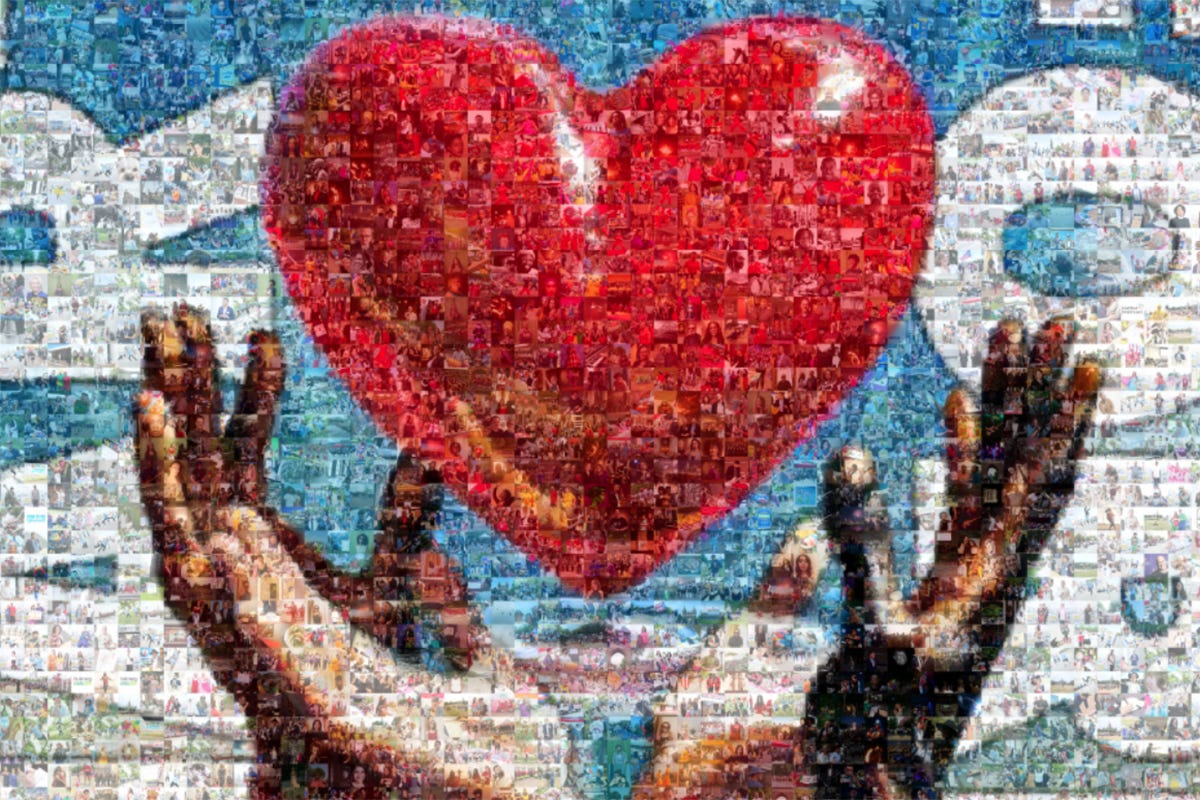
3 Ellis Echevarria, Hartford Photo Mosaic Mural. Courtesy of the Greater Hartford Arts Council.
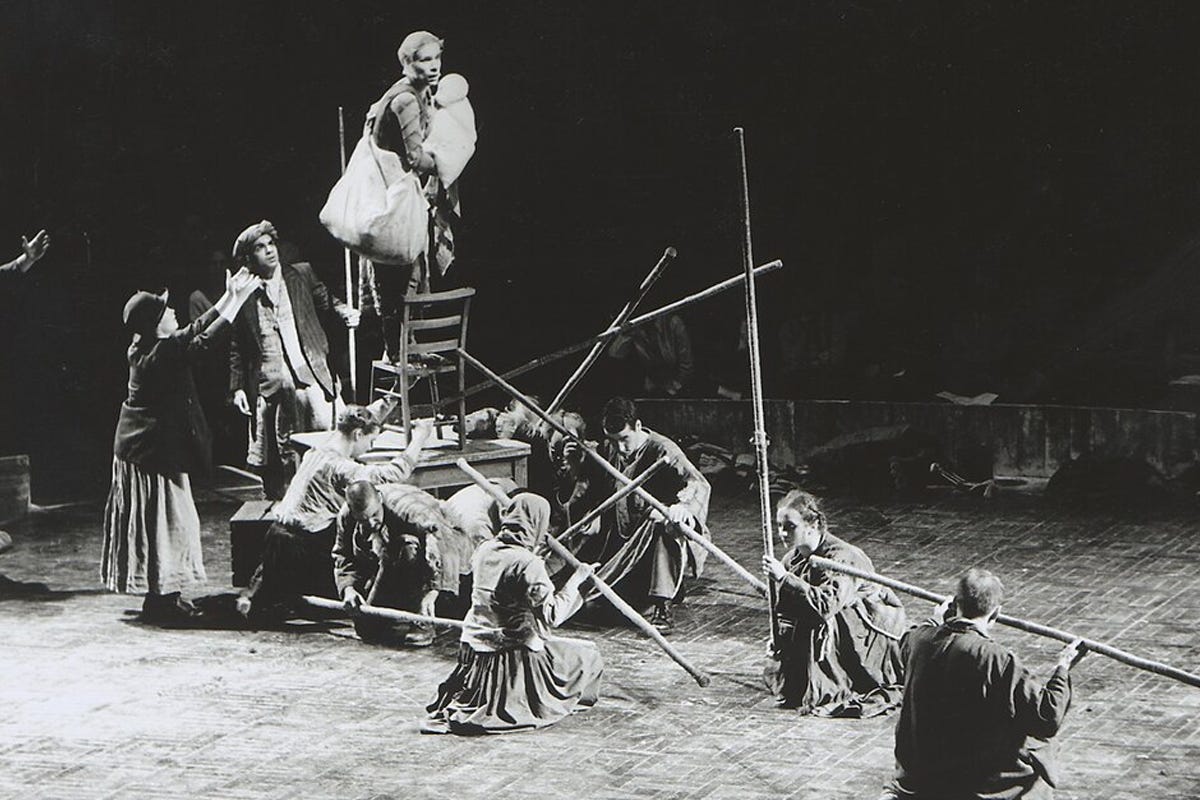
4 Complicité’s production of Bertolt Brecht’s The Caucasian Chalk Circle, directed by Simon McBurney, 1997. Courtesy of Complicité.
Comments
Nothing yet. Say the first thing.
Sign in to join the conversation.