

No one rehearses a fire drill because they hope for a fire. No orchestra rehearses because the concert has already happened. A rehearsal is where habits form before the moment they are needed.
We rehearse not because we know what will happen, but because we want to become the kind of people who can respond well when it does.
Democracy works the same way.
Democracy does not run only on constitutions, elections, or laws. It depends on citizens who have practiced listening, collaboration, imagination, disagreement, trust, and shared responsibility long before a crisis arrives.
It may seem that democracy has no rehearsal room ... but it does.
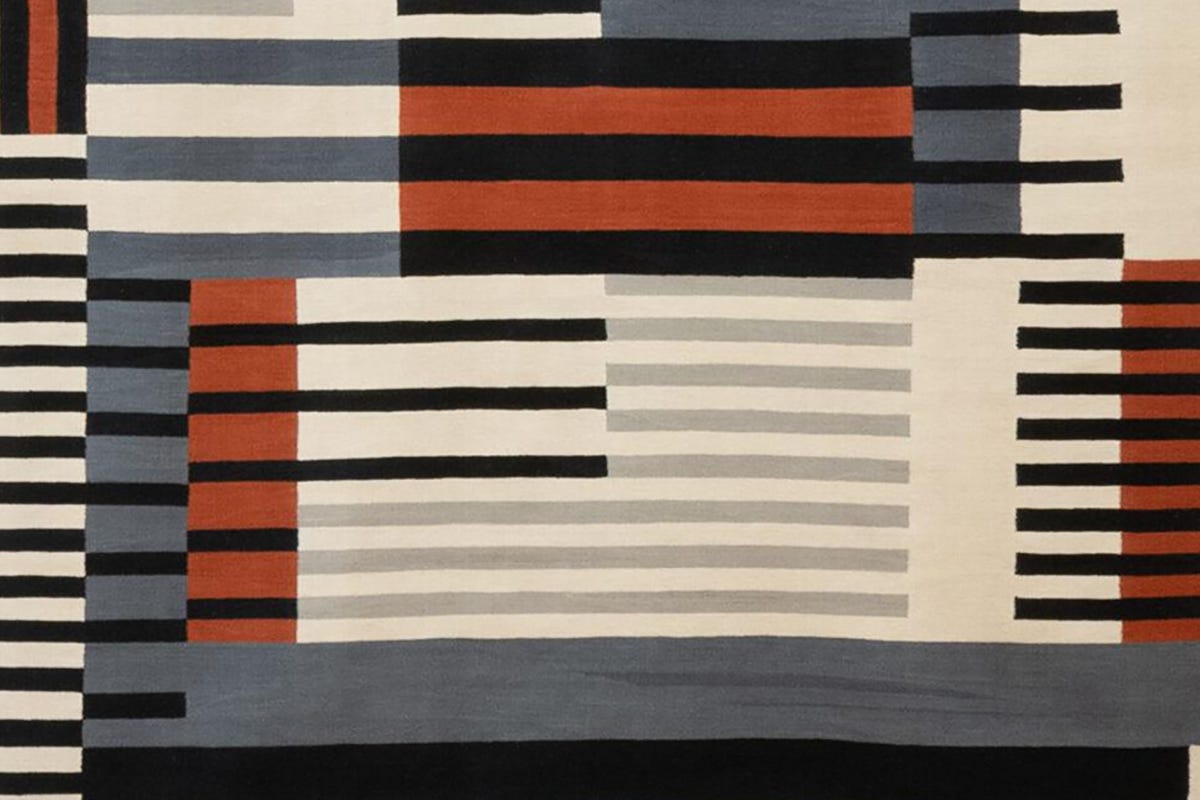
Every rehearsal hall. Every studio. Every choir. Every writing group. Every dance company. Every design critique. Every quilting circle. Every jazz ensemble.
Wherever people engage in creative practice, they rehearse habits democracy depends on.
Creative practice is often described as inspiration. More often, it is discipline. It asks us to practice, fail, adjust, collaborate, and begin again.
Musicians learn to listen. Actors inhabit another perspective. Architects reconcile competing needs. Filmmakers coordinate specialists. Writers cultivate empathy. Potters learn patience. Improvisers embrace uncertainty and move anyway.
None of these are partisan. They are civic.
Creative practice does more than produce paintings, performances, poems, films, buildings, or songs. It forms habits of mind and habits of heart. It teaches us to pay attention before we speak, to revise rather than defend, to hold tension without rushing to certainty, and to make something together that none of us could have made alone.
These are artistic habits.
They are also needed democratic practices.
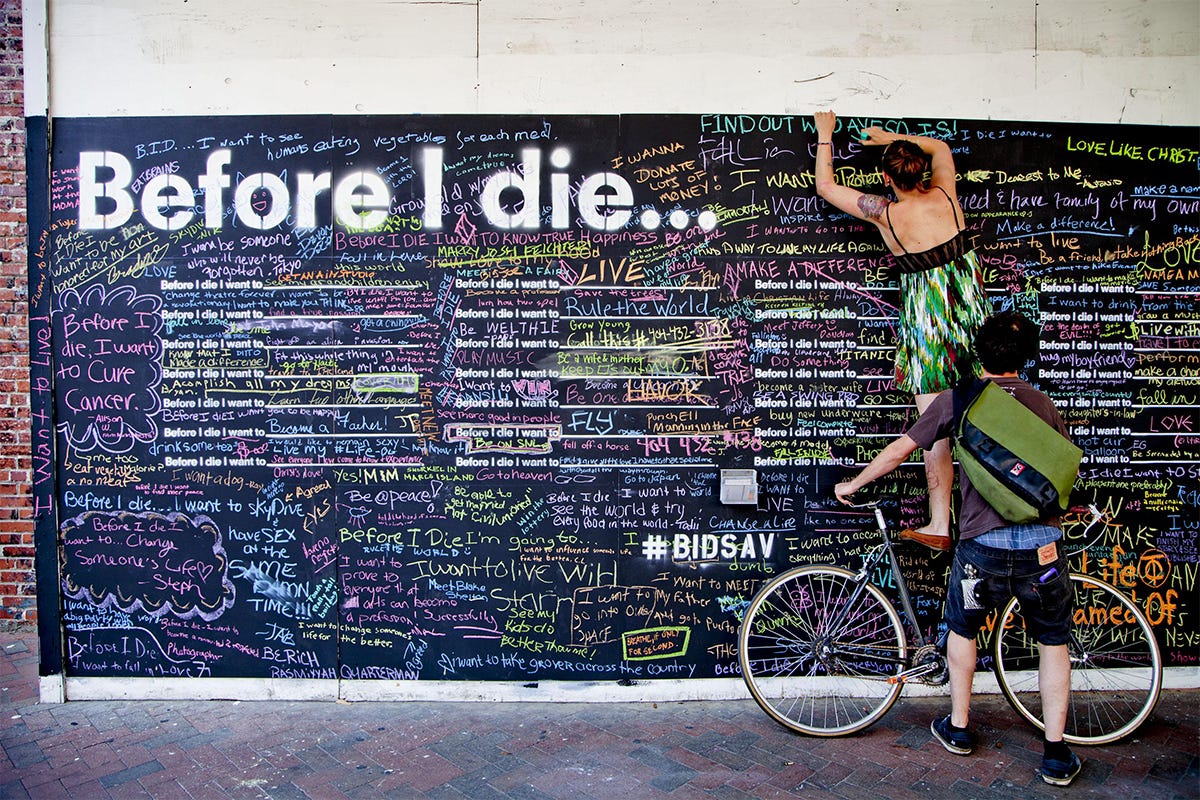
When institutions forget, evade, or erase, artists remember. When history is whitewashed, artists restore the truth in full color. When fear narrows society’s imagination, artists widen it.
Artists become witnesses, catalysts, caretakers. They preserve what institutions alone cannot.
And when communities fracture, artists create places where strangers become collaborators. In a polarized society, that may be one of the most valuable contributions creative communities can make.
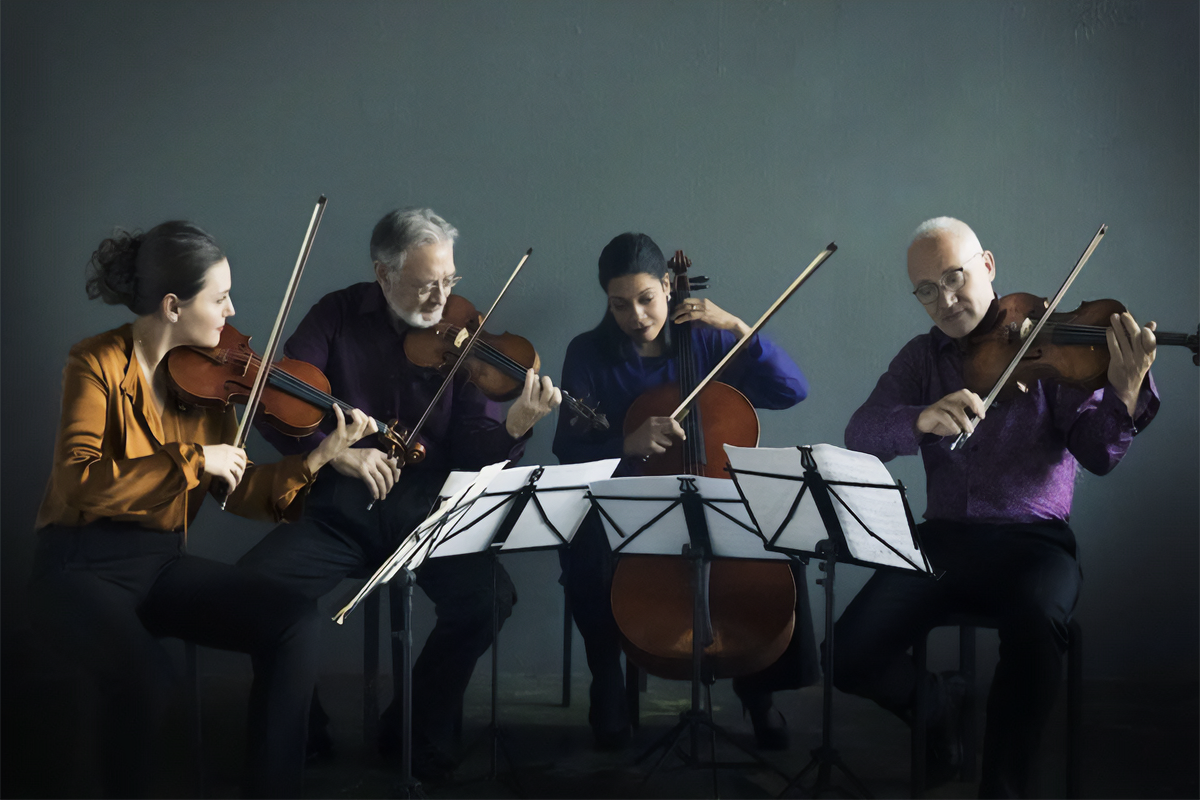
I am not suggesting artists can save democracy. I am, however, suggesting something quieter and more durable.
Democracy is not sustained only in legislatures or courtrooms. It is practiced wherever people learn to listen deeply, create together, remember honestly, and imagine futures they cannot build alone.
Every rehearsal hall, studio, classroom, workshop, neighborhood stage, makerspace, and community choir offers another chance to practice the habits of shared civic life.
So perhaps the question is not whether artists have a role in democracy. Perhaps the question is whether democracy has overlooked one of the places where its essential habits are learned.
Every day, in studios and rehearsal halls, around writing tables and workbenches, in classrooms and community spaces, people practice listening, collaboration, imagination, and care.
A working democracy isn't something we inherit. It's something we rehearse.
— Randall White

Res Creativa is an alliance of artists and allies who believe the practice of creativity is essential to a healthy democracy.

Comments
Nothing yet. Say the first thing.
Sign in to join the conversation.