
With Sony confirming that all new PlayStation games will go digital-only from January 2028, the conversation has naturally turned to preservation, ownership and what we stand to lose in an all-digital future.
There are plenty of important questions to ask, now more than ever. But there’s another that’s been nagging at me the longer this generation drags on.
Why does Sony seem so intent on neglecting their back catalog?
I don't want this to read as a petty rant, and I know this is a different sort of message than you've come to expect from me, but I can't shake the feeling that there's a real disconnect between the PlayStation (Sony) of the '90s and 2000s and the one we have today.
Some would argue this shift started way before the launch of the PlayStation 5. Like a slowly degrading save file, the corruption had been setting in for years before anyone noticed the damage.
I mean, this is the company that owns generations of PlayStation history. And I’ll be the first to admit it’s not “Nintendo levels” of history, but it’s history all the same.
What do I mean?
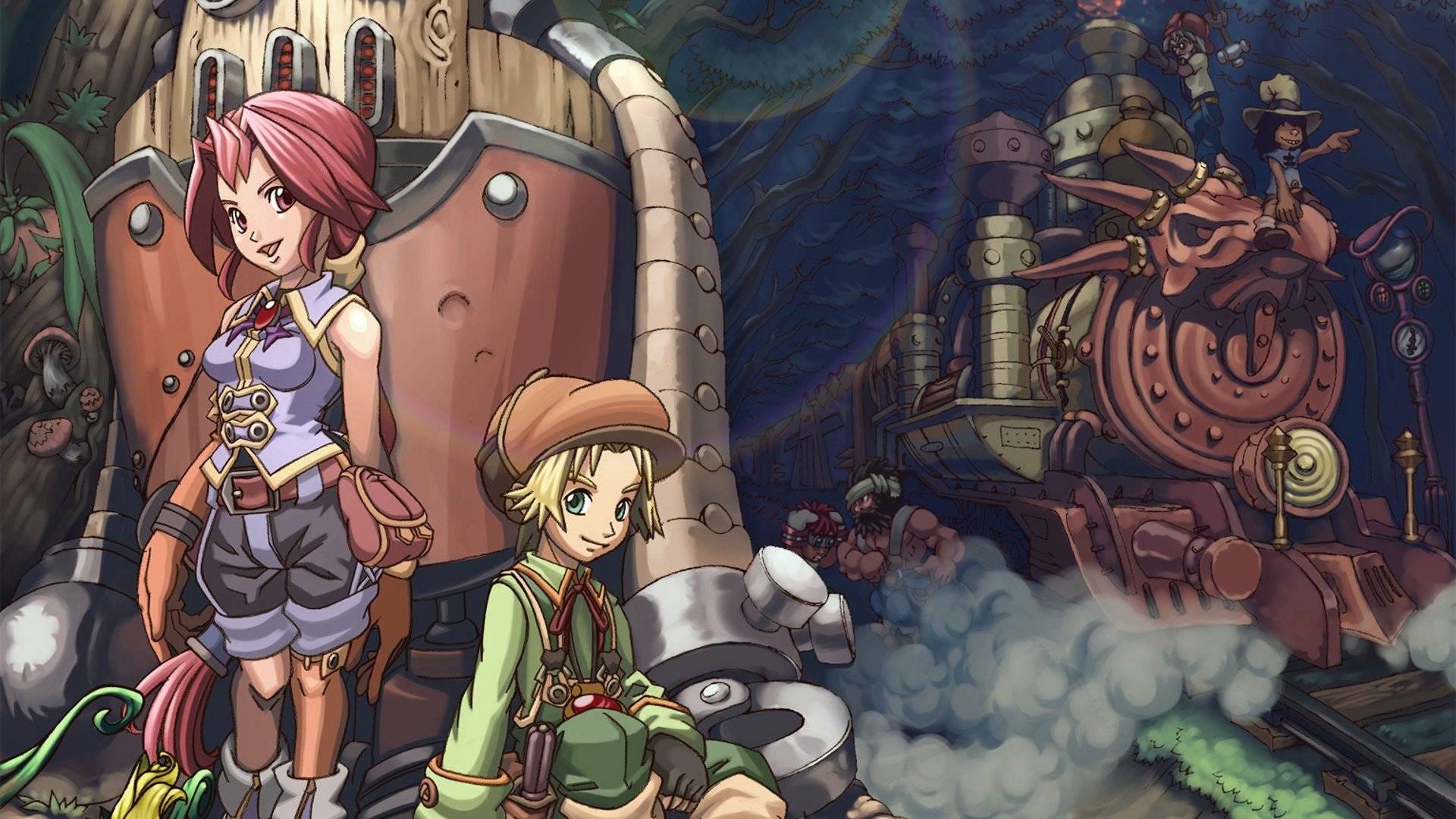
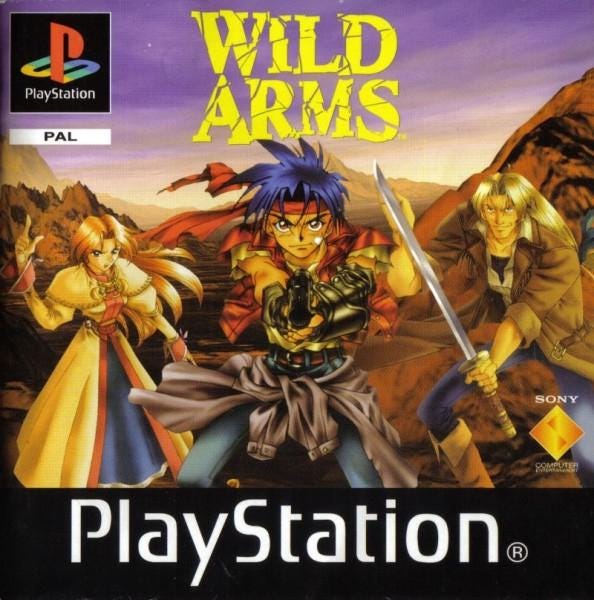
Ape Escape, Wild Arms and Syphon Filter. All viable and potentially ripe for remakes. But Sony behaves like anything that isn’t The Last of Us, God of War or Horizon has been sealed in a vault somewhere beneath PlayStation HQ.
I've also said time and again that much of their back catalog doesn't need massive AAA budgets and resources either. There's plenty there they could be putting out between the bigger titles.
Something that Bluepoint games might even excel at. But, oh, wait.
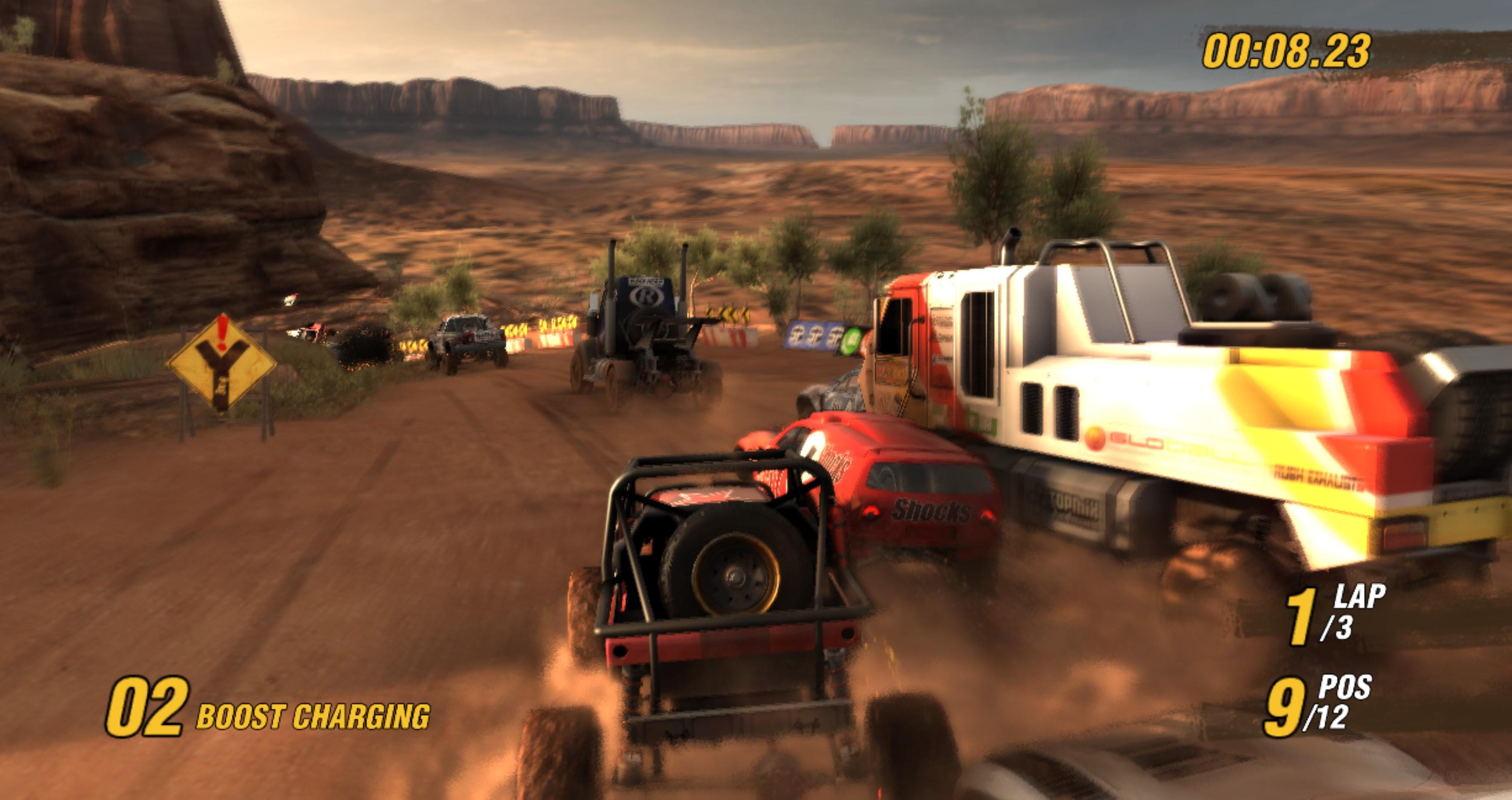
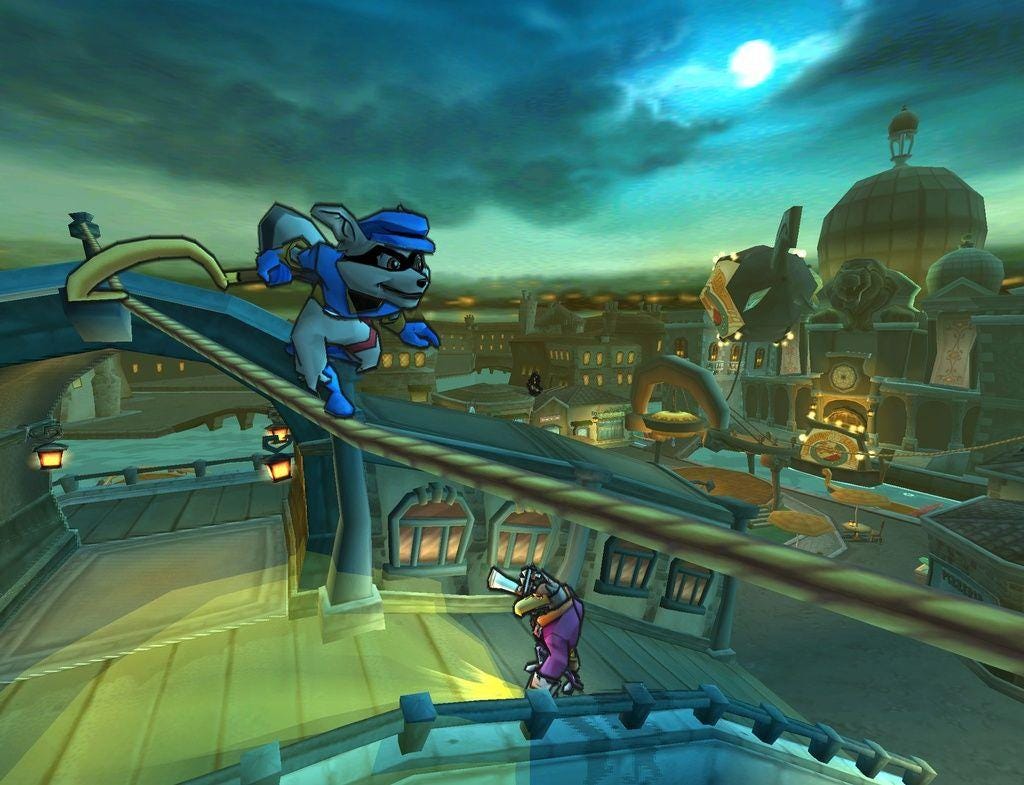
Looking further into their IPs… MotorStorm, dead. WipEout, on life support. SOCOM, missing in action. Resistance, forgotten. Killzone, abandoned. Legend of Dragoon—huh? Puppeteer, Tokyo Jungle, Gravity Rush. Folklore, Warhawk, ModNation Racers and Sly Cooper.
Sony has enough dormant franchises to fill an entire State of Play before anyone even asks for a brand-new IP. And listen, I don’t live in fantasy land, some of these games were extremely niche—more so now. Tokyo Jungle and Afrika, for example. They never sold in the millions, but I’m not sure that means they should be forgotten entirely.
There's a middle ground here for the most niche titles, with Sony simply acknowledging them by making the original versions available.
I'd happily take a modern Resistance collection or a MotorStorm revival over another franchise gathering dust, because not every forgotten PlayStation game needs a full-blown remake, but many deserve more than complete silence.
Most of all, that’s what makes Sony’s approach feel so strange.
It often acts as though PlayStation’s history only stretches back as far as the PlayStation 4. Everything before that feels tucked away, acknowledged only when an anniversary rolls around or a classic appears on PlayStation Plus.
Don’t get me started on that either. The whole premium classic catalog is, frankly, pathetic.

It’s especially odd because goodwill has become one of gaming’s most valuable currencies. Players really aren’t buying consoles anymore, they’re buying into ecosystems. With ecosystems, it’s easier to catch flies with honey than with vinegar.
Subscribers will only build their digital libraries if the value is there. People generally are quite happy to subscribe to services, if the value is there. If Sony wants players to embrace a future without physical media, then showing that its own history still matters feels like an easy way to build trust.
Right now, it doesn’t quite do that.
Maybe licensing is the problem, but truthfully, I don’t care. I want to be able to quickly boot up a classic game I loved in the 90s without resorting to emulation. Maybe source code has been lost, maybe some games simply don’t and never will have the audience fans imagine.
There will be perfectly reasonable explanations for some absences, but they don’t explain all of them. And it does seem every now and then, Sony remembers. But it’s frankly too little, too spaced apart.
And while the internet is never a true reflection of the wider populace, Sony simply can’t coast on forever without meaningful games. People are angry. That anger has the potential to filter downwards and suddenly, Sony are asking questions about why they can’t shift as many consoles.
The move toward an all-digital future only makes getting it right feel more important. If physical games are disappearing, access becomes everything. I don’t want a digital storefront to just sell the future, I want it to preserve the past too.
Sony already has the collection, it just needs to put it on display.
No posts
Comments
Nothing yet. Say the first thing.
Sign in to join the conversation.