
I read an interesting post by Dr Alina Luben on LinkedIn, which proved to be a thought-provoking read in the context of workplace incivility, bullying and harassment.
In her post (created with AI support), she starts a discussion about what can be meant by an expression of concern.
Not all uses of the word “concern” come from genuine care.
In some environments — especially hierarchical or image-conscious ones — concern is not a response to suffering.
It's a tactic of control.
Her post goes on to talk about why this tactic may be applied:
1. A person speaks up about something uncomfortable — a boundary crossed, a truth exposed, a pattern questioned.
2. Instead of engaging with the content of their message, others shift the focus:
> “I’m concerned about your wellbeing.”
3. This subtle shift reframes the situation.
The original issue is dismissed.
The person becomes the problem.
When people use the language of “concern” it may well be a deflection to turn the attention from their behaviour to the person targeted.
In that respect, it is an example of gaslighting.
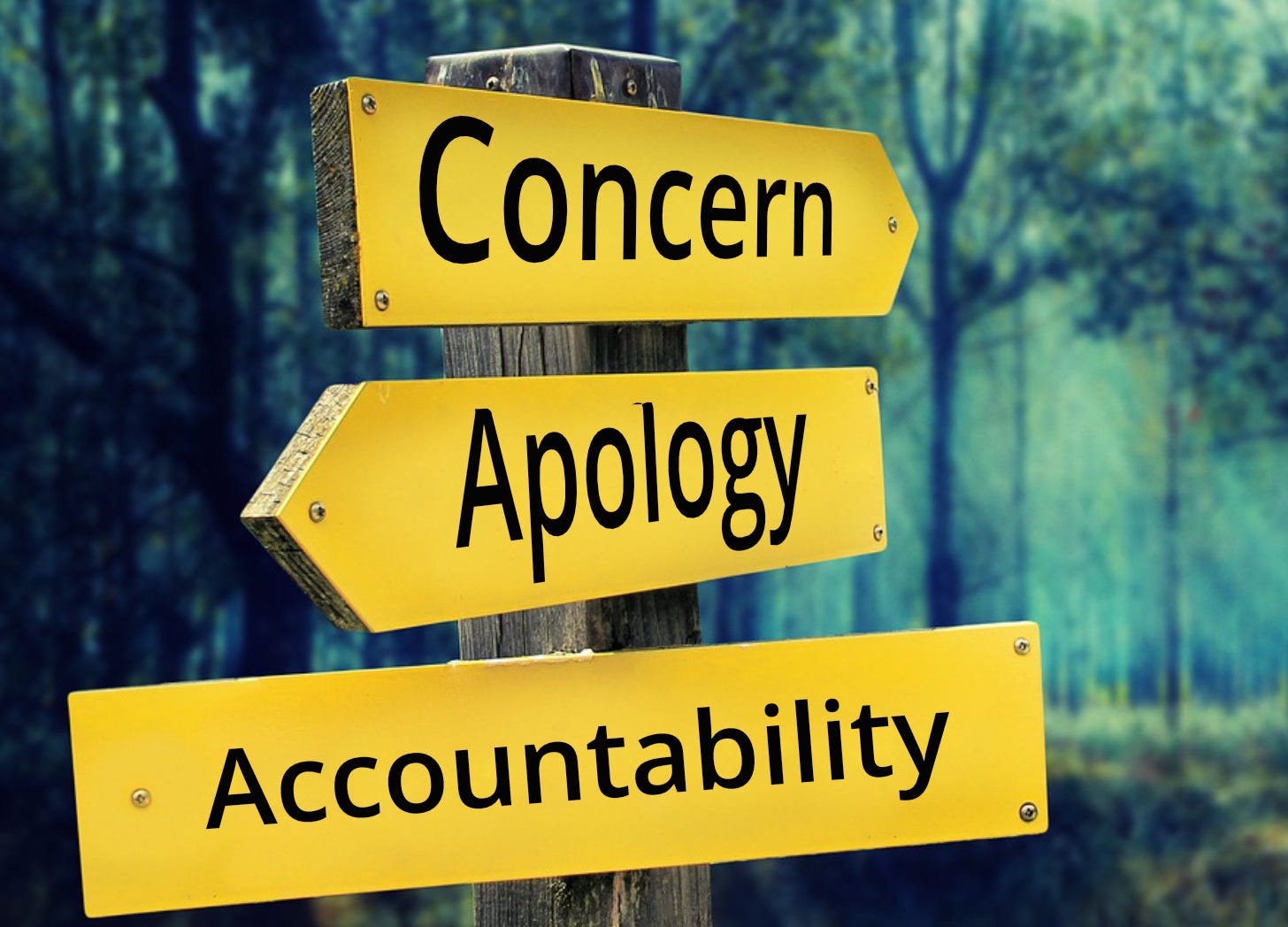
It’s used to avoid accountability and apology, and in the same way, insincere non-apologies avoid responsibility for harm caused.
“I’m concerned about your mental health” and “I’m concerned you interpreted things incorrectly” are the kind of sanitised phrases that people avoiding accountability for harm caused use to deflect from their behaviour.
What is the cause of the wellbeing or mental health “concern”? - the behaviour that’s created the harm! When that remains unaddressed, the root cause “concern” is not addressed.
In the same way, an insincere apology - “I’m sorry you feel that way”, for example, or “I’m sorry if you misinterpreted my actions” simply shift the blame onto the target.
Language matters. Especially in workplace incivility, bullying and harassment, when the language of deflection becomes a tool of abuse for the perpetrator.
It’s something that people working to address incivility, bullying and harassment need to be aware of, especially those in leadership positions, decision-makers, professional standards units, complaint teams, investigators and HR professionals.
If you’d like to know more about this topic, you might find episode 7 of the Life at the Sharp End podcast a good listen, on the topic of effective apology.
In this episode, I talked to Former NSW Deputy Ombudsman Chris Wheeler, PSM PRIMed about what makes an effective apology and why “Sorry seems to be the hardest word.”
Chris (literally) wrote the manual on best-practice for effective apologies in his former role as Deputy Ombudsman.
In the podcast, he makes a simple point about apology:
An effective apology takes responsibility - “no ifs, no buts.”
If you’re considering expressing ‘concern’ for someone who’s had the courage to stand up and come forward to tell you about their experience of workplace incivility, bullying or harassment, think twice.
Are you really ‘concerned for their wellbeing’ or is your ‘concern’ more about the reputational risk to your organisation?
If your concern is genuine, how do the actions you’re taking next help and support them?
Perhaps the person who’s ’concerned that you misinterpreted the situation’ might consider a more direct way to solve the actual problem.
“I’m sorry that I expressed myself poorly and that my actions have upset you” might be a better starting point for resolving the problem.
No ifs, no buts.
However, if your primary motivation is self-protection or the prevention of ‘reputational damage’, that’s not concern.
That’s actively causing additional harm.
Comments
Nothing yet. Say the first thing.
Sign in to join the conversation.