
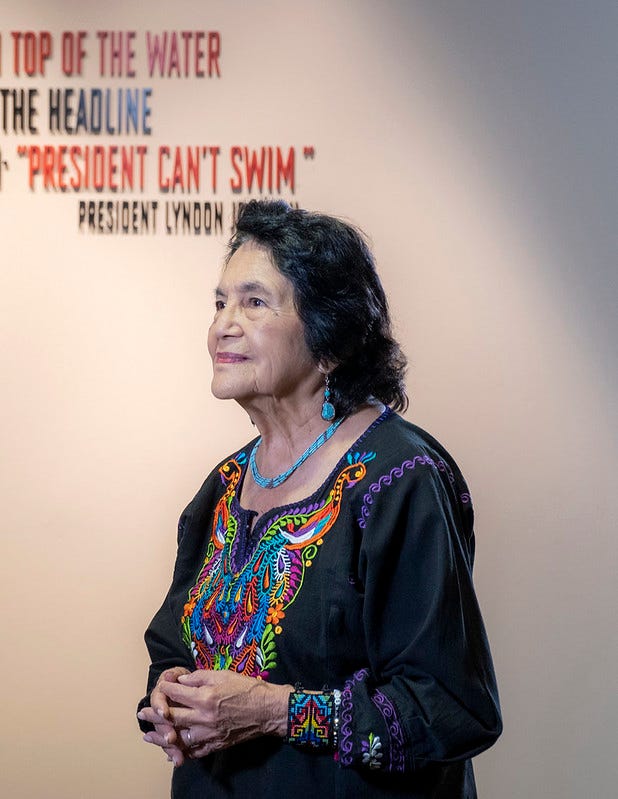
Bombshell reports about a public figure who sexually abused girls or women are a trigger for those of us who survived the same type of abuse. Picking up my phone last Wednesday and reading about Cesar Chavez, a famous leader of the famed farm worker movement, was no exception.
I also have a personal connection. I hail from a farming town in Fresno County, smack dab in the middle of California’s San Joaquin Valley. The farmworker movement began in the Valley. “This was a movement born in the fields of the San Joaquin Valley,” wrote Jim Boren, a former reporter for the Fresno Bee who covered Chavez.
Chavez grew up working in the fields from the age of 11. He founded the National Farm Workers Association in Delano, a small town in the southern Valley, in 1962. Dolores Huerta, another prominent figure in the movement, spoke to the New York Times about the abuse. She spent most of her childhood and early adult life in the northern San Joaquin Valley town of Stockton.
Huerta kept her secret for 60 years. She will turn 96 in April. Why did she stay silent for so long? She said in a statement that she “had experienced abuse and sexual violence before.” She convinced herself that she had to endure Chavez’s abuse “alone and in secret.” But she came forward because she no longer wanted to keep her secret. “I have kept this secret long enough. My silence ends here,” she stated.
“Silence about abuse is common,” Beth Daley, a clinical psychologist who studies interpersonal trauma, wrote in an article for The Conversation. She pointed out that sexual abuse causes dissociation and memory impairment. I blocked out what my uncle did to me.
Women abused by men they knew well experienced betrayal trauma. Jennifer J. Freyd, PhD, defines betrayal trauma as something that “occurs when the people or institutions on which a person depends for survival significantly violate that person’ s trust or well-being.”
Betrayal trauma can keep a survivor silent. I have written numerous times about the abuse by my uncle, but never included his name for fear that a family member who doesn’t know will see it. I have prioritized them over myself. Huerta admitted that she prioritized the movement. We are indoctrinated as women from a young age to prioritize others.
Fear of disbelief is yet another factor in Huerta’s delayed disclosure. Even with the rise of the MeToo movement, empowering women to speak up, denial often greets those who break their silence.
I noticed that many of the comments on a post by a local news channel were negative towards Huerta. I included their names and profile pictures because a public post is not private.
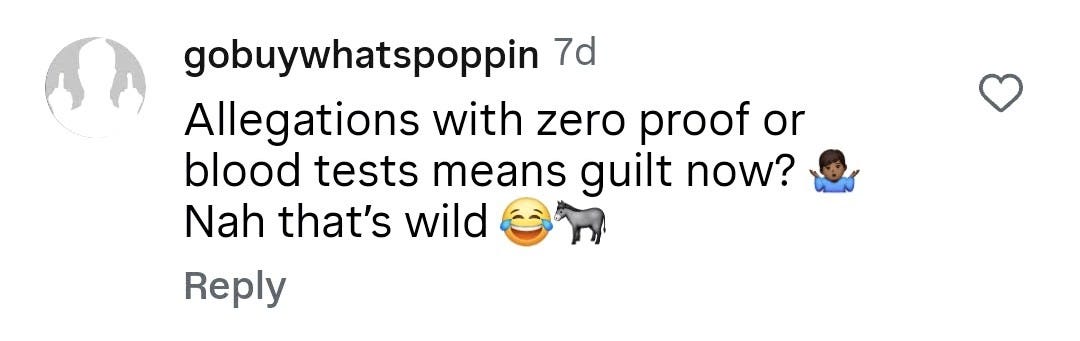
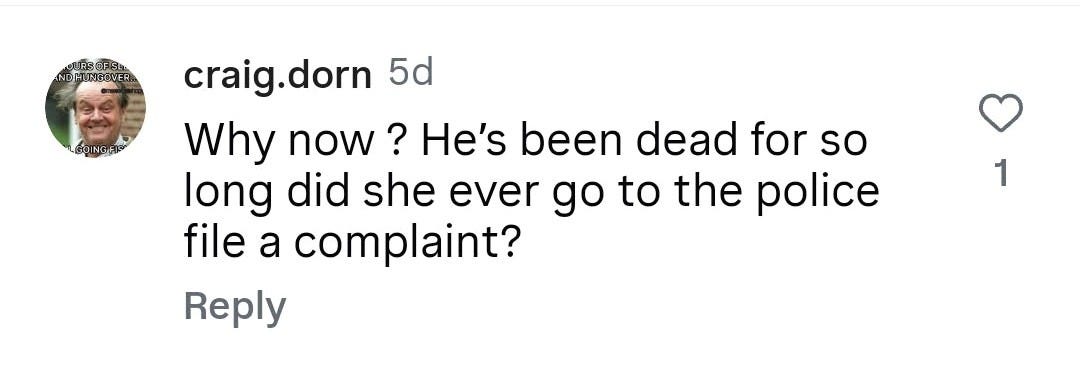

Media coverage also played a role in Huerta’s silence. Boren, reflecting on journalism’s responsibilities, notes the profession’s missed opportunities: ‘We should have asked harder questions sooner. We should have done better, especially when victims tried to speak out but were not heard.’
I mentioned that I haven’t yet included my perpetrator’s name. I use Huerta as my inspiration and the courage I possessed as a young woman to tell my mother and grandmother. I choose to name him. His name was Robert “Bob” Ourganjian, my mother’s brother. I refuse to prioritize his legacy over my story.
If you are a fellow survivor who has never told your story, I recommend telling someone you know who will believe you. Don’t stay silent. If that feels too much, then start by writing down what happened to you and how it has affected you. Take back your power by emulating Huerta.
Comments
Nothing yet. Say the first thing.
Sign in to join the conversation.